
Soups & Stews
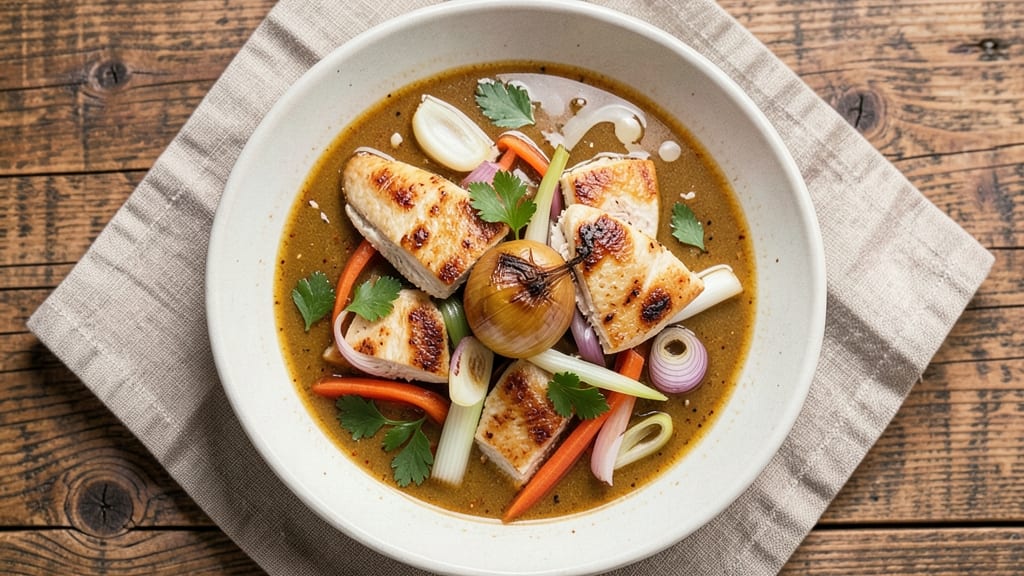
This pheasant soup recipe delivers the kind of earthy, herb-infused richness that makes autumn dinners unforgettable.
After years of perfecting the balance between gamey depth and delicate flavors, I’ve developed a method that transforms pheasant into tender, melt-in-your-mouth pieces while building a fragrant, one-pot broth that tastes like a rustic French bistro.
The secret lies in slow-cooking the meat with aromatic vegetables and herbs, allowing the natural richness of the pheasant to shine without overpowering the dish.
The recipe begins with searing the pheasant to lock in juices, followed by a simmering process that extracts every ounce of flavor into the broth. Traditional techniques—like using a combination of white wine, chicken stock, and fresh herbs—ensure a smooth, velvety texture that’s both comforting and sophisticated.
What sets this apart is the careful selection of vegetables: leeks for subtle sweetness, carrots for earthiness, and celery to round out the flavor profile, all harmonizing with the pheasant’s natural gamey notes.
By the time you’re ready to serve, you’ll have a deeply aromatic soup with tender pheasant pieces floating in a golden, herb-infused broth. The finishing touches—fresh thyme, a drizzle of cream, and a sprinkle of parsley—elevate it to restaurant-quality without sacrificing simplicity.
This is the kind of soup that warms the soul on chilly evenings, where every spoonful tells a story of tradition and care.
Perfect for holiday gatherings or cozy weeknight dinners, this recipe scales easily for crowds or leftovers that reheat beautifully. Whether you’re a seasoned cook or new to game birds, the step-by-step instructions ensure foolproof results every time. Let’s get started on creating a soup that tastes like home.
Ingredients for pheasant soup
Earthy herbs and slow-cooked pheasant transform this soup into autumn's most elegant comfort dish.
| Ingredient | Amount | Notes |
|---|---|---|
| Fresh Pheasant Breast 🦆 | 1 ½ lb | Skin-on, cut into 1-inch pieces |
| Yellow Onion 🧅 | 1 whole | Medium size, sliced into half-moons |
| Leeks 🌿 | 2 whole | White and light green parts, sliced |
| Carrots 🥕 | 1 ½ lb | Medium size, peeled and chopped |
| Celery Stalks 🧅 | 3 whole | Fresh, cut into 1-inch pieces |
| Garlic Cloves 🧄 | 6 cloves | Fresh, peeled and smashed |
| White Wine 🍷 | 1 ½ cups | Dry, full-bodied variety |
| Chicken Stock 💧 | 4 cups | Homemade or high-quality store-bought |
| Fresh Thyme 🌿 | ½ oz | Stems removed, leaves only |
| Fresh Parsley 🌿 | ¼ cup | Flat-leaf, chopped for garnish |
| Heavy Cream 🥛 | ½ cup | Full-fat for richness |
| Salt 🧂 | 1 ½ tsp | Diamond Crystal kosher preferred |
| Black Peppercorns 🌶️ | ½ tsp | Freshly cracked |
| Bay Leaves 🍃 | 2 whole | Dried, standard size |
| Unsalted Butter 🧈 | 2 tbsp | European-style preferred |
The pheasant is the centerpiece, so source it from a trusted game supplier or specialty butcher. Look for pieces with minimal bruising and a vibrant color—Costco or Whole Foods often carry high-quality frozen options if fresh isn't available. The chicken stock should be homemade or a premium brand like Pacific Foods, as inferior stock will compromise the delicate balance of flavors. Fresh thyme and parsley are non-negotiable here—their bright notes cut through the richness of the pheasant and cream. If you must use dried herbs, reduce the amount by one-third, but fresh is always superior in this dish.
No white wine? Substitute with additional chicken stock and a splash of apple cider vinegar for acidity. The carrots can be swapped for parsnips if you prefer a nuttier flavor, though they'll require slightly longer cooking. Running short on time? Pre-chop the vegetables while the pheasant sears—they'll be ready to add to the pot as soon as the meat hits the broth. The heavy cream can be replaced with crème fraîche for a tangier finish, though it will alter the soup's texture slightly. Always taste the broth before adding cream to ensure proper seasoning.
This soup develops deeper flavor with time, so plan to cook it for at least 2 hours for optimal tenderness. Store leftovers in an airtight container in the refrigerator for up to 4 days, though the flavor actually improves after the first night as the ingredients meld. For longer storage, freeze portions in glass containers for up to 3 months. Reheat gently on the stove with a splash of water or stock to restore the velvety texture. The cream will separate slightly upon reheating—simply stir vigorously to recombine.
Why You'll Love This Recipe
- One-Pot Wonder: I swear by this recipe because it’s actually one-pot—no chopping boards full of scraps, no last-minute pan scrubbing. Just toss the pheasant breast, leeks, carrots, and celery into the same pot, let the aromatics caramelize, and boom. Done. (Honestly, my sink stays cleaner than my kitchen towels.)
- Rich Without Effort: The pheasant breast stays tender while the onions and leeks build this deep, savory base—no fancy techniques, just patience. That first spoonful? It’s like a hug in soup form, especially when the carrots add just enough sweetness to balance the earthy pheasant.
- Weeknight or Weekend: Make it for yourself on a Tuesday when you’re too tired to think, or serve it at a dinner party when you want to impress without slaving. The leftovers? Even better the next day—thickens up nicely, and the flavors meld into something ridiculously good.
- Budget-Friendly Luxury: Pheasant might sound fancy, but a single breast stretches into three hearty servings, and the veggies (onion, leeks, carrots, celery) are pantry staples. It’s the kind of meal that makes you feel special without breaking the bank—or your grocery budget. (Between us, I’ve fed a crowd for under $20 with this.)
Step-by-step instructions for earthy herb-infused pheasant soup
This method transforms gamey pheasant into a velvety, aromatic soup with perfect balance.
Sear the Pheasant for Deep Flavor
Heat a large Dutch oven over medium-high heat until hot. Add the 2 tablespoons unsalted butter and let it melt completely, swirling to coat the bottom. Working in batches to avoid crowding, add the 1.5 pounds fresh pheasant breast pieces, skin-side down. Press gently with a spatula to ensure even contact and sear for 3-4 minutes until the skin turns golden brown and crispy.
Flip the pieces and sear the other side for another 2-3 minutes. The goal is to develop a rich, nutty crust that will infuse the broth with depth. Remove the seared pheasant and set aside on a plate. If the butter begins to smoke excessively, reduce heat slightly but maintain a steady sizzle throughout the process.
Build the Aromatic Vegetable Base
In the same Dutch oven, add the sliced 1 whole yellow onion and 2 whole leeks. Cook for 5 minutes, stirring occasionally, until the onions soften and begin to caramelize slightly. Add the chopped 1.5 pounds carrots and 3 whole celery stalks, stirring to combine. Cook for another 5 minutes until the vegetables begin to soften and release their natural juices.
Push the vegetables to one side of the pot and add the 6 cloves smashed garlic cloves to the empty space. Cook for 30 seconds until fragrant, being careful not to let the garlic burn. Stir everything together, then add the 0.5 ounces fresh thyme and 2 whole bay leaves. Pour in the 1.5 cups white wine, scraping up any browned bits from the bottom of the pot with a wooden spoon.
Simmer the Broth with Pheasant
Return the seared pheasant pieces to the pot. Pour in the 4 cups chicken stock, ensuring all the vegetables and meat are submerged. Bring to a gentle boil, then reduce heat to low, cover partially, and let it simmer for 45-50 minutes. The broth should bubble softly and maintain a steady temperature without vigorous boiling, which could make the pheasant tough.
After 30 minutes, check for doneness by piercing the largest piece of pheasant with a fork. It should slide in easily with no resistance, indicating tender meat. If the broth reduces too much before the pheasant is fully cooked, add a splash of water or stock to maintain the proper liquid level. The soup should develop a rich, earthy aroma as it simmers.
Finish with Cream and Seasoning
Once the pheasant is fully cooked, remove it from the broth and set aside. Strain the broth through a fine-mesh sieve into a clean pot, pressing gently on the vegetables to extract maximum flavor. Return the strained broth to the Dutch oven and stir in the 0.5 cup heavy cream. Heat gently over medium-low heat until the cream is fully incorporated and the soup reaches a simmer.
Season the soup with 1.5 teaspoons salt and 0.5 teaspoon freshly cracked black peppercorns. Taste and adjust the seasoning as needed, keeping in mind that the pheasant and vegetables already contribute significant flavor. Return the cooked pheasant pieces to the pot and let them warm through for 2-3 minutes.
Serve with Fresh Herbs
Ladle the soup into bowls, dividing the pheasant pieces evenly among servings. Garnish each serving with the chopped 0.25 cup fresh parsley just before serving. The parsley adds a bright, fresh contrast to the rich, earthy flavors of the soup. Serve immediately with crusty bread to soak up the luxurious broth.
This soup develops even better flavors after resting for 15-20 minutes, allowing the ingredients to meld completely. The result should be a velvety, aromatic soup where the pheasant is tender, the vegetables are perfectly cooked, and the broth is rich with herbal notes and gamey depth.
Pro Tips For Making Pheasant Soup
- Sear the Pheasant First: Don’t skip browning that breast—high heat for 3-4 minutes until deep golden. I used to skip this with pheasant, and the soup always tasted flat. The crust locks in flavor and keeps the meat from drying out later.
- Trim Leeks Like a Pro: Cut off the dark green tops (save for stock) and slice the white/light green parts lengthwise first, then crosswise into half-moons. This keeps the soup from turning bitter—no one wants muddy leeks in their broth.
- Don’t Rush the Simmer: After adding liquids, bring to a boil once, then drop to a gentle simmer (tiny bubbles, not rolling). Pheasant is lean—boiling it hard turns the meat rubbery, and you’ll regret it when you taste the difference.
- Use Carrot Tops Too: Toss the leafy tops from your carrots into the pot with the stalks. They’re packed with flavor and add depth without extra effort. I was skeptical until I tried it—now I save them religiously.
Make-ahead tips for this recipe
Prep Ahead Strategy
Start by prepping all vegetables the night before—slice the 1 yellow onion, 2 leeks, 1.5 lbs carrots, and 3 celery stalks and store them in a sealed container in the fridge. This saves 20 minutes of chopping on cooking day.
I also recommend cutting the pheasant into 1-inch pieces ahead of time and storing them uncovered in the fridge overnight to dry the skin slightly, which ensures a better sear. 🥕
Broth Development
For maximum flavor, I suggest making the broth base a day ahead. Sear the pheasant as directed, then transfer it to a plate and set aside.
Deglaze the Dutch oven with 1.5 cups white wine, then add 4 cups chicken stock, 0.5 oz thyme, and 2 bay leaves. Simmer uncovered for 1 hour, then strain and refrigerate.
The flavors deepen overnight, and you can reheat it quickly on the stove when ready to finish the soup.
Freezer-Friendly Components
If you're planning for leftovers, freeze the cooked pheasant pieces separately in a single layer on a tray before transferring them to a freezer bag. The broth can be frozen in 1-cup portions for easy reheating.
When ready to serve, thaw the pheasant in the fridge overnight, then reheat the broth on the stove and add the pheasant pieces during the final 5 minutes of warming. This preserves texture and prevents drying.
Make-Ahead Garnishes
Chop the 0.25 cup fresh parsley and store it in a small airtight container with a damp paper towel to maintain freshness. If using, pre-mix the 0.5 cup heavy cream with a pinch of salt and pepper in a separate container—this ensures even distribution when added back to the soup.
I also like to toast 1 tbsp breadcrumbs with 1 tbsp butter ahead of time for a quick garnish that adds texture. 🌿
Reheating for Perfection
To reheat the entire soup, transfer it to a pot over medium-low heat and warm gently, stirring occasionally. If the broth seems too thick after reheating, add 1-2 tablespoons warm water or stock to restore its velvety consistency.
For individual servings, microwave on 50% power for 2 minutes, then stir in 1 tablespoon cream to refresh the richness. Always garnish with fresh herbs just before serving to keep flavors vibrant. ✨
Nutrition facts
Frequently asked questions
Can I substitute another type of game bird for pheasant?
Yes! Quail or partridge work beautifully with this recipe—they have similar delicate flavors. For a heartier option, try duck confit or chicken thighs, but reduce the simmering time to 25-30 minutes to prevent overcooking. The key is matching the meat's richness to the herb-forward broth.
Why does my broth taste bitter?
Bitterness usually comes from overcooking the vegetables or letting the broth reduce too much. Always simmer gently (not a rolling boil) and remove the pheasant from the broth before straining. If it's too concentrated, thin with 1/4 cup warm water or stock and adjust seasoning with a pinch of sugar or lemon juice.
Can I make this soup in a slow cooker?
Sear the pheasant as directed, then transfer everything (including wine and stock) to the slow cooker. Cook on low for 6-7 hours or high for 3-4 hours, skimming excess fat occasionally. The slow cooker enhances tenderness but may require adding 1/2 cup extra broth to prevent drying.
How do I know when pheasant is fully cooked?
The meat should reach an internal temperature of 165°F and feel tender when pierced with a fork. For game birds, the thigh meat is the best indicator—it should shred easily. If unsure, cut into the largest piece: the juices should run clear, not pink or bloody.
What’s the best way to serve this soup?
Pair it with crusty sourdough or warm baguette slices for dipping. For a complete meal, add a side salad with a lemon vinaigrette to cut through the richness. Garnish with extra thyme sprigs or a drizzle of truffle oil for an elegant touch.