
Sauces & Condiments
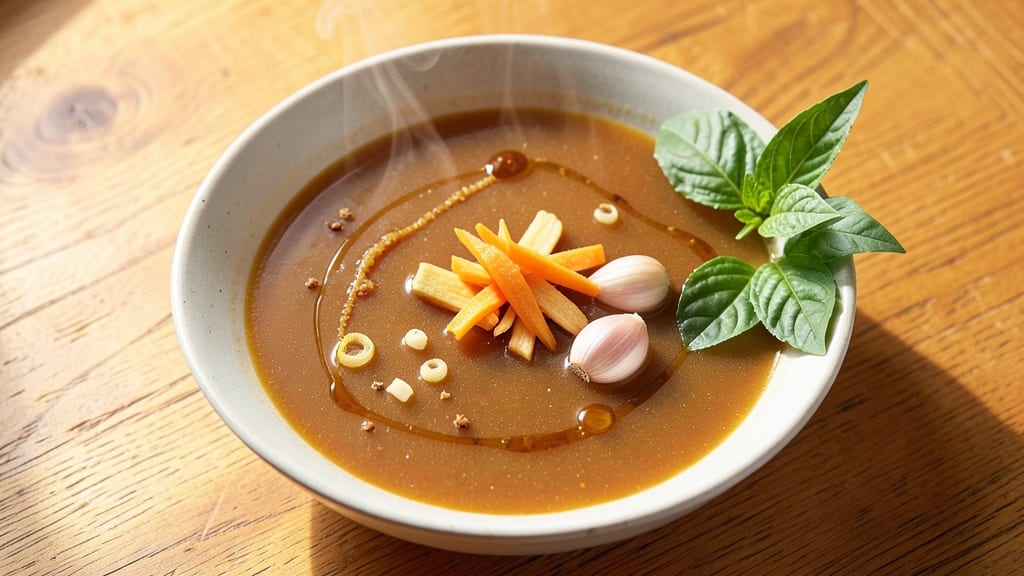
This tamarind soup base recipe unlocks the bright, tangy-sour depth that elevates soups, curries, and marinades to restaurant-quality levels. The secret lies in balancing tamarind’s natural acidity with just enough sweetness and umami—creating a versatile foundation that transforms ordinary dishes into something extraordinary.
With precise measurements and a simple simmering process, you’ll craft a concentrated base that keeps for weeks in the fridge or freezer.
The beauty of this recipe is its flexibility—use it as a quick broth for Vietnamese pho, a tangy marinade for grilled meats, or a flavor booster in Thai-inspired coconut soups. The key steps involve simmering tamarind paste with aromatics, then straining for a smooth, cloud-free consistency.
No special equipment is needed, just patience to let the flavors meld into a harmonious balance of sour, sweet, and savory.
What you’ll end up with is a deeply aromatic, umami-rich liquid that adds complexity to any dish without overpowering it. A single tablespoon transforms a simple vegetable soup into a vibrant, layered experience.
The base reduces slightly as it cools, intensifying its flavor—perfect for storing in small batches for future use.
Whether you’re prepping for a week of soups or stocking your pantry for quick weeknight meals, this tamarind base is a game-changer. It’s the kind of ingredient that turns ordinary cooking into something memorable. Let’s get started!
Ingredients for tamarind soup base
Nine ingredients transform into a deeply aromatic tamarind base that elevates soups and marinades instantly.
| Ingredient | Amount | Notes |
|---|---|---|
| Tamarind Paste 🍯 | ½ cup | High-quality, block-style preferred |
| Light Brown Sugar 🍚 | ¼ cup | Packed, for caramelization |
| Fresh Ginger 🧄 | 2 tbsp | Finely grated, aromatic |
| Garlic Cloves 🧄 | 4 cloves | Peeled, lightly crushed |
| Shallots 🧅 | 2 whole | Peeled, thinly sliced |
| Fish Sauce 🍶 | 1 tbsp | Red Boat preferred |
| Soy Sauce 🍶 | 1 tbsp | Light or dark variety |
| Water 💧 | 2 cups | Filtered or spring water |
| Lime Juice 🍋 | 1 tbsp | Freshly squeezed |
| Salt 🧂 | ½ tsp | Diamond Crystal preferred |
Tamarind paste is the star here—look for block-style tamarind at Asian markets or the international aisle of well-stocked grocery stores. The Red Boat fish sauce adds that essential umami depth, but any quality brand works. Fresh ginger and shallots should smell vibrant, not musty. For the tamarind, if you can't find block-style, paste in a pouch works in a pinch—just check for no added sugar. The sugar isn't just for sweetness; it helps caramelize slightly during simmering, adding complexity to the base. If you're feeling fancy, toast the shallots and garlic lightly in a dry pan before adding them to the pot—worth the extra minute for deeper flavor.
No fish sauce? Soy sauce plus a dash of miso gets you close. Short on tamarind? Lime juice plus a pinch of citric acid mimics the tang, though it won't have the same depth. The ginger can be swapped for ginger powder at one-third the amount, but fresh is ideal. If you're making this for a vegetarian dish, omit the fish sauce and boost the soy sauce to 2 tbsp instead of 1. The lime juice is non-negotiable for brightness—bottled lime juice works, but fresh is always better. For a smoother base, strain through a fine-mesh sieve after simmering. If you're using this as a marinade, reduce the base by half before using to intensify the flavors.
This base keeps beautifully—1 month in the fridge or 6 months in the freezer. For freezing, use ice cube trays for single-portion use or small jars for larger batches. The flavor actually improves as it reduces slightly over time, so make extra. Once cooled, a thin layer of oil on top prevents mold. I like to label mine with the date and intended use—pho, marinade, or soup—so I don't forget. The base thickens as it cools, so stir before using. If it's too thick, just add a splash of water or broth to reach your desired consistency.
Why You'll Love This Recipe
- Pantry Magic: I swear by this base—just five ingredients, no fancy prep. The tamarind paste and brown sugar dissolve into a silky sauce while I chop shallots and garlic in under five minutes. Honestly, it’s the kind of recipe that makes me feel like a chef without the stress.
- Tangy-Sweet Balance: That first sip? Chef’s kiss. The tamarind’s sharp funk mellows into something rich with the caramelized brown sugar, while the ginger and garlic add warmth. It’s the kind of flavor that lingers—like a hug in a bowl.
- Soup-to-Salad Swap: Make a big batch on Sunday, then use it all week. Thin it with broth for soup, stir it into marinades, or even drizzle it over grilled chicken. Between us, I’ve even tossed it with cold noodles for a quick lunch—works every time.
- Budget-Friendly Staple: Tamarind paste lasts forever, and the rest of the ingredients are cheap but pack serious flavor. I’ve turned $10 worth of groceries into enough base for four meals. Plus, leftovers taste just as good reheated—no sad, watery seconds here.
Step-by-step instructions for tangy tamarind soup base
Here's how to build this vibrant, umami-rich foundation that transforms any dish.
Bloom the Tamarind and Sugar
In a medium saucepan, combine the 0.5 cup tamarind paste and 0.25 cup light brown sugar with 2 cups water. Bring to a gentle simmer over medium heat, stirring constantly until the sugar dissolves completely and the mixture reaches 160°F. You'll notice the tamarind's natural tanginess intensify as it melds with the caramelized sugar notes.
This initial step creates the flavor backbone of your soup base. The tamarind's acidity softens as it heats, while the brown sugar adds depth without overpowering. Let it simmer uncovered for 5-7 minutes until the liquid becomes slightly syrupy and coats the back of a spoon.
Build the Aromatic Base
Add the 2 tbsp finely grated fresh ginger, 4 peeled garlic cloves, and 2 thinly sliced shallots to the simmering mixture. Reduce heat to medium-low and cook for 8-10 minutes, stirring occasionally, until the shallots soften and become translucent while the ginger and garlic release their essential oils.
You'll know it's ready when the mixture emits an intoxicating aroma and the garlic turns golden around the edges. This aromatic layer forms the flavor bridge between the tangy tamarind base and the savory components you'll add next. Keep the heat gentle—you want to develop flavor, not burn the aromatics.
Balance with Umami and Acid
Increase heat to medium-high and add the 1 tbsp fish sauce and 1 tbsp soy sauce, stirring vigorously to incorporate. The fish sauce will deepen the umami profile while the soy sauce adds complexity. Immediately add the 1 tbsp freshly squeezed lime juice and 0.5 tsp salt, tasting as you go.
This is where the magic happens—the tamarind's tartness meets the funky depth of fish sauce and the salty punch of soy. The lime juice brightens everything while the salt rounds out the flavors. You should taste a perfect balance of sweet, sour, salty, and umami. If needed, adjust with additional lime juice or salt, but this base is designed to be versatile.
Simmer to Perfection
Return the mixture to a gentle simmer and cook uncovered for 10-12 minutes, stirring occasionally. The liquid should reduce slightly, becoming syrupy yet still pourable. You're looking for a consistency where it coats the back of a spoon but still flows freely when poured.
This final reduction concentrates all the flavors, creating a potent base that can be used as-is or expanded into full soups. The aroma should now be rich and complex, with the tamarind's signature tang balanced by the umami depth. Let it cool slightly before using—this allows the flavors to fully meld and prevents temperature shock when adding to other dishes.
Pro Tips For Making Tamarind Soup Base
- Bloom the Shallots First: I learned this the hard way—tossing raw shallots into the pot with tamarind and sugar just makes them sit there like stubborn guests. Sauté them in oil until soft and translucent (about 5 minutes) before adding anything else. This pulls out their sweetness and prevents that bitter aftertaste that ruins the balance.
- Dissolve the Tamarind Slowly: Dump that paste in all at once, and you’ll end up with a lumpy, gluey mess. Instead, whisk it into a little warm water first, then stir it into the simmering broth. Start with ¼ cup water per 2 tablespoons paste—this guarantees a smooth base without clumps. (Yes, even if you’re impatient like me.)
- Control the Sugar Burn: Light brown sugar caramelizes fast, and once it burns, there’s no fixing it. Keep the heat at a gentle simmer (not a rolling boil) while dissolving the sugar, and stir every 30 seconds. If it starts to darken too quickly, add a splash of water and lower the heat immediately.
- Toast the Ginger-Garlic: Skip this, and your soup will taste underdeveloped. Mince the ginger and garlic, then cook them in oil for 2 full minutes until fragrant and just starting to turn golden. This isn’t just about flavor—it’s the thing that makes your base taste finished, not raw. (I know, I know, but trust the process.)
Essential equipment for perfect results
Small Pot Essentials
Start with a 2-quart stainless steel saucepan—I love my All-Clad 2-quart for its even heat distribution and durability. The stainless steel prevents flavor transfer and reacts well to temperature changes, which is crucial when balancing tamarind’s acidity with delicate aromatics.
A fine-mesh strainer (like OXO Good Grips) is a must for removing fibrous tamarind bits and achieving that silky texture. 🌡️
Precision Tools
A digital kitchen scale (I use Escali Primo) ensures accurate measurements for the tamarind paste and sugar—critical for achieving the perfect sweet-sour balance. For aromatics, a microplane (like Barbagallo) maximizes surface area for the ginger, extracting more flavor in seconds.
A small whisk helps dissolve the sugar completely during the initial simmer, preventing graininess in your final base.
Flavor Control
Invest in a small glass measuring cup (I prefer Pyrex) for precise liquid measurements—this base relies on exact water-to-tamarind ratios. A small ladle (like OXO Stainless Steel) makes it easy to taste-test as you adjust the lime juice or salt.
For storage, amber glass jars (such as Le Parfait) protect the base from light degradation, preserving its vibrant color and flavor for weeks. 💡
Optional Upgrades
For a smoother finish, a nut milk bag (like Baggu) works better than a strainer for removing fine particles. A small immersion blender (such as Breville) can help emulsify the base if you prefer a completely smooth texture.
If you’re making this frequently, a tamarind block grater (available at Asian markets) makes extracting paste effortless—no messy pouches or added sugar.
Budget-Friendly Swaps
No stainless steel pan? A heavy-bottomed enamel pot works just as well. Skip the digital scale and use measuring spoons for the tamarind paste (1 cup = ~120g). A cheesecloth can replace a fine-mesh strainer in a pinch.
Even without fancy tools, this base comes together beautifully—focus on the technique, not the gadgets. The key is patience and attention to flavor balance. ✨
Nutrition facts
Frequently asked questions
Can I substitute tamarind paste with something else?
For a similar tangy profile, combine 1 tbsp lime juice with ¼ tsp citric acid and 1 tsp brown sugar—though it won't match tamarind's depth. If you're vegetarian, omit fish sauce and increase soy sauce to 2 tbsp for umami. For a milder version, reduce tamarind to ¼ cup and add 1 extra tbsp sugar to balance.
How do I adjust the sweet-sour balance?
Start with equal parts sugar and tamarind, then taste as you simmer. Too sour? Add ½ tsp brown sugar at a time. Too sweet? Brighten with ½ tsp lime juice or a pinch of salt. The base should finish with a 3:1 sour-to-sweet ratio—like a perfect mango sticky rice. Adjust gradually to avoid overpowering flavors.
Can I make this base without fish sauce?
Yes! Replace the fish sauce with 1 tbsp soy sauce + ½ tsp miso paste for umami depth. For a vegetarian version, use 2 tbsp soy sauce + 1 tsp mushroom powder. The key is maintaining that savory backbone—don't skip the soy sauce entirely, or the base will taste flat. Taste and adjust after simmering.
How should I store the tamarind base?
Store in an airtight glass jar in the fridge for up to 1 month or freeze in ice cube trays for 6 months. The base thickens as it cools, so stir before using. For long-term storage, add a thin layer of oil on top to prevent mold. Label with the date and intended use (e.g., "pho marinade" or "soup booster").