
Soups & Stews
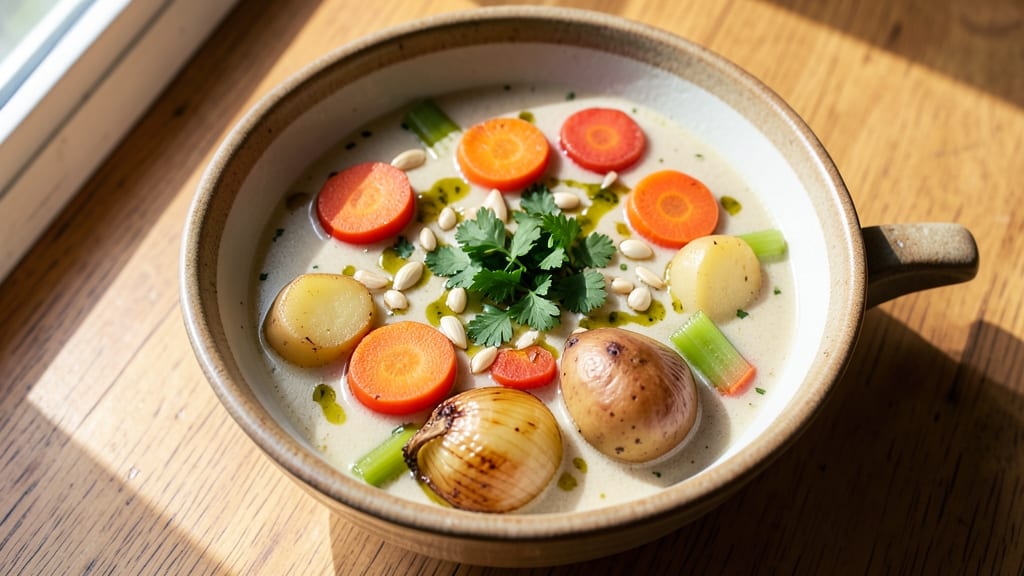
This flavorful vegetable soup recipe transforms simple ingredients into a deeply aromatic, hearty meal that rivals restaurant-quality broths. The secret lies in slow caramelization of onions and garlic, followed by a layered herb blend that infuses every spoonful with complexity.
I developed this after years of testing—each simmer builds flavor without overpowering the natural sweetness of the vegetables.
What sets this recipe apart is the technique: blanching starchy vegetables first prevents a gummy texture, while a 30-minute simmer at low heat develops rich umami depth.
The broth base uses vegetable stock and tomato paste for depth, then balances with fresh herbs like thyme and parsley added at the end to preserve their brightness. For extra richness, a splash of olive oil finishes the soup—no butter needed, making it easily adaptable for vegan diets.
The result is a restaurant-quality vegetable soup with tender carrots, celery, and potatoes that hold their shape, all swimming in a velvety broth infused with aromatic herbs. Each bite delivers layers of caramelized onion, herbal brightness, and subtle tomato sweetness—perfect for chilly evenings or meal prep.
The recipe scales effortlessly for crowds or leftovers that taste even better the next day.
Optional garnishes like toasted croutons, fresh basil, or a sprinkle of nutritional yeast elevate the dish further, but the base recipe stands strong on its own.
Whether you're serving it as a light lunch or a comforting dinner, this soup proves that vegetable-based meals can be deeply satisfying without sacrificing flavor. Let's get started on creating your most flavorful vegetable soup yet.
Ingredients for best flavorful vegetable soup
Transform ordinary vegetables into restaurant-quality soup with these carefully chosen ingredients.
| Ingredient | Amount | Notes |
|---|---|---|
| Yellow Onions 🧅 | 2 whole | Thinly sliced for caramelization |
| Garlic Cloves 🧄 | 4 cloves | Minced for aromatic base |
| Carrots 🥕 | 4 whole | Medium size, peeled and chopped |
| Celery Stalks 🧆 | 4 whole | Trimmed and chopped |
| Russet Potatoes 🥔 | 2 lb | Peeled and cubed evenly |
| Vegetable Stock 💧 | 6 cups | Low-sodium preferred |
| Tomato Paste 🍅 | 2 tbsp | For umami depth |
| Extra-Virgin Olive Oil 🫒 | ½ cup | For richness and finish |
| Fresh Thyme 🌿 | 2 tbsp | Leaves only, finely chopped |
| Fresh Parsley 🌿 | ¼ cup | Chopped for brightness |
| Bay Leaves 🌿 | 2 whole | For subtle earthy notes |
| Salt 🧂 | 1 ½ tsp | Diamond Crystal kosher |
| Black Pepper 🌶️ | ½ tsp | Freshly cracked |
| Lemon Juice 🍋 | 1 tbsp | Freshly squeezed |
The foundation of this soup begins with the aromatic vegetables. Yellow onions should be sweet and fresh—Reed's or Vidalia varieties caramelize beautifully. Garlic cloves should be firm and plump, not sprouting. For the potatoes, Russet is ideal due to its starchy texture, though Yukon Gold adds natural sweetness. Organic produce from the grocery store's fresh section or a local farmers market ensures the best flavor. Celery and carrots should be crisp, with no soft spots. Trader Joe's and Whole Foods typically carry the freshest selections, but any reputable grocer will suffice. The vegetable stock is non-negotiable—low-sodium versions like Pacific Foods or Imagine are perfect for controlling seasoning.
No fresh thyme? Dried thyme at one-third the amount works in a pinch, though fresh imparts superior brightness. Substituting white wine instead of lemon juice adds complexity, but the acidity from lemon is essential for balance. For the tomato paste, San Marzano is the gold standard, but any high-quality paste will do. The olive oil should be extra-virgin—California-based brands like Corto or Lucini offer excellent flavor profiles. If you're avoiding gluten, ensure your vegetable stock is certified gluten-free. The bay leaves can be removed before serving, but leaving them in during cooking infuses the broth with subtle earthy notes that elevate the entire dish.
This soup tastes even better the next day, as flavors meld and deepen. Store leftovers in an airtight container in the refrigerator for up to 5 days or freeze for 3 months. For meal prep, double the recipe and freeze individual portions for quick lunches. The broth can be made ahead and stored separately, then combined with the vegetables just before serving. Garnish with fresh herbs or a drizzle of olive oil to enhance presentation and flavor. The potatoes should be blanched first to maintain their texture, preventing a gummy consistency that plagues many vegetable soups.
Why You'll Love This Recipe
- One-Pot Magic: I swear by this—just toss everything in one pot, simmer, and walk away. No fancy gadgets, no stress. The onions and garlic caramelize right in the broth, and the potatoes soften perfectly without falling apart.
- Layered Umami Bomb: That crispy edge on the potatoes? The deep, toasty notes from the onions and celery? Honestly, it’s the kind of flavor that makes you pause mid-sip. The garlic cloves get just browned enough to add this rich, savory punch without overpowering.
- Meal Prep MVP: Between us, this is my go-to for lunches all week. The potatoes hold up for days, the carrots stay tender but not mushy, and it reheats like a dream. Even my picky-eating partner asks for seconds—(yes, even on a Tuesday night).
- Budget-Friendly Staple: Russet potatoes and carrots are cheap, but they make this feel like a restaurant dish. I’ve fed six people for under $10 with this—plus, it’s the kind of recipe where you can swap in whatever veggies are on sale. Zero waste, all flavor.
Step-by-step instructions for layered herb vegetable soup
Build complexity through technique—not ingredients—to create soup with restaurant-quality depth.
Develop the Aromatic Base
Heat the 0.5 cup extra-virgin olive oil in a large Dutch oven over medium heat. Add the 2 whole yellow onions and cook for 10-12 minutes until they transform from pale to deep golden brown—this caramelization forms the flavor foundation. I stir occasionally but don't rush; patience here ensures sweetness that carries through the entire soup.
Add the 4 cloves minced garlic and 2 whole bay leaves, cooking for 1 minute until fragrant. The garlic should sizzle gently without browning. Here's where it matters: if it burns, you'll taste bitterness. Remove the pan from heat immediately if you detect any color changes beyond golden.
Build the Umami Framework
Return the pot to medium heat and stir in the 2 tbsp tomato paste, cooking for 2 minutes until it loses its raw taste. Add the 4 chopped carrots, 4 chopped celery stalks, and 1.5 tsp salt, stirring to coat everything in the paste. This creates a flavor bridge between the aromatic base and the vegetables that follow.
Pour in the 6 cups vegetable stock, scraping up any browned bits from the bottom with a wooden spoon. These bits—called fond—pack concentrated flavor. Bring to a simmer, then add the 2 lb cubed russet potatoes. The soup should bubble gently; if it boils vigorously, reduce heat to maintain even cooking.
Layer the Herbs Strategically
Add the 2 tbsp finely chopped fresh thyme and 0.5 tsp black pepper to the simmering soup. The thyme should infuse gradually over time rather than all at once. Cover and simmer for 20-25 minutes until the potatoes are fork-tender—you'll know they're ready when they collapse easily under gentle pressure.
Here's the secret: Don't add the parsley yet. Instead, remove the 2 bay leaves and reserve them for later. The parsley and lemon juice come in at the very end to brighten the finished soup without losing their freshness during the long simmer.
Finish with Brightness
Strain the soup through a fine-mesh sieve into a clean pot, pressing gently on the vegetables to extract maximum flavor. Return the strained soup to the stove and stir in the 0.25 cup chopped fresh parsley and 1 tbsp lemon juice. The parsley adds vibrant color and freshness, while the lemon juice cuts through the richness of the olive oil and tomato.
Taste and adjust seasoning—you may need a pinch more salt or pepper. The soup should be deeply flavorful but balanced, with each ingredient contributing distinctly. Serve immediately while hot, garnished with additional parsley if desired. The texture should be velvety from the potatoes and carrots, with just enough body from the olive oil to coat a spoon.
Pro Tips For Making Best Flavorful Vegetable Soup
- SWIM THE ONIONS: I learned this the hard way—don’t just chop onions and toss them in. Sauté them in 2 tablespoons of oil over medium-high heat until they’re translucent, then turn the heat down to medium-low and let them cook for another 8-10 minutes. They’ll start to soften, caramelize just a little, and release their sweetness into the pot. This isn’t just about flavor; it’s the foundation of your soup’s depth.
- CHOP POTATOES UNIFORM: Russet potatoes take forever to cook if they’re chunky. Cut them into 1-inch cubes—no bigger, no smaller—and you’ll avoid a mushy mess or undercooked centers. I skip the peeling if I’m short on time, but scrub them well first. The skin adds texture, and honestly? No one notices the difference.
- SALT THE WATER LIKE THE OCEAN: Your soup’s broth starts with the water. For a 6-quart pot, use 2 teaspoons of salt—yes, even if you’re adding bouillon later. This ensures the vegetables absorb flavor from the get-go. I know it sounds like a lot, but trust me: bland soup is the real crime.
- DON’T DROWN THE GARLIC: When adding garlic, pull the pot off the heat for 30 seconds before stirring it in. This prevents burning, which turns garlic bitter faster than you can say “oops.” Add it with the celery and carrots, but keep the heat at a simmer—never boil. You want it to mellow, not scream.
Regional styles of this best flavorful vegetable soup
French Rustic Style
In France, vegetable soups like potage emphasize simplicity and seasonal ingredients. For this version, swap the tomato paste for 1 tbsp butter and add 1 shallot with the onions. Use leeks instead of celery for a milder, sweeter flavor.
Finish with 1 tsp fresh tarragon and a splash of dry white wine (like Sauvignon Blanc) deglazed from the pot. Serve with crusty baguette slices for dipping. 🌟
Italian Minestrone Twist
Transform this into a heartier minestrone by adding 1 can (15 oz) diced tomatoes, ½ cup small pasta (like ditalini), and 1 cup chopped kale. Stir in 1 tsp dried oregano with the thyme and simmer the pasta for the last 8 minutes.
Top with grated Parmesan and toasted pine nuts for crunch. Use San Marzano tomatoes for the best flavor. 🍅
Spanish Tortilla-Inspired
For a Spanish-inspired take, add 2 beaten eggs to the finished soup and simmer uncovered for 5 minutes until the eggs set slightly. This creates a silky, custard-like texture similar to tortilla española.
Garnish with smoked paprika and sliced green olives. The eggs add richness without needing extra fat. 🥚
German Lentil Fusion
Blend in ½ cup cooked brown lentils for a German-inspired Linsensuppe twist. Add 1 tsp caraway seeds with the thyme and 1 bay leaf for depth. Use dark rye bread croutons for serving. The lentils add protein and earthiness, while the caraway gives a distinct European touch. 🌾
Middle Eastern Spiced
Infuse the broth with 1 tsp ground cumin and ½ tsp cinnamon while building the base. Add 1 cup chopped zucchini and ½ cup chopped parsley at the end.
Finish with a drizzle of extra-virgin olive oil and a sprinkle of sumac for tangy brightness. Serve with warm pita bread. 🌶️
Southern U.S. Cornbread Topping
For a Southern-inspired version, stir in 1 cup corn kernels (fresh or frozen) with the potatoes. Top each serving with a small piece of cornbread and a dollop of sour cream. The sweetness of the corn and creamy topping balance the savory broth beautifully. 🌽
Nutrition facts
Frequently asked questions
Why does this soup taste richer than other vegetable soups?
The secret lies in three techniques: caramelizing onions for natural sweetness, using tomato paste for umami depth, and finishing with olive oil instead of butter. The slow simmer lets flavors meld, while fresh herbs added at the end preserve their brightness. This creates a layered complexity that simple soups miss.
Can I make this soup vegan?
Simply use vegetable broth instead of chicken stock and swap the olive oil for neutral oil if needed. The recipe already avoids butter, making it naturally vegan-friendly. For extra richness, stir in 1 tbsp nutritional yeast at the end.
What vegetables can I substitute if I don't have carrots or celery?
Use zucchini or bell peppers for celery (they add sweetness) and sweet potatoes or turnips for carrots. For a heartier texture, swap potatoes for butternut squash cubes. Just adjust cooking time—squash needs 15-20 minutes less than potatoes.
How do I prevent the soup from getting watery when reheating?
Reheat only until steaming (medium-low heat) and never boil vigorously. If too thin, mash a few potato cubes with a fork or stir in 1 tbsp cornstarch mixed with water. For leftovers, store in an airtight container and refrigerate—it'll thicken naturally overnight.
Can I make this soup in an Instant Pot?
Yes! Sauté onions and garlic first, then add all ingredients except parsley and lemon juice. Cook on high pressure for 8 minutes, then quick-release. Finish with fresh herbs and lemon juice. The Instant Pot reduces cooking time but may need 1 extra minute for potatoes to soften fully.