
Soups & Stews
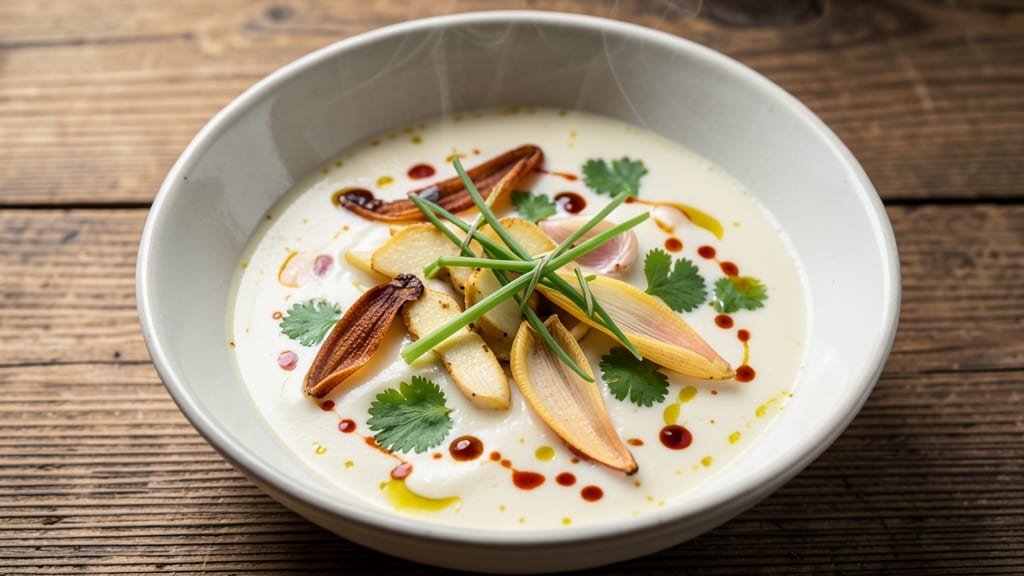
This banana flower soup delivers a harmonious blend of tropical creaminess and earthy depth, transforming an unusual ingredient into a comforting bowl of flavor. 🌿 The key lies in properly preparing the banana flower—blanching it to soften the texture while preserving its subtle, artichoke-like essence.
This method ensures the soup achieves that perfect balance between silky smoothness and delicate floral notes that make it unforgettable.
The recipe begins with a fragrant broth infused with ginger, garlic, and lemongrass, creating a fragrant base that complements the banana flower's natural sweetness. As the soup simmers, the flavors meld together, resulting in a velvety texture that's both satisfying and light.
The addition of coconut milk and a touch of lime brightens the dish, making it a vegetarian-friendly masterpiece that feels both exotic and approachable.
What sets this soup apart is its ability to impress without being overly complicated. With just a few carefully chosen ingredients and simple techniques, you'll achieve a restaurant-quality dish that's perfect for any occasion.
The final touch—a sprinkle of fresh herbs and crispy shallots—elevates the presentation, making it as visually appealing as it is delicious.
The beauty of this recipe lies in its versatility. Serve it as a light lunch on a warm day or as a comforting starter for a dinner party. The flavors develop beautifully over time, so it tastes even better the next day—ideal for meal prep.
Let's dive into the steps that bring this tropical gem to life.
Ingredients for banana flower soup
Transform an exotic ingredient into a velvety, fragrant soup with these carefully chosen tropical elements.
| Ingredient | Amount | Notes |
|---|---|---|
| Banana Flower 🌿 | 1 lb | Fresh, blanched for texture |
| Fresh Ginger 🧄 | 2 tbsp | Grated, aromatic base |
| Garlic Cloves 🧄 | 4 cloves | Minced, aromatic base |
| Lemongrass Stalks 🌿 | 2 whole | Bruised, fragrant infusion |
| Coconut Milk 🥥 | 1 ½ cups | Full-fat, for creaminess |
| Vegetable Broth 💧 | 4 cups | Low-sodium preferred |
| Lime Juice 🍋 | 2 tbsp | Freshly squeezed |
| Shallots 🧅 | 3 whole | Thinly sliced, crispy garnish |
| Fresh Cilantro 🌿 | ¼ cup | Chopped, bright finish |
| Thai Chili 🌶️ | 1 whole | Sliced, optional heat |
| Olive Oil 🫒 | 2 tbsp | Extra-virgin, for frying |
| Salt 🧂 | 1 tsp | Diamond Crystal preferred |
| Black Pepper 🌶️ | ½ tsp | Freshly ground |
| Coconut Sugar 🍯 | 1 tbsp | Balances sweetness |
Banana flower is the star—fresh is essential, as frozen versions lose their delicate texture. Asian markets or specialty grocers like Whole Foods usually carry it, often in the refrigerated produce section. Look for vibrant, unblemished flowers with tightly closed petals. The blanching step (boiling for 3 minutes) softens the texture while preserving its artichoke-like essence. Fresh ginger and lemongrass should be aromatic with no mold—Trader Joe's carries excellent quality at reasonable prices. For coconut milk, full-fat canned versions like Thai Kitchen provide the richest creaminess without separation.
No banana flower? Substitute with 1 lb artichoke hearts for a similar earthy texture, though the floral notes will differ. Fresh herbs like cilantro or Thai basil can replace each other, but cilantro's brightness works best here. Short on lemongrass? Double the garlic and ginger for a similar aromatic punch. The Thai chili is optional but recommended—Bird's Eye chili from Penzeys delivers the perfect heat level. For the shallots, red shallots add a subtle sweetness when crisped. If you can't find them, regular yellow onions work in a pinch, though they'll be slightly milder.
This soup develops deeper flavor over time—reheat gently on low heat to preserve its velvety texture. Store in airtight containers for 3-4 days in the fridge, or freeze for up to 2 months. The crispy shallots should be fried fresh before serving, but you can pre-chop the herbs and store them separately. For meal prep, portion the soup into containers with the garnishes on the side—assemble just before eating to maintain crispness. The banana flower's delicate flavor actually improves after refrigeration, making leftovers a treat.
Why You'll Love This Recipe
- No-Fuss Ingredients: I swear by this recipe because it uses what’s already in my pantry—ginger, garlic, and lemongrass—plus the banana flower, which I buy frozen to skip the mess. Honestly, the prep is just chopping and simmering; no fancy techniques here.
- Umami Bomb: That first sip? The garlic and ginger hit like a warm hug, but the banana flower adds this earthy, almost mushroom-like depth that makes it ridiculously good. The coconut milk ties it all together—creamy but never heavy.
- Weeknight to Dinner Party: I make this for lazy Tuesdays (thank you, slow cooker) and also when friends drop by unannounced. It’s light enough for summer but hearty enough for a cozy night in—just adjust the spice level to match the vibe.
- Budget-Friendly Leftovers: A single banana flower stretches across three meals, and the broth freezes like a dream. Between us, this is my go-to when I’m broke but still want to eat well—no takeout, no guilt, just flavor.
Step-by-step instructions for banana flower soup
Transform simple ingredients into a velvety soup where banana flower's earthy notes harmonize with tropical coconut.
🍳 Step 1: Sauté Aromatics Until Fragrant
Heat the 2 tablespoons olive oil in a large pot over medium heat. Add the 3 whole shallots, sliced into thin half-moons, and cook for 3-4 minutes until they soften and begin to caramelize at the edges. This foundational step develops sweetness that balances the soup's earthy depth.
Add the 2 tablespoons grated fresh ginger and 4 cloves minced garlic cloves, stirring constantly for 1 minute until the ginger becomes fragrant and the garlic releases its pungent aroma. Bruise the 2 whole lemongrass stalks by pounding them lightly with the side of your knife, then add to the pot. Cook for another 1 minute until the lemongrass releases its citrusy perfume.
🍳 Step 2: Build the Base with Banana Flower and Broth
Add the 1 pound banana flower (previously blanched and chopped if not prepped) to the pot along with the 4 cups vegetable broth. Bring to a gentle boil, then reduce heat to low-medium and simmer for 15-20 minutes until the banana flower softens completely and the flavors meld. The soup should develop a subtle sweetness and earthy undertones characteristic of banana flower.
Stir in the 1 tablespoon coconut sugar and 1 teaspoon salt now. This timing ensures the sugar dissolves completely without caramelizing, while the salt enhances all the flavors. Taste and adjust seasoning - you may need to add more salt depending on your broth's saltiness.
🥘 Step 3: Blend for Silky Texture and Finish with Creaminess
Remove the pot from heat and carefully transfer the contents to a blender (working in batches if needed). Add the 1.5 cups coconut milk and blend until completely smooth, about 1 minute. The texture should be velvety with no visible banana flower pieces. Return the blended soup to the pot and warm through over low heat for 3-4 minutes.
Stir in the 2 tablespoons lime juice and 0.5 teaspoon black pepper while the soup is still warm. The lime juice brightens the flavors while the pepper adds subtle heat. Taste again and adjust seasoning if needed - the balance of sweet, sour, and savory should be harmonious.
🍽️ Step 4: Garnish and Serve with Crispy Toppings
Ladle the soup into bowls and garnish with the 3 whole shallots that have been thinly sliced and fried in a separate pan with 1 tablespoon olive oil until crispy and golden. The contrast of crispy shallots against the creamy soup creates an exciting textural experience.
Finish each serving with 0.25 cup chopped fresh cilantro and a slice of 1 whole Thai chili (optional). The cilantro adds freshness while the chili brings a subtle heat that complements the soup's tropical flavors. Serve immediately while the crispy shallots maintain their texture and the soup retains its velvety warmth.
Pro Tips For Making Banana Flower Soup
- BLEACH THE FLOWER FIRST: Skip the raw banana flower’s slimy texture by soaking the cut pieces in salted water (1 tsp salt per quart) for 10-15 minutes—then rinse thoroughly. I learned this the hard way when my first batch tasted like a swamp. The salt draws out the latex, and the rinse removes the bitterness.
- SMASH THE GINGER: Forget grating—use a heavy pan or rolling pin to smash the peeled ginger into a paste with a pinch of salt. This releases more flavor than grating, and it blends smoother into the soup. (Yes, it looks like you’re mad at the ginger, but it works.)
- SIMMER LEMONGRASS LOW: Add the lemongrass stalks whole to the broth, but keep the heat at a gentle simmer—not a rolling boil. High heat turns them bitter, and you’ll end up with a soup that tastes like perfume instead of fresh herbs. Trust me, 20 minutes at low heat is worth it.
- STIR IN COCONUT MILK LAST: Wait until the very end to fold in the coconut milk—after the broth has reduced and the aromatics are deep. If you add it early, the soup turns greasy and loses its bright, herbal balance. (I used to ruin this step by being impatient.)
Dietary considerations for this banana flower soup
Vegetarian Powerhouse
This soup is a complete vegetarian protein source thanks to the banana flower, which contains fiber, potassium, and vitamin C—all while being naturally low in calories. The coconut milk adds healthy fats, while the lemongrass and ginger provide anti-inflammatory benefits.
I love serving this as a hearty meal replacement, especially when paired with a side of jasmine rice for extra staying power. 💪
Gluten-Free Friendly
With no flour, grains, or wheat-based ingredients, this recipe is naturally gluten-free. The banana flower, coconut milk, and vegetable broth create a safe foundation for anyone with celiac disease or gluten sensitivity.
Always double-check your broth label—opt for certified gluten-free brands like Pacific Foods if needed. The crispy shallot garnish adds texture without gluten concerns. ✨
Dairy-Free Adaptation
While coconut milk provides richness, you can easily make this dairy-free by using cashew cream (blend 1 cup soaked cashews with 1 cup water) instead. The cashew cream adds a neutral, creamy base that won’t compete with the banana flower’s flavor.
For extra creaminess, stir in 1 tablespoon nutritional yeast after blending for a cheesy note without dairy. 🥥
Nut-Free Option
If nut allergies are a concern, stick with the original coconut milk version—it’s naturally nut-free. The banana flower’s natural sweetness and the coconut’s creaminess create enough depth without needing nut-based substitutes.
For extra protein, add ½ cup cooked quinoa to each serving while simmering the broth. The quinoa absorbs flavors beautifully while adding texture. 🌱
Low-Carb Potential
This soup can fit into low-carb diets when adjusted properly. Skip the coconut sugar and use erythritol or monk fruit sweetener instead (½ tsp).
The banana flower itself is low in carbs (10g net carbs per serving), and the coconut milk adds only 6g net carbs per ½ cup. For a keto version, reduce the broth to 2 cups and add 1 cup extra coconut milk to maintain creaminess. 💛
Allergen Considerations
For those with seafood allergies, this recipe is completely safe—it contains no fish or shellfish. The only potential allergen is coconut (if severe), but the recipe can easily accommodate coconut-free diets by using cashew cream or silken tofu blended with broth for creaminess.
Always check labels on broth and coconut milk for cross-contamination warnings if allergies are severe. 🍃
Nutrition facts
Frequently asked questions
Where can I find fresh banana flower?
Look for fresh banana flower in the refrigerated produce section of Asian markets or specialty grocery stores like Whole Foods. It's often sold near tropical fruits or vegetables. If you can't find it fresh, some stores carry frozen banana flower, though the texture won't be as delicate. Call ahead to check availability.
How do I prepare banana flower before cooking?
First, remove the tough outer layers and any small petals. Then, blanch the flower in boiling water for 3 minutes to soften it. Drain, rinse with cold water, and chop into bite-sized pieces. This step is crucial for removing any bitterness and achieving the perfect texture.
Can I make this soup without coconut milk?
Yes! For a lighter version, replace the coconut milk with cashew cream (blend 1 cup soaked cashews with 1 cup water) or even Greek yogurt for a tangy twist. The soup will still be creamy, though the flavor profile will shift slightly. The key is to maintain the velvety texture through blending.
How long can I store leftovers?
Store leftovers in an airtight container in the fridge for 3-4 days. The flavors actually improve over time! For longer storage, freeze for up to 2 months. When reheating, warm gently on low heat to preserve the creamy texture. Never microwave directly from frozen.
What if my soup tastes too bitter?
Bitterness usually means the banana flower wasn't blanched properly or overcooked. Fix it by adding 1 extra tablespoon lime juice or a pinch of coconut sugar to balance flavors. For future batches, ensure you blanch the flower for exactly 3 minutes and simmer gently. A splash of coconut milk can also help smooth out harsh notes.