
Soups & Stews
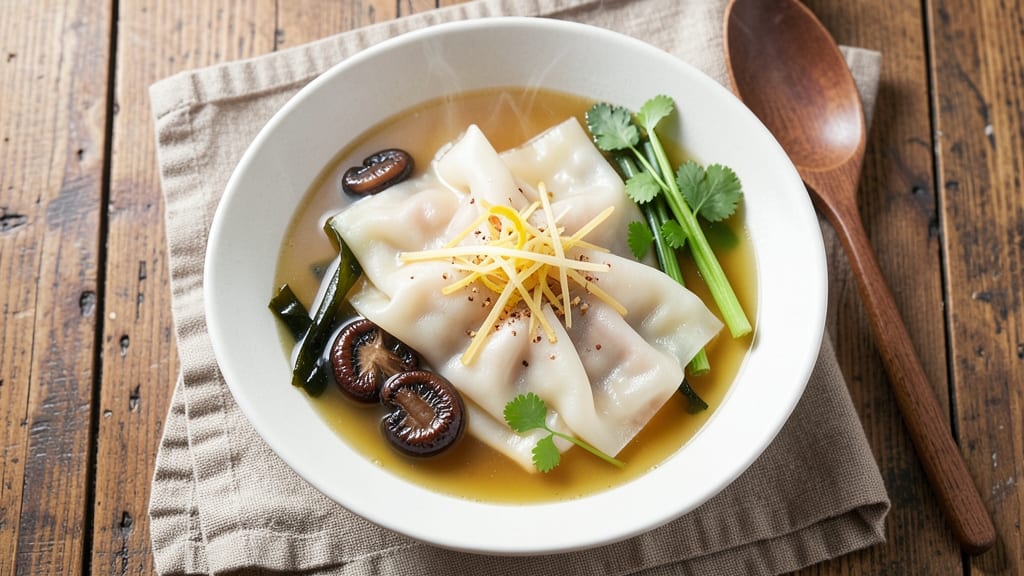
This bean curd skin soup recipe transforms humble ingredients into a dish where delicate textures meet deep umami flavors. The secret lies in carefully preparing the bean curd skin—first blanched until pliable, then fried to achieve that signature crispy edge while keeping the center tender.
Every spoonful delivers a perfect balance: silky broth infused with ginger and scallions, contrasting with the satisfying crunch of the skin.
What sets this recipe apart is the slow-simmered broth, where dried shiitake mushrooms and kombu seaweed build complex, earthy depth over time.
Traditional techniques like double-boiling the broth ensure clarity while extracting maximum flavor, while modern twists—like adding a splash of rice vinegar or sesame oil—elevate the dish without compromising authenticity. The result is a soup that feels both comforting and sophisticated.
By the time you serve it, you'll have a bowl that's visually stunning with its layered textures and aromas—golden crispy edges floating in a cloudy, fragrant broth. The earthy notes from the mushrooms and bean curd skin pair beautifully with the bright, fresh garnish of scallions and cilantro.
This is a recipe that honors tradition while offering room for personal creativity.
The beauty of this soup lies in its versatility—serve it as a light lunch with steamed rice or as a hearty starter for a dinner spread. The broth can be made ahead and reheated, making it perfect for meal prep.
Whether you're introducing someone to this classic or perfecting your own technique, this recipe delivers restaurant-quality results at home.
Ingredients for bean curd skin soup
Transform humble ingredients into a soup where delicate textures meet deep umami flavors.
| Ingredient | Amount | Notes |
|---|---|---|
| Bean Curd Skin (Dougan) 🧇 | ½ lb | Dried, rehydrated in water |
| Dried Shiitake Mushrooms 🍄 | ¼ lb | Stems removed, rehydrated |
| Kombu Seaweed 🌊 | 2 pieces | Dried, 6x6 inch sheets |
| Fresh Ginger Root 🧅 | 1 ½ oz | Peeled, sliced into coins |
| Green Onions (Scallions) 🧅 | ½ lb | White and green parts separated |
| Fresh Cilantro 🌿 | ¼ cup | Leaves chopped, stems minced |
| Rice Vinegar 🍶 | 2 tbsp | Seasoned variety preferred |
| Sesame Oil 🫒 | 1 tbsp | Toasted, for finishing |
| Vegetable Oil 🫒 | ½ cup | For frying bean curd skin |
| Dashi Powder 🍜 | 1 tbsp | Vegan kombu-based preferred |
| White Miso Paste 🍶 | 1 tbsp | For umami depth |
| Toasted Sesame Seeds 🌰 | 1 tsp | For garnish |
| Sea Salt 🧂 | 1 tsp | Diamond Crystal preferred |
| White Pepper 🌶️ | ¼ tsp | Freshly ground |
The bean curd skin is the star—look for dried dougan at Asian markets or online specialty stores. If you can't find it, firm tofu skins work in a pinch, though the texture won't be identical. For the kombu, buy dried sheets from a reputable brand like Marukome—they should smell oceanic, not fishy. The dried shiitake mushrooms should be plump and dark brown; avoid any that smell musty. Fresh ginger is non-negotiable here—the peel should be smooth and glossy, with no soft spots. If you're prepping ahead, store the dried ingredients in an airtight container away from light.
No kombu? Dulse flakes at half the amount will add a similar briny depth, though the texture will differ. Running short on bean curd skin? Extra-firm tofu pressed and sliced thin can substitute, though it won't achieve the same crispy edge. For the ginger, powdered works at one-third the amount, but fresh is ideal for that bright, zesty punch. The scallions and cilantro can be swapped—green onions for scallions, parsley for cilantro—but the white and green parts should stay separated for proper layering. If you're using pre-minced garlic from a jar, drain and rinse it thoroughly to remove excess oil.
The broth keeps beautifully—3-4 days in the fridge or 3 months frozen. For freezing, portion into ice cube trays before transferring to a bag. The bean curd skin loses crispness when reheated, so fry fresh portions just before serving. Store dried ingredients like kombu and mushrooms in a cool, dark place for up to 6 months. Fresh ginger lasts 2 weeks in the fridge or 6 months frozen. The miso paste should be refrigerated after opening and used within 6 months for peak flavor.
Why You'll Love This Recipe
- Five-Minute Soak: I swear by this trick—just toss dried shiitake and kombu in hot water for five minutes, and you’ve got umami gold. No chopping, no fuss, and the broth builds flavor while you prep the rest.
- Umami Bomb Combo: That crispy bean curd skin? It’s like a chewy, savory hug in every bite. The ginger and shiitake add depth, but the kombu? It’s the secret—salty, briny, and makes the whole soup sing.
- Lunchbox Hero: Pack this warm or cold—it’s perfect for work lunches or kids’ school meals. The bean curd skin holds up better than you’d think, and the scallions add freshness even after reheating.
- Pantry Magic: I make this when I’m broke or lazy—both work. Dried mushrooms and kombu last forever, and a single sheet of bean curd skin stretches into multiple servings. Budget win, zero waste.
Step-by-step instructions for bean curd skin soup
This method delivers the perfect balance of crispy bean curd skin and silky broth every time.
Rehydrate and Prepare the Bean Curd Skin
Place the 0.5 lb bean curd skin (Dougan) in a large bowl and cover completely with cold water. Let it soak for 30 minutes until fully rehydrated and pliable. Gently squeeze out excess water without tearing the delicate sheets.
While the bean curd skin soaks, prepare the 0.25 lb dried shiitake mushrooms by removing stems and placing them in a separate bowl. Cover with hot water and let soak for 20 minutes until softened. The mushrooms should expand noticeably and become pliable.
Create the Umami Broth Base
In a large pot, combine 2 pieces kombu seaweed, 1.5 oz sliced ginger root, 1 tbsp dashi powder, and 1 tbsp white miso paste. Add 8 cups cold water and bring to a gentle simmer over medium heat. Let it cook for 10 minutes until the kombu releases its oceanic depth and the ginger infuses the broth.
Remove the kombu sheets immediately after simmering—they'll become bitter if left too long. Strain the broth through a fine-mesh sieve into a clean pot, pressing gently on the solids to extract maximum flavor. The resulting broth should be clear with rich umami notes and ready for the next stage.
Fry the Bean Curd Skin for Crispy Edges
Heat 0.5 cup vegetable oil in a clean skillet over medium-high heat until shimmering. Working in batches, carefully place the rehydrated bean curd skin sheets into the oil. Fry for 30-45 seconds per side until the edges turn golden brown and crispy while maintaining a tender center.
Remove the fried bean curd skin and drain on paper towels. The key here is timing—if fried too long, they'll become brittle; too short, they'll stay soft. You want that contrast of crispy edges and silky interior that defines this dish.
Assemble and Simmer the Soup
Return the strained broth to the pot and bring to a gentle simmer. Add the rehydrated shiitake mushrooms (sliced) and white parts of 0.5 lb green onions (cut into 1-inch pieces). Simmer for 5 minutes to infuse the mushrooms' earthy flavor into the broth.
Add the fried bean curd skin and simmer for an additional 3 minutes—just enough to warm through without losing the crispy texture. The soup should now have a rich, silky consistency with visible layers of texture from the bean curd skin.
Finish with Fresh Aromatics and Garnish
Remove the soup from heat and stir in 2 tbsp rice vinegar and 1 tbsp sesame oil. This brightens the dish with tangy contrast against the umami depth. Add the green parts of green onions (cut into 1-inch pieces) and 0.25 cup chopped cilantro leaves for freshness.
Ladle the soup into bowls and garnish each serving with 1 tsp toasted sesame seeds and a final sprinkle of 0.25 tsp white pepper. The contrast of crispy bean curd skin against the silky broth creates the signature texture experience of this dish.
Pro Tips For Making Bean Curd Skin Soup
- SOAK SHIITAKES SEPARATELY: Dried shiitakes need a good long soak—at least 20 minutes in hot water—to plump properly. I used to toss them in with the kombu, but they steal all the flavor if you don’t give them their own bath first. Use that soaking liquid for the broth, but strain it well—those mushrooms release grit.
- STIR THE DOUGAN GENTLY: Bean curd skin turns to mush if you’re rough with it. Once you add it to the simmering broth, give it a light stir with chopsticks or a ladle—just enough to separate the layers without tearing. Think "coaxing" not "pummeling." I learned this after watching my first batch turn into a sad, gluey lump.
- SALT THE KOMBU FIRST: Toss the kombu in cold water with a pinch of salt before heating. This draws out its umami and prevents that bitter aftertaste that sneaks in if you add it raw. My grandmother swore by this, and she was right: the soup tastes deeper right from the start. No need to overthink it—just a quick rinse and a sprinkle.
- GINGER SLICES THIN, NOT GRATED: Thin slices (1-2mm thick) infuse flavor without overpowering the delicate broth. Grated ginger releases too much heat too fast, and it disappears into the soup. I was skeptical until I tried it—now I double-check my knife work for even slices. Bonus: they’re easier to fish out if you prefer no ginger bits.
Perfect pairings for bean curd skin soup
Broth-Based Accompaniments
Pair this soup with a light miso soup—its delicate broth and fermented depth complement the bean curd skin’s crispy texture beautifully. I often serve a small bowl alongside, using the same kombu and dashi base but with thinly sliced tofu and wakame seaweed.
The contrast between the two soups highlights their individual strengths while creating a cohesive meal. 🍜
Rice Pairings
Steamed jasmine rice is the classic choice—its mild, slightly floral notes balance the soup’s umami richness. For a heartier option, try brown rice or forbidden black rice to add earthy depth.
I like to serve the soup over a small portion of rice in individual bowls, letting guests scoop it up for a satisfying bite. The rice absorbs the broth beautifully, making every spoonful more flavorful. 🍚
Crunchy Garnishes
Add toasted nori strips or crispy fried shallots as extra garnishes to enhance the soup’s texture contrast. I keep a small bowl of nori on the table so guests can tear pieces and add them to their bowls.
The nori’s oceanic flavor echoes the kombu in the broth, creating a harmonious taste experience. For fried shallots, use Kikkoman brand—they’re perfectly balanced between sweet and savory. 🌿
Dipping Sauces
Prepare a simple sesame-ginger dipping sauce by whisking together 1 tbsp toasted sesame paste, 1 tbsp rice vinegar, ½ tsp grated ginger, and 1 tsp maple syrup. This sauce adds a bright, tangy contrast to the soup’s rich flavors.
I serve it in small bowls on the side so guests can dip the bean curd skin for an extra burst of flavor. 🥄
Vegetable Sides
Light, fresh sides like steamed bok choy or quick-pickled cucumbers cut through the soup’s richness. For bok choy, blanch for 2 minutes in salted water, then finish with a drizzle of sesame oil.
The pickled cucumbers add a refreshing crunch and bright acidity. Both sides keep the meal balanced and visually appealing. 🥬
Protein Additions
For a more substantial meal, add soft tofu cubes or marinated tempeh to the soup. I like to press and cube extra-firm tofu, then pan-fry until golden. Toss it in a simple sauce of 1 tbsp soy sauce, 1 tsp sesame oil, and ½ tsp sugar.
The protein adds heartiness without overpowering the delicate flavors of the bean curd skin and broth. 🍛
Nutrition facts
Frequently asked questions
What's the secret to getting perfectly crispy bean curd skin?
Fry the rehydrated bean curd skin in batches over medium-high heat for exactly 30-45 seconds per side. The key is using enough oil to coat the bottom of the pan and maintaining consistent heat. If it browns too quickly, reduce the temperature slightly.
Can I make this soup ahead of time?
Yes! Prepare the broth up to 3 days ahead and store it in the fridge. For the bean curd skin, fry fresh portions just before serving to maintain crispiness. Reheat the broth gently on the stove, then add the fried skin at the end.
What if I can't find bean curd skin?
Use extra-firm tofu skins as a substitute, though the texture will differ. Press and slice the tofu into thin sheets, then fry until golden. For extra crispiness, coat with a light dusting of cornstarch before frying.
How do I know when the kombu is done?
Remove the kombu sheets immediately after 10 minutes of simmering—they should be soft but still slightly chewy. Leaving them longer will make the broth bitter. Press gently to extract flavor before straining.
Can I make this soup spicy?
Add ½ tsp chili crisp or 1 tsp gochujang to the broth during the final simmer. For heat, stir in 1 tsp chili oil when plating. Adjust to taste—start with less and add more gradually.