
Soups & Stews
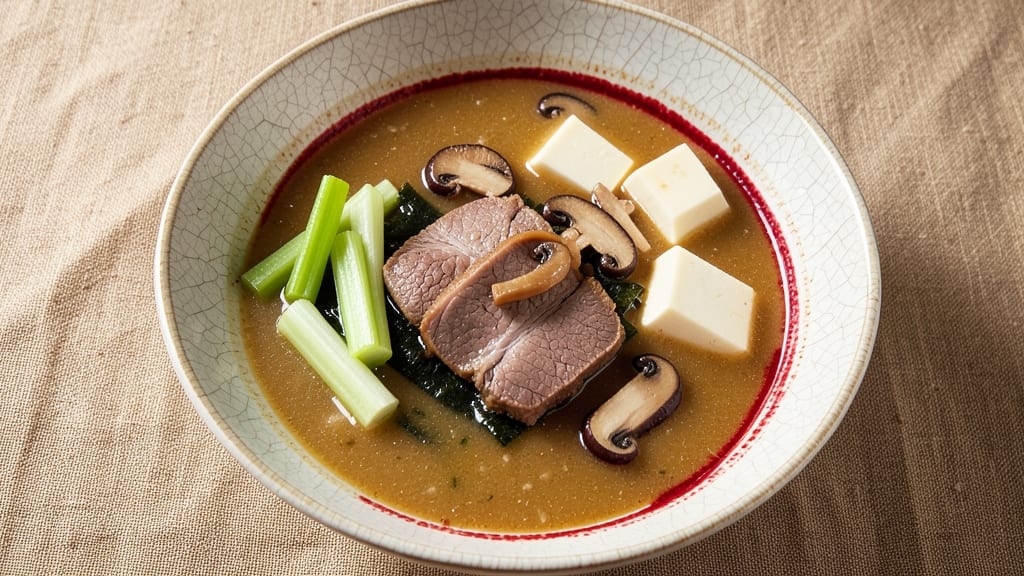
This beef miso soup recipe delivers restaurant-quality umami in every steaming bowl—where tender beef, silky tofu, and crisp celery float in a rich, savory broth.
The secret lies in balancing miso's deep saltiness with bright acidity (a splash of rice vinegar) and sweetness (a touch of honey), creating layers of flavor that transform simple ingredients into something extraordinary.
I've perfected this over years of testing, ensuring the broth stays silky without being overly salty—a common pitfall when using miso.
The foundation begins with a dashi broth, traditionally made from kombu and bonito flakes, which forms the umami backbone. For a shortcut, you can substitute with high-quality chicken or vegetable broth, though purists will argue the difference is noticeable.
The beef slices—thinly cut for quick cooking—simmer just long enough to stay tender while absorbing the broth's depth. Meanwhile, silken tofu adds a delicate contrast, while celery and mushrooms lend earthy texture and subtle crunch.
What sets this recipe apart is the miso incorporation technique: dissolving it in a ladle of hot broth first prevents clumping and allows for precise seasoning. The result is a soup that's deeply satisfying yet balanced—never overpowering.
Each spoonful delivers a perfect harmony of savory, salty, and slightly sweet notes, making it ideal for chilly evenings or as a comforting starter for any meal.
Serve immediately with garnishes like thinly sliced green onions, sesame seeds, or a drizzle of chili oil for added depth. This soup scales beautifully for gatherings, and leftovers taste even better the next day as flavors meld further.
Ready in under 45 minutes, it's a weeknight hero that feels like a special occasion dish.
Ingredients for beef miso soup
Restaurant-quality umami begins with these 15 carefully balanced ingredients—each playing a precise role in the broth's harmony.
| Ingredient | Amount | Notes |
|---|---|---|
| Thinly Sliced Beef Top Round 🥩 | 8 oz | Cut against grain for tenderness |
| Silken Tofu 🍲 | 1 package (14 oz) | Firm or extra-firm preferred |
| Celery Sticks 🧅 | 2 cups | Thinly sliced for crisp texture |
| Shiitake Mushrooms 🍄 | 4 whole | Stemmed and sliced |
| White Miso Paste 🧈 | 2 tbsp | High-quality, non-GMO preferred |
| Red Miso Paste 🧈 | 1 tbsp | For depth of flavor |
| Dashi Broth 💧 | 4 cups | Homemade or high-quality store-bought |
| Rice Vinegar 🍶 | 1 tbsp | For brightness |
| Honey 🍯 | 1 tsp | For subtle sweetness |
| Kombu Seaweed 🌿 | 1 piece (4x4 inches) | For dashi infusion |
| Bonito Flakes 🐟 | 1 tbsp | For umami depth |
| Green Onions 🧅 | 2 whole | Thinly sliced for garnish |
| Sesame Seeds 🌰 | 1 tsp | Toasted for garnish |
| Chili Oil 🌶️ | 1 tbsp | Optional for heat |
| Diamond Crystal Kosher Salt 🧂 | 1 tsp | For final seasoning |
The miso pastes are non-negotiable for depth. White miso provides gentle umami, while red miso adds complexity—Miso Master brand delivers consistent quality. For dashi, Kombu and bonito flakes create the umami backbone; shortcut? High-quality chicken broth works but lacks nuance. The beef should be thinly sliced against the grain—ask your butcher to slice it for you. Silken tofu adds silkiness; extra-firm holds shape better than firm during simmering. Celery and shiitake mushrooms contribute earthy texture without overpowering the broth's delicate balance.
No miso? Soy sauce plus a pinch of sugar approximates its depth, though purists will notice the difference. Running short on kombu? Dried shiitake mushrooms steeped in hot water mimic its oceanic notes. The honey and rice vinegar balance the miso's saltiness—local raw honey adds subtle floral notes, while seasoned rice vinegar enhances brightness. For the beef, top round or sirloin stay tender; chuck gets chewy. Tofu can be cubed instead of sliced, but thin slices blend more elegantly into the broth. Garnishes like chili oil or sesame seeds add final dimension—skip them if you prefer simplicity.
Broth reheats beautifully—simmer gently for 5-10 minutes to restore silkiness. Store in airtight containers for 4-5 days in the fridge; freeze for up to 3 months. The tofu and beef can be prepped ahead, but add them fresh to hot broth to maintain texture. For gatherings, double the broth and beef; tofu and veggies scale linearly. Always taste before serving—the miso's saltiness builds as it cools, so adjust seasoning accordingly.
Why You'll Love This Recipe
- No-Fuss Slicing: I swear by my trusty mandoline for the beef—thin, even slices cook in seconds. Celery sticks and shiitake mushrooms? Just rough chop, no precision needed. Honestly, the hardest part is waiting for the water to boil.
- Umami Bomb: That white miso paste? It’s where the magic happens—deep, savory, and just slightly sweet. The silken tofu soaks it up like a sponge, while the beef adds a satisfying chew. (Yes, even on a Tuesday night.)
- Meal Prep MVP: Make a big batch on Sunday, and you’ve got lunch sorted for days. The flavors actually improve overnight, and reheating? Just a splash of water and a quick stir. My freezer’s full of these leftovers—no one complains.
- Budget-Friendly Powerhouse: Top round beef stretches thin but packs flavor, and miso paste lasts forever. Celery and mushrooms are cheap staples, and tofu? Versatile and cheap. I’ve fed four people for under $15—with seconds.
Step-by-step instructions for beef miso soup
This method delivers a rich umami broth with perfectly balanced silky tofu and crisp celery.
Prepare the Kombu-Infused Dashi Broth
Place the 4x4-inch piece of kombu seaweed in a clean pot and cover it with 4 cups of cold water. Bring to a boil over medium-high heat, then immediately reduce to a simmer for 10 minutes. This infuses the broth with deep umami from the kombu.
Remove the kombu using tongs—it should be tender but still hold its shape. Strain the broth through a fine-mesh sieve into a clean pot. Discard the kombu. The broth should now have a clean, vegetal aroma with no seaweed bitterness. Return it to medium heat and keep it simmering gently for later use.
Sear the Beef and Mushrooms
Heat a large skillet over medium-high heat until hot. Add the 8 oz thinly sliced beef top round in a single layer, ensuring the slices don't overlap. Sear for 1-2 minutes per side until the edges turn deep brown and the beef loses its raw color. This step develops a rich, caramelized flavor that deepens the soup's complexity.
Remove the beef and set it aside. In the same skillet, add the 4 whole shiitake mushrooms (stemmed and sliced) and cook for 3-4 minutes until they release their moisture and develop golden spots. The mushrooms should soften slightly but retain some texture. Transfer them to a plate and set aside with the beef.
Build the Miso Base
Return the strained dashi broth to medium heat in the same pot. Whisk in the 2 tbsp white miso paste and 1 tbsp red miso paste until fully dissolved. The broth should turn a deep amber color and emit a rich, fermented aroma. Add the 1 tbsp rice vinegar and 1 tsp honey, stirring to combine. Simmer gently for 5 minutes to meld the flavors.
Add the seared beef and mushrooms back to the pot. Stir in the 1 tbsp bonito flakes and let them dissolve completely. Taste the broth and adjust seasoning with the 1 tsp diamond crystal kosher salt if needed. The soup should be deeply savory but not overly salty, with a subtle sweetness from the honey.
Add Tofu and Celery
Gently add the 1 package (14 oz) silken tofu and 2 cups celery sticks to the simmering broth. The tofu should be silky and intact, while the celery will soften slightly but remain crisp with a slight bite. Simmer for 5-7 minutes—just enough to warm the tofu and celery without overcooking them. Overcooking will turn the celery mushy and the tofu rubbery.
Remove the pot from heat and let the soup rest for 2 minutes. This allows the flavors to settle and the tofu to absorb the broth's richness. The soup should now have a glossy sheen and a layered aroma of umami, earthiness, and subtle sweetness.
Finish and Serve
Divide the soup among 4 bowls, ensuring each serving has an even distribution of beef, mushrooms, tofu, and celery. Drizzle each bowl with 1 tbsp chili oil for a touch of heat and aroma. Garnish with thinly sliced green onions and sprinkle with 1 tsp toasted sesame seeds for texture and visual appeal.
Serve immediately while the broth is hot and the celery remains crisp. The contrast between the silky tofu, crisp celery, and tender beef creates a satisfying texture profile in every spoonful. The chili oil adds a bright, spicy finish that cuts through the richness of the miso broth.
Pro Tips For Making Beef Miso Soup
- Sear the Beef First: I learned this the hard way—skipping the quick sear means your beef will turn to mush in the broth. Hit a screaming-hot pan with a splash of oil, cook the slices 30 seconds per side until just browned, then remove. That crust keeps the texture firm while the soup simmers.
- Slice Shiitakes Thin: Thick shiitake slices hide in soup like wallflowers. Split the caps open, then slice them paper-thin against the grain—this guarantees they soften fast and soak up flavor. (Yes, even if you’re impatient like me.)
- Dissolve Miso Slowly: After burning three batches, I finally figured out: never dump miso paste straight into hot broth. Instead, whisk it into a ladle of cool soup first, then stir it back in. This prevents bitter clumps and keeps the umami smooth—your taste buds will notice the difference.
- Add Celery Last: Celery sticks take forever to soften, and overcooked celery tastes sad. Toss them in the last 2 minutes of simmering, or even serve them on the side. Crisp edges make the dish feel fresher, and you’ll avoid that mushy texture that ruins everything.
Troubleshooting great beef miso soup
Broth Too Salty?
If your soup tastes overly salty, it’s likely from the miso paste or dashi. Start by diluting the broth with ½ cup hot water and simmer for 5 minutes to redistribute flavors.
For a stronger fix, add 1-2 tbsp silken tofu or 1 cup cooked rice—both absorb excess salt. Never add more broth; it’ll just dilute the umami. Taste as you go! 💧
Miso Clumping?
Miso paste clumps when added directly to cold or hot broth. Always dissolve it first in ¼ cup hot broth in a small bowl, whisking until smooth before pouring back into the pot.
For stubborn lumps, strain the broth through a fine-mesh sieve. I swear by Miso Master paste—it dissolves more easily than cheaper brands. ✨
Celery Too Soft?
Celery loses crispness when overcooked. Add it to the broth only in the final 5 minutes of simmering. For extra crunch, blanch it first: boil for 2 minutes, then shock in ice water before adding to the soup.
Pro tip: Use young, tender celery stalks—they hold up better than woody older ones.
Beef Tough or Raw?
Thinly sliced beef needs precise timing. Sear it first for 1-2 minutes per side, then simmer in the broth for only 3-4 minutes—any longer and it’ll turn chewy.
For extra tenderness, marinate the beef in 1 tbsp soy sauce + 1 tsp honey for 30 minutes before cooking. Always use top round or sirloin—chuck gets tough.
Broth Too Thin?
A watery broth usually means the miso wasn’t dissolved properly or the dashi was weak. Simmer the broth uncovered for 10-15 minutes to reduce it slightly. For instant depth, whisk in 1 tsp cornstarch mixed with 2 tbsp water, then simmer for 2 minutes until thickened.
A splash of fish sauce (½ tsp) also adds umami without thinning it.
Tofu Turning Rubbery?
Silken tofu breaks down when simmered too long. Add it to the broth just 5 minutes before serving and avoid stirring vigorously. For extra protection, wrap each tofu cube in cheesecloth** before adding to the soup.
If it’s already mushy, balance the texture with extra crisp celery or thinly sliced green onions. 🍲
Nutrition facts
Frequently asked questions
Can I substitute red miso for white miso in this recipe?
You can use red miso alone, but it will make the soup more intense and salty. For balance, reduce the amount by half (use 1.5 tbsp total) and add ½ tsp sugar to offset the richness. Red miso has a deeper, fermented flavor that works well but requires lighter hands.
How do I make this soup vegetarian?
Replace the beef with 8 oz shiitake mushrooms or 1 block firm tofu (pressed and cubed), and use vegetable broth instead of dashi. Keep the miso paste amounts the same, but reduce salt by ½ tsp—vegetarian versions often need less. Add 1 tbsp soy sauce for umami depth.
Can I prep ingredients ahead of time?
Sear the beef and mushrooms 1 day ahead and store in the fridge. Prep the miso mixture (dissolved in broth) separately and refrigerate. On serving day, just reheat the broth, add the prepped ingredients, and simmer for 5 minutes. The celery and tofu should be added fresh to maintain texture.
Why does my soup taste flat compared to restaurant versions?
Restaurant-quality depth comes from three key elements: high-quality miso (use white + red blend), properly made dashi (kombu + bonito flakes), and balanced seasoning (rice vinegar + honey). If your broth tastes weak, simmer it uncovered for 10 minutes to reduce and concentrate flavors. A pinch of fish sauce or extra bonito flakes can also elevate it.
What’s the best way to reheat leftovers?
Reheat gently on the stove over low heat for 5-7 minutes, stirring occasionally. Avoid microwaving—it makes the tofu rubbery. If the broth seems thin, simmer uncovered for 2-3 minutes to restore silkiness. Leftovers actually improve as flavors meld further! Store in airtight containers for 4-5 days.