
Soups & Stews
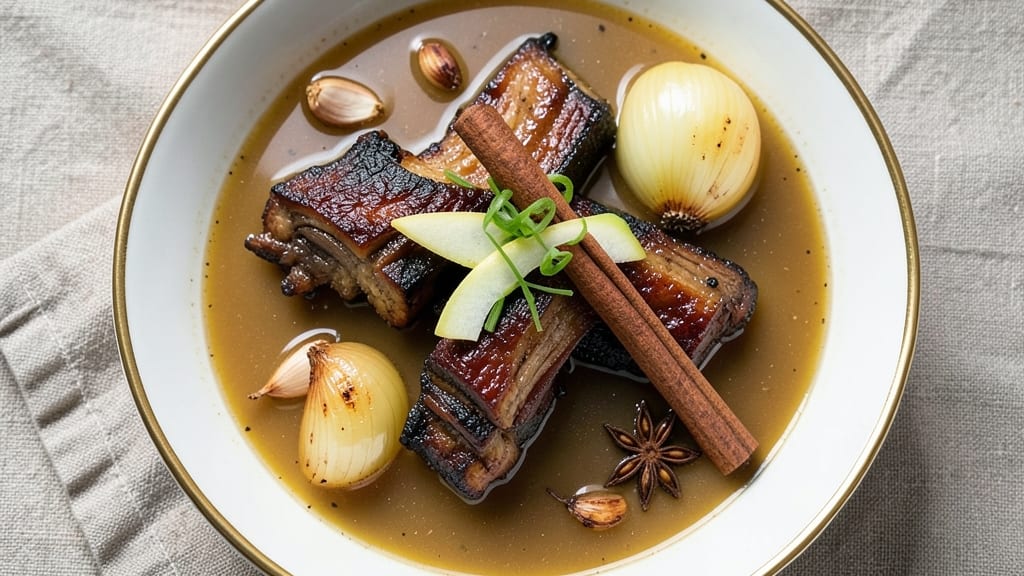
This Chinese oxtail soup recipe delivers the kind of collagen-rich broth that transforms tough oxtail into melt-in-your-mouth tenderness through slow simmering and traditional aromatics.
The secret lies in a 3-hour simmer at low heat, where oxtail releases its gelatinous goodness into a fragrant broth infused with star anise, cinnamon, and ginger—each ingredient playing its part in building depth.
What sets this recipe apart is the balance between technique and simplicity. You'll start with oxtail pieces that gradually break down into succulent, fork-tender morsels while the broth develops a velvety texture and rich umami flavor.
The aromatics—ginger, garlic, and spices—are toasted first to unlock their full potential, creating layers of warmth that define authentic Chinese soups.
By the time you serve this soup, you'll have a restaurant-quality dish that's both comforting and impressive. The broth will be so rich it coats every spoonful, while the oxtail offers that satisfying resistance before giving way to tender perfection.
Pair it with steamed rice and quick-pickled vegetables for a complete meal that feels like a homecoming.
This recipe isn't just about the result—it's about the process. The slow cooking transforms simple ingredients into something extraordinary, proving that patience in the kitchen pays off in flavors that linger. Whether you're feeding a family or treating yourself, this oxtail soup delivers on every level.
Ingredients for chinese oxtail soup
Transform tough oxtail into velvety broth with these traditional Chinese ingredients—each playing its part in depth.
| Ingredient | Amount | Notes |
|---|---|---|
| Oxtail Pieces 🦬 | 2 lb | Bone-in, cut into 2-inch lengths |
| Yellow Onion 🧅 | 1 whole | Cut into 1-inch chunks |
| Garlic Cloves 🧄 | 8 cloves | Smashed but not minced |
| Fresh Ginger 🌿 | ½ cup | Finely grated, skin removed |
| Star Anise Pods 🌶️ | 4 whole | Whole, not ground |
| Cinnamon Sticks 🌿 | 2 whole | 2-inch lengths preferred |
| Dried Bay Leaves 🍃 | 2 whole | Fresh preferred if available |
| Soy Sauce 🍶 | ½ cup | Dark soy preferred for color |
| Shaoxing Wine 🍷 | ¼ cup | Substitute dry sherry if unavailable |
| Chicken Stock 💧 | 6 cups | Homemade preferred, low-sodium |
| Cornstarch 🌾 | 1 tbsp | For thickening broth |
| Water 💧 | 2 cups | For cornstarch slurry |
| Diamond Crystal Kosher Salt 🧂 | 1 ½ tsp | Adjust to taste |
| White Peppercorns 🌶️ | ½ tsp | Crushed lightly |
| Green Onions 🧅 | 4 whole | Sliced for garnish |
The oxtail is the star, and bone-in pieces are non-negotiable—they release collagen that transforms into the soup's signature richness. Look for oxtail at Asian markets or well-stocked butchers; Costco often carries it pre-cut, but whole oxtails yield more gelatin. The ginger should be fresh and fibrous, not woody—Trader Joe's carries excellent organic ginger year-round. Star anise and cinnamon sticks are available at Penzeys Spices or bulk bins; buy whole spices for maximum aroma. For soy sauce, Lee Kum Kee dark soy delivers the deepest color and umami punch.
No star anise? Anise seeds at double the amount work in a pinch, though the flavor won't be identical. Substituting dried ginger at half the weight is possible, but fresh ginger's brightness elevates the dish. Shaoxing wine unavailable? Dry sherry or Mirin both work, though Shaoxing's nutty depth is ideal. The chicken stock can be homemade (essential for authenticity) or high-quality store-bought like Pacific Foods. For the cornstarch slurry, use Argo brand—it's cornstarch-only, no additives that can cloud the broth. The green onions should be vibrant and crisp; store them in the fridge with the roots submerged in water to keep them fresh.
This soup tastes even better the next day as flavors meld. Store in an airtight container in the fridge for up to 5 days, or freeze for 3 months—portion into containers before freezing for easy reheating. To reheat, warm gently on the stove, adding a splash of water if the broth thickens too much. The oxtail will continue tenderizing; serve with steamed jasmine rice and quick-pickled vegetables for a complete meal. The broth can also be used as a base for other dishes—its richness elevates everything.
Why You'll Love This Recipe
- No-Chop Start: I swear by this trick—just toss the whole onion and ginger into the pot, skin and all. The broth still caramelizes beautifully, and I save 10 minutes of peeling and dicing. (Yes, even on a Tuesday night.)
- Deep Umami Magic: That star anise and ginger? They turn the oxtail into liquid gold—rich, slightly sweet, with this je ne sais quoi that makes you want to slurp it straight from the bowl. The oxtail falls apart so easily, it’s like the broth is doing all the work.
- Leftovers That Shine: This soup only gets better the next day. I make a big batch on Sunday, and by Wednesday, the flavors have melded into something even more comforting. Freeze what you don’t use—it’s my go-to for lazy nights or unexpected guests.
- Budget Feast: A single oxtail feeds four for under $15, and the bones add extra depth without extra cost. Honestly, it’s the most economical way to feel like you’re eating at a fancy restaurant. My daughter picks out the best pieces, but still asks for seconds.
Step-by-step instructions for Chinese oxtail soup
Mastering this rich broth requires patience and precision—each step unlocks deeper flavor.
Sear the Oxtail Pieces for Depth of Flavor
Heat a heavy-bottomed pot over medium-high heat until hot. Working in batches if needed, add the 2 lb oxtail pieces and sear for 4-5 minutes per side until deeply browned. This caramelization builds the foundation for your soup's complex flavor profile.
Don't rush this step—the oxtail should develop a rich mahogany crust. If your pot isn't large enough, work in batches but don't overcrowd, or the pieces won't brown properly. Transfer the browned oxtail to a plate as you finish each batch.
Build the Aromatic Base with Onions and Spices
In the same pot, add 1 whole yellow onion cut into 1-inch chunks and cook for 5 minutes until softened and lightly golden. Add the 8 cloves smashed garlic cloves, 0.5 cup finely grated fresh ginger, 4 whole star anise pods, 2 whole cinnamon sticks, and 2 whole dried bay leaves. Stir constantly for 2 minutes until fragrant.
The spices should sizzle gently—this releases their essential oils into the pot. If you smell burning, reduce heat slightly. Here's where the soup's signature aromatic complexity begins to develop. Don't skip this step; these aromatics form the soul of the broth.
Deglaze and Simmer the Collagen-Rich Broth
Pour in the 0.25 cup shaoxing wine and scrape up any browned bits from the bottom of the pot. Add the 6 cups chicken stock and bring to a gentle boil. Reduce heat to low and add the seared oxtail pieces back to the pot. Cover and simmer for 2 hours, maintaining a gentle simmer—not a rolling boil—to prevent the collagen from breaking down too quickly.
Here's the critical moment: the broth should gradually turn a rich amber color as collagen melts from the bones. Skim off any foam that rises to the surface during the first 30 minutes of simmering. This ensures a clear, velvety broth. The oxtail should become fork-tender but still hold together.
Thicken and Season the Broth
In a small bowl, whisk together the 1 tbsp cornstarch and 2 cups water to make a smooth slurry. Stir this into the simmering soup and cook for 5-7 minutes until the broth thickens slightly to a velvety consistency. Add the 0.5 cup soy sauce, 1.5 tsp diamond crystal kosher salt, and 0.5 tsp crushed white peppercorns. Taste and adjust seasoning.
The broth should now coat the back of a spoon with a luxurious thickness. If it's too thin, simmer uncovered for another 5 minutes to reduce further. This is where the soup transforms from simple broth to restaurant-quality soup. The soy sauce adds umami depth while balancing the natural richness of the oxtail.
Finish and Garnish for Presentation
Remove the 2 whole cinnamon sticks and 2 whole dried bay leaves (they've served their purpose). Ladle the hot soup into bowls and garnish each serving with 4 whole green onions sliced into 1-inch pieces. Serve immediately with steamed rice on the side.
Each bowl should reveal tender oxtail pieces floating in a glossy, amber broth. The green onions add a fresh contrast to the rich flavors. For maximum impact, serve this soup while steaming hot—this is when the aromatics truly shine and the collagen-rich broth reaches its peak texture.
Pro Tips For Making Chinese Oxtail Soup
- Parboil the Oxtail: Drop the raw oxtail pieces into a pot of boiling water for 3–4 minutes first—this washes off blood and surface grime, so your broth stays clear instead of turning murky. I learned this the hard way after one batch left me staring at a cloudy soup that tasted off.
- Char the Aromatics: Sear the sliced onion, garlic, and ginger in oil until the edges of the ginger turn deep brown and the garlic is almost black—this unlocks their flavor and gives the soup that smoky depth. Skip this, and you’re just simmering raw aromatics instead of building layers of taste.
- Don’t Crowd the Pot: Simmer the oxtail in batches if needed—too many pieces at once steams them instead of browning, which means less caramelization and a weaker broth. I used to jam everything in, and the soup ended up bland. A little patience here makes a real difference.
- Toast the Star Anise: Dry-toast the whole star anise pods in a separate pan for 30 seconds until fragrant—this intensifies their anise flavor without bitterness. Sounds weird, but it works: the soup gets that proper Chinese spice note instead of just a vague herbal hint.
Dietary considerations for this recipe
Gluten-Free Adaptations
The traditional recipe is naturally gluten-free, but always double-check your ingredients. The soy sauce is the only potential concern—opt for a certified gluten-free brand like Kikkoman Tamari or San-J Tamari.
These versions deliver the same umami depth without gluten. The cornstarch slurry can be replaced with arrowroot powder at the same ratio if you prefer a more naturally derived thickener. 🌱
Low-Carb Options
For a lower-carb version, skip the rice entirely and serve the soup over cauliflower rice or shirataki noodles. The oxtail and broth provide ample satisfaction without the carb load.
I've found that freshly steamed cauliflower rice with a sprinkle of sesame seeds adds a nice textural contrast while keeping the dish light. The natural gelatin in the broth will keep you full for hours.
Vegetarian Substitutes
While oxtail is the star, you can create a vegetarian version by replacing it with mushrooms (like king oyster or shiitake) or extra-firm tofu cut into thick slices. The mushrooms will absorb the broth beautifully, though they won't provide the same collagen richness.
For maximum texture, marinate the tofu in 1 tbsp soy sauce and 1 tsp Shaoxing wine for 30 minutes before cooking. The broth still becomes the star of the show.
Dairy-Free Considerations
This recipe is already dairy-free, but if you're serving it to guests with sensitivities, double-check that your chicken stock doesn't contain dairy additives. Some store-bought stocks include milk solids for creaminess.
For an extra-rich finish, stir in 1 tbsp coconut cream at the end—it adds a luxurious mouthfeel without dairy. The soup's natural richness will still shine through.
Allergen-Friendly Adjustments
For nut allergies, ensure all spices (especially star anise and cinnamon) are processed in a nut-free facility. If you're concerned about cross-contamination, use single-serve spice packets from brands like Badia. For seafood allergies, this recipe is completely safe as long as you're using a dedicated pot and utensils.
I always recommend washing pots thoroughly with hot water and a bit of vinegar between different allergen-sensitive recipes.
Protein-Packed Boosts
Want to make this soup even more protein-rich? Add ½ lb sliced shiitake mushrooms or ½ lb firm tofu during the last 30 minutes of simmering. The mushrooms will absorb the broth's flavors while adding umami depth.
For a heartier version, stir in ½ cup cooked jasmine rice at the end to thicken the soup slightly while adding extra protein and texture. 💪
Nutrition facts
Frequently asked questions
Why does Chinese oxtail soup need such a long cooking time?
The 3-hour simmer is essential to break down the tough connective tissue in oxtail, transforming it into tender, melt-in-your-mouth pieces. This slow process also releases collagen from the bones, creating that signature velvety, bone-rich broth that defines the dish. Patience here makes all the difference in texture and flavor.
Can I substitute beef short ribs for oxtail?
While beef short ribs can work in a pinch, they lack the same collagen content and gelatinous richness that makes oxtail special. The broth will be less velvety, and the meat may not become as tender. If you must substitute, use beef knuckle instead—it has more connective tissue similar to oxtail. The cooking time may need adjustment to 4 hours for proper tenderness.
How do I know when the oxtail is fully tender?
Fork-tender is the goal! The oxtail should easily separate with a fork but still hold together when lifted from the broth. If you cut into a piece and it feels slightly resistant, keep simmering for another 15-20 minutes. Overcooking can make it mushy, so test a piece early if concerned. The broth should also coat the back of a spoon with a glossy sheen when fully developed.
What's the best way to store leftovers?
Let the soup cool to room temperature first, then transfer to an airtight container and refrigerate for up to 5 days. The flavors actually improve overnight as the collagen continues to gel. For freezing, portion into containers and freeze for up to 3 months. Thaw overnight in the fridge—never microwave directly from frozen, or the broth may separate. Reheat gently on the stove, adding a splash of water if needed.
Can I make this soup in an Instant Pot?
Yes, but with adjustments! Sear the oxtail first, then sauté aromatics. Add all ingredients except cornstarch slurry, seal, and cook on high pressure for 60 minutes. Quick-release pressure, then stir in the slurry and cook on sauté mode for 5 minutes to thicken. The broth won't be as deeply developed as stovetop, but it's still delicious. For best results, use a 6-quart Instant Pot to avoid overcrowding.