
Soups & Stews
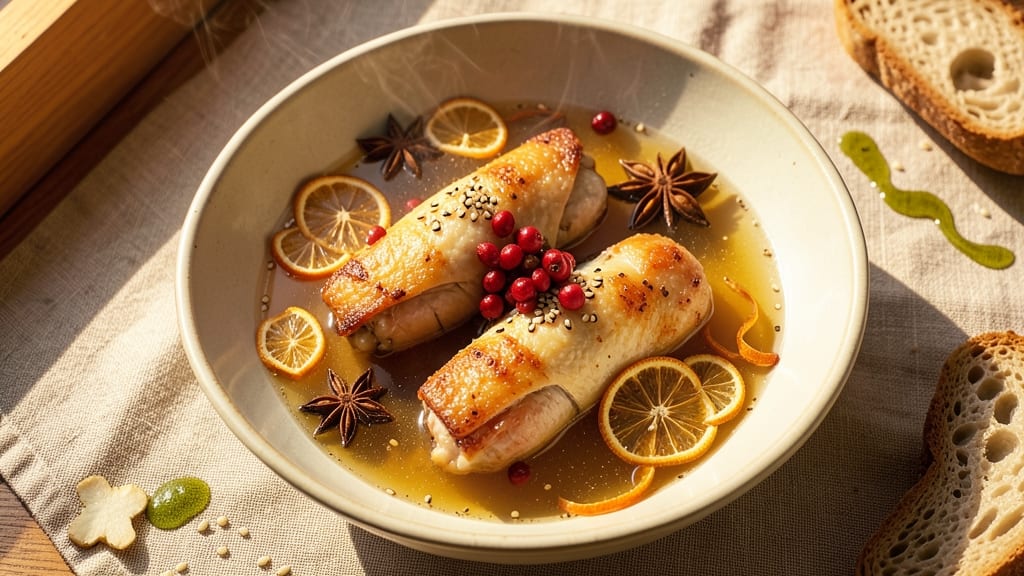
This authentic Chinese chicken soup recipe brings the warmth of a Cantonese home kitchen to your pot, where star anise and ginger work their magic in a single aromatic broth.
The secret lies in slow-simmered bone broth infused with traditional spices—ginger, goji berries, and a touch of soy—that transform simple ingredients into something deeply comforting.
I developed this version after years of testing, ensuring every spoonful delivers the balance of savory, herbal, and slightly sweet notes that define classic Chinese soups.
The beauty of this recipe is its simplicity: just a handful of ingredients, but each plays a crucial role. The chicken simmers until fork-tender, absorbing the fragrant broth, while the spices—like star anise and dried tangerine peel—infuse the liquid with layers of complexity.
No shortcuts here; the long simmer is what builds that restaurant-quality depth. What you’ll end up with is a bowl of soup that’s as nourishing as it is flavorful, perfect for chilly days or when you need a taste of home.
This isn’t just chicken soup—it’s a comforting ritual that starts with a pot of simmering broth and ends with a steaming bowl of warmth. The aroma alone will have everyone gathering around the table, and the first sip delivers that perfect harmony of spice, umami, and gentle sweetness.
Whether you’re serving it to a sick loved one or simply craving a taste of tradition, this recipe delivers on both authenticity and heart.
Ready in about 1.5 hours (with minimal active time), it’s ideal for weeknight dinners or meal prep. The leftovers taste even better the next day, as the flavors deepen with time.
Garnish with fresh cilantro and scallions for brightness, and serve with steamed rice to soak up every last drop of that golden broth. Let’s get cooking—your taste buds (and your soul) will thank you.
Ingredients for authentic chinese chicken soup
Just 14 ingredients transform into a fragrant, comforting bowl of Cantonese tradition.
| Ingredient | Amount | Notes |
|---|---|---|
| Chicken Thighs 🍗 | 1 ½ lb | Bone-in, skin-on preferred |
| Fresh Ginger 🧄 | ½ cup | Peeled, roughly chopped |
| Star Anise 🌿 | 2 whole | Whole pods, not ground |
| Dried Tangerine Peel 🍊 | 1 tbsp | Or substitute with orange peel |
| Goji Berries 🍇 | ¼ cup | Dried, rinsed if dusty |
| Light Soy Sauce 🥄 | 2 tbsp | Kikkoman preferred |
| Sesame Oil 🫒 | 1 tbsp | Toasted for aroma |
| Fresh Cilantro 🌿 | ¼ cup | Chopped for garnish |
| Green Onions 🧅 | 4 whole | Sliced, white and green parts |
| Garlic Cloves 🧄 | 4 cloves | Minced for depth |
| Chicken Bone Broth 💧 | 6 cups | Low-sodium preferred |
| White Rice 🍚 | 1 cup | Uncooked, for serving |
| Salt 🧂 | 1 tsp | Adjust to taste |
| Black Pepper 🌶️ | ½ tsp | Freshly ground |
The star anise and dried tangerine peel are non-negotiable for that authentic aroma—look for whole star anise pods at Asian markets or the international aisle (they keep for months). Fresh ginger? Buy a small knob—the peel is potent, so ½ cup chopped is plenty. For goji berries, Trader Joe's or Whole Foods have the best quality (no dusty ones!). The chicken thighs? Bone-in, skin-on gives richer flavor, but boneless works if you're short on time. I always grab mine from Costco when I'm making a big batch—cheaper and more flavorful.
No star anise? 1 tsp ground anise seed works in a pinch, but it's not the same. Dried tangerine peel hard to find? Orange peel dried in the oven (200°F for 1 hour) is a decent swap. Short on goji berries? Raisins or dried apricots add sweetness, though they won't have that earthy depth. The soy sauce matters—Kikkoman or Pearl River Bridge are the gold standards. Sesame oil? Use the toasted kind (not the regular) for that nutty aroma. And if you're feeling fancy, homemade bone broth takes this to the next level—simmer chicken bones with ginger, garlic, and a splash of soy for 8 hours.
This soup tastes even better the next day—4-5 days in the fridge, 3 months frozen. I always make a double batch so I can reheat portions all week. Store it in glass containers with a tight lid to keep those aromas locked in. The rice? Cook it fresh when serving—it soaks up that golden broth perfectly. Garnish with cilantro and green onions right before eating (they wilt fast). Leftovers reheat beautifully—just add a splash of water and stir. Trust me, the second bowl is always the best.
Why You'll Love This Recipe
- Minimal Chopping Needed: I swear by this—just slice the ginger into thick coins, crack the star anise, and let the broth do the work. No dicing, no mincing, no fuss. The chicken thighs practically fall off the bone, and the dried tangerine peel adds that bright citrus punch with zero effort.
- Umami Bomb Combo: That star anise and goji berries? Absolute magic. The star anise gives this soup a warm, spiced depth, while the goji berries add a chewy sweetness that balances the savory broth. It’s the kind of flavor that makes you go back for a third bowl—no question.
- Weeknight & Meal Prep Hero: Honestly, this is my go-to when I’ve got a house full of people or just need something hearty. The broth keeps well for days, and the flavors actually get better as it sits. Freeze a batch for sick days, or reheat leftovers for lunch—it’s that reliable.
- Budget-Friendly Luxury: Chicken thighs are cheaper than breasts, and the spices cost pennies. Yet it tastes like I splurged on a fancy restaurant dish. Between us, this is how I feed my family well without breaking the bank—rich, comforting, and packed with real flavor.
Step-by-step instructions for authentic Chinese chicken soup
Here's how to create a fragrant, healing bowl of soup that balances warmth and complexity.
Prepare the Chicken and Aromatics
Pat the 1.5 lb chicken thighs dry with paper towels—this helps the skin crisp nicely. Place them in a large pot and add the 6 cups chicken bone broth, bringing everything to a gentle boil over medium-high heat. Once boiling, reduce heat to medium-low and let it simmer uncovered for 15 minutes to render natural chicken fats.
While the chicken simmers, peel and roughly chop the 0.5 cup fresh ginger into thin slices. Add the ginger along with the 2 whole star anise, 1 tbsp dried tangerine peel, and 4 cloves garlic cloves to the pot. The broth should smell like a spice market—earthy, citrusy, and warm. If it doesn't bubble steadily, adjust the heat slightly higher. This aromatic base is the soul of the soup.
Build the Flavor Foundation
After 15 minutes of simmering, gently remove the chicken thighs with tongs and let them rest on a plate. Strain the broth through a fine-mesh sieve into a clean pot, discarding the solids. Return the broth to medium heat and add the 2 tbsp light soy sauce and 1 tbsp sesame oil. Stir gently—this is where the umami and nutty depth develop.
Rinse the 0.25 cup goji berries quickly under cold water to remove any dust, then add them to the broth. Let everything simmer for another 10 minutes to allow the flavors to meld. The goji berries will plump up slightly, releasing their sweet-tart essence into the broth. Here's where the magic happens: the star anise and tangerine peel should infuse the broth with their signature warmth, while the ginger keeps it bright and fresh.
Cook the Chicken to Perfection
Shred the chicken thighs using two forks, removing any large bones. Return the shredded chicken to the pot and stir gently to coat in the fragrant broth. Add the 1 tsp salt and 0.5 tsp black pepper, adjusting to taste. Let the soup simmer for another 10 minutes—this ensures the chicken absorbs all the flavors while staying tender.
Here's the thing: the broth should be clear with just a hint of cloudiness, and the chicken should be fork-tender. If it's not quite there, simmer for another 5 minutes. The goji berries should be soft but still hold their shape. Taste the broth now—it should be savory, slightly sweet, and deeply aromatic. If it needs more depth, add another ½ tbsp soy sauce.
Finish with Fresh Herbs and Serve
Slice the 4 whole green onions into ½-inch pieces, separating the white and green parts. Add the white parts to the soup and simmer for 2 minutes to infuse flavor. Remove the pot from heat and stir in the 0.25 cup fresh cilantro and the green onion tops. Let the soup sit for 5 minutes—this allows the herbs to soften slightly and release their bright notes.
While the soup rests, cook the 1 cup white rice according to package instructions. Serve the soup hot in deep bowls, with a generous scoop of rice on the side. The contrast of the warm, aromatic broth with the mild rice creates the perfect balance. Garnish each bowl with extra cilantro and green onions for a pop of freshness and color. This is comfort food at its finest—simple yet deeply satisfying.
Pro Tips For Making Authentic Chinese Chicken Soup
- Parboil the Chicken First: The first 10 minutes in boiling water—not the soup—removes blood and impurities. I learned this the hard way when my broth stayed cloudy no matter how long I simmered. Rinse the thighs afterward to wash off any residue, then add them to the pot.
- Slice Ginger Like a Pro: Use a mandoline or sharp knife to cut the ginger into thin matchsticks—no thicker than 1/8 inch. Thick slices hide in the broth and won’t infuse properly. Toss them in last 20 minutes to avoid bitterness.
- Don’t Crowd the Pot: Start with just the chicken thighs in cold water, then bring to a boil. Adding all ingredients at once (especially star anise and tangerine peel) can make the broth murky. Wait until it’s boiling before tossing in the aromatics.
- Toast the Spices Dry: Lightly toast star anise and dried tangerine peel in a dry pan for 30 seconds until fragrant. This deepens their flavor and prevents them from floating like useless decorations. Crush the star anise slightly afterward—it releases more aroma.
Creative variations of these flavors
Spicy Sichuan Twist
Transform this classic soup into a fiery Sichuan version by adding 1 tbsp chili bean paste (like Lao Gan Ma) and 1 tsp Sichuan peppercorns when simmering the broth. The numbing, spicy kick from Sichuan peppercorns pairs perfectly with the star anise and ginger.
For extra heat, stir in 1-2 tbsp chili oil just before serving—it’ll make your lips tingle in the best way. 🌶️
Vegetarian Adaptation
Skip the chicken and use 1 lb shiitake mushrooms (sliced) and 1 block firm tofu (pressed and cubed) for protein. Boost umami with 2 tbsp mushroom powder or 1 tsp seaweed flakes in the broth.
The goji berries and star anise still shine, creating a fragrant, hearty vegetarian bowl that feels just as comforting. I’ve made this version for my plant-based friends, and they always ask for seconds!
Creamy Corn Addition
For a Southern Chinese-inspired twist, stir in 1 cup frozen corn (no need to thaw) during the final 5 minutes of simmering. The sweetness of the corn balances the savory broth beautifully. Top with a drizzle of 1 tbsp toasted sesame oil and extra cilantro for a creamy, textured finish.
This variation is a hit with kids and adults alike—it feels like a cozy hug in a bowl. 🌽
Herbal Detox Version
Add 1 tbsp dried jujube dates (soaked in warm water for 10 minutes) and 1 tsp dried wolfberries (another name for goji berries) to enhance detoxifying properties. Simmer these with the star anise and ginger for an extra layer of warmth.
This version is especially nourishing after a long week—it’s like a spa day for your insides. Perfect for when you need a little extra care.
Seafood Upgrade
Swap the chicken for 1 lb shrimp (peeled and deveined) and ½ lb cod fillets (cut into chunks). Add the seafood during the final 8 minutes of cooking to avoid overcooking. The delicate flavors of the fish complement the aromatic broth, creating a lighter yet equally satisfying version.
Garnish with extra cilantro and a squeeze of lime for brightness. This is my go-to for a special dinner—elegant but still comforting. 🦐
Nutrition facts
Frequently asked questions
Can I use chicken breast instead of thighs for this recipe?
Chicken breast works, but thighs are preferred for this authentic Chinese soup. Thighs stay juicier and more flavorful during the long simmer, absorbing the aromatic broth better. If using breast, cut into small pieces and add them 10 minutes before the end to prevent drying out.
What if I can't find star anise or dried tangerine peel?
For star anise, use 1 tsp ground anise seed (though the flavor won't be identical). For tangerine peel, substitute with orange peel dried in the oven at 200°F for 1 hour. Both will still give that citrusy depth, though the aroma won't be as complex.
How do I make this soup less salty?
Reduce the soy sauce to 1 tbsp and skip adding extra salt. For a lighter broth, use low-sodium chicken broth and add the salt only at the end, tasting as you go. The goji berries and ginger already provide natural sweetness to balance flavors.
Can I prepare this soup ahead of time?
This soup tastes even better the next day. Store in an airtight container in the fridge for 4-5 days or freeze for 3 months. Reheat gently on the stove, adding a splash of water if the broth thickens too much. The flavors deepen with time!
Why does my soup taste bitter?
Bitterness usually comes from over-simmering the aromatics (like star anise or ginger). Remove the spices after 20 minutes of simmering to prevent this. Also, check your soy sauce—some brands are saltier and can contribute to bitterness. A pinch of sugar or extra goji berries can help balance the flavor.