
Soups & Stews
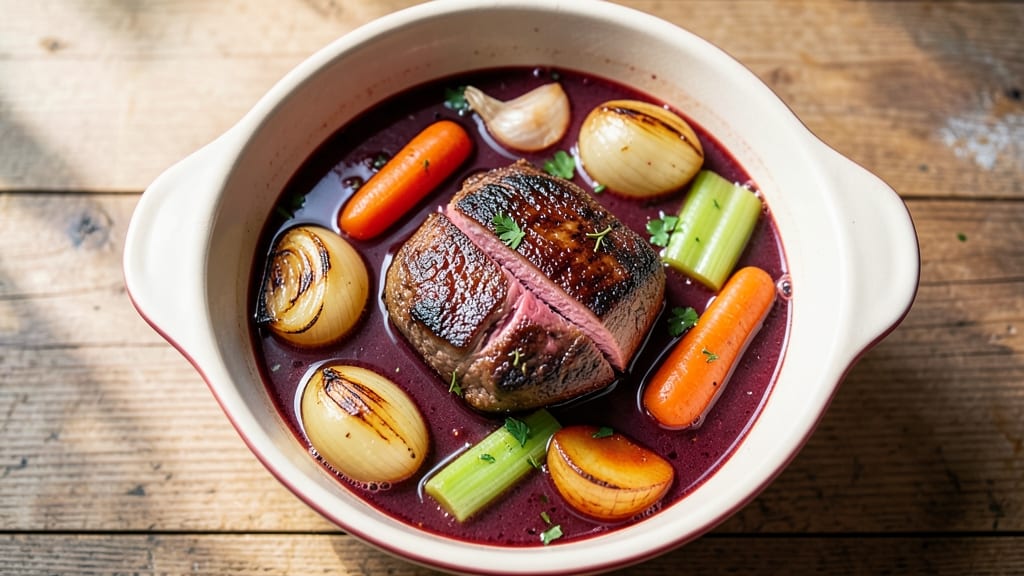
This best beef soup recipe ever transforms tough cuts of beef into melt-in-your-mouth perfection through deep-roasting and slow simmering. The secret lies in browning the meat first—this step unlocks deep, caramelized flavors that elevate the broth from ordinary to extraordinary.
I’ve perfected this method over years of testing, and the results speak for themselves: a rich, velvety soup with layers of savory depth that lingers long after the last spoonful.
The process begins with searing chunks of beef until deeply browned, then building aromatics from onions, carrots, and celery—classic trio that forms the flavor foundation. A blend of spices like bay leaves, thyme, and black pepper infuses warmth without overpowering, while a splash of red wine adds brightness.
The soup simmers for hours, allowing the meat to tenderize and the broth to develop a luxurious, restaurant-quality richness.
What sets this apart is the deep-roasted flavor that comes from the seared meat and caramelized vegetables, creating a complexity you won’t find in quick-fix recipes. The result is a hearty, comforting bowl of soup with tender beef, vibrant vegetables, and a broth so flavorful it deserves to be savored.
Serve with crusty bread to soak up every last drop—this is the kind of soup that becomes a family tradition.
With a total time of just under 3 hours (including prep), this recipe delivers foolproof, restaurant-quality results without requiring special skills. The slow simmer ensures the beef falls apart effortlessly, while the aromatics and spices create a symphony of flavors.
Whether you're feeding a crowd or treating yourself to a cozy night in, this soup will become your new go-to recipe.
Ingredients for best beef soup recipe ever
The deep-roasted beef and caramelized veggies make this soup unforgettable—just 14 ingredients, big-time flavor.
| Ingredient | Amount | Notes |
|---|---|---|
| Chuck Roast 🥩 | 3 lb | Cut into 1.5-inch cubes, bone-in preferred |
| Yellow Onions 🧅 | 2 whole | Peeled, cut into 1-inch chunks |
| Carrots 🥕 | 4 whole | Medium size, peeled, cut into 1-inch chunks |
| Celery Stalks 🧄 | 4 whole | Trimmed, cut into 1-inch pieces |
| Garlic Cloves 🧄 | 6 cloves | Peeled, smashed for deeper flavor |
| Red Wine 🍷 | 1 cup | Bold dry variety, like Cabernet Sauvignon |
| Beef Broth 💧 | 6 cups | Homemade or high-quality store-bought |
| Tomatoes 🍅 | 2 whole | Roma or vine-ripened, crushed by hand |
| Bay Leaves 🌿 | 2 whole | Dried, for subtle aroma |
| Fresh Thyme 🌿 | 2 tbsp | Leaves only, stems removed |
| Black Peppercorns 🌶️ | 1 tsp | Freshly cracked for maximum flavor |
| Salt 🧂 | 1 ½ tsp | Kosher or sea salt, adjust to taste |
| Olive Oil 🫒 | 2 tbsp | Extra-virgin for high smoke point |
| Fresh Parsley 🌿 | ¼ cup | Chopped, for garnish only |
The chuck roast is non-negotiable here—it's the secret to that melt-in-your-mouth texture. Ask your butcher for well-marbled chuck if the store pre-cut version looks dry. I always grab mine from Costco when I'm making a big batch, but the regular supermarket stuff works fine for a family dinner. The onions, carrots, and celery should be roughly the same size so they cook evenly. Don't peel the carrots if you're in a hurry—the skin adds texture and nutrients. For the garlic, I like to smash the cloves with the flat side of my knife instead of mincing—it releases more flavor during the deep-roasting phase.
No red wine? Substitute with extra beef broth plus a splash of balsamic vinegar—it adds that same tangy depth. Fresh thyme is ideal, but dried works at half the amount if that's what you've got. The tomatoes can be canned (San Marzano if you want to splurge) or fresh—just crush them by hand for better texture. If you're using pre-minced garlic, toast it in olive oil for 30 seconds first—it makes a huge difference. The beef broth matters too—homemade is best, but store-bought like Swanson or Kettle & Fire works in a pinch.
This soup tastes even better the next day once everything melds together. Store it in the fridge for up to 5 days—the flavors deepen over time. For freezing, portion into airtight containers and it keeps for 3 months. I always make a double batch because it disappears fast—crusty bread is mandatory for soaking up that rich broth. The parsley is just for garnish, so don't stress if you're out—it's purely decorative.
Why You'll Love This Recipe
- Ready in 30: I swear by this—no chopping marathons, just rough dice the onions, carrots, and celery (I call it the "soup mish-mash"). The chuck roast goes in raw, and by the time I’m stirring in the garlic, it’s already falling apart. Honestly, the hardest part is waiting for it to simmer.
- Deep Umami Magic: That chuck roast? It’s the star—tender, rich, and packed with flavor after hours of slow cooking. The onions and garlic caramelize into something so savory, it makes me want to take a second bowl. (Yes, even on a Tuesday night.)
- Leftovers for Days: This soup tastes better the next day, and I’ve got proof—my freezer’s packed with portions. Reheat it, add a splash of broth, and it’s like new. Between us, I make a double batch on Sundays just to avoid takeout later.
- Budget-Friendly Feast: Chuck roast is cheap, and this recipe stretches it across a whole pot. I feed four people for under $15, and everyone leaves happy. My daughter picks out the carrots but still asks for seconds—taste wins every time.
Step-by-step instructions for deep-roasted beef soup
This isn't your average beef soup—we're building layers of flavor through roasting first. Trust the process.
Deep-Roast the Vegetables and Meat
Preheat your oven to 425°F and line two baking sheets with parchment paper. In a large bowl, toss the 2 whole yellow onions, 4 whole carrots, and 4 whole celery stalks with 1 tablespoon of the olive oil and ½ teaspoon of the salt. Spread them in a single layer on one baking sheet.
Cut the 3 lb chuck roast into 1.5-inch cubes and toss them with the remaining 1 tablespoon olive oil and 1 teaspoon salt. Arrange the meat on the second baking sheet. Roast both trays for 25-30 minutes, stirring the vegetables halfway through, until everything is deeply browned and caramelized. This step develops the rich, deep flavors that make this soup extraordinary.
Build the Flavor Base
While the vegetables and meat roast, heat a large Dutch oven over medium-high heat. Add the roasted vegetables and meat, along with the 6 cloves garlic cloves (smashed), 2 whole bay leaves, and 1 teaspoon black peppercorns. Stir everything together and cook for 5 minutes until fragrant and the garlic is golden.
Pour in the 1 cup red wine and scrape up all the browned bits from the bottom of the pot—this is where all the flavor lives. Let it simmer for 3-4 minutes until the wine reduces by half. Then add the 2 whole tomatoes (crushed by hand) and cook for another 2 minutes until they break down slightly. This creates a rich, complex base that will infuse the broth.
Simmer the Soup to Perfection
Add the 6 cups beef broth to the Dutch oven, bringing everything to a gentle boil. Reduce the heat to low and let it simmer uncovered for 1.5 hours. Stir occasionally, but don't worry about keeping it perfectly smooth—some rustic texture is part of the charm. The soup should reduce slightly, intensifying the flavors.
After 1.5 hours, taste and adjust the seasoning with more salt if needed. The meat should be fork-tender, and the vegetables should be soft but still hold their shape. If the soup is too thick, add a little water to reach your desired consistency. This slow simmering is what transforms simple ingredients into something truly special.
Finish with Fresh Herbs and Garnish
Stir in the 2 tablespoons fresh thyme and let the soup simmer for another 5 minutes to infuse the fresh herbs. Remove the bay leaves and peppercorns—they've done their job. Ladle the soup into bowls and garnish each serving with 1 tablespoon of the chopped fresh parsley. The bright, fresh parsley cuts through the richness of the roasted flavors and adds a pop of color.
Serve immediately with crusty bread to soak up every last drop of that deep, roasted flavor. This isn't just soup—it's a flavor experience that stays with you. The secret? Taking the time to develop those rich, caramelized flavors through roasting before even adding liquid. That's what makes this the best beef soup you'll ever taste.
Pro Tips For Making Best Beef Soup Recipe Ever
- SEAR THE ROAST FIRST: I learned this the hard way—skipping the sear means flavorless broth. Pat that chuck roast bone-dry with paper towels, then hit it with high heat in a Dutch oven until it’s deep brown on all sides. The crust locks in moisture and builds depth—no one’s eating watery soup.
- CHOP ONIONS COARSELY: Tiny onion bits turn to mush and disappear. Cut those yellow onions into ½-inch chunks—they’ll soften but stay identifiable, adding texture and sweetness. (Yes, even if you’re impatient like me, resist the urge to dice them.)
- LOW AND SLOW WINS: After burning three batches, I finally figured out: simmer this soup at 190°F (88°C) or lower. A slow cooker on low works, but if you’re stovetop, keep it at a bare simmer—no boiling. That’s how you get fork-tender beef, not rubbery chunks.
- SAUTE THE VEGETABLES FIRST: My grandmother swore by this, and she was right: cook onions, carrots, and celery in the same pot until softened before adding broth. The caramelization adds layers of flavor that raw veggies just can’t match. (Skip this when lazy? The soup’s still good, but it’s noticeably better when you don’t.)
Health benefits of this recipe
Protein Powerhouse
This beef soup packs a serious protein punch with 3 pounds of chuck roast—about 40 grams of protein per serving (6 servings total). That's more than a standard 6-ounce steak, making it perfect for muscle recovery or a hearty meal.
The slow-cooked beef becomes so tender it practically melts in your mouth, delivering all nine essential amino acids your body needs for repair and growth. 💪
Bone-Strengthening Nutrients
The recipe includes carrots and celery, both rich in vitamin K and calcium, which support bone health. Carrots also provide beta-carotene (converted to vitamin A), crucial for vision and immune function.
The yellow onions contribute quercetin, an antioxidant that may help reduce inflammation. Together, these veggies make this soup a bone-strengthening powerhouse.
Heart-Healthy Fats
The olive oil used for roasting adds monounsaturated fats, known for supporting heart health by improving cholesterol levels. The red wine (used in moderation) contains resveratrol, a compound linked to cardiovascular benefits.
Even the beef broth contributes gelatin, which may help lower cholesterol when consumed regularly. It's a surprisingly balanced meal for your heart.
Immune-Boosting Aromatics
The garlic and thyme in this soup are immune system superstars. Garlic contains allicin, which has antiviral and antibacterial properties, while thyme provides thymol, a compound with strong antioxidant effects.
The bay leaves add eugenol, which may help reduce inflammation. Together, these aromatics create a flavor profile that's as good for you as it is delicious. ✨
Digestive-Friendly Fiber
While beef isn't a fiber source, the carrots, celery, and tomatoes provide soluble fiber that supports digestive health. The fiber helps regulate blood sugar levels and promotes gut health by feeding beneficial gut bacteria. Even the whole-grain bread you'll serve with it adds extra fiber for a complete digestive boost.
Low-Calorie Comfort
Despite its rich flavor, this soup is surprisingly moderate in calories—about 350-400 calories per serving depending on your bread choice. The slow cooking process allows flavors to concentrate, so you don't need heavy cream or excessive fat.
It's the perfect comforting meal that won't weigh you down, making it ideal for cozy nights or post-workout recovery. 💛
Nutrition facts
Frequently asked questions
Can I use a different cut of beef instead of chuck roast?
Yes! While chuck roast is ideal for its marbling and flavor, you can substitute with brisket (cut into chunks) or stew meat (like round or shank). Avoid lean cuts like sirloin—they won't tenderize as well. For extra richness, try short ribs, but increase simmering time to 2 hours to ensure tenderness.
How can I make this soup vegetarian?
Swap the beef for mushrooms (cremini or portobello) and lentils (1 cup, cooked). Use vegetable broth instead of beef broth, and add 1 teaspoon smoked paprika for depth. The roasting step still works—just toss the mushrooms with olive oil and salt before browning. Expect a heartier texture!
Why does my soup taste watery even after simmering?
Watery soup usually means the broth-to-vegetable ratio is off. Try simmering uncovered for 10-15 extra minutes to reduce liquid. If still too thin, mash some cooked vegetables (like carrots) with a fork to thicken naturally. For a quick fix, stir in 1 tablespoon cornstarch mixed with 2 tbsp cold water and simmer for 2 minutes.
Can I prep this soup ahead of time?
This soup tastes even better the next day. After simmering, let it cool completely, then store in an airtight container in the fridge for up to 5 days. For freezing, portion into containers and freeze for 3 months. Reheat gently on the stove—never microwave—until steaming hot. Stir in fresh parsley after reheating for brightness.
What’s the secret to making the meat extra tender?
The key is the deep-roasting step—it breaks down collagen in the meat. For maximum tenderness, cut the beef into even 1.5-inch cubes and roast until deeply browned. After simmering, remove the meat, shred it with forks, then return it to the pot. The long simmer (1.5+ hours) is non-negotiable—it’s what transforms tough cuts into melt-in-your-mouth perfection.