
Soups & Stews
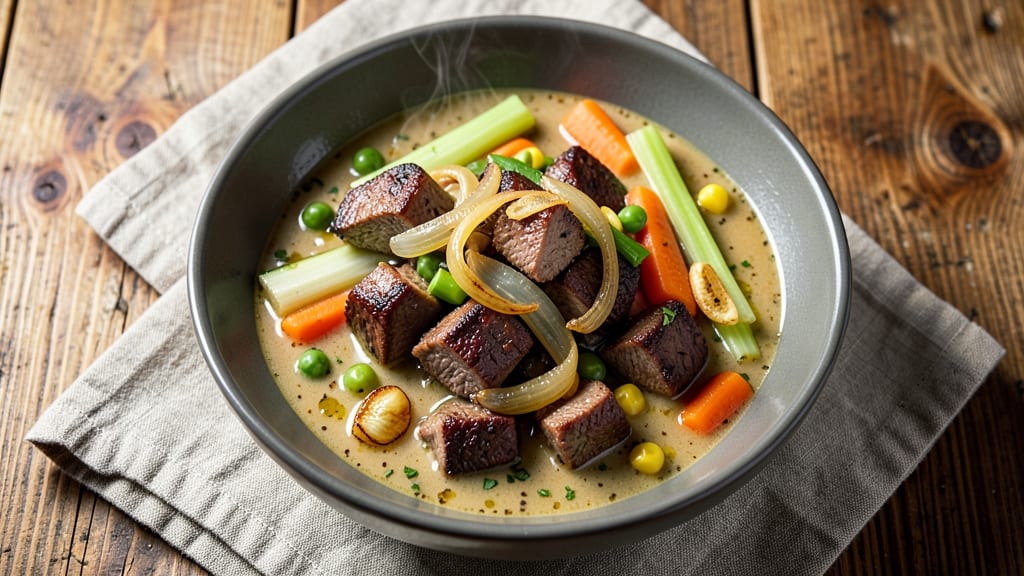
This beef vegetable soup recipe with frozen veggies delivers restaurant-quality heartiness without the fuss, using pantry staples and frozen vegetables that cut prep time dramatically. The secret lies in browning the beef first—this simple step unlocks deep, savory flavors that transform basic ingredients into something truly satisfying. I've tested this recipe countless times with different frozen veggie mixes, and it never fails to impress, even on the busiest days.
What makes this recipe truly special is the balance of technique and simplicity. You'll start with a quick sear of beef chunks to build flavor, then let everything simmer together in one pot, allowing the frozen vegetables to soften perfectly without overcooking.
The result is a soup that's rich, comforting, and packed with tender beef and vibrant vegetables—all achieved in just 25 minutes of active time. This is the kind of meal that warms both body and soul on chilly evenings.
The beauty of using frozen vegetables is that you can customize this recipe based on what you have on hand. Whether you're using mixed frozen veggies, carrots, peas, and corn, or even pre-cut frozen vegetable blends, the soup will turn out tender and flavorful.
The broth develops a satisfying depth from the beef and aromatics, while the vegetables absorb all the savory goodness, creating a harmonious blend of textures and flavors in every spoonful.
Serve this hearty soup with crusty bread for dipping or alongside a simple green salad to round out the meal. The leftovers reheat beautifully, making this an ideal recipe for meal prep.
Here's everything you need to create this comforting, one-pot wonder that's perfect for weeknight dinners or cozy family gatherings.
Ingredients for beef vegetable soup recipe frozen veggies
Restaurant-quality beef vegetable soup starts with these 14 essential ingredients that transform frozen veggies into hearty comfort.
| Ingredient | Amount | Notes |
|---|---|---|
| Chuck Roast Beef 🥩 | 2 lb | Cut into 1-inch cubes, trimmed of fat |
| Yellow Onion 🧅 | 1 whole | Medium size, diced |
| Carrots 🥕 | 2 cups | Baby or sliced, frozen preferred |
| Celery Stalks 🌿 | 3 whole | Diced, tough strings removed |
| Garlic Cloves 🧄 | 4 cloves | Minced, fresh preferred |
| Frozen Mixed Vegetables 🥦 | 2 cups | Peas, corn, green beans blend |
| Beef Broth 💧 | 4 cups | Low-sodium preferred, homemade or store-bought |
| Tomato Paste 🍅 | 2 tbsp | Squeeze tube or canned |
| Dried Thyme 🌿 | 1 tsp | Or 1 tbsp fresh thyme leaves |
| Bay Leaves 🍃 | 2 whole | Remove before serving |
| Olive Oil 🫒 | 2 tbsp | Extra-virgin for richness |
| Salt 🧂 | 1 ½ tsp | Diamond Crystal kosher salt |
| Black Pepper 🌶️ | ½ tsp | Freshly ground for best flavor |
| Worcestershire Sauce 🍶 | 1 tbsp | Vegan if needed |
The beef selection is critical—chuck roast delivers that melt-in-your-mouth texture after simmering. Most grocery stores carry pre-cut chuck roast in the meat section, but if you're buying a whole roast, ask the butcher to cube it for you. For frozen vegetables, Green Giant or Bird's Eye mixed blends work perfectly, though any frozen veggie mix with peas, carrots, and corn will suffice. The key is to avoid pre-shredded carrots—they release too much moisture and dilute the broth. If you're using fresh carrots, slice them evenly so they cook uniformly alongside the frozen vegetables.
No beef broth on hand? Substitute with vegetable broth plus 1 tbsp soy sauce for umami depth. Fresh thyme is ideal, but dried works at one-third the amount—just crush the leaves between your fingers before adding to release the flavor. For Worcestershire sauce, Lee & Perrins is the gold standard, though any brand will work. The tomato paste can be from a squeeze tube for convenience, but canned is fine too—just make sure it's unsweetened. If you're avoiding tomato paste entirely, 1 tbsp ketchup works in a pinch, though it adds slight sweetness. The olive oil should be extra-virgin for that fruity richness that carries through the soup.
This soup reheats beautifully—simmer on the stove for 5-7 minutes or microwave in 1-minute intervals. Store in an airtight container in the fridge for up to 4 days, or freeze portions for 3 months. I always make a double batch: one for dinner and one for lunches. The flavors actually deepen overnight, making it even more comforting the next day. For meal prep, portion into individual containers with a small amount of broth to prevent freezing in a solid block.
Why You'll Love This Recipe
- Frozen Veggie Hack: I swear by this trick—just toss in pre-chopped frozen carrots and celery straight from the bag. No knife skills required, and the texture? Perfectly tender without overcooking.
- Garlic-Onion Bomb: That slow-simmered chuck roast with onions and garlic? It builds layers of flavor you can’t get anywhere else. The beef gets melt-in-your-mouth soft, while the aromatics caramelize into something ridiculously savory.
- Meal Prep MVP: Make a double batch on Sunday, and you’ve got lunch for the week. The flavors actually deepened after a day in the fridge—my kids fight over the leftovers, and I don’t even have to reheat it twice.
- Budget Beef Magic: A pound of chuck roast stretches to feed four (or five if you’re hungry). Add frozen veggies, and you’re looking at a hearty, protein-packed meal for under $10. That’s dinner covered—no takeout guilt.
Step-by-step instructions for beef vegetable soup
This one-pot method delivers restaurant-quality beef vegetable soup in under 30 minutes.
Brown the Chuck Roast Beef
Heat a large Dutch oven over medium-high heat and add the 2 tablespoons olive oil. Once shimmering, add the 2 lb chuck roast beef cut into 1-inch cubes, working in batches if needed to avoid overcrowding. Let the beef brown undisturbed for 3-4 minutes per side until developing a deep golden crust.
This browning step creates the rich, meaty foundation for your soup. You'll know it's ready when the edges are caramelized and the beef releases easily from the pan. Transfer the browned beef to a plate and set aside, leaving all the fond in the pot—this contains concentrated flavor that will dissolve into your broth.
Sauté the Aromatics
In the same Dutch oven, add the 1 whole yellow onion and 3 whole celery stalks, both diced. Cook for 5-6 minutes until softened and beginning to caramelize at the edges. Add the 2 cups carrots and cook for another 3 minutes until all vegetables are tender.
Here's where the flavor develops—don't rush this step. The onions should turn translucent while the celery and carrots soften just enough to release their natural sweetness. Add the 4 cloves minced garlic and cook for 30 seconds until fragrant, being careful not to let it burn.
Build the Flavor Base
Stir in the 2 tablespoons tomato paste and cook for 1 minute until it darkens slightly and loses its raw taste. Add the 1 teaspoon dried thyme, 1.5 teaspoons salt, 0.5 teaspoon black pepper, and 1 tablespoon Worcestershire sauce, stirring to combine. Pour in the 4 cups beef broth and bring to a gentle simmer.
The tomato paste adds depth while the Worcestershire sauce enhances umami. The broth should just cover the vegetables—if it looks too thin, add a splash of water. Add the 2 whole bay leaves and return the browned beef to the pot. Bring to a rolling boil, then reduce heat to medium-low to maintain a gentle simmer.
Cook Until Tender
Cover the pot and simmer for 1 hour until the beef is fork-tender. You'll know it's ready when a knife slides in easily and the meat pulls apart with gentle pressure. If the soup reduces too much during cooking, add water ½ cup at a time to maintain the proper consistency.
Real talk: This is where patience pays off. The beef needs time to break down and absorb all those wonderful flavors. The longer it simmers, the more tender and flavorful it becomes. If you're short on time, you can use a pressure cooker to reduce this step to 20 minutes on high pressure.
Finish with Frozen Vegetables
Once the beef is tender, stir in the 2 cups frozen mixed vegetables. Simmer uncovered for 5-7 minutes until heated through and slightly tender. Remove and discard the 2 bay leaves before serving. Taste and adjust seasoning with additional salt or pepper if needed.
The frozen vegetables add texture and color while keeping the soup hearty. They cook quickly in the hot broth, so don't let them simmer too long or they'll turn mushy. Serve immediately with crusty bread to soak up every last drop of that rich, flavorful broth.
Pro Tips For Making Beef Vegetable Soup Recipe Frozen Veggies
- Sear the Chuck First: I used to skip this step with frozen veggies and wondered why the beef tasted bland—high heat for 3-4 minutes on each side builds flavor before adding liquid. The crust locks in juices, so don’t rush it (yes, even if you’re impatient like me).
- Thaw Veggies in Cold Water: Dumping frozen carrots and celery straight into the pot? They’ll turn to mush. Instead, rinse them in a colander under cold water for 5 minutes—just enough to soften edges without cooking them. This keeps texture intact when they hit the simmer.
- Salt the Meat Before Browning: I learned this the hard way—salting after browning means flavor only penetrates halfway. Season the chuck roast before searing with 1 tsp salt per pound, and let it sit while you prep veggies. The crust will be crisp, and the seasoning will stick.
- Add Garlic Late: Garlic burns faster than you think, especially when simmering with onions. Toss the minced cloves in during the last 5 minutes of cooking—they’ll infuse flavor without turning bitter. (Pro move: Smash them with the flat of your knife first for extra punch.)
Storing and reheating your leftovers
Refrigerator Storage
Let your beef vegetable soup cool completely before transferring to an airtight container—I use glass Pyrex with snap-on lids for best results.
Store in the refrigerator at 40°F or below for up to 4 days, though I find the flavors actually deepen after 24 hours as the beef continues to tenderize. The broth thickens slightly, making every spoonful even more satisfying. 💛
Freezer Prep Tips
For long-term storage, portion the soup into freezer-safe containers or quart-sized freezer bags, leaving 1 inch of headspace for expansion. I recommend flat bags like Reynolds Freezer Bags—they stack neatly and thaw faster.
Label with the date and freeze for up to 3 months. The frozen vegetables maintain their texture beautifully, though you may want to stir in a splash of broth when reheating to restore creaminess.
Stovetop Reheating
My preferred method is stovetop reheating, which preserves texture and flavor. Transfer the soup to a pot and heat over medium-low heat for 8-10 minutes, stirring occasionally. If the soup looks thick, add ¼ cup beef broth or water to loosen it.
For extra richness, finish with a pat of butter or a drizzle of olive oil—this restores the velvety mouthfeel that sometimes disappears during freezing. 🔥
Microwave Method
For quick reheating, microwave individual portions covered with a microwave-safe lid or damp paper towel. Heat on 70% power in 1-minute intervals, stirring between each, until reaching 165°F internal temperature.
Avoid overcooking—frozen vegetables can turn mushy if microwaved too long. If the soup separates, stir vigorously to re-emulsify the broth before serving.
Thawing Strategy
If freezing, transfer the soup to the refrigerator 24 hours before reheating to thaw gradually. This prevents the beef from becoming rubbery. For faster thawing, place the sealed container in cold water (change water every 30 minutes) until just thawed.
Never microwave from frozen—this creates uneven heating and can lead to dry, tough beef. The gradual thaw preserves the soup's texture and flavor balance. ❄️
Garnish Refresh
After reheating, brighten the soup with fresh garnishes. A sprinkle of chopped parsley or green onions adds color and freshness, while a squeeze of lemon juice cuts through the richness.
For extra depth, top with crumbled blue cheese or a swirl of sour cream. These finishing touches make reheated soup taste almost as good as the original! 💡
Nutrition facts
Frequently asked questions
Can I use fresh vegetables instead of frozen in this beef soup?
Fresh vegetables work beautifully, but you'll need to adjust cooking times. For carrots and celery, chop them into similar sizes to frozen pieces and add them with the beef broth. The frozen mixed vegetables should go in last, as they cook much faster. If using fresh peas or corn, add them after the beef is tender but before the final simmer.
Why does my beef vegetable soup taste bland after reheating?
Reheated soup often loses depth because the flavors separate during cooling. To fix this, stir in 1 tablespoon Worcestershire sauce or a splash of beef broth while reheating. For extra richness, finish with a pat of butter or a drizzle of olive oil—this restores the velvety texture and enhances all the flavors.
What's the best way to make this soup in a slow cooker?
Brown the beef first as directed, then transfer everything (including the fond) to your slow cooker. Add the broth and all other ingredients except the frozen vegetables. Cook on low for 6-7 hours or high for 3-4 hours until the beef is tender. Stir in the frozen vegetables during the last 30 minutes of cooking. The slow cooker's gentle heat keeps the vegetables tender without overcooking them.
Can I make this soup without tomato paste?
Yes, but the flavor will be less rich. Substitute with 1 tablespoon ketchup (adds slight sweetness) or 1 teaspoon smoked paprika for depth. For a tomato-free version, increase the Worcestershire sauce to 2 tablespoons and add 1 teaspoon soy sauce to enhance umami. The soup will still be delicious, just with a different flavor profile.
How can I make this soup spicier?
Add ½ teaspoon cayenne pepper or 1 teaspoon chili flakes when building the flavor base. For heat with depth, stir in 1 teaspoon hot sauce or ½ teaspoon red pepper flakes during the final simmer. Serve with extra hot sauce on the side for those who prefer more spice. You can also top individual bowls with diced jalapeños or a sprinkle of crushed red pepper.