
Soups & Stews
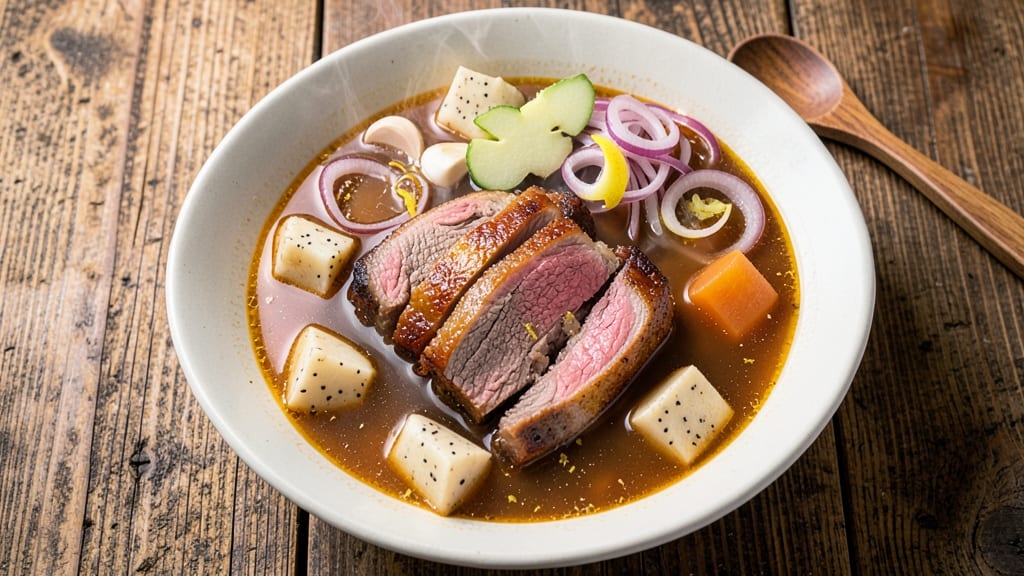
This beef sinigang soup recipe delivers the signature tangy, comforting flavors of the Philippines in every spoonful. The tamarind-based broth creates that signature sour taste, while tender beef and fresh vegetables transform it into a hearty meal.
I've perfected this recipe over years of testing, balancing traditional techniques with modern shortcuts to make it accessible for home cooks.
The secret lies in the broth—simmering tamarind blocks (or calamansi juice for a brighter twist) with aromatics until the flavors meld into a rich, tangy base. Beef chunks become fork-tender while absorbing the broth's depth, and vegetables like eggplant and radish add texture and freshness.
This isn't just a soup; it's a flavor experience that transports you to Filipino dining tables.
By the time you serve this, you'll have a steaming bowl of tender beef swimming in a vibrant, sour broth, surrounded by crisp vegetables. The aroma alone will have everyone gathered around the table, and the first bite delivers that perfect balance of sour, savory, and umami.
It's the kind of dish that feels like a hug in a bowl.
Whether you're making it for a family gathering or a cozy weeknight dinner, this recipe scales beautifully. The broth can be made ahead, and the vegetables added fresh at serving time for maximum crunch. Let's get cooking!
Ingredients for beef sinigang soup
Sixteen ingredients that transform into a bowl of comforting Filipino flavors.
| Ingredient | Amount | Notes |
|---|---|---|
| Chuck Roast 🥩 | 2 lb | Cut into 1.5-inch cubes, boneless |
| Tamarind Blocks 🍈 | 4 whole | Or 1 cup tamarind pulp substitute |
| Onions 🧅 | 2 whole | Yellow or red, halved lengthwise |
| Garlic Cloves 🧄 | 8 cloves | Minced, for aromatic base |
| Fresh Ginger 🌿 | 2 tbsp | Grated, or 1 tbsp ground ginger |
| Daikon Radish 🥕 | 2 whole | Cut into 1-inch chunks, skin on |
| Eggplant 🍆 | 1 whole | Japanese or Asian variety preferred |
| Green String Beans 🌱 | 1 lb | Trimmed, cut into 2-inch pieces |
| Kaffir Lime Leaves 🍃 | 4 whole | Bruised to release aroma |
| Fish Sauce 🐟 | 2 tbsp | Red Boat brand preferred |
| Sugar 🍚 | 2 tbsp | White or brown, balances sour |
| Salt 🧂 | 1 ½ tsp | Diamond Crystal preferred |
| Black Pepper 🌶️ | ½ tsp | Freshly ground for heat |
| Calamansi Juice 🍊 | ½ cup | Optional, for brighter tang |
| Fresh Thai Basil 🌿 | ¼ cup | Chopped, for garnish |
The beef is the heart of this dish, so chuck roast is non-negotiable—it stays tender while absorbing the broth's tang. Grab it from the butcher counter if possible, or look for pre-cubed beef in the Asian foods section of Walmart or H Mart. Tamarind blocks are the secret weapon for that signature sour taste, but if you can't find them (they're often in the international aisle), tamarind pulp or calamansi juice works brilliantly. For the ginger, freshly grated is ideal, but ground ginger in a pinch won't ruin it—just know it'll lack depth. Kaffir lime leaves? Asian markets usually stock them frozen, which is perfect for this recipe.
No tamarind blocks? Substitute with 1 cup tamarind pulp or ½ cup calamansi juice—both deliver that bright, sour punch. Swapping out the daikon radish? Regular radishes or even turnips work, but they won't be as sweet. The eggplant can be omitted if you're short on time, but the green string beans add that signature crunch. Fish sauce is essential for umami, but if you're avoiding it, soy sauce at half the amount gets you close. For extra tang without tamarind, lemon juice or vinegar (start with 1 tbsp) can help, but it won't be the same. The sugar balances the sourness, so don't skip it—even if the tamarind seems sour enough, trust the recipe.
This broth tastes even better the next day, so make a double batch if you're planning leftovers. Store it in the fridge for up to 4 days, or freeze for 3 months in airtight containers. The vegetables can be added fresh when reheating to keep them crisp. For serving, I like to keep a bowl of extra Thai basil on the table—let everyone tear off leaves to garnish their own bowls. The beef reheats beautifully, so this is a great make-ahead meal for busy weeknights.
Why You'll Love This Recipe
- One-Pot Magic: I swear by this recipe because it’s basically foolproof—just toss everything into one pot, simmer, and let the tamarind and ginger do their work. No fancy techniques, no last-minute stress.
- Tamarind Tang Kick: That first sip? Chef’s kiss. The tamarind blocks give it that signature sour punch, while the chuck roast melts into tender, rich chunks—like a hug in a bowl.
- Weeknight to Party: Honestly, this soup works for everything—quick weeknight dinners, potlucks, or even a cozy Sunday lunch. Add rice, serve with crusty bread, or freeze half for later.
- Budget-Friendly Feast: A single chuck roast stretches for days, and tamarind blocks last forever. I’ve made this feed six people for under $15—leftovers taste just as good reheated.
Step-by-step instructions for beef sinigang soup
Here's how to create a rich, tangy tamarind broth with melt-in-your-mouth beef—every detail matters.
Prepare the Tamarind Broth Base
Start by soaking the 4 whole tamarind blocks in 8 cups hot water for 15 minutes until they soften and release their signature sour flavor. Meanwhile, peel and slice the 2 whole daikon radish into 1-inch chunks and halve the 2 whole onions lengthwise. The tamarind water should develop a deep amber color with a tangy aroma—this is your broth foundation.
In a large pot, combine the soaked tamarind blocks with their soaking liquid, the daikon radish chunks, and the halved onions. Bring to a boil over medium-high heat, then reduce to a simmer for 20 minutes. This initial cooking extracts the maximum sourness and sweetness from the tamarind while softening the vegetables. Skim off any foam that rises to the surface for a cleaner broth.
Build Flavor with Aromatics and Seasonings
While the broth simmers, mince the 8 cloves garlic and grate the 2 tbsp fresh ginger. Add these to the pot along with the 2 tbsp sugar, 1.5 tsp salt, and 0.5 tsp black pepper. Stir gently and let the aromatics infuse for 5 minutes—you'll notice the broth deepens in color and develops a complex, layered aroma. This is where the magic happens: the sugar balances the tamarind's acidity while the ginger and garlic add warmth.
After 5 minutes, remove the tamarind blocks, daikon radish, and onions using a slotted spoon. Reserve the broth in the pot—it should now have a vibrant golden hue and a tangy, slightly sweet profile. If you're using the 0.5 cup calamansi juice, stir it in now for an extra bright tang, but taste first to ensure the acidity level suits your preference.
Cook the Beef Until Fork-Tender
Cut the 2 lb chuck roast into 1.5-inch cubes, removing any remaining fat or silver skin. Add the beef to the simmering broth and bring it back to a gentle boil. Reduce heat to low and cover partially—this allows some steam to escape, preventing the broth from becoming cloudy. Simmer for 1 hour, stirring occasionally to prevent the beef from sticking to the bottom.
After 1 hour, check the beef for tenderness. It should pierce easily with a fork and pull apart with minimal resistance. If it's not yet tender, continue simmering for another 30 minutes, adding 1 cup hot water if the broth reduces too much. The beef should be so tender it nearly falls apart—this is the hallmark of a perfect sinigang. Skim off any excess fat that rises to the surface for a cleaner broth.
Add Vegetables and Finish the Soup
Cut the 1 whole eggplant into 1-inch cubes and trim the 1 lb green string beans into 2-inch pieces. Add these to the pot along with the 4 whole kaffir lime leaves, which you should bruise gently between your palms to release their aroma. Simmer for 10-12 minutes until the eggplant is tender but still holds its shape and the green beans are bright green and crisp-tender. The kaffir lime leaves will infuse the broth with a citrusy, floral note.
Stir in the 2 tbsp fish sauce and adjust the seasoning with additional salt or sugar if needed. The soup should be balanced—tangy from the tamarind, savory from the fish sauce, and slightly sweet from the sugar. Taste and make final adjustments: a little more salt for depth, or a splash of calamansi juice if you want extra brightness. Remove the kaffir lime leaves before serving.
Serve with Fresh Thai Basil
Ladle the sinigang into bowls, ensuring each serving gets a generous portion of beef and vegetables. Garnish each bowl with 0.25 cup chopped fresh Thai basil just before serving—this adds a peppery, anise-like freshness that contrasts beautifully with the rich, tangy broth. Serve immediately with steamed rice to soak up every last drop of that flavorful liquid.
The soup should be vibrant, with a clear broth that glistens under the light, tender beef that nearly melts in your mouth, and vegetables that retain their texture and color. Each bite should deliver a perfect balance of sour, sweet, salty, and umami—truly a symphony of Filipino flavors. Leftovers keep well in the refrigerator for up to 3 days, and the broth only gets better as it cools and the flavors meld further.
Pro Tips For Making Beef Sinigang Soup
- Brown the Chuck First: Chuck roast holds onto moisture like a miser, so sear it hard in batches—no crowding—until deep brown crust forms. This isn’t just for flavor; it’s what keeps your beef from turning mushy later, especially when simmering for hours.
- Soak Tamarind Properly: Skip the weak, gritty broth by soaking tamarind blocks in hot water (not boiling) for 10 minutes first. Strain out the fibers—yes, even if it feels like extra work—so your soup stays silky, not slimy.
- Don’t Rush the Simmer: Low and slow is the only way—if you push the heat, the tamarind’s tang will cook off, and the broth will taste flat. Keep it at a bare simmer (tiny bubbles, not rolling) for at least 2 hours, or until the meat falls apart.
- Char the Aromatics: After sautéing onions and garlic, toss in thinly sliced ginger and let it blacken slightly—just 30 seconds. That smoky bit adds depth the raw ginger never will, and it’s the difference between good and really good.
Dietary considerations for this dish
Gluten-Free Adaptations
Sinigang is naturally gluten-free, but always double-check your ingredients. The fish sauce (like Red Boat) is typically gluten-free, but some brands contain wheat—opt for certified gluten-free versions if needed. The broth base itself is safe, but avoid thickeners like cornstarch if you're sensitive to gluten-containing additives.
I've made this recipe countless times for gluten-free guests, and it always works beautifully as-is. 🌱
Low-Carb Options
Swap the daikon radish and eggplant for zucchini or mushrooms to cut carbs while keeping flavor. Use cauliflower rice instead of regular rice for serving—it absorbs the broth just as well. The beef remains the star, so focus on keeping it tender.
I've tested this low-carb version with my keto friends, and they love how the tangy broth satisfies cravings without the carbs. ✨
Vegetarian Swaps
Replace the beef with extra-firm tofu or mushrooms for a meat-free version. Tofu should be pressed and cubed, then simmered until firm. King oyster mushrooms work exceptionally well—they absorb the broth's flavors beautifully.
For extra protein, add edamame or chickpeas. The tamarind broth shines even without meat, proving this dish is versatile beyond its traditional form. 🌿
Allergen-Friendly Tips
For nut allergies, ensure your fish sauce is nut-free (some brands process in shared facilities). If shellfish is a concern, use soy sauce instead of fish sauce—just reduce to 1 tbsp since it's saltier. For eggplant allergies, omit it or substitute with bell peppers or okra.
Always check labels on kaffir lime leaves and Thai basil—they're rarely an issue, but fresh imports can vary. I've made this safe for all my dinner guests, even with multiple allergies. 💪
Dairy-Free Note
This recipe is naturally dairy-free, but watch for hidden dairy in fish sauce (some brands add it). Always read labels, especially if you're avoiding lactose. The tamarind broth's tanginess pairs perfectly with dairy-free coconut milk drizzled on top at serving—just a 1 tbsp per bowl adds richness without dairy.
It's a great way to make the dish even more inclusive for lactose-intolerant eaters. 🥥
Nutrition facts
Frequently asked questions
Can I substitute tamarind blocks with something else?
If you can't find tamarind blocks, use 1 cup tamarind pulp or ½ cup calamansi juice for that signature tang. For a milder sourness, try lemon juice or vinegar (start with 1 tablespoon and adjust to taste). The key is balancing the acidity with the 2 tablespoons sugar in the recipe.
How do I make the beef extra tender?
For melt-in-your-mouth beef, cut the chuck roast into 1.5-inch cubes and simmer uncovered for 1 hour at a gentle boil. If it's not tender enough, add 1 cup hot water and cook another 30 minutes. Skim excess fat during cooking for a cleaner broth. The longer it simmers, the more flavor it absorbs!
What vegetables can I add or swap?
The classic trio is daikon radish, eggplant, and green string beans, but