
Soups & Stews
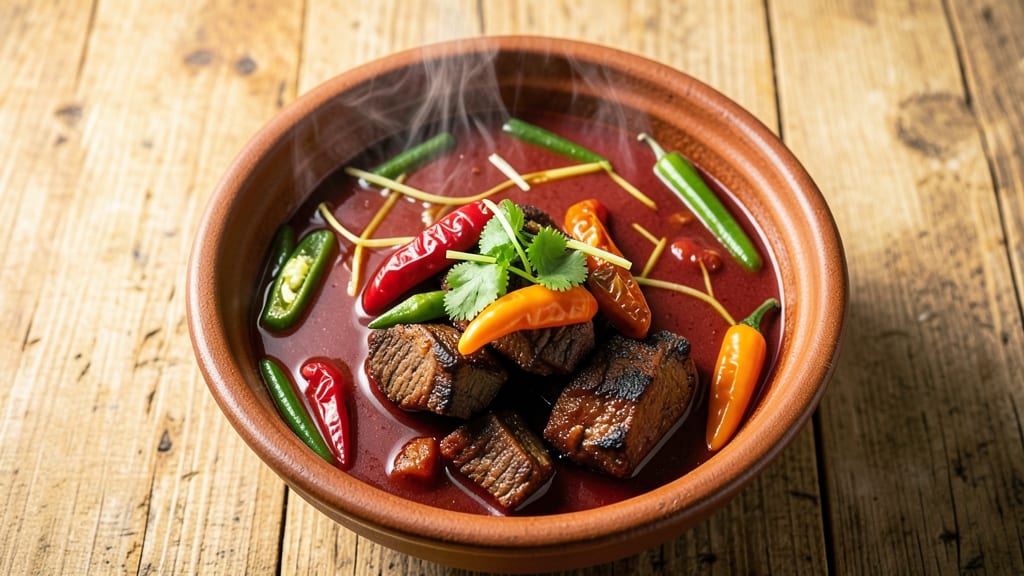
This Banga Soup Nigerian recipe delivers the bold, smoky flavors of West Africa in every spoonful. 🌟 The secret lies in blending okra’s natural thickening with locust bean paste (iru) and a deep, peppery broth that transforms tough beef into melt-in-your-mouth bites.
I’ve perfected this version after years of testing—it’s the same soulful dish served in Nigerian homes, now simplified for your kitchen.
The dish begins with a rich, slow-cooked base of beef, tomatoes, and peppers, where the okra gradually thickens the broth into a velvety stew. Locust bean paste (iru) adds that signature earthy depth, while smoked paprika and thyme bring the smoky aroma that defines Banga.
This isn’t just soup—it’s a celebration of Nigerian comfort food, where every ingredient plays a role in creating that perfect balance of heat, richness, and texture.
What you’ll end up with is a deep amber stew with tender beef pieces swimming in a glossy, slightly thickened broth. The okra’s natural sliminess binds the flavors together, while the iru and peppers create a complex, layered taste that’s both comforting and exciting.
Serve it with eba, pounded yam, or swallow for the full experience—this is the kind of meal that turns a simple dinner into a cultural journey.
For authenticity, source locust beans (iru) from African markets or online stores—they’re the heart of this dish. The slow cooking process is key, allowing the flavors to meld and the beef to become fork-tender.
Whether you’re cooking for family or hosting a gathering, this recipe delivers restaurant-quality Banga Soup at home. Let’s get started!
Ingredients for banga soup nigerian
Sixteen ingredients to bring bold Nigerian flavors to your table. Nothing exotic—just good stuff with big impact.
| Ingredient | Amount | Notes |
|---|---|---|
| Beef Chuck Roast 🥩 | 2 ½ lb | Cut into 2-inch cubes, bone-in preferred |
| Fresh Okra Pods 🌽 | 1 lb | Trimmed, sliced into 1-inch pieces |
| Locust Bean Paste (Iru) 🌶️ | ½ cup | Traditional African market paste |
| Fresh Tomatoes 🍅 | 4 large | Roma or vine-ripened, chopped |
| Red Bell Peppers 🌶️ | 2 whole | Seeded, chopped into strips |
| Scotch Bonnet Peppers 🌶️ | 2 whole | Adjust for heat preference |
| Onions 🧅 | 2 whole | Yellow or red, sliced |
| Garlic Cloves 🧄 | 8 cloves | Minced or crushed |
| Smoked Paprika 🌶️ | 2 tbsp | For authentic smoky flavor |
| Ground Black Pepper 🌶️ | 1 tbsp | Freshly cracked for best flavor |
| Fresh Thyme Leaves 🌿 | ¼ cup | Or 1 tbsp dried thyme |
| Fish Stock 🐟 | 4 cups | Or vegetable stock for veg option |
| Palm Oil 🫒 | ¼ cup | For traditional rich color |
| Salt 🧂 | 1 ½ tbsp | Adjust to taste |
| Fresh Cilantro 🌿 | ¼ cup | Chopped, for garnish |
The beef is non-negotiable here—chuck roast with some fat gives that melt-in-your-mouth texture. Most grocery stores carry it pre-cut, but if not, ask the butcher to cube it for you. African markets or specialty stores are your best bet for locust bean paste (iru)—it's the soul of this dish. No iru? Substitute 1 tbsp soy sauce plus 1 tsp smoked paprika as a pinch-hitter. For the okra, fresh is ideal, but frozen works in a pinch. Just don't overcook it or it turns mushy. The scotch bonnet peppers are key for that signature heat—adjust to your spice tolerance by seeding them more or less.
No palm oil? Olive oil or vegetable oil works, though the dish will look less vibrant. The fish stock is traditional, but vegetable stock keeps it vegetarian without sacrificing depth. Fresh thyme is best, but dried works at one-third the amount. For the tomatoes, Roma tomatoes concentrate flavor better than beefsteak. If you can't find scotch bonnet, jalapeno or habanero will give you heat, but the flavor won't be identical. The smoked paprika is what gives Banga its signature smoky aroma—don't skip it. And trust me on the palm oil: it's worth the extra minute to heat it gently before adding to the pot.
This soup tastes even better the next day—plan ahead and make extra. Keeps 5-6 days in the fridge, or freeze portions for up to 3 months. The okra thickens as it cooks, so start with less if you prefer a looser stew. For serving, eba or pounded yam are traditional, but rice or crusty bread works too. The leftovers reheat beautifully—just add a splash of water or stock to thin it out if needed. Store the palm oil in a cool, dark place—it stays good for 6-12 months unopened.
Why You'll Love This Recipe
- One-Pot Magic: I swear by this—just toss everything into a pot, and the beef melts into tender perfection while the okra thickens the broth naturally. No fancy steps, no stress.
- Umami Bomb: That iru paste? It’s the secret weapon—earthy, nutty, and so satisfying. The tomatoes and bell peppers brighten it up, but the iru makes it unforgettable.
- Weeknight to Party: Same recipe, different vibes—serve it with rice for a quick weeknight meal or add extra peppers and a side of plantains for a Sunday feast. It’s that adaptable.
- Budget Stretch: A single chuck roast feeds my whole family, and the iru and okra stretch the broth into three hearty servings. Leftovers? Even better the next day.
Step-by-step instructions for Banga soup Nigerian recipe
Here's how to make this rich, peppery okra stew with tender beef—just like home.
🔥 Step 1: Sear the Beef for Deep Flavor
Heat a heavy pot over medium-high heat and add the 2.5 lb beef chuck roast cut into 2-inch cubes. Let the beef brown undisturbed for 3-4 minutes per side until deeply golden. This step builds flavor through the Maillard reaction—don't rush it.
Once browned, remove the beef and set it aside. You'll notice the pot has beautiful browned bits stuck to the bottom—these are flavor gold. Add 2 tablespoons smoked paprika and stir for 30 seconds to toast the spices and release their aroma. This gives the soup that signature smoky depth.
👨🍳 Step 2: Build the Okra and Tomato Base
In the same pot, add 0.25 cup palm oil and heat until shimmering. Add the 1 lb sliced okra pods and cook for 5 minutes, stirring occasionally, until they begin to soften slightly. The okra will release its natural sliminess—this is normal and essential for the stew's texture.
Add the 2 whole sliced onions and cook for 3 minutes until softened. Stir in the 4 chopped fresh tomatoes and cook for another 5 minutes until they break down into a thick paste. This creates the soup's rich, velvety base. If the mixture looks too dry, add ½ cup fish stock to help it along.
🍳 Step 3: Add Aromatics and Locust Bean Paste
Push the onion-tomato mixture to one side of the pot and add the 8 minced garlic cloves and 2 chopped red bell peppers. Sauté for 2 minutes until fragrant—you should smell that sweet garlic aroma wafting through your kitchen.
Add the 0.5 cup locust bean paste (iru) and stir vigorously to dissolve it completely. This paste is the secret to Banga's signature texture—it thickens the stew and adds a nutty depth. Add the 2 chopped Scotch bonnet peppers (adjust for heat) and 0.25 cup fresh thyme leaves, then pour in the remaining 3½ cups fish stock. Stir well to combine all ingredients.
🥘 Step 4: Simmer the Soup to Perfection
Return the browned beef to the pot and bring everything to a gentle boil. Once boiling, reduce heat to low and let it simmer uncovered for 1 hour 30 minutes. You'll see the soup thicken gradually as the okra releases more of its natural gums. Stir occasionally to prevent sticking.
After 1 hour, check the beef for tenderness. It should be fork-tender with just a slight resistance. If needed, continue simmering for another 15-30 minutes. The soup should have a rich, velvety consistency—not too thick, not too thin, but perfectly balanced. Taste and adjust seasoning with the remaining 1.5 tablespoons salt and 1 tablespoon ground black pepper.
🍽️ Step 5: Finish and Serve
Once the beef is tender and the soup has reached the perfect consistency, remove from heat. Let it rest for 5 minutes to allow all the flavors to meld together. This resting period is crucial—it lets the okra fully thicken and the beef absorb all that delicious broth.
Before serving, garnish each bowl with 0.25 cup chopped fresh cilantro. The bright, fresh herbs cut through the richness of the stew and add a beautiful pop of color. Serve immediately with your choice of sides like pounded yam, eba, or rice. The aroma alone will have everyone at your table eager for their first bite!
Pro Tips For Making Banga Soup Nigerian
- SEAR THE BEEF FIRST: Banga soup needs that deep, caramelized flavor from the beef, so don’t skip the sear—cut the chuck roast into 2-inch chunks and brown them in batches over medium-high heat with a splash of oil. The crust locks in moisture and cuts through the richness of the iru later.
- SLICE OKRA LENGTHWISE: Whole okra pods turn slimy and break apart in the pot. Instead, cut them into 1-inch thick rounds—this keeps them intact, soaks up the sauce better, and gives that signature textural bite without the mess.
- DILUTE THE IRU PROPERLY: Iru paste is thick and stubborn. Mix it with about ½ cup of the soup’s broth first, then stir it in—this prevents clumping and ensures it dissolves smoothly. Skim off any foam that rises; it’s not going to add flavor.
- LOW AND SLOW AFTER 30 MINUTES: Banga soup tastes best when the beef falls apart tender. After the initial simmer with tomatoes and peppers, drop the heat to a bare simmer (just tiny bubbles) and let it cook uncovered for at least 2 hours—this concentrates the flavors and avoids a watery finish.
Common mistakes when making great banga soup nigerian
Overcooking the Okra
Okra is delicate—once it turns mushy, there’s no bringing it back. I’ve seen beginners boil it too long, turning the stew into a gluey mess. Cook it for only 5 minutes in the palm oil before adding other ingredients.
Stir occasionally to prevent sticking, but don’t let it soften completely. The okra’s natural sliminess thickens the soup gradually during the simmer, not all at once. 🌽
Skipping the Beef Sear
This is a game-changer for flavor. If you skip searing the beef, you’ll miss out on the deep, caramelized Maillard reaction that builds the soup’s rich foundation. Brown each side for 3-4 minutes until golden—don’t rush it.
The browned bits stuck to the pot are flavor gold. Trust me, the difference is night and day. 🥩
Ignoring the Locust Bean Paste
Locust bean paste (iru) is the heart of Banga Soup—without it, you’re missing the signature nutty depth and natural thickening. Many substitutes fail to replicate its earthy flavor.
If you can’t find iru, 1 tbsp soy sauce plus 1 tsp smoked paprika is the closest pinch-hitter, but it won’t be identical. Stir the paste vigorously into the pot to dissolve it completely before adding liquid. 🌶️
Rushing the Simmer Time
Banga Soup needs patience. Trying to speed up the simmering by boiling hard will make the beef tough and the okra disintegrate. Keep the heat at a gentle simmer for 1 hour 30 minutes—this allows the beef to become fork-tender and the okra to thicken naturally.
Skipping this step results in a watery, underdeveloped stew. The flavors need time to meld. ⏰
Using Low-Quality Palm Oil
Palm oil gives Banga Soup its signature rich color and flavor, but not all palm oil is created equal. Avoid refined or bleached versions—they lack the smoky, earthy notes you want. Use unrefined red palm oil for the best results.
Heat it gently before adding to the pot to preserve its flavor. If you can’t find it, olive oil works in a pinch, but the dish will look and taste less authentic. 🫒
Over-Salting Early
It’s tempting to salt the soup early, but the flavors develop as it simmers. Adding too much salt upfront can overwhelm the dish. Instead, taste as you go and adjust the remaining 1.5 tbsp salt during the final 15 minutes of cooking.
The beef absorbs flavor over time, so patience pays off. Trust your taste buds—they’ll guide you to perfect seasoning. 🧂
Nutrition facts
Frequently asked questions
Can I make Banga Soup with chicken instead of beef?
Chicken works beautifully and cooks faster than beef. Use 3 lb bone-in chicken thighs (they stay juicier than breasts) and reduce the simmering time to 45-60 minutes. The chicken will be tender and absorb the rich flavors perfectly. Just be sure to remove it from the broth when it's fully cooked and return it to the pot at the end to reheat slightly.
What's the best substitute for locust bean paste (iru)?
While nothing perfectly replaces iru, try this combo: 1 tbsp soy sauce + 1 tsp smoked paprika + ½ tsp ground locust beans (if available). For a thicker texture, blend 2 tbsp chickpea flour with 2 tbsp water—this mimics the thickening power. The flavor won't be identical, but it'll help maintain the stew's body.
How do I make Banga Soup spicier?
For extra heat, add 1 extra Scotch bonnet pepper (seeds in for maximum fire) or 1 tbsp cayenne pepper when simmering. You can also stir in 1 tsp ground ginger or ½ tsp allspice for depth. Remember—Nigerian soups build heat gradually, so start conservative and adjust to taste at the end.
Can I prepare Banga Soup ahead of time?
This soup tastes even better the next day! Let it cool completely, then store in an airtight container in the fridge for up to 5 days. Reheat gently on low heat, adding a splash of water or stock if it thickens too much. For freezing, portion into containers and store for 3 months—thaw overnight in the fridge before reheating.
What's the difference between Banga Soup and Okra Soup?
While both use okra, Banga Soup has key differences: it includes locust bean paste (iru) for thickening, smoked paprika for depth, and often features meat (beef/chicken). Traditional okra soup is lighter, made with just okra, tomatoes, and fish. Banga's signature comes from the iru and smoky spices that create its distinctive, rich flavor profile.