
Soups & Stews
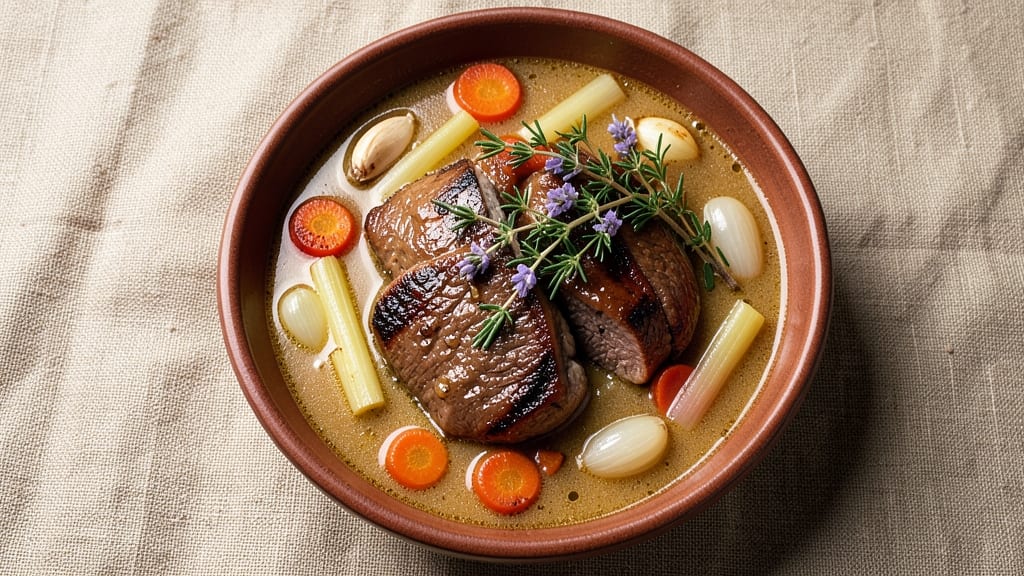
This beef heart soup recipe delivers deep umami flavor and melt-in-your-mouth tender meat bites that transform an underused cut into a restaurant-worthy dish. The secret lies in proper preparation—cleaning and slicing the heart correctly ensures it cooks evenly without becoming chewy.
Most recipes skip this step, but taking the time upfront makes all the difference in texture and digestibility.
Start by searing aromatics like garlic, onions, and celery in olive oil until fragrant—this forms the flavor base for the rich broth. The heart should simmer gently for at least 2 hours, allowing collagen to break down into gelatinous goodness that thickens the soup naturally.
Unlike quick broths, this method develops layers of savory depth that store-bought versions can't match.
What you'll end up with is a velvety soup where tender beef heart pieces float in a golden broth, infused with herbs and vegetables. The result is hearty enough for a main course but light enough for a comforting lunch.
Garnish with fresh parsley and serve with crusty bread to soak up every last drop of that umami-rich liquid.
Perfect for meal prep—this soup tastes even better the next day as flavors meld. The recipe scales easily for crowds, making it ideal for gatherings where you want to impress without spending hours in the kitchen. Let's get started with the full instructions.
Ingredients for beef heart soup
Sixteen ingredients crafting a velvety soup where tender beef heart meets deep umami richness.
| Ingredient | Amount | Notes |
|---|---|---|
| Beef Heart 🥩 | 2 lb | Cleaned and trimmed, sliced into 1-inch pieces |
| Yellow Onions 🧅 | 2 whole | Medium, sliced into half-moons |
| Celery Stalks 🥬 | 4 whole | Trimmed, cut into 1-inch pieces |
| Garlic Cloves 🧄 | 6 cloves | Peeled, smashed for deeper flavor |
| Extra-Virgin Olive Oil 🫒 | ½ cup | For searing aromatics and heart |
| Carrots 🥕 | 4 whole | Medium, peeled and cut into chunks |
| Tomatoes 🍅 | 2 whole | Roma or vine-ripened, diced |
| Beef Broth 🥫 | 6 cups | Homemade or high-quality store-bought |
| Red Wine 🍷 | 1 cup | Dry, like Cabernet Sauvignon |
| Tomato Paste 🍅 | 2 tbsp | For depth of flavor |
| Fresh Thyme 🌿 | 2 tbsp | Leaves only, chopped |
| Fresh Parsley 🌿 | ¼ cup | Chopped, for garnish |
| Bay Leaves 🌿 | 2 whole | For subtle earthy flavor |
| Salt 🧂 | 1 ½ tsp | Kosher or sea salt, adjust to taste |
| Black Peppercorns 🌶️ | 1 tsp | Freshly cracked |
The beef heart is the star—look for a fresh, bright red cut from a butcher or specialty market. Whole Foods or local butchers often carry it pre-cleaned, but if not, you'll need to trim off veins and silver skin yourself. The key is slicing it evenly into 1-inch pieces; thicker slices stay chewy. For the best texture, soak the heart in cold water for 30 minutes before cooking to remove any blood. The aromatics—onions, celery, and garlic—should be fresh and crisp, not wilted or bruised, as they form the flavor base of the broth. If you're short on time, frozen veggies work, but fresh will give you that restaurant-quality depth.
No red wine? Substitute with an extra 1 cup of beef broth plus 1 tbsp balsamic vinegar—it mimics the acidity and richness. Fresh thyme is ideal, but dried works at one-third the amount. If you're using canned tomatoes, opt for San Marzano for a sweeter, less acidic flavor. The tomato paste can be swapped for 1 extra cup of crushed tomatoes if you prefer. For extra umami, add 1 tsp fish sauce or 2 tbsp soy sauce, though this is optional. The beef broth is non-negotiable—homemade is best, but Swanson or Pacific brand are solid store-bought options. If you're making this ahead, prep all veggies and store them in the fridge for up to 3 days.
This soup tastes even better the next day as flavors meld—plan ahead. Store in an airtight container in the fridge for 4-5 days, or freeze for up to 3 months. To reheat, warm gently on the stove with a splash of broth to restore richness. The heart will firm up slightly but remains tender when reheated. For serving, crusty bread or a sprinkle of fresh parsley elevates the dish. Double the recipe for crowds—it scales beautifully, and the leftovers make great lunches. The broth alone is worth saving for future soups or risottos.
Why You'll Love This Recipe
- Pantry Powerhouse: I’ll be real—this soup comes together with stuff I already have. No fancy ingredients, just beef heart, onions, celery, and garlic simmered in olive oil until the flavors meld into something rich and deep. Honestly, it’s the kind of meal that makes me feel like I’ve outsmarted grocery day.
- Umami Bomb: That beef heart? It’s the secret weapon—tender, slightly chewy, and packed with a meaty depth that turns a simple broth into something ridiculously satisfying. The garlic and onions caramelize just enough to add a sweet, savory punch that lingers, even after the last spoonful.
- Weeknight Workhorse: Between us, this is my go-to when I’m swamped but still want something hearty. Double the batch, freeze half, and you’ve got a ready-to-revive meal for those nights when takeout feels like too much effort. (Yes, even on a Tuesday night.)
- Budget Magic: A single beef heart stretches across multiple servings, and the other ingredients cost next to nothing. I’ve made this for $3 a bowl—way cheaper than delivery, and way more flavorful. Plus, the leftovers taste just as good reheated the next day.
Step-by-step instructions for beef heart soup
Transform tough beef heart into tender, flavorful bites with this method.
Sear the Beef Heart for Maximum Flavor
Heat the 0.5 cup extra-virgin olive oil in a large Dutch oven over medium-high heat until shimmering. Working in batches to avoid crowding, add the 2 lb sliced beef heart and sear for 2-3 minutes per side until deeply browned. This step develops the rich, meaty flavor that forms the soup's foundation.
Don't skip this searing—it creates the Maillard reaction that transforms the beef heart's natural umami into complex, savory notes. Transfer the seared beef heart to a plate and set aside. If the oil starts smoking, reduce heat slightly to maintain control without losing color.
Build the Aromatic Base
In the same Dutch oven, add the 2 whole yellow onions, 4 whole celery stalks, and 4 whole carrots, all cut into 1-inch pieces. Cook for 8-10 minutes until the vegetables soften and the onions become translucent. Stir occasionally to prevent burning.
Add the 6 smashed garlic cloves and cook for 30 seconds until fragrant—this releases their full flavor. Stir in the 2 tbsp tomato paste and cook for another 1 minute, allowing it to deepen in color. This base forms the flavor backbone of your soup.
Deglaze and Simmer the Broth
Pour in the 1 cup red wine and scrape up any browned bits from the bottom of the pot. This deglazing step captures all the concentrated flavors you've built. Let it simmer for 5 minutes until the wine reduces by half and its alcohol aroma dissipates.
Add the 6 cups beef broth, 2 whole bay leaves, and 2 tbsp fresh thyme. Bring to a gentle boil, then reduce heat to medium-low and return the beef heart to the pot. Partially cover and simmer for 1 hour, allowing the meat to become fork-tender while the broth infuses with flavor.
Finish with Tomatoes and Season
Stir in the 2 whole diced tomatoes and continue simmering for another 20-25 minutes until the beef heart is tender enough to pull apart with a fork. The tomatoes will break down slightly, adding natural sweetness to balance the rich meat flavors.
Season with 1.5 tsp salt and 1 tsp freshly cracked black peppercorns. Taste and adjust seasoning—this is where you'll notice if the broth needs more salt or acidity. The soup should be rich but not overly salty, with a perfect balance of umami from the beef heart and acidity from the wine.
Garnish and Serve
Remove the 2 bay leaves and discard. Ladle the soup into bowls and garnish with 0.25 cup chopped fresh parsley. The parsley adds a bright contrast to the deep, meaty flavors and makes the dish visually appealing.
Serve immediately with crusty bread to soak up every last drop of that umami-rich broth. The beef heart should be tender but still hold its shape slightly, with a satisfying bite that contrasts beautifully with the silky broth.
Pro Tips For Making Beef Heart Soup
- Sear the Heart First: Beef heart needs that deep, caramelized crust to keep it from turning into mush later. Hit it hard in a cold pan with olive oil—no rushing—until it’s dark brown on all sides. I used to skip this, and the soup always ended up bland and watery.
- Slice Thin, Slice Even: A sharp knife and steady hand make all the difference here. Cut the beef heart into ½-inch slices, and for heaven’s sake, keep them the same thickness. Uneven pieces cook at different rates, and you’ll either have dry chunks or undercooked slabs—neither is good.
- Sweat, Don’t Burn, the Aromatics: Low heat is your friend when cooking onions, celery, and garlic. If you crank the heat too high, those onions will blacken before they soften, and the whole soup will taste bitter. I learned this after one disastrous batch where I was in a hurry.
- Add Liquid Gradually: Start with just enough broth to barely cover the beef heart, then let it simmer until the liquid reduces by about a third. Only then add more—this builds flavor instead of diluting it. I was skeptical until I tried it; the soup now has real depth instead of tasting like weak tea.
Serving suggestions for leftovers
Crusty Bread Pairings
Nothing beats warm, crusty bread for soaking up the rich broth in beef heart soup. I recommend a sourdough baguette or ciabatta—their open crumb structure traps the hearty liquid perfectly. For extra flair, toast the bread with garlic-infused olive oil and sprinkle with flaky sea salt before serving. 🥖
If you prefer something heartier, try rustic Italian bread with a crispy crust. The bread should be sturdy enough to handle the soup's intensity without turning mushy. For a gluten-free option, rosemary focaccia made with almond flour works beautifully while still delivering that satisfying crunch.
Herb Garnishes
Fresh herbs elevate both flavor and presentation. I always finish with chopped parsley—about ¼ cup—for a bright, fresh contrast to the deep umami. For an extra layer of complexity, add thinly sliced chives or chopped cilantro if you enjoy a slightly citrusy note. 🌿
For a more aromatic touch, sprinkle toasted pine nuts or pumpkin seeds on top just before serving. These add a delightful crunch and nutty depth that complements the beef heart's richness. If you're feeling adventurous, a drizzle of high-quality extra-virgin olive oil adds a luxurious finish.
Side Dish Ideas
A simple arugula salad with lemon vinaigrette cuts through the soup's richness beautifully. Toss 4 cups baby arugula with 2 tbsp olive oil, 1 tbsp fresh lemon juice, and a pinch of flaky salt. The peppery bite balances the hearty flavors perfectly. 🥗
For a heartier side, consider roasted garlic mashed potatoes or creamy polenta. Both pair wonderfully with the soup's depth and add a comforting element to the meal. If you're serving this as a main course, a small Caesar salad with anchovies and Parmesan adds a salty, umami-rich contrast.
Wine Pairings
A bold Cabernet Sauvignon or Syrah complements the beef heart's richness and the wine's acidity cuts through the soup's richness. I love pairing this with a California Cabernet or a French Syrah from the Northern Rhône. 🍷
For white wine lovers, a dry Chardonnay with noticeable oak adds a creamy contrast to the hearty broth. Avoid overly sweet or fruity wines—they'll clash with the dish's savory depth. A crisp Sauvignon Blanc with citrus notes can also work if you prefer a lighter option.
Presentation Tips
Serve the soup in deep, rustic bowls to showcase its hearty nature. Ladle the soup carefully to avoid splashing, and arrange the beef heart pieces attractively on top. A sprinkle of fresh herbs or toasted nuts adds visual appeal and texture contrast. 💫
For a restaurant-worthy touch, garnish with a drizzle of high-quality olive oil and a pinch of smoked paprika. This not only enhances flavor but also makes the dish look professional. If you're serving a crowd, consider using a large tureen for a communal feel, with individual bowls for serving.
Nutrition facts
Frequently asked questions
Why does beef heart need special preparation before cooking?
Beef heart contains blood vessels and connective tissue that must be removed for tender results. The silver skin and veins are trimmed away, and the meat is sliced evenly to ensure consistent cooking. Soaking it in cold water for 30 minutes also removes any residual blood, preventing a metallic taste in your soup. Skipping these steps often leads to chewy, gamey meat.
Can I use frozen beef heart instead of fresh?
Yes, but thaw it completely in the refrigerator for 24 hours before prepping. Frozen beef heart can develop ice crystals that affect texture. If short on time, submerge the sealed package in cold water for 1-2 hours, changing the water every 30 minutes. Never thaw at room temperature—this promotes bacterial growth.
How do I know when the beef heart is tender enough?
The heart should be fork-tender—easily pierced with a fork but still holding its shape slightly. After 1 hour of simmering, test a piece: it should pull apart cleanly with minimal resistance. If it feels firm, cook 15-20 minutes longer. Overcooking turns it mushy, while undercooking leaves it rubbery.
What if I don't have red wine for deglazing?
Use 1 cup beef broth plus 1 tbsp balsamic vinegar for acidity. Alternatively, swap for ½ cup apple cider vinegar or lemon juice—both add brightness. The key is balancing the rich meat flavors with acidity. Avoid skipping this step entirely, as it helps break down proteins for a smoother broth.
Can I make this soup in a slow cooker?
Sear the beef heart first, then transfer everything to the slow cooker. Cook on low for 6-7 hours or high for 3-4 hours. The low-and-slow method enhances tenderness and flavor depth. Just add the tomatoes in the last 30 minutes to prevent them from turning to mush.