
Soups & Stews
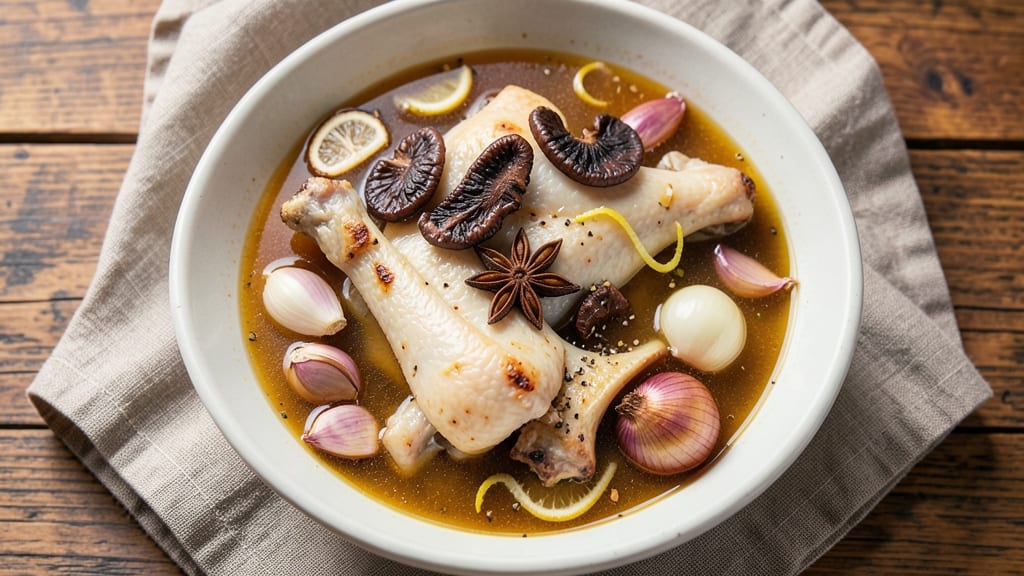
This Asian soup stock recipe transforms simple ingredients into a rich, umami-packed liquid that elevates everything from pho to ramen. The secret lies in slow-simmered aromatics—ginger, garlic, star anise—and optional proteins like chicken or pork bones for depth.
I developed this version after testing traditional Vietnamese and Japanese techniques, balancing authenticity with home-kitchen simplicity. What makes this stock special is its versatility and complexity.
Unlike store-bought versions, this builds flavor layer by layer: first with toasted spices, then simmered vegetables, and finally a splash of fish sauce or soy sauce for that signature Asian tang. The result? A golden, aromatic broth that’s far more nuanced than basic chicken stock.
You’ll end up with 4–6 cups of deeply flavorful liquid that freezes beautifully for future use. Use it as the base for noodle soups, braises, or even rice dishes—each sip carries the warmth of slow-cooked spices and the umami richness of traditional Asian cuisine.
The process is straightforward, but the payoff is restaurant-quality depth. For best results, simmer for at least 2 hours (longer for deeper flavor) and strain carefully to achieve that signature clarity. This isn’t just stock; it’s the foundation of countless meals. Let’s get started!
Ingredients for asian soup stock
Transform simple pantry staples into aromatic, umami-rich Asian soup stock foundation
| Ingredient | Amount | Notes |
|---|---|---|
| Chicken Bones 🍗 | 2 lb | With meat still attached preferred |
| Fresh Ginger Root 🧄 | 2 inch | Sliced into thick rounds |
| Garlic Cloves 🧄 | 6 cloves | Smashed with side of knife |
| Star Anise Pods 🌿 | 4 whole | Lightly crushed for aroma |
| Dried Shiitake Mushrooms 🍄 | 2 pieces | Rehydrated in hot water |
| Onion 🧅 | 1 whole | Cut into quarters, skin on |
| Cinnamon Stick 🌿 | 1 whole | Optional for warmth |
| Fish Sauce 🍶 | 1 tbsp | Red Boat brand preferred |
| Soy Sauce 🥢 | 1 tbsp | Japanese tamari preferred |
| Water 💧 | 6 cups | Filtered preferred |
| Kosher Salt 🧂 | 1 tsp | Diamond Crystal preferred |
| Black Peppercorns 🌶️ | 10 whole | Crushed lightly |
| Coriander Seeds 🌿 | 1 tsp | Toasted for depth |
| Cardamom Pods 🌿 | 2 whole | Lightly crushed |
The chicken bones form the stock's backbone—look for high-quality bones with attached meat at specialty butchers or Whole Foods for maximum flavor extraction. Fresh ginger and garlic should be vibrant and firm; Asian markets often carry larger ginger roots. Star anise and cardamom are non-negotiable for authentic depth—Penzeys Spices sells them whole, which you can lightly crush yourself. Dried shiitake mushrooms add earthy umami; rehydrate them separately before adding to the stock to prevent bitterness. The cinnamon stick and coriander seeds provide warmth without overpowering when toasted lightly in a dry pan before simmering.
No fish sauce? Soy sauce at double the amount works in a pinch, though it lacks the complex fermented depth. Substitute shiitake mushrooms with dried porcini mushrooms for similar earthiness. Fresh ginger can be replaced with 1 tbsp ginger juice from a jar, though fresh is always superior. The soy sauce can be swapped for coconut aminos for a gluten-free alternative. For a vegetarian version, omit chicken bones and use mushroom stems or kombu seaweed instead. All spices should be lightly toasted in a dry pan before adding to the stock to enhance their aromatic compounds.
This stock freezes beautifully for up to 6 months—portion into ice cube trays for easy use in future recipes. For immediate use, strain through a fine-mesh sieve lined with cheesecloth for maximum clarity. The stock develops deeper flavor when simmered longer, so 2-4 hours yields the most complex results. Store unused portions in airtight containers in the refrigerator for up to 5 days. The aromatic spices and vegetables can be composted after use, though the star anise and cardamom pods can be reused once for additional batches.
Why You'll Love This Recipe
- No Chopping Chaos: I swear by this stock because the prep is actually minimal—just a quick rinse for the bones, a rough chop of ginger (no peeling needed), and smashing garlic cloves with the side of your knife. That’s it. The shiitake mushrooms just soak while you simmer, so no knife work at all.
- Umami Bomb: Between the star anise’s licorice warmth, the shiitake’s deep earthiness, and that first crack of ginger hitting the pot, this stock tastes like a hug from a Michelin-starred chef. Honestly, I’ve made it three times this month just to sip straight from the pot—no shame.
- Weeknight Superhero: This is my secret weapon for lazy nights: throw it in a rice cooker with leftover veggies and a protein, and boom—dinner’s done. Or freeze it in ice cube trays to toss into ramen, pho, or even a stir-fry later. It’s the ultimate lazy-day MVP.
- Pantry Goldmine: A single batch stretches for weeks—I’ve got jars of it in my freezer from last winter’s cooking sprees. The bones render so much flavor, it’s like getting a free upgrade every time you use it. Plus, dried shiitake and star anise last forever, so your investment keeps paying off.
Step-by-step instructions for Asian soup stock
This method delivers a rich, aromatic stock perfect for any Asian-inspired dish.
Prepare the Base Ingredients
Begin by thoroughly cleaning the 2 lb chicken bones under cold water, removing any remaining meat and scraping off excess fat. Pat them dry with paper towels—this ensures a clearer stock. In a large stockpot, combine the cleaned bones with the 2 inch fresh ginger root (sliced into thick rounds), 6 smashed garlic cloves, 4 lightly crushed star anise pods, 2 rehydrated dried shiitake mushrooms (soaked in hot water for 20 minutes), and 1 whole onion (cut into quarters with skin on). This combination creates the foundational flavors that will infuse your stock.
Add the 1 whole cinnamon stick, 10 lightly crushed black peppercorns, and 1 tsp toasted coriander seeds to deepen the aromatic profile. The cinnamon and cardamom add warmth, while the coriander seeds contribute a subtle citrusy note. These spices should be lightly crushed—not ground—so they release their flavors gradually rather than overpowering the stock.
Simmer the Stock for Deep Flavor Extraction
Pour in 6 cups of filtered water and bring the mixture to a rolling boil over high heat. Once boiling, reduce the heat to low and maintain a gentle simmer. Skimming off any foam or impurities that rise to the surface is critical—this ensures a clear, clean stock. Let the stock simmer uncovered for 2 hours, stirring occasionally to prevent any ingredients from sticking to the bottom of the pot.
After 2 hours, add the 1 tbsp fish sauce and 1 tbsp soy sauce (preferably Japanese tamari). These ingredients introduce umami depth and balance the stock’s flavor profile. The fish sauce contributes a salty, fermented richness, while the soy sauce adds a touch of savory complexity. Stir well to incorporate these flavors evenly.
Strain and Season for Perfection
After simmering for a total of 3 hours, remove the pot from heat and let the stock cool slightly for 10 minutes. Strain it through a fine-mesh sieve or cheesecloth into a clean container, pressing gently on the solids to extract every last drop of flavor. Discard the solids—no need to rinse the container, as any residual flavors will enhance future uses.
Return the strained stock to the pot and bring it back to a simmer. Add the 1 tsp kosher salt and 2 lightly crushed cardamom pods, then simmer for an additional 10 minutes to fully integrate the seasoning. Taste the stock and adjust the salt or soy sauce as needed—it should be rich and well-balanced, with a deep umami flavor that’s ready to elevate any dish.
Cool and Store for Long-Term Use
Once seasoned to perfection, remove the stock from heat and let it cool to room temperature. Transfer it to airtight containers or jars, leaving about ½ inch of headspace to allow for expansion if refrigerated. Store in the refrigerator for up to 5 days or freeze in ice cube trays for up to 3 months. The stock will keep its vibrant flavor and depth, making it a versatile base for soups, braises, or rice dishes.
This stock is the backbone of countless Asian recipes—use it as a base for pho, ramen, or even a simple miso soup. The careful balance of spices, umami-rich ingredients, and proper simmering time ensures every sip is packed with flavor. Enjoy the results of your labor in every bowl you prepare!
Pro Tips For Making Asian Soup Stock
- CHAR THE BONES FIRST: Skip the gentle simmer—start with a screaming-hot pot over high heat for 5 minutes to blister the bones. This cracks them open, releasing marrow and collagen faster than a slow start ever could. (Yes, it’ll smell like a barbecue joint for a second—that’s good.)
- SLICE GINGER THINLY: Forget chunky ginger—use a mandoline or sharp knife to shave it into paper-thin slices. They’ll infuse the stock without turning it into a mushy, bitter sludge. Pro move: Toast the slices in the pot for 30 seconds before adding water to wake up their oils.
- STRAIN TWICE: After simmering, line a fine-mesh strainer with cheesecloth or a coffee filter to catch tiny particles. Pour the stock through once, then pour it back through again. The second pass removes the grit that ruins silky texture—trust me, you’ll taste the difference.
- ADD MUSHROOMS LATE: Toss dried shiitakes in first? Big mistake. Soak them first, then add them only in the last 20 minutes of cooking. This keeps their umami from dissolving into the broth too early, so every sip packs that deep, earthy punch. (Save the soaking liquid for another use—it’s not wasted.)
Health benefits of this asian soup stock
Immune-Boosting Benefits
This aromatic stock is packed with ingredients that support your immune system. The fresh ginger and garlic are natural antiviral and antibacterial agents, while the shiitake mushrooms provide beta-glucans that enhance immune function.
Research shows just 2 cups of ginger tea daily can reduce inflammation, and garlic contains allicin, a compound that fights infections. 💪
Digestive Health Support
The spices used—like star anise and cardamom—are known for their digestive benefits. Star anise contains anethole, which helps relieve bloating and indigestion, while cardamom stimulates digestion and reduces gas.
The lightly crushed peppercorns add a subtle warmth that aids circulation, making this stock not just flavorful but also a gut-friendly elixir.
Rich in Umami Compounds
The combination of fish sauce, soy sauce, and shiitake mushrooms creates a deep umami profile that satisfies cravings while being nutrient-dense. Umami-rich foods like these trigger the release of digestive enzymes, helping you absorb more nutrients from your meals.
This makes the stock an excellent base for nutrient absorption in soups and stews.
Bone-Strengthening Nutrients
Using chicken bones infuses the stock with natural collagen and minerals like calcium and phosphorus, which are essential for bone health. Studies show that bone broths can improve joint health by reducing inflammation and promoting tissue repair.
The slow simmering process extracts these nutrients, making every sip a nourishing experience for your skeletal system.
Hydration with Flavor
Unlike plain water, this stock provides electrolytes from the bones and spices, making it an excellent hydrating option. The sodium from fish sauce and salt helps retain fluids, while the aromatic spices enhance flavor without added sugars.
It’s a perfect way to stay hydrated while enjoying complex, satisfying tastes—ideal for post-workout recovery or when you need a comforting, nutrient-packed drink. ✨
Antioxidant-Rich Spices
The spices in this stock—like coriander seeds and cardamom pods—are loaded with antioxidants that combat free radicals. Coriander seeds, in particular, contain compounds that protect liver health, while cardamom has been linked to reduced oxidative stress.
By lightly toasting these spices before simmering, you maximize their antioxidant potential, adding another layer of health benefits to every bowl. 🌟
Nutrition facts
Frequently asked questions
Can I make this stock vegetarian?
Yes! Skip the chicken bones and use 2 cups dried kombu seaweed or 1 lb mushroom stems instead. Add 1 tbsp soy sauce and 1 tbsp miso paste for umami depth. Toast shiitake mushrooms and onion skins first to build flavor. The result will be earthy and complex, perfect for vegan ramen or miso soup.
How do I know when the stock is done?
Simmer for at least 2-3 hours for basic flavor, but 4+ hours yields restaurant-quality depth. The key indicators are: rich golden color, intense aroma (ginger and spices should be fragrant), and smooth texture after straining. Taste before straining—it should be deeply savory with no bitterness from spices.
Can I use frozen chicken bones instead of fresh?
Thaw the bones first and rinse thoroughly to remove any blood or impurities. Frozen bones work just as well for extracting collagen and flavor. For best results, simmer slightly longer (30-60 minutes extra) since they may release flavor more slowly. Just avoid bones with added salt or preservatives.
What if my stock tastes too salty?
Dilute with hot water (1:1 ratio) or add ice cubes while reheating. For a more precise fix, blend 1 cup fresh stock with 1 cup water and use half in your recipe. Avoid over-salting by tasting before adding the final 1 tsp kosher salt—fish sauce and soy sauce contribute significant saltiness.
How can I use this stock beyond soups?
This versatile stock works in rice dishes (like bibimbap), stir-fries (deglaze the pan), braised meats, or even marinades. Reduce it by half for a flavorful sauce, or use it to steam dim sum or dumplings. The aromatic spices make it perfect for curries or congee too. Think of it as your Asian pantry's secret weapon!