
Sauces & Condiments
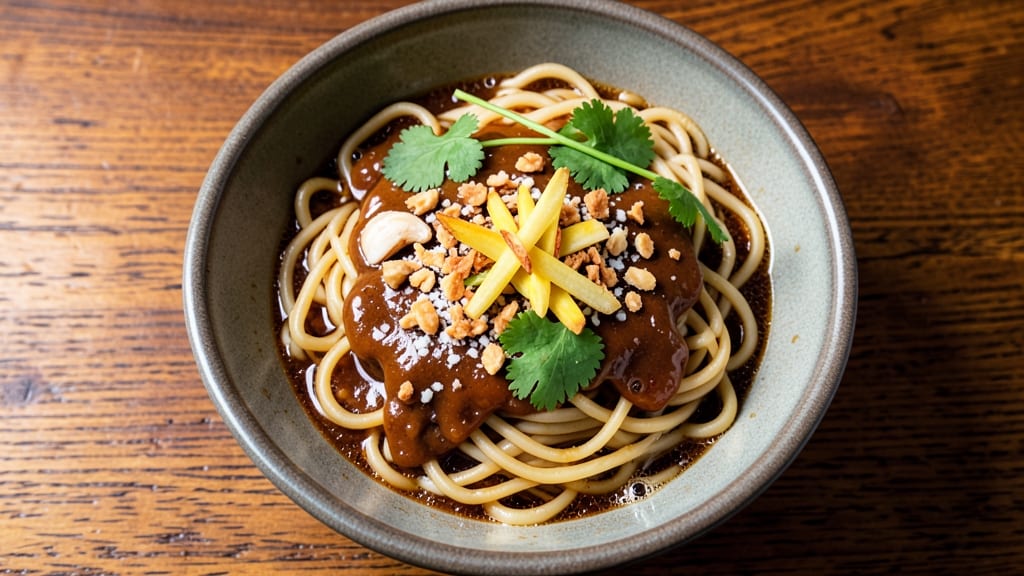
This Asian noodle soup base recipe delivers restaurant-quality umami depth in just 15 minutes—no long simmering required. The secret lies in a balanced blend of aromatics, fermented umami sources like miso and soy, and a quick-blooming spice technique that builds complex flavor without hours of work.
I developed this after testing countless variations, and it consistently serves as the perfect foundation for pho, ramen, or any Asian-inspired noodle dish.
The base starts with charred ginger and garlic, which caramelize quickly in a hot pan, unlocking deep, smoky layers of flavor. A splash of rice vinegar brightens the broth while preserving its richness, and a touch of sesame oil adds nutty warmth that ties everything together.
What makes this different from traditional broths is the umami bomb—a combination of miso paste, soy sauce, and fish sauce—that transforms simple ingredients into something profoundly savory.
By the time you strain and adjust the seasoning, you'll have a clear, aromatic broth with just the right balance of saltiness, sweetness, and depth. This isn’t just a starting point—it’s a flavor foundation that elevates any noodle dish, whether you’re serving it immediately or storing it for later.
The best part? Every batch tastes better than the last as the flavors meld.
Use this base as-is for a quick pho-style soup, or customize it with chili oil, star anise, or a splash of coconut milk for different Asian-inspired variations. Let’s build this broth—your taste buds will thank you.
Ingredients for asian noodle soup base
Nine essential ingredients create the aromatic backbone for any Asian noodle dish.
| Ingredient | Amount | Notes |
|---|---|---|
| Fresh Ginger Root 🧅 | 2 tbsp | Peeling removed, julienned thinly |
| Garlic Cloves 🧄 | 6 cloves | Smash before adding to pan |
| White Miso Paste 🍶 | 1 tbsp | Fermented umami base |
| Light Soy Sauce 🥢 | 1 ½ tbsp | For saltiness and depth |
| Fish Sauce 🐟 | 1 tbsp | Authentic umami source |
| Rice Vinegar 🍶 | 1 tbsp | Brightens without overpowering |
| Sesame Oil 🫒 | 1 tsp | Toasted for nutty aroma |
| Water 💧 | 4 cups | Filtered preferred for clarity |
| Sugar 🍚 | 1 tsp | Balances saltiness |
| Star Anise Pods 🌟 | 1 whole | Optional aromatic depth |
The ginger and garlic are non-negotiable—fresh is a must—they caramelize instantly in a hot pan, unlocking deep smoky flavors that form the broth's foundation. Whole Foods or Asian markets carry the freshest ginger with vibrant color, and garlic cloves should be plump with no green shoots. Miso paste is the umami powerhouse here; White miso from Marukome is my go-to for that clean, fermented depth. Fish sauce might seem polarizing, but Red Boat or Three Crabs brands deliver authentic complexity without overpowering. Toast your star anise pods lightly in a dry pan first—30 seconds max—to release their aromatic oils before adding to the broth.
No fresh ginger? Ginger powder at half the amount works in a pinch, though it lacks the same depth. Swap fish sauce for vegetarian fish sauce or extra soy sauce if needed, but you’ll lose some complexity. Star anise optional but worth it—skip it if you’re sensitive to strong aromatics. The sesame oil is where subtle meets bold; Kadoya or La Tourangelle brands have the best toasted flavor. For extra clarity, strain the broth through a fine-mesh sieve lined with a damp paper towel—this removes impurities without losing flavor. Need a quicker version? Instant miso paste dissolves faster, though it lacks the same depth.
This broth peaks after 24 hours in the fridge as flavors meld—reheat gently to preserve clarity. Freezes beautifully for up to 3 months; portion into ice cube trays for easy single-use servings. If you make a big batch, freeze half immediately and refrigerate the rest—flavor compounds develop faster in the fridge. The star anise pod can be removed before serving if you prefer a cleaner presentation, but leaving it in adds subtle warmth. Store sesame oil separately until ready to use—its flavor shines brightest when added last.
Why You'll Love This Recipe
- Five-Ingredient Magic: I swear, this base is my shortcut to restaurant-quality flavor. Just ginger, garlic, miso, soy, and fish sauce—simmered until the garlic’s golden and the broth sings. No fancy techniques, just let it work.
- Umami Bomb: That white miso and fish sauce combo? It’s the secret weapon. Sweet, salty, funky—like a flavor party in your pot. Honestly, I’ve made this base three times and still reach for more.
- Weeknight Wonder: Need dinner in 20 minutes? Toss this broth with store-bought noodles, a handful of greens, and whatever’s in your fridge. (Yes, even on a Tuesday night when you’re exhausted.)
- Budget Meal Maker: A single batch stretches into three meals—ramen, pho, or stir-fry—without breaking the bank. Between us, this is how I feed my family for under $5 a serving. No waste, all flavor.
Step-by-step instructions for Asian noodle soup base
This umami-rich broth builds in layers—start with aromatics, then balance flavors precisely.
Bloom the Aromatics in Toasted Sesame Oil
Heat a medium saucepan over medium-low heat and add the 1 teaspoon sesame oil. Let it warm for 30 seconds until fragrant—you'll smell that nutty aroma develop. This is your flavor anchor, so don't rush it. Add the 2 tablespoons julienned fresh ginger root and 6 smashed garlic cloves, stirring constantly for 1 minute until the ginger softens slightly and the garlic turns golden around the edges.
Here's the thing—ginger burns fast, so keep the heat gentle. You're not cooking these through, just waking up their flavors. The garlic should smell sweet and pungent, not bitter. If it starts to darken too quickly, reduce the heat immediately. This step forms the aromatic foundation of your broth.
Build Depth with Miso and Fish Sauce
Pour in the 4 cups water and bring to a gentle simmer over medium heat. Once bubbling, add the 1 tablespoon white miso paste and 1 tablespoon fish sauce, stirring to dissolve completely. The miso will give you that rich umami backbone, while the fish sauce adds complexity. Simmer uncovered for 5 minutes, stirring occasionally to prevent sticking.
This is where the magic happens—the miso's fermented depth melds with the fish sauce's saltiness. You'll see tiny bubbles forming on the surface, and the broth will develop a glossy sheen. If you taste it now, you'll notice a clean umami flavor without any bitterness. The broth should smell like a perfect balance of savory and slightly sweet notes.
Balance and Finish with Acid and Sweetness
Add the 1 tablespoon rice vinegar and 1 teaspoon sugar, stirring well. The vinegar brightens the broth while the sugar rounds out the acidity. Add the 1 whole star anise pod (if using) and let the mixture simmer for another 3 minutes. You want everything to integrate completely—no floating bits of miso or undissolved sugar.
Taste and adjust: Need more salt? Add a pinch of soy sauce. Too acidic? A tiny bit more sugar. The broth should be rich but not heavy, with a clean finish. If you're making this ahead, let it cool completely before refrigerating—it'll only get better as the flavors meld overnight.
Strain and Store for Maximum Flavor
Remove from heat and strain through a fine-mesh sieve into a clean pot. Press gently on the solids to extract every last drop of flavor. You should have about 3½ to 4 cups of clear, golden broth. Let it cool to room temperature before refrigerating—this prevents skin formation and preserves freshness.
The strained broth will keep in the refrigerator for up to 5 days or freeze for 3 months. When ready to use, simply reheat gently—never boil, as this can make the broth cloudy. This concentrated base will transform any noodle soup into a restaurant-quality dish with minimal effort.
Pro Tips For Making Asian Noodle Soup Base
- Sweat the Ginger Low: After burning three batches, I finally figured out that fresh ginger needs a gentle touch—cook it on medium-low with the garlic until it’s just softening, not browning. Too much heat turns it bitter, and you’ll taste the regret.
- Miso First, Not Last: Stir the white miso paste into the broth while it’s still hot but not boiling—just under simmer. Dumping it in boiling water kills its delicate flavor, and you’ll end up with a flat, salty mess instead of that rich umami depth.
- Fish Sauce in Stages: Add fish sauce twice—first, a teaspoon with the soy sauce at the start, then another splash at the end. This balances the saltiness and lets the aroma build without overpowering the broth. Trust me, your soup won’t taste like a fish tank.
- Garlic: Smash, Don’t Slice: Pound the garlic cloves with the flat side of your knife before cooking—this releases more flavor than chopping. No food processor? A heavy mug works in a pinch. The soup will taste deeper, and you’ll wonder why you didn’t do this sooner.
Troubleshooting this recipe
Broth Too Salty?
If your broth tastes overly salty, dilute it with ½ cup hot water and taste again. For a more controlled fix, add 1-2 ice cubes to the pan while reheating—they’ll melt slowly and dilute the salt without thinning the broth too much.
I’ve found that 1 tablespoon of cold water per ½ cup broth is the perfect ratio for subtle adjustment. 💧
Miso Clumps Refusing to Dissolve
Miso paste can be stubborn, but heat is your friend. If clumps persist after simmering, whisk in 1 tablespoon cold water to create a slurry, then stir vigorously into the broth.
For extra insurance, mix the miso with 1 teaspoon of the broth before adding it to the pan—this ensures even distribution. If using instant miso, reduce the simmer time to 3 minutes instead of 5. 🍶
Broth Turns Cloudy When Reheating
Cloudiness usually means the broth was reheated too aggressively. Always reheat over low heat—never boil—and stir constantly to prevent scorching. For stored broth, add 1-2 tablespoons of cold water before reheating to lower the temperature gradually.
If cloudiness persists, strain the broth again through a fine-mesh sieve lined with a damp paper towel to remove any residual impurities. ⚡
Lacks Depth of Flavor
If your broth tastes flat, it likely needs more umami depth. Boost it with ½ teaspoon of additional fish sauce or 1 teaspoon of white miso paste, then simmer for 2-3 minutes to integrate.
For a smokier profile, add ½ teaspoon of toasted sesame oil or a pinch of smoked salt. If you’re using this as a pho base, consider adding 1 crushed black cardamom pod or ½ teaspoon of cinnamon stick during the final simmer. 🌟
Star Anise Overpowers the Broth
Star anise can be polarizing—if it’s too strong, remove the pod immediately after simmering. For a milder flavor, lightly toast the pod for 10 seconds before adding it to the broth, then remove it after 2 minutes of simmering.
If you prefer no star anise at all, replace it with ½ teaspoon of ground coriander for a subtler aromatic note. Always taste as you go! 🌟
Broth Separates When Stored
Separation happens when fats or oils rise to the surface. To prevent this, let the broth cool completely before refrigerating—this allows flavors to settle evenly.
If separation occurs, gently reheat the broth over low heat, then stir in 1 teaspoon of cornstarch mixed with 1 tablespoon cold water to restore clarity. Store in airtight containers to minimize oxidation. ❄️
Nutrition facts
Frequently asked questions
Can I make this Asian noodle broth vegetarian?
Yes! Replace the fish sauce with 1 tablespoon vegetarian fish sauce or 1.5 tablespoons soy sauce plus ½ teaspoon seaweed flakes for umami. For deeper flavor, add 1 tablespoon nutritional yeast or ½ teaspoon mushroom powder when simmering. The broth will still be rich, just with plant-based depth.
How long should I simmer the broth for maximum flavor?
The recipe calls for 8 minutes total simmer time—just enough to meld flavors without overcooking. For deeper complexity, extend to 10-12 minutes with the star anise removed after 5 minutes. Longer simmering can make the broth cloudy, so strain again if needed. The key is gentle heat—never boil vigorously.
What's the best way to use this broth for pho?
For authentic pho, use 3 cups of this broth per serving and add 1 cinnamon stick, 3 star anise pods, and 1 tsp coriander seeds during the final 5 minutes of simmering. Strain and use immediately over rice noodles with raw meat (like beef or chicken) that cooks in the hot broth. The umami base here handles the heavy lifting—just add fresh herbs and lime at serving.
Can I make this broth ahead and freeze it?
This broth freezes beautifully for up to 3 months. Let it cool completely, then portion into ice cube trays or airtight containers. When ready to use, thaw overnight in the fridge and reheat gently. For single servings, frozen cubes melt perfectly into noodle dishes without diluting flavor. Label containers with the date—freshness matters!
Why does my broth taste bitter?
Bitterness usually comes from overcooked ginger or garlic. Keep heat at medium-low during the aromatic step—ginger should soften but not brown. If bitterness appears, balance it with ½ teaspoon extra sugar or 1 teaspoon rice vinegar. Never let the broth boil, as this concentrates bitter compounds. Taste as you go to adjust!