
Soups & Stews
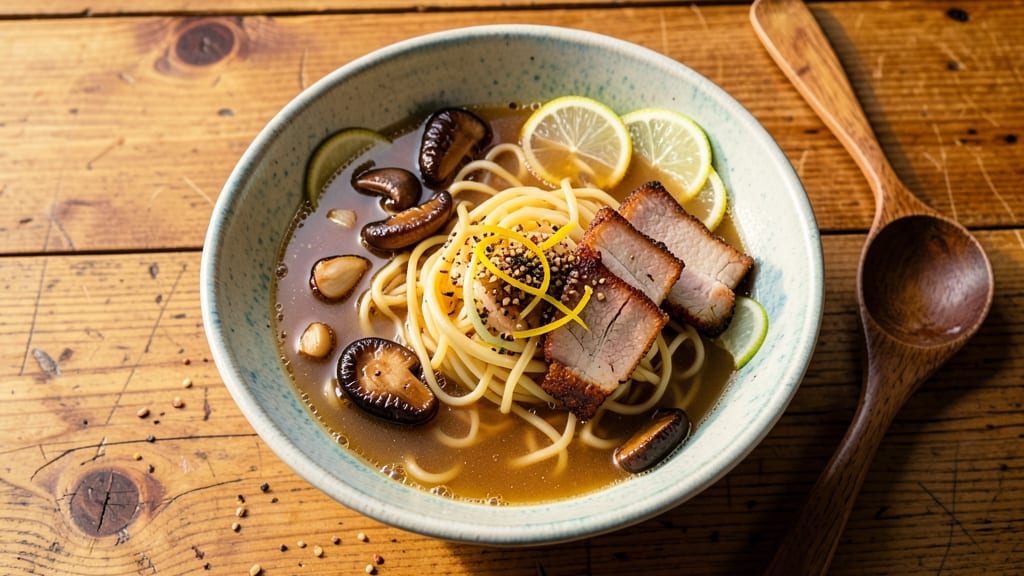
This Asian ramen noodle soup recipe delivers the perfect balance of silky broth, chewy noodles, and bold umami in every bowl. The secret lies in a slow-simmered broth infused with aromatics and a touch of miso or soy sauce, creating depth that transforms simple ingredients into something extraordinary.
What sets this apart is the attention to texture—al dente noodles paired with tender toppings like chashu pork or soft-boiled eggs for that restaurant-quality experience at home.
The foundation of great ramen starts with the broth, which simmers for hours to develop rich, layered flavors. You’ll use a combination of pork bones, chicken stock, and soy sauce for a classic tonkotsu-inspired base, then elevate it with garlic, ginger, and a splash of sesame oil.
The noodles cook just until they’re tender yet still hold their shape, ensuring each bite is satisfying. Toppings like nori, corn, and scallions add freshness and crunch, balancing the hearty broth.
What you’ll end up with is a restaurant-quality bowl that’s customizable—swap in mushrooms for extra umami, add a soft-boiled egg for richness, or keep it vegetarian with a hearty mushroom broth.
The aroma alone will have everyone gathering around the table, while the first sip delivers that perfect harmony of savory, salty, and slightly sweet notes. This isn’t just soup; it’s a comforting, flavor-packed meal that feels like a hug in a bowl.
Whether you’re serving a crowd or treating yourself to a solo dinner, this recipe scales beautifully. The broth can be made ahead and reheated, while the toppings can be prepped in minutes.
Let’s create a bowl of ramen that tastes like it came straight from a Tokyo alleyway or a Seoul street stall—rich, complex, and impossible to resist.
Ingredients for asian ramen noodle soup
Pork bones, aromatic mushrooms, and fresh ginger form the heart of this umami-rich ramen broth.
| Ingredient | Amount | Notes |
|---|---|---|
| Pork Bones 🍖 | 2 lb | Marrow-rich for velvety broth |
| Chicken Stock 🍲 | 4 cups | Homemade preferred for depth |
| Dried Shiitake Mushrooms 🍄 | 4 whole | Rehydrated for umami punch |
| Garlic Cloves 🧄 | 6 cloves | Minced for aromatic base |
| Fresh Ginger 🌿 | 2 tbsp | Grated, skin removed |
| Sesame Oil 🫒 | 1 tbsp | Toasted for nutty aroma |
| Soy Sauce 🥄 | ½ cup | Kikkoman preferred |
| Ramen Noodles 🍜 | 2 packages | Fresh or dried, al dente |
| Green Onions 🧅 | 4 whole | Thinly sliced for garnish |
| Nori Sheets 🍣 | 4 sheets | Cut into strips |
| Corn Kernels 🌽 | ½ cup | Fresh or frozen |
| Soft-Boiled Eggs 🥚 | 2 whole | 6-minute cook time |
| Chashu Pork 🥩 | ½ lb | Pre-sliced or homemade |
| Salt 🧂 | 1 ½ tsp | Diamond Crystal preferred |
| White Pepper 🌶️ | ½ tsp | Freshly ground |
The pork bones are non-negotiable for that signature silky texture—look for marrow-rich cuts at specialty butchers or Asian markets. Costco often carries pre-cut pork bones in bulk, saving you prep time. If using chicken stock, opt for homemade or high-quality brands like Pacific Foods for maximum depth. Dried shiitake mushrooms should be plump and dark—avoid any with a musty smell. Rehydrate them in hot water for 20 minutes before using, reserving the soaking liquid for extra umami. Fresh ginger is best, but if you must use powdered, double the amount and toast it lightly in a dry pan first for better flavor development.
No pork bones? Substitute with extra chicken stock and 1 cup of mushrooms for a vegetarian-friendly broth. Running out of sesame oil? Toasted peanut oil works beautifully—just reduce the amount to 1 teaspoon. For the noodles, fresh ramen cooks in 2 minutes, while dried takes 3-4 minutes—test one strand early to avoid overcooking. The chashu pork can be store-bought or homemade; if using pre-sliced, look for vacuum-sealed packages at H Mart for the best quality. Corn kernels should be sweet and fresh—frozen works in a pinch, but thaw them first to prevent a watery broth.
The broth keeps beautifully—3-4 days refrigerated or 3 months frozen. Store it in airtight containers, leaving room for expansion. For the toppings, pre-slice the green onions and nori strips ahead of time and store them separately in sealed containers. The soft-boiled eggs should be peeled and refrigerated in their cooking water for up to 2 days. When reheating, bring the broth to a gentle simmer—never boil—to preserve its delicate texture. Portion the noodles separately to avoid sogginess.
Why You'll Love This Recipe
- No-Chop Needed: The pork bones and dried shiitake soak while you do nothing—just slice ginger and garlic once. Honestly, I’ve made this on nights when I forgot to prep anything, and it still comes out rich and satisfying.
- Umami Bomb: That slow-simmered pork bone stock? It’s the secret weapon—deep, savory, and way better than any powdered broth. The shiitake mushrooms add this earthy depth that makes every spoonful feel like a hug.
- Leftover Goldmine: This soup actually improves the next day. The flavors meld even more, and it reheats like a dream—perfect for packing lunches or feeding unexpected guests without stress.
- Budget Flex: Pork bones and dried mushrooms stretch this recipe into a full meal for half the cost of takeout. I’ll be real: my wallet thanks me every time I make this instead of ordering delivery.
Step-by-step instructions for Asian ramen noodle soup
Here's the method for crafting a restaurant-quality ramen with layers of umami and silky texture.
Build the Umami-Packed Broth
Start by placing the 2 lb pork bones in a large stockpot and covering them with 4 cups chicken stock. Bring to a boil over medium-high heat, then reduce to a simmer and skim off any foam that rises to the surface. This ensures a clean, flavorful base. Simmer uncovered for 2 hours, which extracts collagen from the bones for natural thickening.
After 2 hours, add the 4 whole dried shiitake mushrooms (do not rehydrate first—they'll release flavor directly into the broth). Also add the 6 cloves minced garlic, 2 tbsp grated fresh ginger, and 1.5 tsp salt. Continue simmering for another 1 hour, until the broth reduces slightly and develops a deep, caramelized aroma. The mushrooms should look plump and rehydrated in the broth.
Infuse with Aromatic Depth
Strain the broth through a fine-mesh sieve into a clean pot, pressing gently on the solids to extract maximum flavor. Discard the solids. Return the strained broth to the pot and add 0.5 cup soy sauce and 0.5 tsp white pepper. Bring to a gentle simmer over medium-low heat, then reduce to a bare simmer—this preserves the delicate flavors without breaking the emulsion.
In a small bowl, toast 1 tbsp sesame oil in a dry skillet over low heat for 1 minute until fragrant. Immediately pour this toasted oil into the simmering broth and stir gently. This adds nutty depth without overpowering the umami base. Keep the broth at a gentle simmer while you prepare the remaining components.
Prepare the Noodles and Garnishes
Cook the 2 packages ramen noodles according to package instructions until al dente—typically 3-4 minutes in boiling water. Drain immediately and rinse briefly under cold water to stop cooking. This prevents them from becoming mushy when added to the hot broth later.
While the noodles cook, prepare the garnishes: Thinly slice the 4 whole green onions and cut the 4 sheets nori into ½-inch strips. Also, prepare the 0.5 cup corn kernels by boiling for 3 minutes if frozen, or steaming for 2 minutes if fresh. Drain and set aside.
Assemble the Ramen Bowls
Divide the cooked noodles evenly among 4 bowls. Ladle 2 cups of hot broth over each portion of noodles. The broth should be steaming but not boiling—this maintains the delicate texture of the noodles. Add 2 soft-boiled eggs (prepared by boiling for 6 minutes and shocking in ice water) to each bowl.
Arrange the chashu pork (pre-sliced or homemade) evenly among the bowls, followed by the corn kernels, green onions, and nori strips. Drizzle each bowl with an additional ½ teaspoon of toasted sesame oil for extra aroma. The contrast between the chewy noodles, silky broth, and crisp garnishes creates the perfect balance.
Serve Immediately for Peak Flavor
Serve the ramen bowls immediately while the broth is still hot. The soft-boiled eggs should have a runny yolk when cut into, and the chashu pork should be tender yet firm. Stir each bowl gently before serving to distribute the flavors evenly.
Real talk: The first bite should deliver a symphony of textures—chewy noodles, silky broth, crisp corn, and tender pork—all unified by the deep umami from the pork bone broth. If the broth cools too much before serving, gently reheat it on the stovetop over low heat and stir in a splash of hot water to restore its silky consistency.
Pro Tips For Making Asian Ramen Noodle Soup
- Char the Bones First: I learned this the hard way—skipping the char on pork bones means flavorless broth. Sear them in a dry pot until deep brown (about 10 minutes) before adding water; the Maillard reaction pulls rich, meaty depth into the stock that no amount of simmering alone will match.
- Soak Mushrooms Cold: Toss dried shiitake in hot water for 30 seconds, then switch to cold water to finish soaking. The cold shock keeps them from turning to mush later—critical when you’re adding them back to the simmering pot. (Yes, even if you’re impatient like me.)
- Simmer Low and Long: After the initial 30-minute boil to extract collagen, drop the heat to a bare simmer—just tiny bubbles breaking the surface. Skim foam religiously for the first hour, then let it cook 4+ hours uncovered. Rushing this step means a cloudy, weak broth instead of a rich, gelatinous one.
- Ginger-Garlic Paste Saves Time: Grate fresh ginger and mince garlic into a paste with a splash of stock—it blends smoother and releases flavor faster than raw chunks. Add it with the aromatics, but resist the urge to overcook; 10 minutes is enough to perfume the broth without bitterness. (Your future self will thank you.)
Wine and beer pairings for these flavors
Japanese Sake Pairings
For a classic ramen experience, a dry junmai daiginjo sake like Dassai 23 cuts through the richness beautifully. Its crisp acidity and subtle sweetness complement the umami broth without overpowering it. I like to serve it slightly chilled (45-50°F) to enhance its delicate floral notes. 🍶
Korean Soju Complements
If you're leaning into Korean-inspired ramen, a sweet and fruity soju like Chum Churum adds a refreshing contrast. Its light citrus notes balance the savory depth of the pork broth.
Serve it ice-cold to highlight its crisp finish. For a non-alcoholic option, try barley tea—it’s slightly sweet and pairs surprisingly well.
Chinese Shaoxing Wine
For a more traditional Chinese ramen approach, Shaoxing wine (like Yanghe) adds depth to the dish. Its nutty, fermented flavor mirrors the umami in the broth.
Use it sparingly—just 1 tbsp in the broth or as a finishing drizzle over the bowl. It’s a game-changer for that authentic wokhouse vibe.
Craft Beer Options
A light wheat beer like Blue Moon or a crisp lager such as Asahi Super Dry works wonders with ramen. The effervescence cleanses your palate between bites, while the mild maltiness complements the soy sauce notes.
For a bolder option, try a Japanese hoppy IPA like Sapporo Black Label—its citrusy hops play off the umami perfectly.
Non-Alcoholic Choices
Don’t overlook yuzu soda or green tea for a refreshing, alcohol-free pairing. The bright citrus in yuzu soda cuts through the richness, while a sencha green tea adds a subtle grassy note that enhances the broth’s complexity.
Both are perfect for lighter meals or when you want to keep it simple.
Regional Ramen Styles
Match your pairing to the ramen style: Tonkotsu ramen pairs best with a dry sake, while shoyu ramen (soy-based) works well with a crisp lager. For miso ramen, a lightly sweetened sake like Hakkaisan Junmai brings out its fermented depth.
The key is balance—let the drink enhance, not overpower, the dish’s natural flavors. 🍜✨
Nutrition facts
Frequently asked questions
Can I make this ramen recipe vegetarian?
Replace the pork bones with 4 cups extra mushroom broth (simmer 8 oz dried shiitake mushrooms in 8 cups water for 30 minutes) and add 1 tbsp soy sauce plus 1 tsp miso paste for umami depth. Use vegetable stock instead of chicken stock, and swap chashu pork for crispy tofu or marinated seitan. The noodles and toppings remain the same!
How do I store leftovers without making the noodles soggy?
Store the broth and toppings separately in airtight containers. Keep the cooked noodles in a separate container with a paper towel pressed on top to absorb moisture. When reheating, bring the broth to a gentle simmer and add fresh noodles cooked 1 minute less than package instructions. Never microwave—it turns the broth watery.
What's the secret to getting that perfect silky broth texture?
The key is low-and-slow simmering—never boil! After the initial 2-hour pork bone simmer, reduce to the gentlest bubble possible. Skim foam regularly, and add aromatics like garlic and ginger only after the first 2 hours to prevent bitterness. For extra silkiness, blend ½ cup of the strained broth and return it to the pot before serving.
Can I make the broth ahead of time?
Yes! The broth actually tastes better the next day as flavors meld. Store it in the fridge for up to 4 days or freeze in 1-cup portions for 3 months. When reheating, warm over low heat and stir in a splash of hot water to restore its velvety consistency. Avoid boiling—it breaks the emulsion and makes it cloudy.
What if I don't have pork bones?
No problem! Use 2 lb chicken thighs with skin (for fat) or 1 lb chicken feet (for gelatin) instead. For a vegetarian option, simmer 1 lb dried kombu with 8 cups water for 1 hour, then add 1 cup soy sauce and 1 tbsp miso. The texture won't be identical, but it'll still be deeply flavorful!