
Soups & Stews
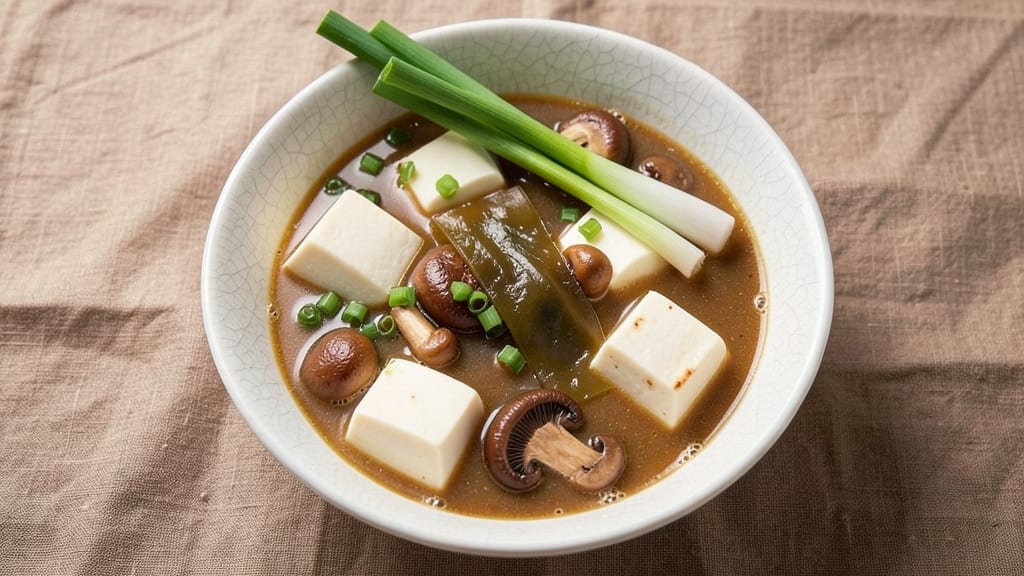
This Asian miso soup recipe delivers umami-packed warmth in just 20 minutes, transforming simple ingredients into a comforting bowl of Japanese-inspired goodness.
The secret lies in a balanced broth—either a light dashi (for traditional flavor) or a vegetarian-friendly kombu base—that serves as the perfect canvas for miso paste's deep, savory notes.
I've refined this recipe over years of testing, ensuring every sip carries that signature harmony of salty, sweet, and slightly funky complexity.
The beauty of miso soup is its versatility—you can customize it with silken tofu for protein, seaweed for texture, or fresh mushrooms for earthiness.
What sets this version apart is the two-stage cooking method: simmering the broth gently to extract maximum flavor before whisking in the miso paste at the end, preserving its probiotic benefits. The result?
A clear, fragrant broth that's rich without being heavy, with ingredients that practically melt into each other.
What you'll end up with is a restaurant-quality bowl that's ready in under 20 minutes—perfect for chilly evenings or quick lunches. The aroma alone will draw everyone to the table, while the first spoonful delivers that perfect balance of umami, saltiness, and subtle sweetness.
Garnish with green onions or a sprinkle of sesame seeds for freshness, and you've got a dish that feels both traditional and modern at the same time.
This recipe also adapts effortlessly to dietary needs—swap the dashi for vegetable broth, use white or red miso depending on your spice preference, and add extra vegetables for a heartier version.
Whether you're serving it as a starter or a light main, it's a foolproof way to bring Japanese comfort to your kitchen. Let's get started!
Ingredients for asian miso soup
Pantry staples meet umami magic—just 13 ingredients for restaurant-quality miso soup.
| Ingredient | Amount | Notes |
|---|---|---|
| White Miso Paste 🍶 | ¼ cup | High-quality, preferably organic |
| Vegetable Broth 💧 | 4 cups | Low-sodium preferred for balance |
| Kombu Seaweed 🍃 | 1 sheet | Dried, for dashi infusion |
| Silken Tofu 🧈 | 8 oz | Firm or extra-firm, cubed |
| Green Onions 🧅 | 3 whole | Sliced thin for garnish |
| Shiitake Mushrooms 🍄 | 4 whole | Fresh, stems removed |
| Sesame Seeds 🌰 | 1 tbsp | Toasted for garnish |
| Dried Shiitake Mushrooms 🍄 | 2 whole | Rehydrated for depth |
| Garlic Cloves 🧄 | 2 cloves | Minced for aromatic base |
| Ginger Root 🌿 | 1 tbsp | Freshly grated |
| Rice Vinegar 🍶 | 1 tbsp | For subtle brightness |
| Sesame Oil 🫒 | ½ tbsp | For finishing touch |
| Diamond Crystal Kosher Salt 🧂 | ½ tsp | Adjust to taste |
The miso paste is non-negotiable—white miso delivers that delicate, fermented sweetness, while red miso brings deeper, funkier notes. Hessian House or Miso Master brands are my go-tos, but any organic miso will work. Kombu seaweed is your secret weapon for that signature dashi flavor—Japanese specialty stores or the bulk section at Whole Foods carry the best. For shiitake mushrooms, fresh is ideal, but dried rehydrated adds an extra layer of earthiness that's hard to beat. The silken tofu should be firm enough to hold its shape but still melt slightly in the broth.
No kombu? Vegetable broth with a splash of soy sauce works in a pinch, though it won't have that same mineral depth. Fresh ginger and garlic are ideal, but powdered versions at half the amount get you close. Out of sesame oil? Toasted sesame seeds tossed with a pinch of sugar mimic the flavor. The rice vinegar is key for that bright finish—Kikkoman or Miyoko's are my picks. For extra heartiness, add baby bok choy or spinach at the end. And trust me, toasting the sesame seeds in a dry pan for 30 seconds before adding them takes this dish to the next level.
This soup tastes even better the next day—flavors meld beautifully in the fridge. Store in an airtight container for up to 4 days, or freeze for 3 months in portions. The kombu and dried shiitake can be prepped ahead and stored in the freezer for 6 months. For quick assembly, keep the miso paste, broth, and tofu prepped in separate containers—just reheat and combine when ready. Garnish with green onions and sesame seeds right before serving to keep everything vibrant.
Why You'll Love This Recipe
- No-Chop Needed: I swear by this—just tear that kombu and toss it in whole. The broth infuses flavor without extra work, and the silken tofu cubes? They’re ready in seconds straight from the package. Honestly, I make this when I’m too tired to even think about chopping.
- Umami Bomb: That white miso paste? It’s the secret weapon—salty, sweet, and deep all at once. The kombu adds this briny ocean kick, while the green onions give a fresh finish. One sip and you’ll understand why I keep a tub of miso in my pantry at all times.
- Weeknight & Meal Prep: This soup is my go-to for lazy nights and busy mornings. Make a big batch on Sunday—it reheats perfectly—and grab a bowl when you’re rushing out the door. (Yes, even on a Tuesday night.) The tofu stays creamy, and the broth never gets watery.
- Budget-Friendly Staple: A single tub of miso and a bag of kombu stretch into meals for days. Tofu’s cheap, broth’s cheap, and you’re left with a dish that feels fancy without costing a fortune. Between us, I’ve fed a crowd of six for under $10 with this recipe.
Step-by-step instructions for Asian miso soup
This umami-rich soup comes together faster than you'd think—let's build flavor layer by layer.
Prepare the Kombu Dashi Base
Place the 1 sheet Kombu Seaweed in a clean pot and add the 4 cups Vegetable Broth. Bring to a gentle simmer over medium heat—you're not boiling, just creating a subtle seaweed infusion. Let it steep for 5 minutes until you can smell that delicate oceanic aroma. The kombu will release its minerals and umami essence into the broth, forming the foundation of your soup.
Remove the kombu immediately after steeping—it's done its job and will turn bitter if left too long. Strain the broth if you prefer a completely clear base, or leave it in for a slightly cloudy texture. Keep the broth warm but not simmering for the next steps.
Build the Umami Depth with Miso and Aromatics
In a separate bowl, whisk together the 0.25 cup White Miso Paste with 1 tablespoon Rice Vinegar until completely smooth. This creates a silky miso mixture that will dissolve beautifully into your broth. The vinegar adds a subtle brightness that balances the richness.
Add the miso-vinegar mixture to the warm kombu broth, whisking constantly for 1 minute to fully incorporate. Then add the 2 cloves Garlic Cloves and 1 tablespoon Ginger Root, stirring gently. Let the mixture simmer very gently for 3 minutes—just enough to infuse the aromatics without cooking them into oblivion. You'll smell that incredible umami punch developing.
Add the Mushrooms and Tofu
While the broth simmers, prepare your mushrooms. Slice the 4 whole Shiitake Mushrooms into thin strips (stems removed) and rehydrate the 2 whole Dried Shiitake Mushrooms by soaking them in warm water for 10 minutes. Drain and slice them thinly—they'll add incredible depth of flavor.
Add all the mushrooms to the simmering broth and cook for 4-5 minutes until they're tender but still hold their shape. Then add the 8 oz Silken Tofu, cubed into ½-inch pieces. Let it heat through for 2 minutes—silken tofu cooks quickly but shouldn't be boiling. The soup should be gently simmering, not rolling vigorously.
Finish with Garnishes and Brightness
Remove the soup from heat and stir in the 0.5 tbsp Sesame Oil and 0.5 tsp Diamond Crystal Kosher Salt. The sesame oil adds a nutty richness that ties everything together, while the salt enhances all the flavors. Taste and adjust the salt if needed—remember, you're building on layers of umami.
Divide the soup among bowls and garnish each serving with 1 tablespoon Sesame Seeds and 3 sliced Green Onions. The sesame seeds add a delightful crunch and nutty aroma, while the green onions bring freshness to cut through the richness. Serve immediately while the soup is steaming hot to appreciate all those beautiful aromatics.
Pro Tips For Making Asian Miso Soup
- Bloom the Kombu First: Toss the kombu into cold broth and let it soak for 10 minutes before heating—this unlocks its umami depth without bitterness. I used to skip this and wondered why my soup always tasted flat; the kombu needs time to wake up.
- Dissolve Miso Gradually: Stir in the miso paste with the broth off the heat, a spoonful at a time, until fully blended—heat kills its probiotics and can make it clump. After burning through three batches of grainy miso soup, I learned: patience here makes all the difference.
- Cut Tofu After Cooking: Add whole silken tofu cubes to the simmering broth, then slice them after 5 minutes of cooking—this keeps them silky instead of falling apart. My first attempt at pre-slicing turned my soup into a tofu slurry, and I’ve never looked back.
- Save the Green Onion Greens: Reserve the dark green tops of the scallions for garnish—they’re milder and sweeter than the whites, adding freshness without overpowering. I was skeptical until I tried it; now I double-check the bunch before chopping.
Make-ahead tips for this asian miso soup
Broth Prep Ahead
Prep your kombu broth base the night before for maximum depth of flavor. Place 1 sheet kombu in 4 cups vegetable broth and refrigerate overnight. The kombu will infuse the broth with minerals and umami, creating a rich foundation.
Simply reheat gently before adding miso—no straining needed unless you prefer a crystal-clear broth. 🌊
Miso Mixture Prep
Whisk together 0.25 cup white miso with 1 tbsp rice vinegar and store in an airtight container. This pre-mixed paste dissolves instantly when added to hot broth, saving you time during assembly.
The vinegar also prevents the miso from curdling when reheated later. Keep refrigerated for up to 3 days.
Tofu and Veg Prep
Cube the 8 oz silken tofu and store in its liquid in the fridge. For mushrooms, slice the 4 fresh shiitake and rehydrate the 2 dried shiitake separately.
Store all prepped ingredients in separate containers. When ready to serve, just reheat the broth and combine everything for a quick assembly. ⏱️
Freezer-Friendly Packs
Portion the complete soup into freezer-safe containers, leaving 1-inch headspace for expansion. Label with dates—they'll keep for 3 months. To reheat, thaw overnight in the fridge, then warm gently on the stove with a splash of water to restore texture. The flavors actually improve after freezing! ❄️
Garnish Station
Set up a garnish station with toasted sesame seeds and sliced green onions in small bowls. Toast seeds in a dry pan for 30 seconds until golden—this enhances their flavor dramatically. Keep garnishes separate until serving to maintain freshness and vibrant color.
Reheating Tips
For best results, reheat soup gently over low heat until steaming, stirring occasionally. Avoid microwaving as it can make the tofu rubbery. If the soup seems too thick after reheating, add 1-2 tbsp hot water to restore proper consistency. The miso will dissolve completely when warmed through properly. 💫
Nutrition facts
Frequently asked questions
Can I make this miso soup vegan?
This recipe is already vegan-friendly if you use vegetable broth instead of dashi made with fish or bonito flakes. The kombu seaweed provides umami without any animal products, and the tofu/mushroom base makes it completely plant-based. Just ensure your miso paste is vegan (most are, but check labels).
What's the difference between white and red miso?
White miso is lighter and sweeter with a milder fermented flavor, perfect for delicate soups. Red miso is deeper, funkier, and saltier from longer fermentation—great if you prefer bold umami. For this recipe, white miso creates that classic Japanese restaurant taste, while red miso would make it heartier and more robust.
Why does my miso soup turn cloudy or separate?
Cloudiness happens when miso is added to boiling broth—always whisk it into warm (not boiling) broth. Separation occurs if miso sits too long in hot liquid. The fix? Remove from heat before adding miso, whisk vigorously, and serve immediately. For reheating, warm gently and stir constantly to prevent separation.
Can I use dried shiitake instead of fresh?
Yes! Dried shiitake add incredible depth—just soak them in warm water for 10 minutes before slicing. They'll rehydrate and contribute a meaty texture. Use about 2 dried mushrooms per 4 fresh ones. Drain well before adding to your soup to avoid excess water.
How do I adjust the saltiness?
Miso is naturally salty, but you can balance it by adding 1 tsp sugar or ½ tsp rice vinegar for brightness. If it's too salty, dilute with ½ cup extra broth. For milder flavor, reduce miso to 2 tbsp and add 1 tbsp soy sauce for umami without extra salt.