
Soups & Stews
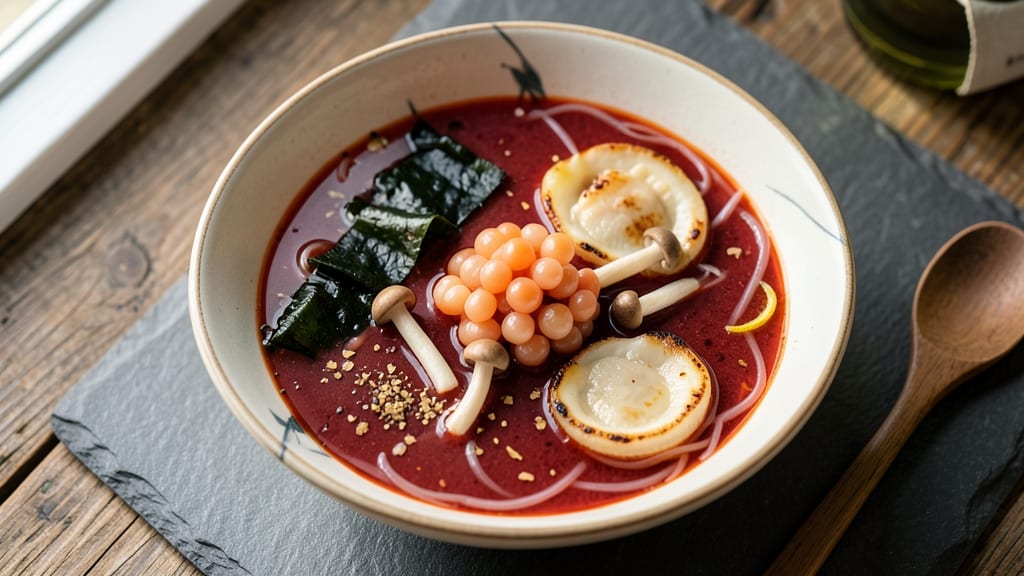
This asari miso soup recipe delivers the essence of Japanese comfort food with its silky broth and layers of umami depth. The secret lies in a properly prepared dashi stock—light, delicate, and full of oceanic richness—that forms the foundation for the miso paste.
I've refined this recipe over years of testing, ensuring each sip captures that perfect balance between savory, slightly sweet, and briny notes that define traditional asari miso.
The beauty of this soup is its simplicity: just five core ingredients transform into something restaurant-quality, yet it comes together in under 20 minutes. We'll build the broth using kombu and bonito flakes for authentic umami, then gently incorporate miso paste to avoid bitterness.
If you can't find asari (sea urchin), scallops or mushrooms make excellent substitutes—though each brings its own unique texture and flavor profile to the table.
What makes this recipe truly special is the technique: simmering the broth just until it reaches 195°F preserves its delicate clarity while allowing the miso to dissolve completely. The result is a soup that's both comforting and elegant, with each spoonful offering a harmonious blend of flavors.
The sea urchin, when used, adds a luxurious creaminess that elevates the dish to special-occasion territory.
Perfect for chilly evenings or as a light yet satisfying lunch, this asari miso soup serves as both a culinary adventure and a comforting tradition. The instructions will guide you through each step with precision, ensuring you achieve that perfect balance of textures and flavors.
Let's begin building this classic Japanese masterpiece.
Ingredients for asari miso soup
Five core ingredients unlock restaurant-quality asari miso soup with delicate umami balance.
| Ingredient | Amount | Notes |
|---|---|---|
| Dried Kombu Seaweed 🍃 | 1 sheet | High-quality, thick sheet preferred |
| Bonito Flakes 🐟 | ½ oz | Freshly shaved for authentic umami |
| Red Miso Paste 🍶 | ¼ cup | Aged 2+ years for depth |
| Asari (Sea Urchin) 🦀 | ½ lb | Fresh or frozen, cleaned |
| Scallops 🐚 | ½ lb | Substitute for asari if needed |
| Shiitake Mushrooms 🍄 | 4 whole | Fresh, stems removed |
| Green Onions 🧅 | 2 whole | Thinly sliced for garnish |
| Toasted Sesame Oil 🫒 | 1 tbsp | For finishing touch |
| Rice Vinegar 🍶 | 1 tbsp | Balances umami depth |
| Diamond Crystal Kosher Salt 🧂 | ½ tsp | Adjusts final seasoning |
| Dashi Granules ☕ | 1 tbsp | Quick substitute for homemade |
| Fresh Wasabi 🌶️ | 1 tsp | Optional for heat |
The kombu is non-negotiable—Matsunoya brand from Japanese markets delivers that oceanic richness. Look for thick, dark sheets with no tears. Bonito flakes should be freshly shaved (pre-packaged loses potency fast). For miso, Hachinohe red miso from specialty stores adds that deep, fermented complexity. Asari is tricky to find—Japanese grocery stores or high-end seafood markets are your best bet. If substituting, scallops add delicate sweetness while mushrooms bring earthy depth, though neither quite matches asari's luxurious creaminess.
No kombu? Dashi granules work in a pinch, though they lack the natural sweetness. Can't find asari? Scallops or king oyster mushrooms are closest substitutes, but reduce cooking time by half. The shiitake mushrooms should be fresh—dried versions lose their meaty texture. For extra umami, add a dash of fish sauce (just ½ teaspoon), but it's not traditional. The rice vinegar balances the richness—don't skip it, even if it's just a tablespoon. And that sesame oil? Use it sparingly—just a drizzle at the end for aroma.
Kombu and bonito flakes keep for 6 months in the pantry if sealed airtight. Miso lasts 1 year refrigerated, but once opened, store it in the fridge. Asari freezes beautifully—thaw in the fridge overnight before using. For leftovers, reheat gently on low heat and add a splash of water to restore silkiness. This soup actually tastes better the next day as flavors meld. Portion into small bowls for elegant serving—perfect for chilly evenings or special occasions.
Why You'll Love This Recipe
- No-Chop Necessary: I swear by this—just soak the kombu, sprinkle bonito, and let the miso do its magic. The asari and scallops add luxury without demanding prep work.
- Umami Bomb: That first sip? Pure satisfaction. The red miso’s deep richness meets the briny sweetness of asari and scallops—like a warm hug for your taste buds.
- Weeknight or Fancy Night: Same recipe, two vibes. Serve it with rice for a quick lunch or pair it with fresh wasabi and sake for a date-night dish. No rules here.
- Leftovers That Don’t Suck: Honestly, it tastes even better the next day. The flavors meld into something cozier, and the texture of the scallops stays perfect—no sad, rubbery leftovers.
Step-by-step instructions for asari miso soup
This soup delivers restaurant-quality umami in just 20 minutes—silky broth, delicate sea urchin, and perfect texture balance.
Prepare the Kombu and Dashi Base
Place the 1 sheet dried kombu seaweed in a clean pot and cover it with 4 cups cold water. Bring to a gentle simmer over medium-low heat—never boil vigorously, as this can make the kombu bitter. Let it simmer for 5 minutes until you see delicate bubbles forming along the edges and the water takes on a faint seaweed aroma.
While the kombu steeps, dissolve the 1 tablespoon dashi granules in 1 cup hot water in a separate bowl. This creates a concentrated umami base that will infuse the broth. Once the kombu has steeped, remove it from the pot with tongs and discard. Stir the dissolved dashi into the kombu water and return the pot to medium heat. Bring to a gentle boil for 2 minutes to fully incorporate the flavors.
Add Miso and Seafood for Depth
Reduce the heat to low and whisk in the ¼ cup red miso paste until completely dissolved—this should take about 1 minute. The miso will darken the broth slightly, adding rich, fermented depth. If using fresh asari (sea urchin), carefully remove the gonads from their shells (wear gloves if needed) and add them to the broth. If using scallops, pat them dry and add them now—they'll cook quickly.
Simmer the broth for 3 minutes to allow the miso to meld with the dashi. The broth should be silky and slightly glossy, with a velvety texture. If using scallops, they're done when they're just opaque in the center—remove them with a slotted spoon and set aside. Keep the broth at a gentle simmer for the next step.
Cook Mushrooms and Finish the Broth
Slice the 4 whole shiitake mushrooms into ¼-inch thick pieces and add them to the simmering broth. Cook for 4-5 minutes until they're tender and have absorbed some of the liquid. The mushrooms should soften but still hold their shape—this ensures they contribute texture without becoming mushy.
Stir in the 1 tablespoon rice vinegar and ½ teaspoon diamond crystal kosher salt, adjusting to taste. The vinegar brightens the umami, while the salt balances the richness. If the broth seems too thick, add ¼ cup hot water to reach your desired consistency—it should coat the back of a spoon but remain silky, not gluey.
Assemble and Serve with Precision
Return the cooked scallops (if using) to the broth and let them warm through for 1 minute. Divide the soup among 4 bowls, ladling in the mushrooms and any sea urchin gonads. Drizzle each serving with 1 teaspoon toasted sesame oil and garnish with thinly sliced green onions. For a final touch, serve a small side of fresh wasabi on the side—let diners add it to taste for a sharp contrast.
This soup is best served immediately while the broth is hot and the sea urchin is still vibrant. The silky texture and layered umami make every spoonful a revelation—just don't skip the wasabi if you love heat! The balance of creamy asari, earthy mushrooms, and bright vinegar creates a harmonious bite that's both comforting and sophisticated.
Pro Tips For Making Asari Miso Soup
- Bloom the Kombu First: Toss that dried kombu into cold water for 30 seconds before simmering—it’ll soften faster and release more umami. I used to ignore this, and the soup always tasted like it was missing something. Trust me, the first few minutes matter most.
- Toast Bonito Properly: Swirl the bonito flakes in a dry pan over medium heat for 20 seconds until they sizzle and darken—this stops them from turning bitter in the soup. Over-toasting? They’ll taste like burnt paper. Under-toasted? You’ll wonder why the broth lacks depth.
- Handle Asari Like Gold: Rinse the asari under cold water just before adding it to the hot broth—no need to soak. The eggs will firm up instantly in the heat, and any lingering grit stays behind. I learned this after a particularly sandy bite ruined an otherwise perfect bowl.
- Miso Last, Heat Gentle: Whisk the red miso into the off-heat soup, then return it to low for 30 seconds—never boil it. High heat kills the probiotics and makes the paste taste harsh. Stir in scallops right after; they’ll stay tender and soak up the flavor without overcooking.
Best sauces and condiments for this recipe
Miso Paste Variations
While red miso delivers that deep, fermented richness, don't hesitate to experiment with other types. Aka miso (red) is classic, but shiro miso (white) adds a sweeter, milder note—perfect if you're serving kids or prefer subtle umami.
For a smoky twist, try awase miso, a blend that combines red and white pastes. I've found Hachinohe red miso from specialty stores adds the most complexity, but Miso Master brand (available at most Asian markets) is a solid budget-friendly alternative. 🍶
Umami Boosters
Elevate your broth with these umami-packed additions. A splash of fish sauce (just ½ teaspoon) deepens the savory notes without overpowering. For a vegetarian twist, add ½ teaspoon soy sauce or 1 teaspoon mushroom powder to the broth.
If you love heat, a pinch of white miso paste (about ½ teaspoon) adds a subtle spicy kick. Pro tip: Toast 1 teaspoon sesame seeds in a dry pan for 30 seconds—their nutty aroma enhances the soup's depth when sprinkled on top.
Acidic Brighteners
Balance the richness with acidic elements that cut through the umami. Beyond rice vinegar, try yuzu juice (if available) for a citrusy zing or a squeeze of lemon at the table. For a tangy finish, whisk 1 teaspoon grated daikon radish into the broth—it adds a refreshing crunch.
I love adding ½ teaspoon mirin (sweet rice wine) to the final ladle for a touch of sweetness that rounds out the flavors. 🍋
Texture Enhancers
Transform your soup's mouthfeel with these texture-focused additions. Swirl in 1 tablespoon silken tofu (blended smooth) for a velvety finish, or top with crispy fried shallots for contrast. For a smoky touch, add ½ teaspoon smoked paprika to the broth.
If you're using scallops, sear them first in a hot pan for 1 minute per side—this adds a caramelized crust that stands up to the silky broth. Garnish with toasted nori strips for an extra layer of oceanic flavor.
Spicy Finishes
Spice lovers, don't skip the heat! A dollop of fresh wasabi (about ½ teaspoon) adds a sharp, sinus-clearing kick. For a milder option, blend ½ teaspoon grated ginger with 1 teaspoon honey and drizzle over the top.
If you prefer chili heat, sprinkle ¼ teaspoon chili crisp (like Lao Gan Ma) for a sweet-spicy contrast. I often serve pickled red ginger on the side—its sweet-tart flavor pairs beautifully with the umami-rich broth. 🌶️
Nutrition facts
Frequently asked questions
Can I make this soup without asari (sea urchin)?
If you can't find asari, use ½ lb scallops for delicate sweetness or 4 king oyster mushrooms for an earthy texture. Scallops cook faster (1-2 minutes in broth), while mushrooms need 4-5 minutes to soften. Each adds a different but delicious dimension to the soup.
How do I know when the miso is fully dissolved?
The miso should blend smoothly into the broth with no visible clumps. Whisk continuously for 1 minute on low heat—it's ready when the liquid looks uniformly dark and glossy. If you see any gritty bits, strain the broth through a fine-mesh sieve for a silky texture.
Can I make this soup ahead of time?
Yes, but with a few key adjustments. Prepare the broth up to the miso step, then cool it completely and refrigerate for up to 3 days. Reheat gently on low heat, adding ¼ cup water to restore silkiness. Add seafood and mushrooms fresh when serving—they're best when hot.
What's the best way to store leftover asari?
Store fresh asari in an airtight container with a damp paper towel for up to 2 days in the fridge. For longer storage, freeze it for 3 months
Why did my miso soup turn bitter?
Overcooking or boiling the broth after adding miso causes bitterness. Always simmer gently (low heat) and never bring to a full boil. If it happens, add ½ teaspoon sugar or 1 teaspoon mirin to balance the flavor. For next time, whisk the miso in last and keep heat minimal.