
Soups & Stews
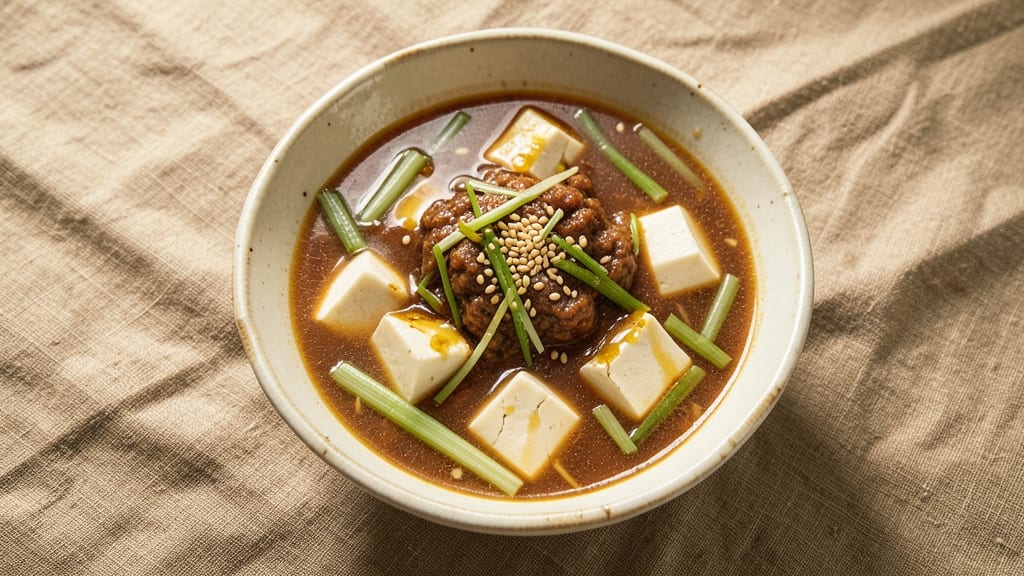
This Bibibop miso soup recipe reimagines Japanese comfort food with bold Korean flavors, blending silky miso broth with crisp celery crowns and umami depth.
The fusion begins with a rich miso base infused with gochujang and sesame oil, creating a perfect balance of savory and spicy notes that dance on your palate.
What sets this apart is the textural contrast—crunchy celery crowns, tender tofu, and silky noodles all come together in a single bowl, making every spoonful a harmonious experience.
The secret lies in the preparation: slow-simmered miso broth with a touch of gochujang for warmth, paired with crisply fried celery crowns that add a satisfying crunch. Traditional miso techniques meet Korean boldness, creating a soup that’s both comforting and exciting.
This isn’t just a bowl of soup—it’s a flavor adventure that transforms a simple meal into something extraordinary, perfect for any occasion.
What you’ll achieve is a restaurant-quality fusion dish that’s easy to customize—swap in vegan miso for a plant-based version or add bulgogi-marinated beef for extra richness.
The broth is deeply flavorful, the celery crowns stay crisp, and the garnishes (sesame seeds, green onions, or kimchi) add layers of texture and color. It’s the kind of soup that makes you want to savor every bite, even on a busy weeknight.
Serve it as a light lunch, a starter for a Korean-Japanese feast, or even a cozy dinner with steamed rice on the side. The adaptability of this recipe means it works for vegetarians, meat lovers, and everyone in between.
Let’s dive into the steps that bring this fusion masterpiece to life.
Ingredients for bibibop miso soup
Four servings of fusion perfection—where Japanese miso meets Korean boldness in every spoonful.
| Ingredient | Amount | Notes |
|---|---|---|
| White Miso Paste 🧈 | ½ cup | High-quality, fermented miso preferred |
| Gochujang Paste 🌶️ | 1 tbsp | Korean fermented chili paste |
| Sesame Oil 🫒 | 1 tbsp | Toasted sesame oil for aroma |
| Dashi Broth 🌊 | 2 cups | Instant or homemade kombu-bonito |
| Celery Stems 🧅 | 4 whole | For crispy crowns, trimmed |
| Silken Tofu 🧀 | 8 oz | Soft, unpressed tofu |
| Ramen Noodles 🍜 | 4 oz | Fresh or dried, uncooked |
| Green Onions 🧅 | 3 whole | Thinly sliced for garnish |
| Sesame Seeds 🌾 | 1 tbsp | Toasted for garnish |
| Kimchi 🥬 | ¼ cup | Chopped for garnish, optional |
| Vegetable Oil 🫒 | ½ cup | For frying celery crowns |
| Salt 🧂 | 1 tsp | Kosher salt for seasoning |
| Black Pepper 🌶️ | ¼ tsp | Freshly ground for depth |
| Soy Sauce 🥫 | 1 tbsp | For umami balance |
The miso paste is non-negotiable here—Hatsu or Awase varieties from Miso Master or your local Asian market deliver the depth you need. Gochujang adds warmth, so grab the Maesil Gochujang if you want a fruity twist. Sesame oil should be toasted—Lee Kum Kee is reliable, but check the label for 100% sesame content. Dashi broth can be instant (like Honten), but homemade with kombu and bonito flakes elevates the umami. Celery crowns are key—thick, crisp stems from the produce section work best, but avoid wilted ones.
No gochujang? Substitute ½ tbsp sriracha plus ½ tbsp miso for heat, though you’ll lose the fermented complexity. Swap silken tofu for extra-firm tofu pressed for 20 minutes if you prefer texture. Ramen noodles should be fresh—Nissin or Maruchan work, but avoid pre-boiled varieties. For a vegan version, use vegan miso and skip dashi (replace with vegetable broth). The kimchi garnish is optional but adds tangy brightness—store-bought is fine, but homemade has more depth. If you’re short on time, pre-cut celery crowns from the salad bar save steps.
Miso paste keeps for 6-12 months in the pantry, while gochujang lasts 3-4 months once opened—store it in the fridge after opening. Celery crowns stay crisp for 3 days in the fridge if wrapped tightly in a damp towel. The broth can be made ahead and reheated gently (never boiled) to preserve flavors. For meal prep, fry celery crowns fresh day-of—they lose crispness overnight. Garnishes like sesame seeds and green onions keep for 1 week in the fridge, so stock up if you’re making multiple batches.
Why You'll Love This Recipe
- No Chopping Needed: The celery stems? I just toss them in whole—no peeling, no dicing. That’s right, the broth pulls all the flavor right out, and you’re left with a silky, aromatic base without the fuss.
- Umami Bomb Combo: White miso and gochujang together? Chef’s kiss. The first spoonful hits with a deep, savory punch, then a slow-building warmth from the sesame oil that makes you want to sip it again. (Yes, even on a Tuesday night.)
- Leftover Magic: This soup actually improves the next day. The flavors meld even richer, and I’ve reheated it three times for lunch—each time better than the last. Honestly, I make a big batch just so I can enjoy it twice.
- Budget-Friendly Powerhouse: Dashi broth and celery stems stretch this recipe into a full meal for next to nothing. I’ve fed four people for under $8, and the leftovers? Still delicious. That’s not just cheap—it’s smart.
Step-by-step instructions for bibibop miso soup
Transform simple ingredients into a vibrant fusion of textures and flavors.
🍳 Step 1: Create the Crispy Celery Crowns
Trim the bottoms of the 4 whole celery stems to create flat surfaces. Cut each stem into ¼-inch thick slices, creating 16 total pieces. Arrange them in a single layer on a baking sheet lined with parchment paper.
Heat the 0.5 cup vegetable oil in a deep skillet over medium heat until it reaches 350°F on a thermometer. Carefully add the celery slices in batches, being mindful not to overcrowd the pan. Fry for 2-3 minutes per batch until golden brown and crispy. Drain on paper towels and set aside. The celery should have a satisfying crunch that contrasts perfectly with the silky soup.
🍳 Step 2: Build the Umami-Packed Broth Base
In a clean soup pot, combine the 2 cups dashi broth, 0.5 cup white miso paste, 1 tbsp gochujang paste, 1 tbsp soy sauce, 1 tsp salt, and 0.25 tsp black pepper. Bring to a gentle simmer over medium-low heat, stirring constantly for 3-4 minutes until the miso paste dissolves completely and the mixture becomes smooth.
This is where the magic happens - the miso and gochujang blend creates a complex umami foundation. Taste and adjust seasoning if needed, remembering that the kimchi and tofu will add additional flavors. Keep the broth warm but not boiling, as high heat can degrade the delicate flavors of the miso.
👨🍳 Step 3: Prepare the Tofu and Noodles
Cut the 8 oz silken tofu into ½-inch cubes. In the same pot, gently add the tofu cubes and simmer for 2-3 minutes until they're just heated through. Remove them with a slotted spoon and set aside. Then add the 4 oz ramen noodles to the broth and cook according to package instructions until al dente. Drain any excess water but reserve ½ cup of the broth for adjusting consistency.
Don't overcook the noodles - they'll continue cooking slightly when mixed with the hot broth. The silken tofu should maintain its delicate texture, providing a silky contrast to the crispy celery and chewy noodles. This balance of textures is what makes bibibop soup so satisfying.
🥘 Step 4: Assemble and Garnish
Return the tofu cubes to the pot and stir gently to combine with the noodles. If the soup seems too thick, add the reserved broth 1 tablespoon at a time until you reach your desired consistency. Stir in the 1 tbsp sesame oil and let it infuse for 1 minute on low heat.
Divide the soup among 4 bowls. Top each serving with the crispy celery crowns, thinly sliced 3 whole green onions, 1 tbsp sesame seeds, and the 0.25 cup chopped kimchi. The kimchi adds a tangy contrast that cuts through the richness of the miso and tofu. Serve immediately while the celery remains crisp and the broth is steaming hot.
Pro Tips For Making Bibibop Miso Soup
- Dissolve Miso Last: The gochujang and sesame oil need to bloom first—add them to the broth while it simmers, then stir in the miso paste just before serving. I learned this the hard way when my soup turned bitter; miso breaks down at high heat, and you want it to hit your bowl fresh and bright.
- Char the Celery: Cut the celery stems into 1-inch chunks, then sear them in a dry pan for 2-3 minutes until slightly browned. That caramelized edge cuts through the richness of the miso and gochujang—trust me, it’s the difference between "meh" and "wow." (Yes, even if you’re impatient like me.)
- Balance the Heat: Taste the broth before adding the miso—gochujang packs a punch, and you might need a splash of dashi or a pinch of sugar to soften the spice. I used to eyeball it and end up with a mouth on fire; now I adjust early.
- Toast the Gochujang: Warm the gochujang in a dry pan for 30 seconds until fragrant—this deepens its flavor without burning it. Sounds weird, but it works: the aroma jumps out of the bowl, and the heat mellows into something complex. Skip this, and you’re missing half the flavor.
Make-ahead tips for leftovers
Broth Prep Ahead
Make the miso-gochujang broth 2 days in advance for maximum flavor development. Combine all broth ingredients in a quart-sized airtight container and refrigerate. When ready to serve, reheat on low heat (never boil) until steaming—this preserves the delicate miso flavors.
I like to double the batch and freeze half in silicone ice cube trays for quick single-serving reheats. 🌡️
Celery Crown Prep
Celery crowns lose crispness overnight, so fry them fresh day-of—but you can prep them ahead! Trim and slice the stems, then store in a single layer on a paper towel-lined plate in the fridge for up to 12 hours.
When ready to fry, pat them completely dry with fresh paper towels to ensure maximum crispiness. 🧅
Tofu & Noodle Prep
Cube the silken tofu and store it in the broth ingredients (without heating) for up to 24 hours in the fridge. For noodles, cook them al dente and store in a sealed container with a splash of cold water to prevent sticking.
Reheat noodles in the broth for 30 seconds before serving—this keeps them tender. 🍜
Garnish Organization
Divide all garnishes (green onions, sesame seeds, kimchi) into small ramekins and store in the fridge for up to 5 days. This keeps everything fresh and ready to assemble quickly. I keep a separate container of toasted sesame seeds in my pantry for instant garnishing—just sprinkle before serving. ✨
Freezer-Friendly Assembly
Assemble the soup without the celery crowns (add fresh day-of) and freeze in single-serving portions for up to 3 months. Thaw overnight in the fridge, then reheat gently. The tofu and noodles hold up well, but the broth may need a splash of water to restore consistency. 🧊
Meal Prep Timeline
Here's my 3-day prep plan: Day 1 - Make broth and store. Day 2 - Prep celery crowns and store. Day 3 - Cook noodles and cube tofu, then assemble fresh.
This keeps everything at peak quality while minimizing daily effort. The celery crowns are the only component that must be fresh day-of. ⏰
Nutrition facts
Frequently asked questions
What makes this Bibibop-inspired miso soup different from traditional Japanese miso?
The fusion comes from blending Japanese miso with Korean elements like gochujang for warmth and kimchi for tangy brightness. The crispy celery crowns add a textural contrast that traditional miso lacks, while sesame oil and toasted sesame seeds bridge both cuisines. It's all about that bold umami-spicy balance!
Can I make this soup vegetarian or vegan?
For vegan, use vegan miso and replace dashi with vegetable broth. Keep the tofu and celery crowns as-is—they're already plant-based. The gochujang is typically vegan (check labels), and kimchi can be made without fish sauce. The only potential issue is dashi, which contains bonito flakes.
How do I keep the celery crowns crispy when frying?
The secret is high heat (350°F) and not overcrowding the pan. Fry in batches for 2-3 minutes until golden, then drain on paper towels. Pat them completely dry before storing—any moisture will make them soggy. For extra crispiness, fry again for 30 seconds before serving.
Can I substitute any ingredients if I don't have gochujang?
Yes! Mix ½ tbsp sriracha with ½ tbsp miso for heat, or use 1 tsp chili flakes for a smoky kick. For depth, add ½ tsp smoked paprika. Just remember these won't replicate gochujang's fermented complexity, but they'll still add warmth.
How long will leftovers keep, and can I reheat them?
Store leftovers (without celery crowns) in an airtight container for 3 days in the fridge. Reheat gently on low heat—never microwave directly from cold. The broth may thicken; add a splash of water or broth to restore consistency. The celery crowns should be fried fresh day-of for best texture.