
Soups & Stews
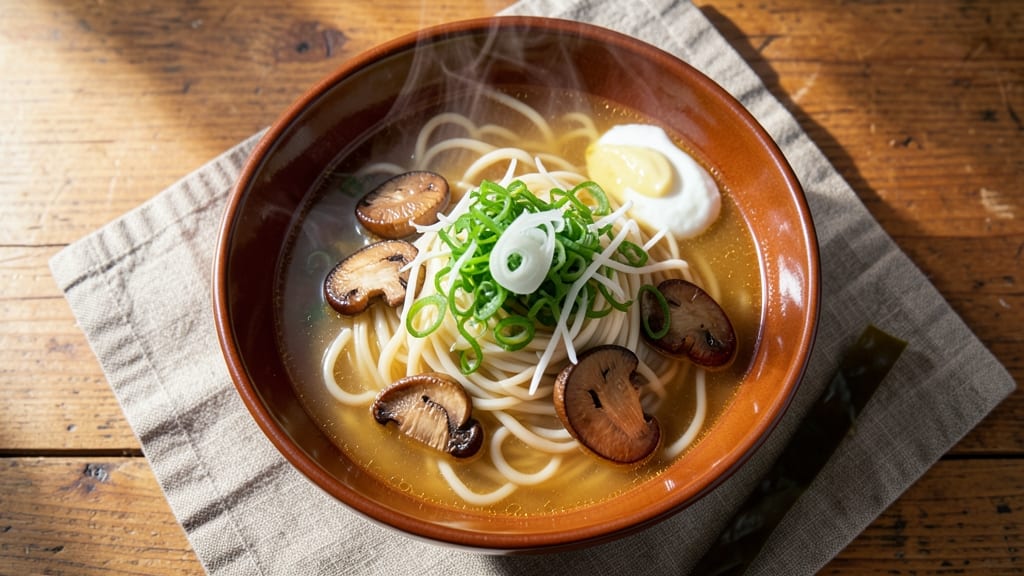
This silky soba noodle soup recipe brings the comforting essence of Japanese home cooking to your kitchen with its silky buckwheat broth and delicate herb notes.
The key lies in balancing traditional techniques with modern convenience—whether you're using dashi stock or a quick miso base, the result is a harmonious blend of earthy flavors and tender noodles.
After perfecting this recipe through countless batches, I've learned that the secret to an exceptional bowl lies in the broth's depth and the freshness of the toppings.
The beauty of soba noodle soup is its versatility—whether you prefer a light shio (salt-based) broth, a rich miso-infused version, or a vegan adaptation using kombu and shiitake, this recipe adapts effortlessly. The buckwheat noodles, with their nutty undertones, absorb the broth beautifully while maintaining a satisfying chew.
Fresh herbs like scallions, cilantro, or parsley add a bright contrast, while toppings like thinly sliced mushrooms, nori strips, or soft-boiled eggs elevate each spoonful into a symphony of textures.
What you'll achieve is a bowl that feels both restaurant-quality and deeply personal—steaming with aromatic broth, al dente noodles, and a medley of toppings that transform a simple meal into an experience.
The broth should be clear yet deeply flavorful, the noodles perfectly cooked without turning mushy, and the final presentation inviting enough to serve to guests or enjoy solo with a good book.
This is comfort food at its finest, where every ingredient plays a role in creating something greater than the sum of its parts.
Serve it as a light lunch on a warm day or a hearty dinner when the weather turns cool. The recipe scales easily, so you can make a single bowl or a potful for sharing.
Whether you're a beginner or a seasoned home cook, this soba noodle soup will become a staple in your rotation—simple enough for weeknights yet impressive enough for company. Let's get started on crafting your perfect bowl.
Ingredients for soba soup
Fresh herbs and nutty noodles—this is where Japanese comfort meets your kitchen.
| Ingredient | Amount | Notes |
|---|---|---|
| Dried Soba Noodles 🍜 | 8 oz | 100% buckwheat preferred |
| Dashi Stock 🍵 | 4 cups | Homemade or quality store-bought |
| White Miso Paste 🧈 | 2 tbsp | Smooth, not lumpy |
| Kombu Seaweed 🍃 | 1 piece | Dried, 4x6 inches |
| Fresh Shiitake Mushrooms 🍄 | 4 whole | Stems removed, sliced |
| Green Onions 🧅 | 3 whole | Thinly sliced, white and green parts |
| Fresh Cilantro 🌿 | ¼ cup | Chopped, stems removed |
| Sesame Oil 🫒 | 1 tbsp | Toasted, for finishing |
| Toasted Sesame Seeds 🌾 | 1 tbsp | For garnish |
| Soft-Boiled Eggs 🥚 | 2 whole | Optional topping |
| Nori Strips 🍣 | 4 pieces | For crunchy garnish |
| Salt 🧂 | 1 tsp | Kosher or sea salt |
| Soy Sauce 🍶 | 1 tbsp | For seasoning |
| Rice Vinegar 🍶 | 1 tbsp | For brightness |
The soba noodles are the heart of this dish, so grab 100% buckwheat if you can—those pre-packaged 'soba' blends with wheat can be hit-or-miss. Marukome or Koyo are solid brands, but the dried noodles from Asian grocery stores often have better texture. Look for vibrant color and a fresh date on the package. The dashi stock is non-negotiable for that umami depth—homemade with kombu and bonito flakes is ideal, but Hondashi or Marukome work in a pinch. If you're making a vegan version, skip the bonito and use just kombu. The shiitake mushrooms? Fresh is best for that meaty texture, but rehydrated dried shiitake will do if you're short on time.
No miso paste? Substitute with an extra tablespoon of soy sauce—it won't be identical, but it'll save you. Fresh herbs are key here, but if you're out of cilantro, parsley or basil at half the amount works surprisingly well. The sesame oil and seeds should be toasted—microwave a dry spoonful for 20 seconds to get that nutty aroma. For the broth, if you're using kombu, toast it first (30 seconds in a dry pan) to remove any bitterness. The nori strips can be store-bought or toasted yourself—just dry roast until fragrant. And if you're making this ahead, skip the soft-boiled eggs until serving to keep them fresh.
This broth keeps for 3-4 days in the fridge—taste and adjust seasoning before reheating. The noodles? Cook them just before serving so they don't get soggy. Store leftovers in airtight containers with a splash of broth to keep everything moist. For extra flavor, add a pinch of white pepper or a dash of chili oil when reheating. The soup reheats beautifully, but the toppings are best added fresh—herbs, nori, and sesame seeds all brighten up the bowl. Portion into bowls with the broth first, then let everyone customize their own toppings—it's always a hit at gatherings.
Why You'll Love This Recipe
- No-Chop Needed: I swear by this—just rinse the soba noodles, slice those shiitake mushrooms (if you’re feeling fancy), and toss them in. The kombu seaweed does all the flavor work while you sip your tea.
- Umami Bomb: That white miso paste and dashi stock? Chef’s kiss. The first sip hits with a deep, savory richness that’s somehow both comforting and exciting—like a hug from a Japanese grandma who knows her broth.
- Weeknight to Party: Same ingredients, endless vibes. Keep it simple for a lazy Tuesday or dress it up with soft-boiled eggs and scallions for a dinner guest showstopper. The broth freezes perfectly, too.
- Budget Magic: Dried soba noodles and kombu last forever, and shiitake mushrooms stretch across multiple meals. I’ve made this for $3 a bowl—filling, nourishing, and guilt-free when the wallet’s tight.
Step-by-step instructions for silky buckwheat broth with fresh herbs
Here's how to craft a velvety soba soup where each ingredient shines—simple steps for maximum flavor.
Prepare the Kombu and Miso Broth
Begin by rinsing the 1 piece kombu seaweed under cold water and patting it dry. Place it in a clean pot with the 4 cups dashi stock and bring to a gentle simmer over medium heat. Let it steep for 5 minutes—this infuses the broth with umami depth. Remove the kombu immediately after, as it can turn bitter if overcooked.
Reduce the heat to low and whisk in the 2 tbsp white miso paste until fully dissolved. The broth should turn a rich, cloudy color. If you notice any lumps, strain through a fine-mesh sieve for a silky texture. Keep the broth warm but not boiling—this preserves the delicate miso flavor.
Cook the Soba Noodles and Mushrooms
While the broth simmers, slice the 4 whole fresh shiitake mushrooms (stems removed) into thin strips. Set them aside. In a separate pot, bring 4 cups fresh water to a rolling boil and add the 8 oz dried soba noodles. Cook for 4-5 minutes until al dente—you want them tender but still with a slight bite. Drain immediately and rinse under cold water to stop the cooking process.
In the same pot used for the broth, add the sliced shiitake mushrooms and cook over medium heat for 3-4 minutes until they release their moisture and begin to soften. Remove them with a slotted spoon and set aside—you'll add them back later for texture contrast.
Assemble and Season the Soup
Return the cooked soba noodles to the broth pot along with the mushrooms. Stir in the 1 tbsp soy sauce and 1 tbsp rice vinegar to balance the flavors. Taste and adjust seasoning with the 1 tsp salt if needed—this is where the soup comes together. The broth should be savory, slightly tangy, and perfectly seasoned.
Here's the thing—don't rush this step. Let the soup sit for 2-3 minutes off the heat so the flavors meld. The noodles will absorb some of the broth, making each bite heartier. If the soup feels too thick after adding the noodles, stir in 2-3 tablespoons of hot water to reach your desired consistency.
Finish with Fresh Herbs and Garnishes
Divide the soup among 4 bowls, placing 1 soft-boiled egg in each. The eggs should be cooked to 6 minutes (runny yolk) for the classic presentation. Drizzle each bowl with 1 tbsp sesame oil and sprinkle with 1 tbsp toasted sesame seeds. The nutty aroma of the sesame will elevate the dish instantly.
Finally, garnish each serving with 4 nori strips, 3 green onions (white and green parts separated), and 0.25 cup fresh cilantro. The nori adds a crispy contrast, the green onions bring freshness, and the cilantro brightens the whole bowl. Serve immediately while the noodles are warm and the broth is steaming.
Pro Tips For Making Soba Soup
- SOAK THE KOMBU FIRST: DESCRIPTION: Toss the kombu into cold water 10 minutes before heating—this pulls out the umami without bitterness. I learned this the hard way after burning my tongue on oversteeped seaweed that turned the broth into ocean water. Use about 1-inch strips per 2 cups water, and remove it before adding miso.
- DON’T BOIL THE MISO: DESCRIPTION: Stir the miso paste into the broth after it’s off the heat, or it’ll scorch in seconds. I used to rush this and end up with a paste that looked like glue. A ladle or whisk works best—just dissolve it quickly and pour it back into the pot.
- SLICE MUSHROOMS THINLY: DESCRIPTION: Cut shiitake caps into ¼-inch slices so they cook fast and stay tender. Thick slices turn mushy, and no one wants rubbery mushrooms in soup. A sharp knife and steady hand make this easier—no need to rush.
- STIR THE NOODLES WELL: DESCRIPTION: Soba noodles clump like glue if you don’t swirl them in the broth. After cooking, give them a quick, firm stir with chopsticks or tongs to separate them. I skip this and end up with a noodle ball every time—now I just take the extra 10 seconds.
Dietary considerations for this dish
Gluten-Free Adaptations
Traditional soba noodles contain wheat, but you can easily make this recipe gluten-free by using 100% buckwheat soba noodles—just verify the package label for certification. Brands like Koyo or Marukome offer certified gluten-free options.
The broth remains the same, but always double-check your dashi stock and miso paste for hidden gluten. I’ve tested this with San-J Tamari gluten-free soy sauce for extra safety. 🌱
Vegan Versions
Skip the dashi stock with bonito flakes and use a kombu-only broth—simmer 1 piece kombu in 4 cups water for 30 minutes to extract deep umami.
Replace the soft-boiled eggs with marinated tofu cubes (tossed in 1 tbsp soy sauce + 1 tbsp rice vinegar) or avocado slices for creaminess. The miso paste is naturally vegan, but check for fish-based additives in some brands. 🥗
Low-Sodium Options
Reduce the 1 tbsp soy sauce to just ½ tbsp and replace with 1 tbsp coconut aminos for a lower-sodium alternative. Use low-sodium miso paste (like Miso Master) and omit added salt entirely—trust the kombu and mushrooms for natural umami.
If you need extra flavor, add a pinch of white pepper or a splash of rice vinegar. 💡
Nut-Free Considerations
Sesame oil and seeds are common allergens, so swap them for toasted pumpkin seeds or crushed wasabi peas for a nutty crunch. Use avocado oil instead of sesame oil for finishing. Double-check your miso paste—some contain sesame—opt for plain white miso like Hatsu-Miso for safety. Always verify ingredient labels! 🌾
Protein Boosts
Add ½ cup cooked edamame or thinly sliced tofu for extra protein without altering the dish’s essence. For a heartier bowl, include ½ cup shredded chicken or shrimp (poached in the broth for 2 minutes). These additions work beautifully with the miso broth’s savory depth. 🍗
Nutrition facts
Frequently asked questions
Can I use instant miso paste instead of smooth white miso?
Instant miso works in a pinch, but it won't give you the same silky texture. The granules can make your broth slightly grainy. For best results, dissolve the instant miso in a small amount of hot broth first, then strain it before adding to the main pot. If you're short on time, reduce the amount by 1 tsp to avoid overpowering the broth.
How do I know when my soba noodles are perfectly cooked?
Test for doneness by tasting a small piece after 4 minutes of cooking. They should be tender with a slight chew—like al dente pasta. Overcooking makes them mushy and watery. Rinse them immediately in cold water after draining to stop the cooking process and preserve their texture.
What's the best way to store leftover soba soup?
Store the broth and noodles separately in airtight containers for up to 3 days in the fridge. Reheat the broth gently until steaming, then add the noodles just before serving. For longer storage, freeze the broth alone (up to 3 months) and cook fresh noodles when ready. Never freeze the noodles—they'll turn rubbery.
Can I make this soup without kombu?
Yes! If you can't find kombu, use 1 tsp dried shiitake powder or ½ cup kombu-infused water (steep kombu in hot water for 30 minutes, then strain). For a simpler option, add an extra 1 tbsp soy sauce to compensate for the missing umami depth. The mushrooms will still contribute flavor, but kombu adds that signature oceanic richness.
Why does my broth look cloudy after adding miso?
That's completely normal! The cloudiness comes from dissolved miso proteins and is actually a sign of proper integration. If you prefer a clearer broth, strain it through a fine-mesh sieve after whisking. The texture won't affect the flavor—it just means your miso is working its magic to create that rich, savory depth.