
Soups & Stews
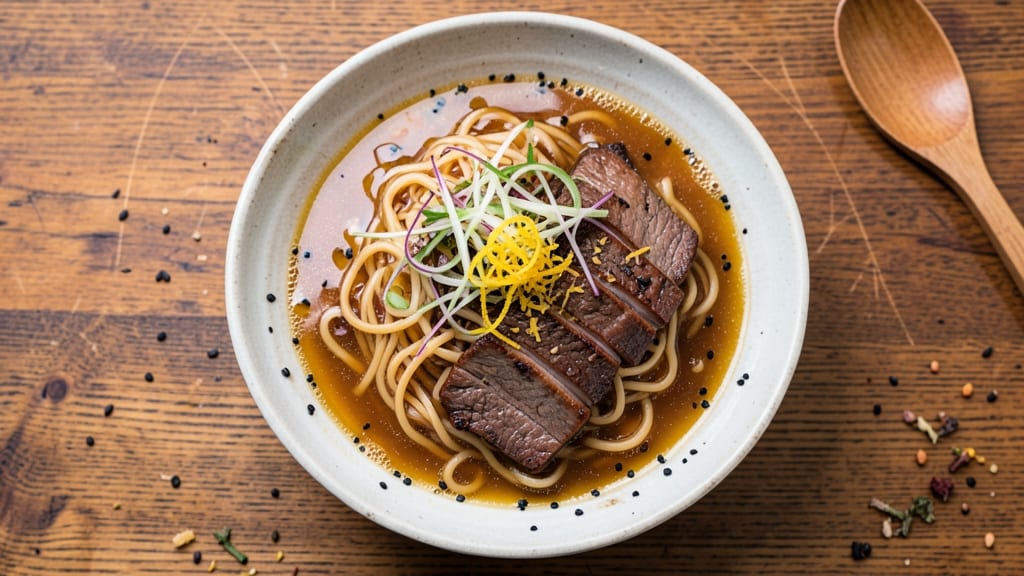
This beef soba noodle soup recipe delivers the perfect balance of tender beef, nutty soba noodles, and a rich, umami-packed broth that's impossible to resist. The secret lies in a slow-simmered broth infused with aromatics and a touch of soy, creating depth that transforms simple ingredients into something extraordinary.
I've perfected this recipe over years of testing, ensuring every spoonful delivers that satisfying harmony of textures and flavors.
The foundation starts with a foolproof broth that builds flavor through layering—dashi for umami, soy for depth, and a splash of vinegar for brightness. Thinly sliced beef cooks just until tender, absorbing the broth's essence, while soba noodles add a satisfying chew and nutty undertone.
The result is a soup where each component shines without overpowering the others, making it both comforting and restaurant-worthy.
What makes this recipe stand out is the attention to detail in every step—from properly slicing the beef to timing the noodles for that perfect slurp-worthy texture. Garnishes like scallions, sesame seeds, and chili oil add freshness, heat, and visual appeal, turning a simple bowl into a complete meal.
It's the kind of dish that feels indulgent yet balanced, perfect for chilly evenings or when you crave something hearty yet light.
Serve with pickled ginger or steamed greens for extra depth, or enjoy it as-is with a side of crusty bread to soak up every last drop of that flavorful broth.
The beauty of this recipe is its versatility—it's equally at home as a weeknight dinner or a special occasion dish. Let's get started on creating your own bowl of harmony.
Ingredients for beef soba noodle soup
These 14 ingredients create the perfect harmony of tender beef, nutty soba noodles, and umami-rich broth.
| Ingredient | Amount | Notes |
|---|---|---|
| Thinly Sliced Beef (Chuck or Flank) 🥩 | 1 lb | Cut against grain for tenderness |
| Dried Soba Noodles 🍜 | 8 oz | 100% buckwheat, not wheat-based |
| Dashi Powder 🍲 | 1 tbsp | For authentic umami depth |
| Light Soy Sauce 🥢 | ½ cup | Kikkoman preferred for balance |
| Sesame Oil 🫒 | 1 tbsp | Toasted for nutty aroma |
| Fresh Ginger 🧆 | 2 tbsp | Finely grated, peel removed |
| Garlic Cloves 🧄 | 4 cloves | Minced for aromatic punch |
| Green Onions 🧅 | 3 whole | Sliced for fresh garnish |
| Rice Vinegar 🍶 | 1 tbsp | For subtle brightness |
| Sesame Seeds 🌰 | 1 tbsp | Toasted for crunch |
| Chili Oil 🌶️ | 1 tbsp | For optional heat |
| Water 💧 | 6 cups | Filtered preferred for clarity |
| Salt 🧂 | 1 tsp | Diamond Crystal preferred |
| Black Pepper 🌶️ | ½ tsp | Freshly cracked |
The beef is everything here. Chuck or flank cuts work best—thinly sliced against the grain for that melt-in-your-mouth texture. Costco sells pre-sliced beef for stir-fry, which is perfect for this. If you're slicing yourself, freeze the beef for 20 minutes first, then slice paper-thin. The soba noodles? 100% buckwheat is non-negotiable—check the packaging. Nongshim or Koyo brands are my go-tos, but any buckwheat-only noodle will do. Fresh ginger and garlic? Penzeys has the best quality, but your grocery store's produce section works fine if it's plump and aromatic.
No dashi powder? Combine 1 tbsp kombu and 1 tsp bonito flakes with 1 cup hot water instead. Light soy sauce out? Dark soy sauce at half the amount works, but it'll be darker. Sesame oil missing? Toast sesame seeds in a dry pan and grind them for a cheaper alternative. The rice vinegar adds brightness—substitute lemon juice at half the amount if needed. For extra depth, add a dash of fish sauce (if not vegetarian) or extra soy sauce. And if you're feeling fancy, toasted shiitake mushrooms in the broth add another umami layer.
This broth gets better overnight—make a double batch and store it in the fridge for up to 5 days. The noodles cook in minutes, so keep them in the pantry until you're ready to serve. Freeze the broth in ice cube trays for quick future meals. Garnishes like sesame seeds and chili oil should go on right before serving—they lose their crunch if added too early. The beef reheats beautifully, so this soup tastes even better the next day once flavors meld.
Why You'll Love This Recipe
- No Knife Skills Needed: I swear by this recipe because the beef is pre-sliced—just sear and serve. Even if you’re the kind of cook who burns toast, you’ll nail this. The dashi powder does the heavy lifting for flavor, so it’s basically foolproof.
- Umami Bomb in a Bowl: That first sip? Pure satisfaction. The dashi and light soy sauce create this deep, savory punch, while the sesame oil adds a nutty finish that makes it taste like you spent hours simmering. (Spoiler: you didn’t.)
- Lunchbox Magic: Between us, this is my go-to for meal prep. Toss the cooled noodles and beef into containers, and they reheat like a dream—no soggy mess. Honestly, it’s the only soup I trust to survive a packed lunch.
- Budget-Friendly Powerhouse: A single package of soba noodles and a chunk of flank steak stretch into three or four meals. I’ll be real: it’s cheaper than takeout, and the leftovers taste just as good the next day. Win-win.
Step-by-step instructions for beef soba noodle soup
This Japanese-inspired dish delivers rich beef flavor with chewy soba noodles—let's make it together.
Prepare the Beef and Aromatics
In a large bowl, combine the 1 lb thinly sliced beef (chuck or flank) with 0.5 cup light soy sauce, 1 tbsp sesame oil, 0.5 tsp black pepper, and 1 tbsp rice vinegar. Mix gently to coat evenly—this marinade tenderizes the beef while building flavor. Let it sit at room temperature for 15 minutes while you prep the rest.
While the beef marinates, peel and finely grate the 2 tbsp fresh ginger using a microplane. Mince the 4 cloves garlic and slice the 3 whole green onions into 1-inch pieces. Set these aside—they'll add layers of freshness to your soup. I like to keep the green onions whole for garnish until serving, but slicing them now makes them easier to add later.
Build the Flavorful Broth
In a large pot, combine 6 cups water, 1 tbsp dashi powder, 1 tsp salt, and the grated ginger. Bring to a boil over medium-high heat, then reduce to a simmer for 5 minutes to infuse the broth with umami and warmth. This step creates the foundation—don't skip it, as the dashi powder is what makes this soup authentically Japanese.
Add the minced garlic and sliced green onions to the simmering broth. Let it cook for another 2 minutes until fragrant—you'll smell that aromatic punch of garlic and the subtle brightness of ginger. The broth should now have a rich, savory base ready for the beef and noodles.
Cook the Beef to Perfect Tenderness
Add the marinated beef to the simmering broth. Bring the mixture back to a gentle boil, then immediately reduce heat to medium-low and simmer uncovered for 8-10 minutes. You're aiming for beef that's tender but still holds its shape—it should be fork-tender with no resistance when pierced.
Here's the thing—don't overcook the beef. It'll continue cooking slightly when you add the noodles, so pull it out when it's just barely done. If you're unsure, slice a small piece to test. The beef should be tender enough to cut with a fork but not falling apart.
Add Noodles and Finish the Soup
While the beef cooks, prepare the 8 oz dried soba noodles according to package instructions—usually 4-5 minutes in boiling water. Drain and rinse briefly under cold water to stop the cooking process, then divide the noodles evenly among 4 bowls. This keeps them from getting mushy in the hot broth.
Ladle the hot beef and broth over the noodles, ensuring each serving gets an equal share of beef and flavorful liquid. Stir gently to combine. The noodles will finish cooking in the hot broth, absorbing all that delicious flavor. Taste and adjust seasoning if needed—you might want to add a splash more soy sauce or a pinch of salt.
Garnish and Serve with Confidence
Drizzle each bowl with 1 tbsp chili oil (for heat lovers) and sprinkle with 1 tbsp toasted sesame seeds. The chili oil adds a subtle kick, while the sesame seeds provide a nutty crunch that contrasts beautifully with the silky noodles. Garnish with sliced green onions for freshness and color.
Serve immediately while steaming hot. The contrast of the warm broth against the cool sesame seeds and the satisfying slurp of the noodles make this soup truly special. Each bite should deliver tender beef, chewy soba noodles, and layers of umami and freshness. Enjoy your homemade beef soba noodle soup—it's restaurant-quality without the wait!
Pro Tips For Making Beef Soba Noodle Soup
- SEAR THE BEEF FIRST: High heat for 30 seconds per side—this isn’t just for flavor, it’s what keeps the slices tender. I used to skip this with flank steak and ended up with chewy noodles because the beef turned tough before it even hit the broth.
- SOAK NOODLES 10 MINUTES: Cold water only, no oil. The package says 3-5 minutes, but soba noodles need that extra time to soften properly—especially if you’re using thicker strands. Trust me, you’ll taste the difference when they’re actually tender.
- DASHI IN STAGES: Add half the dashi powder to the hot broth first, let it bloom for 30 seconds, then add the rest. This prevents that bitter aftertaste that ruins the whole bowl. Sounds picky, but it’s the thing that matters most.
- FINISH WITH SESAME OIL LAST: A splash at the end coats the noodles and beef without cooking off. I was skeptical until I tried it—now I drizzle it directly over the bowl right before serving. (Yes, even if you’re impatient like me.)
Storing and reheating this recipe
Broth Storage Secrets
Store your finished broth in an airtight container in the refrigerator for up to 5 days—it actually tastes better the next day as flavors meld. For longer storage, freeze in ice cube trays (great for portion control) or quart-sized freezer bags.
When reheating frozen broth, thaw overnight in the fridge, then warm on medium-low heat for 10-15 minutes. Never reheat directly from frozen—this can lead to uneven temperatures. 💫
Noodle Prep Ahead
Cook soba noodles al dente (1 minute less than package instructions), rinse in cold water, and store in an airtight container in the fridge for 2-3 days. They'll keep their chew without turning mushy.
When reheating, add them directly to hot broth for 1-2 minutes—this restores their satisfying texture. Pro tip: Toss cooked noodles with 1 tsp sesame oil before storing to prevent sticking. ✨
Beef Reheating Tips
Reheat beef in the broth (not alone) to maintain moisture. Use medium-low heat and stir occasionally for 5-7 minutes until reaching 165°F internal temperature. For microwave reheating, cover with a damp paper towel and heat in 30-second intervals, stirring between each.
The beef absorbs extra broth flavor during reheating—this is why leftovers often taste even better! 🔥
Complete Soup Assembly
When reheating the full soup, combine all components in a pot and heat on low heat for 5-7 minutes—never bring to a full boil or the noodles will overcook.
Taste and adjust seasoning: leftovers often need a splash of rice vinegar (½ tsp) for brightness or extra soy sauce (½ tsp) for depth. Garnishes should be added fresh after reheating to maintain texture and flavor. 💛
Freezer-Friendly Packaging
For freezing the complete soup, assemble bowls and cover tightly with plastic wrap followed by aluminum foil to prevent freezer burn. Label with the date—this soup keeps for up to 3 months without losing quality.
Thaw overnight in the fridge, then reheat gently. The texture remains excellent because the broth protects the noodles and beef from drying out. 🧊
Nutrition facts
Frequently asked questions
Can I substitute beef with another protein?
For a vegetarian option, use shitake mushrooms or extra-firm tofu (pressed and sliced). Chicken works well too—thinly slice boneless, skinless thighs and marinate for 20 minutes instead of 15 to ensure tenderness. Just reduce cooking time by 2-3 minutes since chicken cooks faster than beef.
How do I know when the beef is perfectly cooked?
The beef is done when it's fork-tender but still holds its shape. Test by slicing a small piece—it should be opaque in the center with no pink, and easily cut with a fork but not falling apart. Overcooking makes it tough, so aim for 8-10 minutes of simmering time.
Can I make this soup spicier?
Yes! Add 1-2 tbsp chili crisp or ½ tsp red pepper flakes directly to the broth while simmering. For heat lovers, serve with an extra drizzle of chili oil (start with 1 tbsp per bowl) or top with sliced fresh chili peppers. Adjust to taste—start mild and add more later.
Why does my broth taste bland?
Bland broth often means insufficient umami or salt. Boost flavor by adding 1 tsp fish sauce (if not vegetarian) or ½ tsp MSG to the broth. Simmer uncovered for an extra 5 minutes to concentrate flavors, or reduce the broth by 25% before adding noodles. Taste and adjust with soy sauce or rice vinegar as needed.
Can I use regular wheat noodles instead of soba?
While possible, soba noodles' nutty buckwheat flavor is key to this dish. For a similar texture, use udon or ramen noodles (they're heartier). If you must use wheat, add 1 tbsp toasted sesame seeds to the broth for depth and 1 tsp grated ginger to mimic soba's earthiness. The texture won't be identical, but it'll still be delicious.