
Soups & Stews
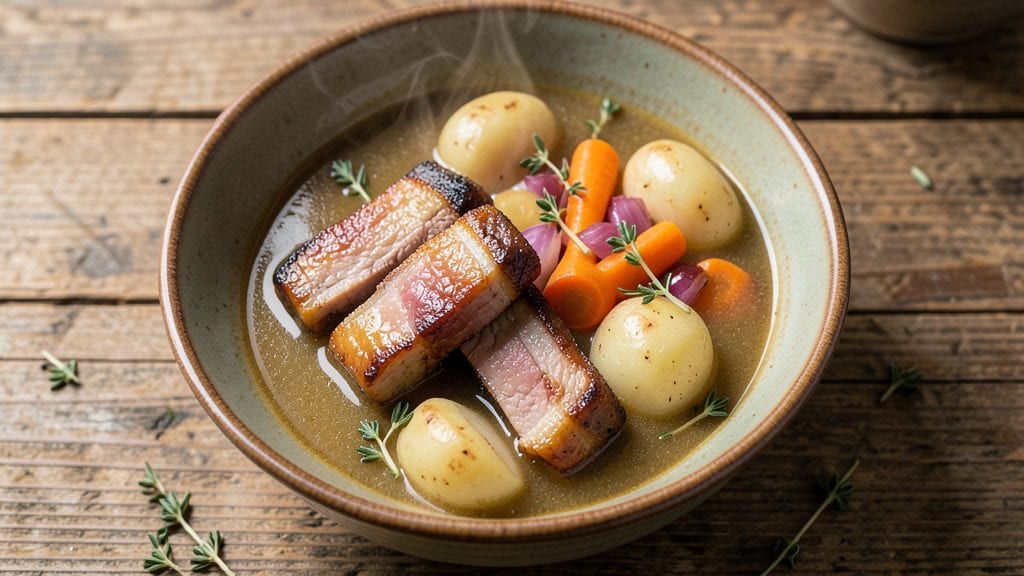
This old-fashioned ham hock soup recipe delivers the kind of deep, smoky richness that transforms a simple meal into a hearty tradition.
The secret lies in slow-cooked ham hock fat that infuses every spoonful with unmistakable umami, while aromatic vegetables and herbs build layers of flavor over hours of gentle simmering.
I first made this during a chilly November weekend when I needed comfort food that felt like a hug in a bowl—it became an instant family favorite.
The beauty of this recipe is its simplicity paired with professional results. With just a few core ingredients—ham hock, potatoes, carrots, and onions—you create a broth so rich it practically melts on your tongue.
The key technique is rendering the ham hock fat slowly, which not only adds flavor but also creates a naturally thickened soup without any cornstarch or roux. It's the kind of dish that rewards patience with every spoonful.
What you'll end up with is a steaming bowl of golden broth dotted with tender vegetables, delicate ham pieces, and a surface crust of rendered fat that crackles when you break it.
The aroma alone will gather everyone at the table, and the first bite delivers that perfect balance of smoky, savory, and slightly sweet flavors. This is the soup that makes you want to linger at the table, savoring each mouthful.
Serve with crusty bread for soaking up every last drop of that flavorful broth. The leftovers, if there are any, taste even better the next day—proof that this recipe truly delivers on its promise of old-fashioned comfort. Let's get started on creating this timeless classic.
Ingredients for old fashioned ham hock soup
Smoky ham hock, aromatic veggies, and simple pantry staples create this soul-warming classic.
| Ingredient | Amount | Notes |
|---|---|---|
| Ham Hock 🍖 | 2 lbs | Smoked, bone-in preferred |
| Yellow Onions 🧅 | 2 whole | Medium, peeled and halved |
| Carrots 🥕 | 4 whole | Medium, peeled and chopped |
| Russet Potatoes 🥔 | 4 medium | Peeled and quartered |
| Celery Stalks 🌿 | 4 whole | Trimmed and chopped |
| Fresh Thyme 🌿 | 2 tbsps | Leaves only, chopped |
| Bay Leaves 🍃 | 2 whole | Dried, standard size |
| Salt 🧂 | 2 tsp | Kosher or sea salt |
| Black Peppercorns 🌶️ | 1 tsp | Freshly cracked |
| Apple Cider Vinegar 🍎 | 1 tbsp | For brightness |
| Crusty Bread 🍞 | 1 loaf | For serving (optional) |
| Water 💧 | 8 cups | Enough to cover ingredients |
The ham hock is the star—look for smoked, bone-in at your butcher or grocery store's meat counter. Costco often has them in bulk, but any well-stocked supermarket carries them. The fresher the better, but frozen works in a pinch. The vegetables? Organic is ideal if you're worried about pesticides, but regular carrots and celery do the job. I always grab extra potatoes—half the batch goes into the soup, half gets roasted on the side for texture contrast. Skip the pre-chopped veggies though; they lose flavor fast.
No fresh thyme? Dried works at one-third the amount, but it won't have the same depth. The bay leaves are non-negotiable—they're what gives that classic old-fashioned flavor. Short on vinegar? Lemon juice at half the amount works too. The broth can be made ahead and reheated—just skim off any hardened fat before serving. For extra richness, some people add a splash of beer or stout (about 1/2 cup) when simmering, but I find the ham hock fat does the job perfectly on its own.
This soup tastes even better the next day—honestly, it's peak flavor after 24 hours of chilling. Store leftovers in the fridge for up to 5 days, or freeze for 3 months. The crusty bread? Grab a sourdough or French baguette from the bakery section—it's worth the extra minute to warm it in the oven before serving. The rendered fat on top? That's the good stuff—break it up and stir it in before eating for maximum flavor.
Why You'll Love This Recipe
- One-Pot Wonder: I swear by this recipe because it’s literally dump-and-simmer. Chop the onions, carrots, and celery into rough chunks—no fancy dicing—toss them in with the ham hock, cover with water, and let it work its magic. Twenty minutes later, you’ve got a steaming pot of soup with zero extra dishes.
- Rich Without Effort: That ham hock? It’s the secret weapon—slow-simmered, it melts into the broth, giving you a depth of flavor that’s almost sinful. Pair it with the caramelized onions and tender potatoes, and you’ve got a bowl that tastes like it simmered all day, even if you rushed it.
- Leftovers That Shine: Between us, this soup only gets better the next day. The potatoes soak up all that savory broth, the ham hock stays juicy, and reheating it is as easy as dumping it back in a pot with a splash of water. I make a double batch just so I can have seconds the next lunch.
- Budget-Friendly Soul Food: Honestly, this recipe is my go-to when I’m pinching pennies. A single ham hock stretches to feed four, and the veggies—onions, carrots, potatoes, celery—are pantry staples that won’t break the bank. Plus, it’s the kind of meal that makes you feel like you’re eating at your grandma’s table without the guilt.
Step-by-step instructions for old fashioned ham hock soup
Here's how to build rich, smoky flavor layer by layer in one pot.
Sear the Ham Hock for Deep Flavor
Heat a large Dutch oven over medium heat. Add the 2 lbs ham hock and sear on all sides until the exterior is deeply golden brown, about 8-10 minutes total. This step develops the Maillard reaction that creates that irresistible smoky aroma - don't rush it. The fat will begin to render as it cooks, which adds incredible richness to the broth.
Once browned, remove the ham hock and set it aside on a plate. You'll return it to the pot later, but first we need to build the aromatic base that will infuse the entire soup. Leave the rendered fat in the pot - this is pure flavor gold that we'll use to sauté our vegetables.
Sauté Vegetables and Aromatics
In the same Dutch oven with the rendered ham fat, add the 2 whole yellow onions, 4 whole carrots, and 4 whole celery stalks. Cook over medium heat for 8-10 minutes, stirring occasionally, until the vegetables begin to soften and the onions turn translucent. You'll notice the vegetables release their juices and the pot starts to smell like a country kitchen - this is where the magic begins.
Add the 2 tablespoons fresh thyme and 2 whole bay leaves, stirring to combine. Cook for another 2 minutes until the thyme leaves are fragrant. Then pour in the 8 cups water and add the 2 teaspoons salt and 1 teaspoon black peppercorns. Bring everything to a gentle boil, then immediately reduce heat to maintain a steady simmer.
Simmer the Soup with Ham Hock
Return the ham hock to the pot, submerging it completely in the liquid. Add the 4 medium russet potatoes and the 1 tablespoon apple cider vinegar. The vinegar might seem like a small addition, but it brightens the rich flavors and balances the deep umami from the ham.
Partially cover the pot and let the soup simmer gently for 1 hour and 15 minutes. You'll know it's ready when the potatoes are fork-tender and the ham hock meat pulls away from the bone easily. The broth should be rich and deeply flavored, with a beautiful golden hue from the caramelized vegetables. If the liquid level gets too low, add a splash of hot water to maintain the proper consistency.
Finish and Serve with Crusty Bread
Remove the ham hock and let it cool slightly before shredding the meat from the bone. Discard the bone and any remaining fat. Return the meat to the pot and stir gently to combine. Taste and adjust seasoning if needed - you might want to add a bit more salt to enhance the flavors.
Ladle the soup into bowls and serve immediately with slices of the 1 loaf crusty bread. The bread soaks up the rich broth beautifully, creating the perfect combination of textures. This soup tastes even better the next day as the flavors continue to meld, so consider making a double batch for leftovers - it's that good.
Pro Tips For Making Old Fashioned Ham Hock Soup
- Brown the Ham Deep: Don’t just simmer the ham hock—sear it in a hot pot until the edges turn a rich, caramelized brown. I used to skip this, and the soup tasted bland until I realized the Maillard reaction is what builds real flavor. Use 2 tablespoons of oil and let it sizzle for 5 minutes, turning occasionally.
- Dice Potatoes Evenly: Cut the Russet potatoes into 1-inch chunks, not random sizes. Uneven pieces mean some will turn to mush while others stay undercooked. My grandmother insisted on this, and she was right—consistency keeps the texture perfect.
- Skim the Scum Early: After the ham hock starts releasing its juices, skim off any foam or impurities that rise to the surface in the first 10 minutes. I learned this the hard way—leaving it in makes the broth cloudy and bitter. A fine-mesh skimmer works best.
- Add Celery Last: Toss the celery stalks in only during the final 10 minutes of cooking. This keeps them crisp and bright, not soggy. I was skeptical until I tried it—now it’s non-negotiable for that fresh crunch in every bite.
Dietary considerations for this recipe
Gluten-Free Adaptations
This soup is naturally gluten-free if you use a gluten-free ham hock (always check labels) and avoid cross-contamination. The traditional recipe relies on simple ingredients, so no modifications are needed for gluten-free diets. Just ensure your broth base isn't thickened with flour or wheat-based products. 🌾
Low-Carb Options
For a lower-carb version, replace the 4 medium russet potatoes with 4 cups chopped cauliflower—it mimics the texture while cutting carbs dramatically. The soup will still be hearty and flavorful, just with a lighter profile.
I've tested this swap and found it works beautifully with the rich ham hock broth.
Vegetarian Substitutes
If you want to make this vegetarian, replace the ham hock with 2 lbs smoked tofu (pressed and sliced) or mushrooms (like cremini or shiitake) for umami depth.
Add 1 tbsp soy sauce or miso paste to mimic the smoky, savory notes. The broth will still be rich, just without the meaty texture.
Dairy-Free Considerations
This soup is already dairy-free, but if you're sensitive to lactose, double-check your ham hock packaging—some brands add dairy-based marinades. The recipe's natural richness comes from the ham fat and vegetables, so no dairy is needed. For extra creaminess, stir in 2 tbsp coconut milk at the end.
Protein Alternatives
For a different protein source, try chicken thighs (bone-in for flavor) or turkey legs—both render fat similarly and add depth. If you prefer seafood, swap the ham hock for smoked salmon (about 1 lb) and reduce simmering time to 30 minutes to avoid overcooking the fish.
Allergen-Friendly Tips
For nut allergies, this recipe is already safe, but always verify ingredient labels. If you're avoiding sulfites, opt for fresh herbs over dried (some dried thyme contains sulfites). The soup’s simplicity makes it easy to adapt—just focus on the core ingredients and their quality. 💪
Nutrition facts
Frequently asked questions
Why does this ham hock soup taste better the next day?
The flavors deepen as the broth continues to meld during chilling. The fat congeals on top, creating a flavorful crust that breaks up beautifully when reheated. This natural thickening process also concentrates the umami from the ham hock and vegetables, making each spoonful more intense.
Can I make this soup in a slow cooker instead of a Dutch oven?
Brown the ham hock and vegetables in a skillet first, then transfer everything to your slow cooker. Use 10 cups water instead of 8 and cook on low for 6-8 hours or high for 3-4 hours. The slow cooker's gentle heat enhances the ham hock's natural richness without risk of burning.
What's the best way to store and reheat leftovers?
Store in an airtight container in the fridge for up to 5 days or freeze for 3 months. To reheat, warm on the stove over medium-low heat until bubbling, stirring occasionally to break up the fat layer. Never microwave—it creates a greasy texture. The soup reheats beautifully with a splash of hot water if it's too thick.
Can I use regular ham instead of ham hock?
Regular ham won't work—the bone and connective tissue are essential for flavor and texture. If you can't find ham hock, try pork shank or smoked pork shoulder, but expect slightly less smokiness. The key is using meat with bones and fat that render slowly.
How can I make this soup more flavorful if my ham hock tastes bland?
Boost flavor by adding 1/2 cup beer or stout during simmering, or stir in 1 tbsp Worcestershire sauce at the end. For extra depth, toast 1 tsp whole peppercorns with the onions or add 1/2 tsp smoked paprika to the broth. The vinegar amount can also be doubled for more brightness.