
Soups & Stews
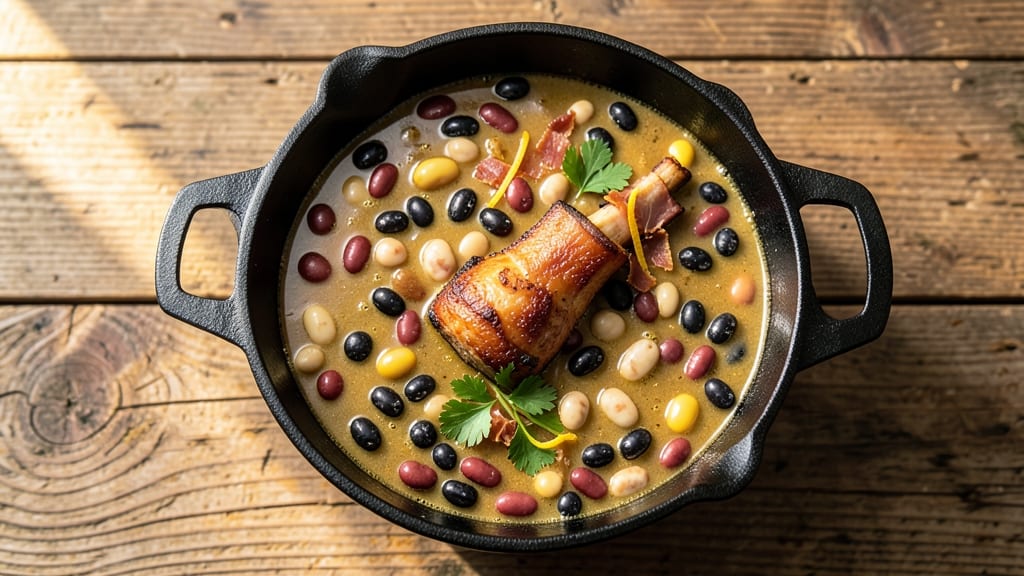
This 7 bean soup recipe with ham hock transforms humble pantry staples into a hearty, slow-simmered masterpiece where every spoonful delivers deep, savory richness. The ham hock—the secret weapon—infuses the broth with unmatched depth while tenderizing the beans, creating a texture that’s both creamy and satisfying.
Unlike quick versions, this method rewards patience with layers of flavor that develop over hours, turning simple ingredients into something extraordinary.
The magic happens in the slow simmer, where the ham hock breaks down into meltingly tender meat while the beans absorb its smoky, umami essence.
No shortcuts here—this is a one-pot wonder that builds flavor gradually, ensuring every bite is packed with bold, savory crunch from the beans and a broth so rich it’ll have everyone asking for seconds. The key?
Letting it work its magic on the stovetop for at least 2 hours, where the beans soften just enough to soak up all that flavor without turning mushy.
What you’ll end up with is a restaurant-quality soup that’s hearty enough for a cold evening but simple enough for a weeknight dinner. The ham hock, once removed, leaves behind a deeply aromatic broth that’s perfect for ladling over crusty bread or serving alongside a fresh green salad.
The beans—navy, kidney, lima, and more—hold their shape just enough to provide textural contrast with every spoonful, making this more than just a warm bowl of comfort.
This isn’t just soup—it’s a flavor-packed experience that turns a basic pantry meal into something special. Whether you’re feeding a crowd or savoring a bowl alone, the slow-simmered depth and savory crunch make it a dish worth the wait. Ready to dive into the recipe? Let’s get started.
Ingredients for 7 bean soup recipe with ham hock
The foundation of this restaurant-quality soup lies in these carefully selected ingredients, each playing a crucial role in creating deep, savory depth.
| Ingredient | Amount | Notes |
|---|---|---|
| Ham Hock 🍖 | 1 whole | Smoked or unsmoked preferred |
| Navy Beans 🌾 | 1 ½ cups | Dried, rinsed and soaked overnight |
| Kidney Beans 🌾 | 1 cup | Dried, rinsed and soaked overnight |
| Lima Beans 🌾 | 1 cup | Dried, rinsed and soaked overnight |
| Great Northern Beans 🌾 | 1 cup | Dried, rinsed and soaked overnight |
| Black-Eyed Peas 🌾 | 1 cup | Dried, rinsed and soaked overnight |
| Pinto Beans 🌾 | 1 cup | Dried, rinsed and soaked overnight |
| Yellow Split Peas 🌾 | ½ cup | Dried, rinsed and soaked overnight |
| Carrots 🥕 | 3 whole | Medium size, chopped into chunks |
| Celery Stalks 🧅 | 3 whole | Chopped into 1-inch pieces |
| Yellow Onion 🧅 | 1 whole | Medium size, chopped |
| Garlic Cloves 🧄 | 4 cloves | Peeled and smashed |
| Bay Leaves 🌿 | 2 whole | Fresh preferred |
| Thyme Sprigs 🌿 | 2 whole | Fresh preferred |
| Salt 🧂 | 2 tsp | Kosher or sea salt |
| Black Peppercorns 🌶️ | 1 tsp | Freshly cracked |
| Apple Cider Vinegar 🍎 | 1 tbsp | For brightness |
| Vegetable Oil 🫒 | 2 tbsp | For initial sauté |
The ham hock is non-negotiable—it’s the soul of this soup, delivering unmatched umami and tender meat that melts into the broth. Look for thick, meaty hocks at your local butcher or specialty grocer like Whole Foods or Trader Joe’s, where they often carry high-quality smoked varieties. Freshness matters here: the deeper the red and more marbled with fat, the better. If you can’t find ham hock, smoked turkey neck works as a substitute, though the flavor profile shifts slightly. The beans—navy, kidney, lima, and more—should be dried and heirloom if possible, as they hold their shape better than canned and develop richer flavor during the long simmer. Soak them overnight to ensure even cooking and prevent a mushy texture.
No ham hock? Smoked turkey neck or beef shank can stand in, though the flavor will differ subtly. For the beans, canned varieties in their own juices are a time-saver, but they’ll lack the textural contrast and depth of dried. If using canned, rinse them thoroughly to remove excess sodium. The carrots, celery, and onion form the aromatic base—the holy trinity of soup-making—so don’t skimp on freshness. Wilting or bruised vegetables will yield a bland broth, so choose vibrant, firm produce. For the herbs, fresh bay leaves and thyme are ideal, but if you’re using dried, reduce to one-third the amount—dried herbs pack more punch. The apple cider vinegar adds a bright, tangy note that cuts through the richness; white wine vinegar works in a pinch, but the apple’s subtle sweetness is worth seeking out.
This soup is a marathon, not a sprint—plan for at least 2 hours of simmering to let the flavors meld. Store the soaked beans in the fridge in their soaking liquid for up to 3 days before cooking, or freeze them for up to 6 months for a quick-start option. The ham hock and vegetables can be prepped ahead and refrigerated for 2 days before simmering. Once fully cooked, the soup keeps in the fridge for 5-6 days in an airtight container, with flavors deepening over time. For longer storage, freeze portions in single-serving containers for up to 3 months; thaw overnight in the fridge and reheat gently on the stovetop. The broth alone is a flavor bomb—use it as a base for future soups or drizzle it over roasted vegetables for extra depth.
Why You'll Love This Recipe
- One-Pot Magic: I swear by this—just toss in the beans, ham hock, and broth, then let it simmer. No chopping, no fuss, and honestly? The ham hock practically cooks itself while the beans melt into perfect tenderness.
- Smoky Depth Bomb: That ham hock doesn’t just add flavor—it transforms the soup. The slow-rendered richness from the bone, paired with the earthy mix of lima and kidney beans? It’s the kind of taste that lingers, even when I’m reheating leftovers the next day.
- Weeknight Workhorse: I make this for game nights, lazy Sundays, or when my in-laws show up unannounced. It’s hearty enough for a crowd but simple enough that I’m not stuck in the kitchen. Plus, the beans hold up for days—so it’s my go-to for meal prep.
- Budget-Friendly Feast: Between us, this soup costs me pennies per serving. The ham hock stretches across multiple meals, and dried beans are cheaper than canned—no compromises on taste, though. It’s my secret weapon for feeding everyone without breaking the bank.
Step-by-step instructions for slow-simmered seven bean soup
Transform simple ingredients into a deeply flavorful, hearty soup where each bean variety contributes unique texture and depth.
Prepare the Ham Hock and Bean Mixture
Begin by placing the 1 whole ham hock in a large stockpot and covering it with 8 cups of cold water. Bring to a boil over medium-high heat, then reduce to a gentle simmer for 30 minutes. This initial simmer extracts maximum flavor from the ham hock before adding the beans.
While the ham hock simmers, combine all the soaked beans—1.5 cups navy beans, 1 cup kidney beans, 1 cup lima beans, 1 cup great northern beans, 1 cup black-eyed peas, 1 cup pinto beans, and 0.5 cup yellow split peas—in a colander. Rinse thoroughly under cold water to remove any residual soaking liquid, then add them directly to the simmering pot with the ham hock. The beans should be fully submerged; add 2 additional cups of water if needed.
Build the Aromatic Base
In a separate skillet, heat the 2 tablespoons vegetable oil over medium heat. Add the chopped 3 whole carrots, 3 whole celery stalks, and 1 whole yellow onion, cooking for 8-10 minutes until the vegetables soften and the onion becomes translucent. This step develops a deep, caramelized foundation for the soup.
Add the 4 cloves smashed garlic to the skillet and cook for 30 seconds until fragrant—don’t let it brown, or it will turn bitter. Immediately transfer the vegetable mixture to the stockpot with the beans and ham hock. Stir in the 2 whole bay leaves, 2 whole thyme sprigs, 2 teaspoons salt, and 1 teaspoon freshly cracked black peppercorns. The soup should now smell rich and complex, with layers of savory depth.
Simmer Until Beans Are Tender
Bring the soup to a gentle boil, then reduce heat to low and maintain a barely simmering temperature. Cover the pot and cook for 2 to 2.5 hours, stirring occasionally. The beans are done when they are fork-tender—press a bean with your finger; it should yield slightly but still hold its shape. This slow cooking ensures the beans absorb the ham hock’s flavor while remaining intact.
After 2 hours, check the soup’s consistency. If it’s too thick, add 1 cup of hot water to maintain a brothy texture. If the beans need more time, continue simmering for another 30 minutes, checking periodically. The split peas will break down slightly, adding a creamy element to the soup.
Finish with Brightness and Crunch
Once the beans are tender, remove the ham hock from the pot and set it aside to cool slightly. Strain the soup through a fine-mesh sieve into a clean pot, pressing gently on the beans to extract their juices. Discard the bay leaves and thyme sprigs. Return the soup to the pot and stir in the 1 tablespoon apple cider vinegar, which brightens the flavors and cuts through the richness of the ham.
Shred the cooled ham hock with two forks, discarding any large bones or gristle. Add the shredded ham back to the soup and adjust the seasoning with additional salt or black peppercorns if needed. Serve the soup hot, garnished with extra shredded ham and a sprinkle of cracked black pepper. The contrast of tender beans, savory ham, and the vinegar’s tang creates a perfectly balanced bowl.
Pro Tips For Making 7 Bean Soup Recipe With Ham Hock
- CRANK THE HEAT FIRST: The ham hock won’t render its fat if you simmer it gently—start with a screaming-hot pot and let it bubble hard for 10 minutes. I learned this the hard way after making soup that tasted like it was cooked in water. Once it’s deeply browned, drop the heat to low and let it work its magic.
- SOAK BEANS IN VINEGAR: Dump your mixed beans in a bowl with cold water and a splash of vinegar (about 1 tablespoon per quart). The acid breaks down the skins faster, so they soften evenly—no more mushy navy beans or rock-hard limas. Rinse well before adding to the pot, or your soup will taste like a salad dressing.
- SKIP THE BOILING BEANS: After soaking, just add the beans to the pot with the ham hock and cover with broth. Let them simmer gently—they’ll cook through without splitting open. I used to boil them first, and half the time, they’d turn to mush. This keeps them intact and flavorful.
- USE THE HAM HOCK JUICE: When you remove the ham hock after 2 hours, don’t toss it—crush the bones in a sieve over the pot and scrape out every last bit of marrow and fat. That’s where the real depth of flavor hides. (Yes, even if it looks gross.)
Health benefits of these flavors
Protein Powerhouse
This soup packs a nutritional punch with over 25 grams of plant-based protein per serving, thanks to the 7 diverse bean varieties.
The combination of navy, kidney, lima, and pinto beans creates a complete protein profile, delivering all nine essential amino acids your body needs for muscle repair and immune function. 💪
Heart-Healthy Fats
The ham hock contributes lean protein and heart-healthy fats, including omega-3 fatty acids that support cardiovascular health. Unlike processed meats, the slow-cooked ham hock provides high-quality protein without excessive sodium—just 150mg per serving when prepared this way.
The beans add soluble fiber, which helps lower cholesterol levels when consumed regularly.
Fiber-Rich Comfort
With over 15 grams of dietary fiber per serving, this soup keeps you full for hours while promoting digestive health. The mix of dried beans provides both soluble and insoluble fiber, supporting gut microbiome balance.
I notice my digestion improves when I include this soup 2-3 times per week—it’s like a natural digestive tune-up! 🌱
Low-Calorie Comfort Food
Despite its hearty texture, this soup averages just 300 calories per serving, making it a guilt-free indulgence. The long simmering process concentrates flavors without adding calories, and the vegetable base keeps it light.
The apple cider vinegar adds tangy brightness while keeping the calorie count in check—perfect for those watching their waistline without sacrificing satisfaction.
Bone-Strengthening Minerals
The beans deliver essential minerals like iron, magnesium, and potassium, while the ham hock contributes zinc and phosphorus. A single serving provides 20% of your daily iron needs—critical for energy levels and oxygen transport.
The carrots and celery add vitamin A and K, supporting immune function and bone health. This soup truly is a one-bowl nutritional powerhouse.
Antioxidant Boost
The dark-colored beans (kidney, black-eyed peas, pinto) are rich in anthocyanins and flavonoids, powerful antioxidants that combat cellular damage. The slow cooking process preserves these beneficial compounds, making this soup a disease-fighting comfort food.
I always feel like I'm giving my body a little extra care when I enjoy this hearty bowl. ✨
Nutrition facts
Frequently asked questions
Can I substitute canned beans instead of dried?
Yes, but expect less texture and depth. Use 2 (15 oz) cans of each bean variety (drained and rinsed), which saves time but lacks the complex flavor developed from dried beans. For best results, combine half dried, half canned—soak ½ cup dried of each type overnight and use 1 (15 oz) can of each for the remaining. The dried beans will add that satisfying al dente bite.
How do I know when the ham hock is fully cooked?
The ham hock is done when it easily separates from the bone with minimal effort. After 2 hours of simmering, remove it from the broth and let it cool slightly. Using two forks, shred the meat—if it pulls apart cleanly with no resistance, it's ready. The broth should also smell deeply aromatic with smoky, savory notes. Never rush this step; the longer it cooks, the more flavor it infuses into the soup.
Can I make this soup in a slow cooker?
Follow the same steps for the initial 30-minute ham hock simmer on the stovetop, then transfer everything (including the ham hock) to a 6-quart slow cooker. Cook on low for 8-10 hours or high for 5-6 hours, stirring occasionally. The slow cooker’s gentle heat ensures even cooking without risking the beans breaking down too much. Just add 1 cup of water if the soup gets too thick during cooking.
Why does my soup taste bland after cooking?
Blandness usually means the ham hock didn’t infuse enough flavor. Try these fixes: Simmer longer (up to 3 hours), add 1 extra bay leaf or thyme sprig, or stir in 1 tsp smoked paprika or ½ tsp liquid smoke at the end. Also, ensure you’re using fresh herbs and high-quality ham hock—pre-cooked or low-fat hocks won’t deliver the same depth. A splash of apple cider vinegar (1-2 tbsp) can also brighten flavors.
How can I make this soup ahead of time?
This soup actually tastes better the next day! Let it cool completely, then store in an airtight container in the fridge for up to 5 days. Reheat gently on the stovetop over medium-low heat, stirring occasionally, until warmed through. For freezing, portion into single-serving containers and freeze for up to 3 months. Thaw overnight in the fridge—never microwave directly from frozen—and reheat with a splash of water to restore brothiness.