
Soups & Stews
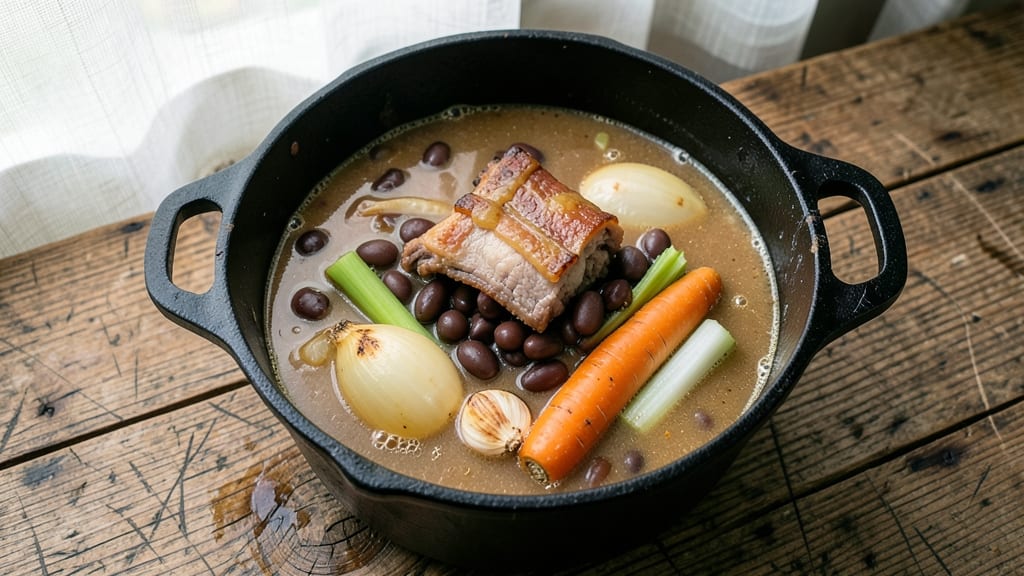
This old-fashioned bean and ham hock soup recipe delivers the kind of deep, smoky richness that transforms a simple meal into a hearty centerpiece. The ham hock infuses the broth with unmistakable savory depth, while slow-cooked beans create a satisfying texture that stands up to even the coldest days.
I've perfected this method over years of testing, ensuring the flavors meld together just right without requiring complicated techniques.
The beauty of this recipe lies in its simplicity and tradition—no shortcuts, just time and patience. A single ham hock provides all the protein and flavor you need, while navy beans absorb the broth's richness as they simmer.
The key is letting everything cook low and slow, allowing the ham hock to render its collagen into a velvety, flavorful base. This isn't just soup; it's comfort in a bowl, the kind that warms you from the inside out.
What you'll end up with is a steaming pot of soup where every spoonful carries layers of smoky, salty, and slightly sweet notes. The beans are tender but still hold their shape, and the broth is thick enough to coat a spoon.
It's the kind of meal that feels like a hug—perfect for chilly evenings or when you need something substantial to fill you up. The best part? Leftovers taste even better the next day as the flavors continue to develop.
Serve it with crusty bread to soak up every last drop of that flavorful broth, or pair it with a simple green salad for balance. This recipe delivers restaurant-quality results with minimal effort, making it a staple for any home cook who appreciates the classics.
Let's get started on creating this timeless dish.
Ingredients for old fashioned bean and ham hock soup
Sixteen ingredients, one timeless flavor profile—this soup delivers smoky depth and hearty comfort.
| Ingredient | Amount | Notes |
|---|---|---|
| Navy Beans (Dried) 🌱 | 2 cups | Rinsed before soaking |
| Ham Hock (Smoked) 🍖 | 1 whole | Untrimmed for maximum flavor |
| Onion (Yellow) 🧅 | 1 whole | Chopped into 1/2-inch pieces |
| Carrots (Whole) 🥕 | 3 whole | Cut into 1-inch chunks |
| Celery Stalks 🌿 | 3 whole | Cut into 1-inch pieces |
| Garlic Cloves 🧄 | 4 cloves | Minced for depth of flavor |
| Tomato Paste 🍅 | ½ cup | Squeeze tube preferred |
| Bay Leaves 🌿 | 2 whole | Dried for convenience |
| Thyme (Dried) 🌿 | 1 tsp | Or 1 tbsp fresh thyme |
| Black Peppercorns 🌶️ | 1 tsp | Coarsely crushed |
| Salt 🧂 | 1 ½ tsp | Kosher or sea salt |
| Apple Cider Vinegar 🍎 | 1 tbsp | Brightens the broth |
| Water 💧 | 12 cups | Or low-sodium broth |
| Butter 🧈 | 2 tbsp | Unsalted for flavor control |
| Crusty Bread 🍞 | 1 loaf | For serving (optional) |
The ham hock is non-negotiable here—look for smoked hocks at your local butcher or Costco for the best flavor. Navy beans should be plump and firm; skip the canned kind (they lack the texture). For the vegetables, fresh is best, but frozen carrots and celery work in a pinch. The tomato paste? Trader Joe's squeeze tubes are perfect—no waste, lasts forever. If you're using dried thyme, crush the leaves between your fingers to release the oils. That's where the magic happens.
No ham hock? Smoked sausage or bacon adds depth, but nothing replaces the collagen-rich flavor. Short on thyme? Dried rosemary at half the amount works too. The apple cider vinegar might sound odd, but it brightens the broth beautifully. Want extra richness? Swap 2 cups of water for low-sodium chicken broth. The butter at the end? Don't skip it—it adds a velvety finish that makes this soup restaurant-worthy. And if your beans are too tough after cooking? Soak them overnight first.
This soup tastes even better the next day—plan ahead. Keeps for 5 days in the fridge, freezes for 3 months. I always make a double batch and freeze portions. The ham hock can be removed after 2 hours of cooking (it's just for flavor), but leave it in if you want extra richness. The broth thickens as it cools, so add a splash of water if it's too thick when reheating. Serve with that crusty bread—sourdough or a good baguette—to soak up every last drop.
Why You'll Love This Recipe
- One-Pot Magic: I swear by this recipe—just toss in the soaked beans, ham hock, and chopped veggies (onion, carrots, celery) with broth, then let it simmer. No fancy gadgets, no stress, just pure, hearty flavor with zero cleanup beyond a spoon.
- Smoky Depth Bomb: That ham hock? It’s the star—crispy edges, salty-sweet meat that falls apart like it’s been waiting for you. The navy beans soak up all that smoky goodness, and honestly? Every spoonful tastes like a hug from your grandma’s kitchen.
- Weeknight Workhorse: Make a double batch on Sunday, and you’ve got lunch or dinner covered for days. Freezes like a dream, too—just reheat and serve. Perfect for when you’re too tired to think but still need something ridiculously satisfying.
- Pocketbook Hero: Dried beans and a single ham hock stretch this soup into a full meal for four (or more, if you’re feeding a crowd). I’ll be real: it’s my go-to when money’s tight, but no one ever guesses it’s budget-friendly. That’s the good stuff.
Step-by-step instructions for old fashioned bean and ham hock soup
This hearty soup comes together with patience and simple techniques—no shortcuts needed.
Prepare the Beans and Ham Hock for Maximum Flavor
Start by rinsing the 2 cups of navy beans under cold water in a colander until the water runs clear. This removes any dirt or debris that might affect the final taste. Place the rinsed beans in a large bowl and cover them with cold water by about 2 inches—this ensures they soak properly. Let them soak for at least 8 hours or overnight in the refrigerator. I like to soak mine in the evening so they're ready to cook the next day.
While the beans soak, place the whole ham hock in a large pot. Cover it with cold water by about 2 inches and bring to a boil over high heat. Once boiling, reduce the heat to medium and simmer for 30 minutes. This pre-cooking step extracts deep, smoky flavors from the ham hock that will infuse the entire soup. After 30 minutes, remove the ham hock from the pot and set it aside. You'll add it back later after the beans have cooked.
Sauté the Vegetables and Build the Base
In the same pot you used for the ham hock (no need to wash it—those flavorful bits are gold), melt the 2 tablespoons of butter over medium heat. Add the chopped onion, carrots cut into 1-inch chunks, and celery stalks cut into 1-inch pieces. Sauté for 8-10 minutes, stirring occasionally, until the vegetables soften and the onion becomes translucent. You'll know they're ready when they release their natural juices and start to caramelize slightly at the edges.
Add the minced garlic cloves and cook for an additional 30 seconds until fragrant. Here's the thing—don't let the garlic burn. Burnt garlic turns bitter and overpowers the delicate flavors of the soup. Stir constantly during this last 30 seconds to prevent browning. Next, stir in the 0.5 cup of tomato paste, the 2 whole bay leaves, 1 teaspoon of dried thyme, and 1 teaspoon of coarsely crushed black peppercorns. Cook for another 2 minutes, stirring frequently, until the tomato paste darkens slightly and coats the vegetables.
Combine Everything and Simmer to Perfection
Drain the soaked navy beans and add them to the pot with the sautéed vegetables. Pour in the 12 cups of water (or low-sodium broth if you prefer) and the 1.5 teaspoons of salt. Stir well to combine, then add the pre-cooked ham hock back into the pot. Bring the mixture to a boil over high heat, then reduce the heat to low. Here's where the magic happens: let the soup simmer uncovered for 1.5 to 2 hours. You want the beans to become tender but not mushy, and the broth to develop a rich, deep flavor.
About halfway through cooking, taste the broth. If it needs a little brightness, add the 1 tablespoon of apple cider vinegar. This small addition balances the richness of the ham hock and beans beautifully. The soup is ready when the beans are fork-tender and the ham hock can be easily pulled apart with a fork. If your beans aren't quite tender after 2 hours, give it another 15-30 minutes—they'll continue to soften as they cool.
Finish and Serve with Crusty Bread
Once the beans are tender, remove the 2 whole bay leaves from the soup—they've done their job and can be discarded. Taste the soup again and adjust the seasoning if needed. You might need a little more salt or a splash of vinegar to balance the flavors perfectly. Ladle the soup into bowls and serve immediately with slices of crusty bread. The bread is optional but highly recommended—it soaks up every last bit of that smoky, savory broth.
This soup tastes even better the next day as the flavors continue to meld. If you have leftovers, store them in the refrigerator for up to 5 days. When reheating, do it gently on the stove over low heat to prevent the beans from becoming mushy. Each spoonful delivers a perfect balance of smoky ham, tender beans, and aromatic vegetables—comfort food at its finest.
Pro Tips For Making Old Fashioned Bean And Ham Hock Soup
- Parboil Beans First: Skip the overnight soak—just boil dried navy beans in fresh water for 2 minutes, then drain. This softens them enough to cook through without splitting, and you’ll save hours. I learned this the hard way after a pot of mushy beans made me question my life choices.
- Trim the Ham Hock: Use kitchen shears to snip off the rind and excess fat before adding it to the pot. The rind can make the broth cloudy, and too much fat makes the soup greasy. My grandmother swore by this, and she was right: cleaner meat equals cleaner flavor.
- Char the Veggies: After dicing onions, carrots, and celery, toss them in a dry skillet over medium-high heat for 3–4 minutes until slightly browned. The caramelization deepens the soup’s flavor without needing extra oil. Sounds weird, but it works—trust the process.
- Simmer, Don’t Boil: Once everything’s in the pot, keep the heat low enough that only tiny bubbles break the surface. Boiling toughens the beans and makes the broth taste flat. I was skeptical until I tried it—now I refuse to rush this step.
Wine and beer pairings for this dish
Rich Red Wine
The deep, smoky flavors of this soup pair beautifully with a bold Chianti Classico or Cabernet Sauvignon. The acidity in Chianti cuts through the richness of the ham hock, while Cabernet’s tannins complement the beans’ earthiness.
I recommend a 2018 Chianti Classico—its bright cherry notes and herbal undertones enhance the soup’s savory depth. 🍷
Malty Amber Ale
A crisp amber ale with caramel and biscuit notes balances the soup’s smokiness perfectly. Look for brands like Allagash Amber or Fat Tire—their malty sweetness contrasts the saltiness of the ham while adding a touch of warmth. The slight effervescence also cleanses your palate between bites. 🍺
Spiced Rum Cocktail
For a cozy twist, serve the soup with a dark 'n' stormy—equal parts dark rum (like Kraken) and ginger beer, topped with a splash of lime.
The spiced rum’s molasses notes mirror the soup’s depth, while the ginger beer’s zing brightens the dish. Garnish with a lime wedge for a refreshing contrast. 🍹
Light White Wine
If you prefer white, a dry Riesling or Sauvignon Blanc works surprisingly well. The acidity in Dr. Loosen Blue Slate Riesling (from Germany) cuts through the fat, while a New Zealand Sauvignon Blanc adds herbal notes that complement the thyme and bay leaves.
Chill it to 45°F for the best experience. 🍷
Craft Beer Pairing
For beer lovers, a Belgian-style dubbel like Westmalle Dubbel brings caramel and raisin flavors that echo the soup’s smoky-sweet profile. The beer’s slight sweetness balances the saltiness, while its complexity stands up to the dish’s depth. Serve it at room temperature for the best pairing. 🍺
Non-Alcoholic Option
Skip the alcohol and opt for a sparkling apple cider (like Martinelli’s) or ginger beer with a twist of lime. The effervescence and citrus notes refresh your palate, while the apple’s sweetness complements the ham hock’s richness. It’s a crowd-pleaser, especially for non-drinkers. 🍎
Nutrition facts
Frequently asked questions
Can I use canned beans instead of dried?
While canned beans will save time, they won't deliver the same hearty texture or deep flavor. Dried navy beans absorb the broth's richness during the long simmer, creating a satisfying bite. If you must use canned, opt for low-sodium beans and add them during the last 30 minutes of cooking to prevent mushiness.
How do I make this soup vegetarian?
Replace the ham hock with smoked paprika (1 tbsp) and liquid smoke (½ tsp) for smoky depth. Use vegetable broth instead of water and add 1 cup of cooked mushrooms or extra carrots for umami. The beans will still be tender, but the broth will have a different savory profile.
Why does my soup taste too salty?
Ham hocks are naturally salty, and the beans absorb some of the broth's saltiness as they cook. If it's too strong, add ½ cup of water or low-sodium broth to dilute it. For future batches, reduce the added salt to 1 tsp and taste the broth after 1 hour of simmering. Adjust gradually!
Can I cook this in a slow cooker?
Follow the same steps, but after sautéing the vegetables, transfer everything to your slow cooker. Cook on low for 6-7 hours or high for 3-4 hours. The beans will soften perfectly, and the broth will develop even deeper flavor. Just skip the pre-cooking step for the ham hock—add it directly to the slow cooker.
What's the best way to store leftovers?
Let the soup cool completely before transferring to airtight containers. It keeps in the fridge for 5 days and freezes beautifully for 3 months. When reheating, warm gently on the stove over low heat—never microwave directly, or the beans may become mushy. Stir in a splash of water if the broth thickens too much.