
Soups & Stews
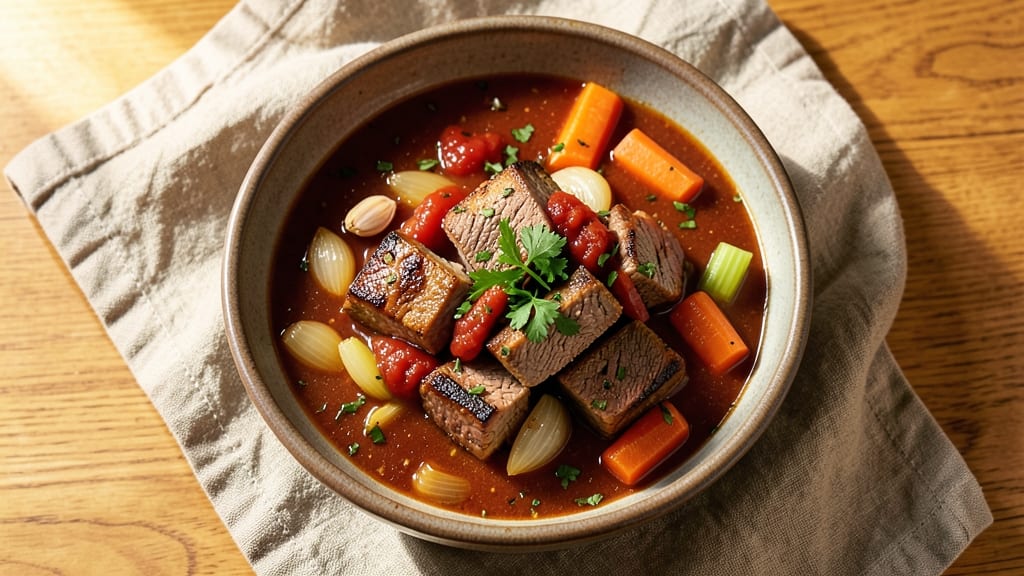
A meat soup recipe that delivers deep umami flavor and satisfying heartiness starts with the right technique—slow-simmered broth, tender meat, and vegetables that melt into perfect harmony. The foundation lies in browning the meat first, which unlocks layers of caramelized depth that store-bought bouillon simply can't match.
This isn't just soup; it's a restorative, restaurant-quality dish built to nourish both body and soul after a long day.
Professional cooks know the secret to exceptional meat soup isn't shortcuts—it's patience. We'll use a pressure cooker method for efficiency without sacrificing flavor, but the principles remain timeless: richly browned meat, aromatic vegetables, and a long simmer to develop complexity.
Whether you choose beef, chicken, or pork, the technique adapts while maintaining that unmistakable umami richness that makes soup feel like a hug in a bowl.
The result is a soup where every spoonful delivers tender meat that falls apart, vegetables that soften just enough to release their sweetness, and a broth so flavorful it coats your tongue long after swallowing.
The aroma alone will transform your kitchen into a cozy haven, and the texture—silky broth, fork-tender meat, and al dente vegetables—balances perfectly between rustic comfort and refined technique.
This recipe serves as both a weeknight staple and a showstopper for gatherings, with variations for dietary needs (low-sodium, gluten-free) and different protein preferences. Let's build a soup that stands up to any tradition while feeling entirely modern—deep in flavor, simple in execution.
Ingredients for meat soup
Rich umami starts with quality meat and aromatic vegetables—nothing fancy, just transformative.
| Ingredient | Amount | Notes |
|---|---|---|
| Beef Chuck Roast 🥩 | 2 lb | Cut into 1-inch cubes |
| Yellow Onion 🧅 | 1 whole | Medium size, chopped |
| Carrots 🥕 | 4 medium | Peeled, cut into chunks |
| Celery Stalks 🥬 | 3 whole | Cut into 1-inch pieces |
| Garlic Cloves 🧄 | 6 cloves | Minced for depth |
| Tomato Paste 🍅 | ½ cup | Squeeze tube preferred |
| Dry Red Wine 🍷 | 1 cup | Bold Cabernet Sauvignon |
| Beef Broth 💧 | 6 cups | Homemade or low-sodium |
| Bay Leaves 🌿 | 2 whole | Fresh preferred |
| Thyme Sprigs 🌿 | 4 whole | Fresh or 1 tsp dried |
| Salt 🧂 | 1 ½ tsp | Diamond Crystal kosher |
| Black Peppercorns 🌶️ | 1 tsp | Freshly cracked |
| Olive Oil 🫒 | 2 tbsp | Extra-virgin for browning |
| Fresh Parsley 🌿 | ¼ cup | Chopped for garnish |
The beef chuck roast is non-negotiable for texture—look for well-marbled cuts at specialty butchers or Costco's bulk section. Fresh thyme and bay leaves from Whole Foods' herb station elevate the aroma, but dried works in a pinch (use half the amount). Carrots should be firm with vibrant orange color—organic from Trader Joe's works perfectly. For the tomato paste, Bertolli or Rao's from the international aisle delivers consistent quality without additives.
No red wine? Substitute beef broth with 1 tbsp balsamic vinegar for depth. Fresh herbs unavailable? Dried thyme at one-third the amount maintains flavor. The carrots can be swapped for turnips or sweet potatoes for variation. For a gluten-free option, use tapioca flour instead of cornstarch for thickening. The olive oil matters—California Extra Virgin from Gourmet Garage adds fruity notes that store brands miss.
Store the broth base in the fridge for 5 days or freeze for 3 months—it only gets better with time. The meat reheats beautifully—simmer with 1/4 cup fresh broth to prevent drying. Portion into glass containers for easy reheating. Garnish with fresh parsley just before serving to preserve vibrant color.
Why You'll Love This Recipe
- Slow-Simmer Magic: I swear by the deep, caramelized flavor that happens when you let that beef chuck roast cook low and slow—it practically melts in your mouth while the onions and garlic build layers of warmth. No fancy techniques, just time doing the work for you.
- One-Pot Wonder: Between us, this soup is that recipe—dump everything in one pot, walk away, and come back to something hearty and rich. The carrots and celery soften just enough to soak up all that beefy goodness without falling apart.
- Budget-Friendly Feast: A single chuck roast stretches into days of meals, and the veggies? Cheap as chips. I’ve fed my whole family (plus a neighbor) with one batch—no sad leftovers, just happy seconds.
- Weeknight Workhorse: Honestly, this is my go-to when I’m too tired to think. Toss in the ingredients, let it bubble, and by dinner, you’ve got a soup that tastes like you slaved over it. (Spoiler: You didn’t.)
Step-by-step instructions for hearty beef soup with umami depth
This method transforms tough chuck roast into melt-in-your-mouth beef while developing layers of savory complexity.
Sear the Beef Chuck Roast for Deep Flavor
Heat a large Dutch oven over medium-high heat until hot. Add the 2 tablespoons olive oil and swirl to coat the bottom evenly. Working in batches if needed, add the 2 lb beef chuck roast cut into 1-inch cubes, spreading them in a single layer. Let them sear undisturbed for 4-5 minutes until deeply browned on one side—this Maillard reaction creates the foundation for rich umami flavor.
Real talk: Don't crowd the pan or the temperature will drop and you'll steam instead of sear. Once the first side is golden brown, carefully flip each piece and sear the opposite side for another 4-5 minutes. Remove the beef with a slotted spoon and set aside temporarily on a plate. You'll notice the browned bits (fond) left in the pot—this is pure flavor you don't want to miss.
Build the Aromatic Vegetable Base
In the same Dutch oven, add the 1 whole yellow onion, 4 medium carrots, and 3 whole celery stalks—all cut to 1-inch pieces as specified. Cook over medium heat for 8-10 minutes, stirring occasionally, until the vegetables soften slightly and begin to caramelize at the edges. This process develops their natural sweetness and deepens the soup's complexity.
Add the 6 cloves garlic cloves (minced) and the 0.5 cup tomato paste, stirring to combine. Cook for another 2 minutes until the raw garlic aroma disappears and the tomato paste darkens slightly. Here's where it gets good: Pour in the 1 cup dry red wine, scraping up all those browned bits from the bottom with a wooden spoon. Let it simmer for 3 minutes until the alcohol aroma dissipates completely—this ensures a smooth, balanced flavor profile.
Simmer the Soup to Perfection
Return the seared beef cubes to the pot. Add the 6 cups beef broth, 2 whole bay leaves, 4 whole thyme sprigs, 1.5 teaspoons salt, and 1 teaspoon black peppercorns. Bring to a gentle boil, then immediately reduce heat to maintain a barely simmering state—this prevents the broth from becoming cloudy or the beef from toughening. Cover partially and simmer for 1 hour 15 minutes until the beef is fork-tender and easily pulls apart with minimal resistance.
Here's the thing—don't be tempted to speed this up. The long, slow cook time breaks down the connective tissue in the beef, transforming it into tender, shattering meat. Your oven might run hot, so start checking at the 1-hour mark with a fork test. The vegetables should be completely tender but still hold their shape, not mushy.
Finish and Garnish Professionally
Remove the 2 whole bay leaves and 4 whole thyme sprigs from the soup. Taste and adjust seasoning—you might need an additional ½ teaspoon salt or ¼ teaspoon black peppercorns depending on your broth's saltiness. The soup should be rich but not overwhelmingly salty, with bright acidity from the wine and tomato paste cutting through the beef's richness.
Ladle the hot soup into serving bowls and garnish immediately with the 0.25 cup chopped fresh parsley. The parsley adds freshness and visual contrast to the deep red broth. Serve with crusty bread to soak up every last drop of that umami-packed liquid gold. The soup will continue to improve as it sits for 15-20 minutes, allowing flavors to meld even further.
Pro Tips For Making Meat Soup
- Sear the Chuck First: That beef chuck won’t melt in your mouth if it’s just simmered raw—get it browned first. Hit the roast in a hot pot with 1 tablespoon of oil until it develops a deep crust (about 3-4 minutes per side). The Maillard reaction kicks in here, and that’s where the real flavor lives.
- Cut Veggies Evenly: I used to eyeball my onion, carrot, and celery chunks, and some would turn to mush while others stayed stubborn. Aim for ½-inch pieces—big enough to hold shape but small enough to cook through. A sharp knife and steady hand make this faster than you’d think.
- Don’t Crowd the Pot: Tossing everything in at once just steams the meat instead of building layers of flavor. Brown the chuck first, then remove it while you sweat the onions, garlic, and celery in the same pot. That way, the veggies get caramelized without turning to mush.
- Deglaze with Wine: After browning the meat, don’t just add broth—grab a splash of red wine (or even beef stock) and scrape up those browned bits stuck to the bottom. Those bits hold more flavor than you realize, and skipping this step means missing out on depth.
Wine and beer pairings for this recipe
Red Wine Harmony
A bold Cabernet Sauvignon or Syrah complements this soup's deep umami perfectly—their dark fruit notes mirror the beef's richness while the tannins cut through the fat. I recommend chilling a bottle to 55-60°F before serving to balance the soup's warmth.
The wine's acidity also enhances the tomato paste's brightness, creating a harmonious mouthfeel. 🍷
Beer Pairing Options
For beer lovers, a dark lager like Samuel Adams Black Lager or a Belgian-style dubbel provides malty sweetness that pairs beautifully with the caramelized beef. The beer's roasted notes echo the soup's slow-cooked depth, while its carbonation refreshes the palate between spoonfuls.
Avoid overly hoppy IPAs—they'll clash with the soup's richness.
White Wine Alternative
If you prefer white wine, a dry Riesling or Gewürztraminer offers surprising compatibility—their citrus and stone fruit notes contrast the beef's savory profile. The slight sweetness in Gewürztraminer also balances the soup's saltiness. Serve both wines slightly chilled (50-55°F) to maintain their crispness against the warm broth.
Non-Alcoholic Pairings
For non-alcoholic options, a sparkling apple cider or ginger beer adds refreshing acidity that cuts through the soup's richness. I love Martinelli's Sparkling Cider—its crisp apple notes complement the caramelized onions.
For a savory option, try a cucumber-mint infused water with a squeeze of lemon to cleanse the palate between bites. 💧
After-Dinner Digestif
Finish the meal with a small glass of port wine or dark rum—both complement the soup's umami depth while aiding digestion. A ½ oz glass of 10-year Tawny Port provides nutty sweetness that lingers beautifully.
For coffee lovers, a robust espresso with a splash of Amaretto enhances the meal's satisfying finish.
Seasonal Adaptations
In summer, pair with a crisp Sauvignon Blanc to refresh against the soup's richness. For winter, opt for a Malbec—its velvety tannins stand up to the beef's heartiness.
Always let the wine breathe for 10-15 minutes before serving to release its full aromatic potential. The right pairing transforms a simple meal into an unforgettable experience. ✨
Nutrition facts
Frequently asked questions
Can I use chicken or pork instead of beef for this soup?
For chicken, use 2 boneless, skinless thighs and 2 breasts (about 1.5 lbs total) and reduce simmering time to 25-30 minutes until fully cooked. For pork, 2 lbs pork shoulder works beautifully—simmer for 1 hour 30 minutes until fork-tender. Adjust seasoning slightly: pork benefits from an extra ½ teaspoon smoked paprika for depth.
How can I make this soup ahead of time?
This soup tastes even better the next day! Prepare it completely (including simmering), then cool to room temperature. Store in an airtight container in the fridge for 4-5 days or freeze for 3 months. Reheat gently on the stove over medium-low heat, stirring occasionally, until warmed through. Add a splash of broth if needed to restore consistency.
What if my beef isn't tender after simmering?
Don't panic—this happens when the heat is too high or time is insufficient. For tough beef, try one of these fixes: Add ½ cup hot water and simmer uncovered for 15 more minutes to break down fibers, or mash some potatoes into the soup (they'll absorb moisture and tenderize the meat). The slow cooker method (on low for 6-8 hours) also works perfectly for stubborn cuts.
Can I make this soup in a slow cooker?
Yes! Brown the meat and vegetables in a skillet first, then transfer everything to the slow cooker. Add all remaining ingredients and cook on low for 6-8 hours or high for 3-4 hours. The slow cooker's gentle heat ensures tender meat without monitoring. For extra richness, stir in 1 tablespoon Worcestershire sauce during the last 30 minutes of cooking.
How do I thicken the broth without ruining the texture?
For a silky texture, stir in 1 tablespoon cornstarch mixed with 2 tablespoons cold water per bowl of soup. Simmer for 2-3 minutes until thickened. For a rustic approach, add ½ cup cooked barley or ditalini pasta during the last 15 minutes of simmering. Avoid over-thickening—aim for a spoonful that coats the back of a spoon but still flows easily.