
Soups & Stews
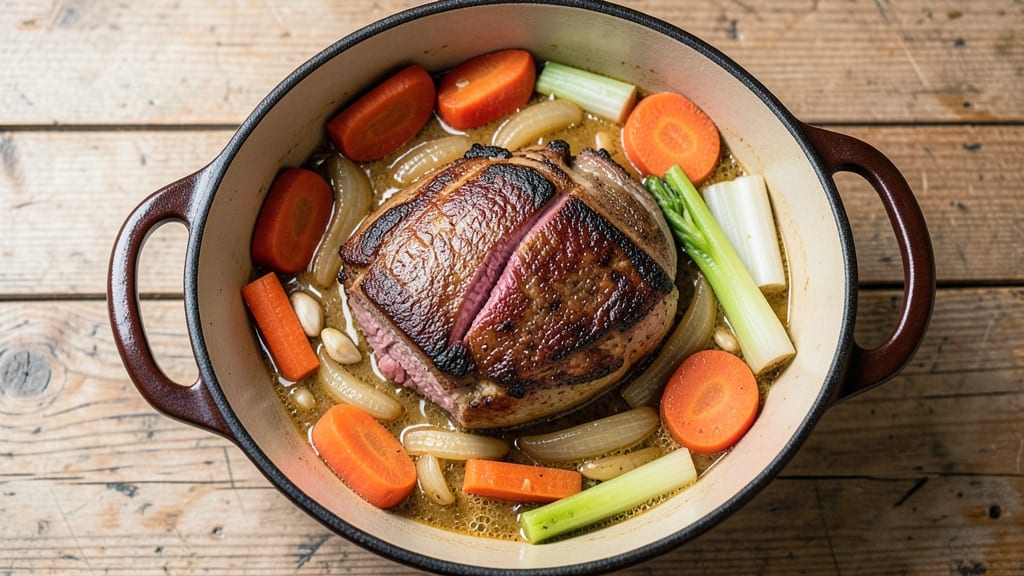
This beef pot roast recipe with onion soup mix transforms tough cuts into melt-in-your-mouth perfection through slow-cooked magic. The secret lies in searing the beef first—creating a flavorful crust that locks in juices during hours of simmering.
Onion soup mix adds a deep, savory backbone that elevates every bite, turning simple ingredients into a restaurant-worthy centerpiece.
The process is straightforward but requires patience: brown the beef, build layers of flavor with vegetables and herbs, then let the slow cooker work its magic. A rich broth or red wine base enhances the onion soup mix’s umami notes, while a long cook time ensures tender, fork-friendly meat.
This isn’t just dinner—it’s a flavor experience that turns weeknights into special occasions.
By the time you serve it, you’ll have a pot roast so tender it nearly falls apart, bathed in a sauce thickened with onion soup mix’s signature depth. The aroma alone will have everyone gathering at the table, and the first bite delivers on that promise of slow-cooked richness.
Pair it with mashed potatoes or crusty bread to soak up every last drop of that savory sauce.
What makes this recipe truly special is how it balances simplicity with sophistication. The onion soup mix isn’t just a shortcut—it’s the flavor anchor that ties everything together, creating a dish that’s both comforting and impressive. Ready to master this classic? Let’s get started with the step-by-step instructions.
Ingredients for beef pot roast recipe with onion soup mix
Sixteen ingredients transform tough beef into restaurant-quality pot roast with savory onion soup depth.
| Ingredient | Amount | Notes |
|---|---|---|
| Chuck Roast 🥩 | 3 lb | Well-marbled for tenderness |
| Yellow Onion 🧅 | 1 whole | Thickly sliced for caramelization |
| Carrots 🥕 | 4 whole | Cut into 2-inch chunks |
| Celery Stalks 🥬 | 4 whole | Cut into 2-inch pieces |
| Garlic Cloves 🧄 | 6 cloves | Smashed for intense flavor |
| Onion Soup Mix 🧂 | 2 tbsp | High-quality blend preferred |
| Beef Broth 💧 | 2 cups | Low-sodium preferred |
| Red Wine 🍷 | 1 cup | Bold dry variety recommended |
| Tomato Paste 🍅 | 2 tbsp | Smooth texture preferred |
| Fresh Thyme 🌿 | 2 sprigs | Or 1 tsp dried thyme |
| Fresh Rosemary 🌿 | 1 sprig | Woody stems removed |
| Olive Oil 🫒 | 2 tbsp | Extra-virgin for searing |
| All-Purpose Flour 🌾 | 2 tbsp | For dusting beef |
| Kosher Salt 🧂 | 1 ½ tsp | Diamond Crystal preferred |
| Freshly Ground Black Pepper 🌶️ | 1 tsp | Coarsely ground |
The chuck roast is non-negotiable—its marbling ensures melt-in-your-mouth texture. Look for cuts weighing 3 pounds or more from the butcher section or Costco bulk packs, where you'll find the best price per pound. Whole Foods and local butchers often carry premium cuts with superior marbling, though standard grocery store chuck works perfectly for this recipe. Avoid pre-cut roasts from the deli counter; they often lack the connective tissue needed for slow-cooked tenderness. If your roast has a thick fat cap, leave it on—it renders during cooking, basting the meat in flavor.
Onion soup mix is the flavor anchor, but quality varies dramatically. Lawry's Classic Onion Soup Mix or Betty Crocker are reliable choices, though homemade blends (with extra garlic powder and onion powder) elevate the dish further. No red wine? Beef broth with 1 tbsp balsamic vinegar mimics the acidity and depth. Fresh herbs matter here—Trader Joe's sells pre-bundled thyme and rosemary sprigs at reasonable prices, but even a single sprig from your garden works. The tomato paste can be substituted with 1/4 cup crushed tomatoes in a pinch, though it won't achieve the same silky texture. For the vegetables, baby carrots or pre-cut celery save time without sacrificing flavor.
Store the raw beef in its original packaging for up to 5 days in the fridge, or freeze for 6 months for future use. Once cooked, the pot roast reheats beautifully—simmer in its juices for 10 minutes on the stovetop for the best results. Portion the sauce into freezer-safe containers for up to 3 months; it thickens slightly upon reheating, so add a splash of broth if needed. The vegetables can be prepped ahead and stored in a sealed container for 3 days, though fresh caramelization is ideal. This dish tastes even better the next day as flavors meld, making it perfect for meal prep.
Why You'll Love This Recipe
- One-Pot Magic: I swear by this recipe when I’m too tired to wash pots—just dump everything (onion, carrots, celery, garlic) into a Dutch oven with the roast, sprinkle that onion soup mix, and let it do its thing. The veggies soften into the beef, so no chopping precision needed. My lazy Sundays thank me.
- Umami Bomb: That onion soup mix isn’t just a shortcut—it’s the secret weapon. The beef comes out tender with a deep, savory crust, while the carrots and celery soak up all the garlic-infused richness. Honestly, the first bite makes me forget I’m eating leftovers the next day.
- Crowd-Pleaser Always: Game nights? Family dinners? This roast shows up everywhere. The hearty flavor and melt-in-your-mouth texture make it a hit with picky eaters (yes, even my teen who “hates vegetables”) and adults who’ll ask for seconds. I’ve served it at holidays, potlucks, and random Tuesday nights—it never disappoints.
- Budget Win: A chuck roast stretches for days, and the veggies are cheap staples. I make this twice a month and freeze half, so I’m never scrambling for dinner. Between us, it’s the most economical way to feed a house without sacrificing taste—or my sanity.
Step-by-step instructions for beef pot roast with onion soup mix
Here's the method for tender, flavorful pot roast with deep savory notes.
Sear the Chuck Roast for Maximum Flavor
Pat the 3 lb chuck roast completely dry with paper towels—this ensures a proper sear. Heat 2 tablespoons olive oil in a heavy Dutch oven over medium-high heat until shimmering. Season the roast generously with 1.5 teaspoons kosher salt and 1 teaspoon freshly ground black pepper, pressing the seasoning into all sides.
Place the roast in the Dutch oven and sear for 4-5 minutes per side until deeply browned. The key is patience here—don't move it around. You're building flavor through the Maillard reaction, so let it develop that rich crust. Once browned, remove the roast and set it aside on a plate.
Build the Aromatic Vegetable Base
In the same Dutch oven, reduce heat to medium and add 2 tablespoons all-purpose flour, stirring constantly for 1 minute to cook out the raw flour taste. Add 1 whole yellow onion (thickly sliced), 4 whole carrots (cut into 2-inch chunks), and 4 whole celery stalks (cut into 2-inch pieces). Cook for 5 minutes, stirring occasionally, until the vegetables begin to soften.
Add the 6 cloves garlic cloves (smashed) and cook for 30 seconds until fragrant. Here's where the onion soup mix works its magic—sprinkle in the 2 tablespoons onion soup mix and stir for 1 minute to toast the spices. This step develops the deep, savory foundation for your roast.
Deglaze and Simmer the Pot Roast
Pour in the 1 cup red wine and scrape up all the browned bits from the bottom of the Dutch oven with a wooden spoon. This deglazing captures all the flavor you've built so far. Add the 2 tablespoons tomato paste, 2 cups beef broth, 2 sprigs fresh thyme, and 1 sprig fresh rosemary, bringing the mixture to a gentle simmer.
Return the roast to the Dutch oven, spooning the liquid over the top. The roast should be mostly submerged. Cover and transfer to a 325°F oven. This low temperature is crucial—it breaks down the tough connective tissue in the chuck roast, transforming it into tender, fork-tender meat.
Braise Until Fork-Tender
Braise the pot roast for 3 to 3.5 hours until the meat is fork-tender. You'll know it's done when a fork slides in and out with no resistance. The vegetables should also be tender but still hold their shape. If the liquid reduces too much before the roast is tender, add ½ cup water or broth to maintain moisture.
I like to check the roast about 2 hours in—this gives you time to adjust if needed. The goal is tender meat with rich, flavorful sauce. The onion soup mix enhances the depth of flavor, while the red wine and tomato paste add complexity that elevates this classic dish beyond basic pot roast.
Rest and Serve with Pan Sauce
Remove the roast from the oven and transfer it to a cutting board. Tent loosely with foil and let it rest for 15 minutes. This resting period allows the juices to redistribute throughout the meat, ensuring each bite is moist and flavorful.
While the roast rests, skim any excess fat from the surface of the sauce. You can thicken the sauce further by simmering it uncovered for 5 minutes to reduce slightly. Serve the pot roast sliced against the grain with the vegetables and sauce spooned over the top. The result is a rich, comforting dish with layers of savory depth from the onion soup mix and red wine.
Pro Tips For Making Beef Pot Roast Recipe With Onion Soup Mix
- SEAR THE ROAST FIRST: I learned this the hard way—skipping the sear means flavorless broth. Get that chuck roast screaming hot in a heavy pot with oil, 3-4 minutes per side until deep brown. That crust isn’t just for looks; it’s where all the meaty goodness dissolves into the soup mix later.
- CHOP VEGETABLES UNIFORM: No one wants mushy celery stalks or undercooked carrots. Cut everything—onions, carrots, celery—into 1-inch chunks so they cook at the same rate. (Yes, even if it takes 5 extra minutes.) The onion soup mix works best when all ingredients break down together.
- DON’T SKIP THE BROWNING: That packet of onion soup mix tastes like sad dust if you don’t toast it first. Sauté it in the pot for 2-3 minutes after removing the roast—just until it smells like caramelized heaven. (I know, I know, but trust the process.)
- USE A DUTCH OVEN: If your pot has a tight lid, cover it loosely with foil first, then the lid. This traps steam but lets excess moisture escape, so your roast stays tender without swimming in broth. (Your future self will thank you for not having to strain half the pot.)
Common mistakes when making this recipe
Overcooking the Roast
The biggest mistake is letting the pot roast cook too long, resulting in dry, stringy meat. I’ve seen this happen when people ignore the 3-3.5 hour window and leave it in the oven until the sauce reduces to a glaze.
The chuck roast should be fork-tender with minimal resistance, not falling apart completely. If you’re unsure, check it at 2.5 hours—this gives you time to adjust if needed. 🔥
Skipping the Sear
Some cooks rush the searing step, thinking it’s optional. But that deep brown crust from the 4-5 minute sear is what locks in flavor and moisture. Without it, your roast will taste bland and lack that restaurant-quality depth.
Take your time here—don’t move the roast around while searing, or you’ll lose that precious crust. A Lodge cast iron Dutch oven is perfect for this step.
Using Low-Quality Onion Soup Mix
Not all onion soup mixes are created equal. Cheap brands with weak seasoning won’t deliver that rich, savory backbone the dish needs. I recommend Lawry’s Classic or Betty Crocker for reliable results.
For extra depth, toast the mix in the Dutch oven for 1 minute before adding liquids—this blooms the spices and intensifies the flavor. If you’re feeling adventurous, make your own blend with 2 tbsp onion powder + 1 tsp garlic powder + ½ tsp celery salt.
Ignoring the Resting Period
Cutting into the roast immediately after baking causes all the juices to spill out, leaving you with dry meat. Always let it rest for 15 minutes under foil before slicing. This step is non-negotiable—it’s what turns a good pot roast into a great one.
Use this time to skim excess fat from the sauce and reduce it slightly for a thicker consistency. Patience here pays off in every bite. ✨
Underestimating Liquid Levels
If your pot roast isn’t mostly submerged in liquid, the vegetables will burn before the meat becomes tender. The 2 cups beef broth + 1 cup red wine should cover about two-thirds of the roast.
If the liquid reduces too quickly, add ½ cup water or broth to maintain moisture. A tight-fitting lid helps trap steam, ensuring even cooking. Don’t skip this—it’s what transforms tough beef into melt-in-your-mouth perfection.
Overcrowding the Dutch Oven
Packing too many vegetables into the pot roast can steam them instead of caramelizing them, leading to a watery sauce. Stick to the 1 onion, 4 carrots, and 4 celery stalks as written—they should fit comfortably around the roast without overfilling the pot.
If your Dutch oven is small, cook the vegetables separately and add them back later. Proper spacing ensures even cooking and maximum flavor development. 💫
Nutrition facts
Frequently asked questions
Can I use a slow cooker instead of the oven for this recipe?
Transfer the seared roast and all ingredients to a 6-quart slow cooker, cover, and cook on low for 8 hours or high for 5-6 hours. The slow cooker maintains moisture better than some ovens, so you may need slightly less liquid. Just check for doneness with a fork—it should be fork-tender. The onion soup mix will still develop its savory depth beautifully in the slow cooker.
What cut of beef works best for pot roast?
The chuck roast is ideal because its marbling and connective tissue break down beautifully during slow cooking. Bottom round or short ribs can work in a pinch, but they won't be as tender. Avoid lean cuts like sirloin—they dry out. Look for a well-marbled roast weighing 3-4 pounds for the best results.
How do I make this dish ahead of time?
This pot roast actually tastes better the next day! Cook it fully, then refrigerate the entire Dutch oven (covered) for up to 3 days. Reheat gently on the stovetop over medium-low heat for 10-15 minutes, adding a splash of broth if needed. The flavors meld beautifully overnight, making it perfect for meal prep. The onion soup mix's savory notes intensify with time.
Can I substitute red wine with something else?
Yes! Use 1 cup beef broth + 1 tablespoon balsamic vinegar for similar acidity and depth. For a non-alcoholic option, try 1 cup apple cider + 1 tablespoon Worcestershire sauce. The key is balancing acidity and umami—just ensure the liquid still covers about two-thirds of the roast. The onion soup mix will still shine as the flavor anchor.
Why does my pot roast sauce turn out watery?
Watery sauce usually means too much liquid or not enough cooking time. First, ensure your roast is mostly submerged in 2 cups broth + 1 cup wine—no more. If the sauce is still thin after 3 hours, uncover the pot and simmer for 10-15 minutes to reduce it. For extra thickness, mix 1 tablespoon cornstarch with 1 tablespoon cold water, stir into the sauce at the end, and simmer until it gels. The onion soup mix helps balance the texture, but proper reduction is key.