
Soups & Stews
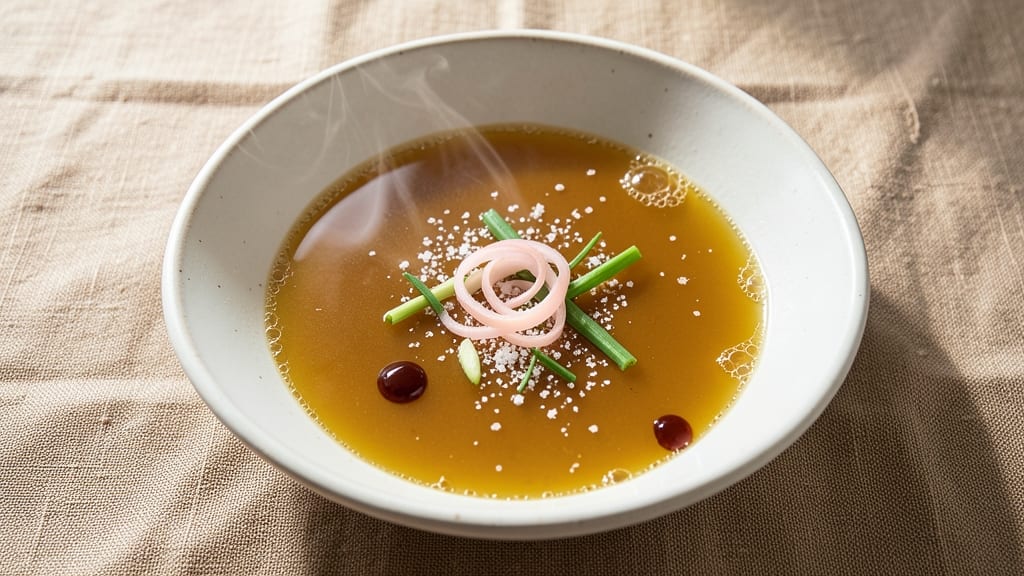
A Kikkoman Hon Tsuyu soup base recipe transforms simple ingredients into a deeply umami-rich Japanese broth that elevates every bowl. This recipe delivers restaurant-quality depth with minimal effort—perfect for home cooks seeking authentic flavor without complexity. The secret lies in balancing Hon Tsuyu's savory-sweet profile with traditional aromatics like ginger and scallions, creating a foundation that works for ramen, udon, or miso soup variations.
What sets this dish apart is its ability to deliver professional results using just five core ingredients. Hon Tsuyu serves as the flavor anchor, while dashi powder provides that essential Japanese umami backbone. The technique is straightforward: simmer, reduce, and layer flavors gradually to develop complexity.
This isn't just another soup recipe—it's a flavor journey that starts with a simple broth and ends with a bowl that tastes like a Tokyo ramen shop.
The finished product features a glossy, aromatic broth with just the right balance of saltiness and sweetness, perfectly complementing chewy noodles or silky tofu. Each spoonful delivers that signature Japanese comfort—rich yet light, savory yet subtly sweet.
The best part? This recipe builds on itself, so you can customize it with toppings like soft-boiled eggs, seaweed, or corn to suit your taste.
Whether you're making classic ramen or experimenting with udon-style bowls, this Hon Tsuyu base becomes the heart of your dish. The instructions are designed to guide you through each step with confidence, ensuring you achieve that authentic Japanese flavor profile at home. Let's create something truly special together.
Ingredients for kikkoman hon tsuyu soup base
Five core ingredients deliver authentic Japanese umami depth in minutes—perfect for ramen, udon, or miso soups.
| Ingredient | Amount | Notes |
|---|---|---|
| Kikkoman Hon Tsuyu 🍜 | ½ cup | Japanese seasoning sauce, store-bought |
| Dashi Powder 🍵 | 1 tbsp | Instant dashi granules preferred |
| Fresh Ginger 🧄 | 1 tbsp | Finely grated, aromatic |
| Green Onions 🧅 | 2 whole | Scallions, thinly sliced |
| Water 💧 | 4 cups | Filtered preferred for clarity |
| Soy Sauce 🥄 | 1 tbsp | Kikkoman preferred for consistency |
| Sesame Oil 🫒 | ½ tsp | Toasted, for aroma |
| White Miso Paste 🍶 | 1 tsp | Aged 1-2 years preferred |
| Diamond Crystal Kosher Salt 🧂 | ½ tsp | Adjust to taste |
The Kikkoman Hon Tsuyu is non-negotiable here—its balanced sweet-savory profile forms the foundation. Japanese specialty stores or well-stocked grocery chains like Whole Foods carry it, though most Asian markets stock it reliably. For dashi powder, Hondashi or Marukome brands deliver the most authentic umami punch. Fresh ginger should be vibrant and firm—no wrinkly roots here. The miso paste matters too: White miso (shiro miso) provides that delicate sweetness without overpowering, though red miso works for bolder variations. Store all ingredients in airtight containers away from light to preserve their delicate aromatics.
No Hon Tsuyu? Combine 1 tbsp soy sauce + 1 tsp mirin as a substitute, though it won't capture the full depth. Dashi powder unavailable? Simmer 1/2 cup kombu + 1/2 cup bonito flakes in 2 cups water for 10 minutes, then strain. The ginger can be swapped for 1/2 tsp ground ginger in a pinch, though fresh is always superior. For scallions, green parts only—the white stems add bitterness. Sesame oil is optional but worth the 30 seconds to toast—heat it gently in a dry pan until fragrant, then cool before adding. The miso can be omitted if you're sensitive to sodium, but the dish loses some complexity without it.
This broth develops flavor over time—simmer uncovered for 20 minutes to let aromatics meld. Store in glass containers in the fridge for up to 5 days, though it's best fresh. For longer storage, freeze in ice cube trays—thaw cubes in warm broth when needed. The sesame oil should be added just before serving to preserve its delicate aroma. Double the batch if you're making multiple servings—it reheats beautifully and tastes even better the next day as flavors continue to develop.
Why You'll Love This Recipe
- Five-Ingredient Magic: Honestly, this is the kind of recipe where you look at your pantry and think, "I already have all this?" Hon Tsuyu, dashi powder, a thumb of ginger, green onions—boil, simmer, done. No chopping mountains of veggies or hunting for obscure spices.
- Umami Bomb: That first sip? Chef’s kiss. The Hon Tsuyu brings this deep, savory punch that makes your whole kitchen smell like a Tokyo izakaya. The ginger adds just enough zing to cut through the richness, and the green onions? Little fresh finishing touches that make it sing.
- Meal Prep MVP: Between us, this is my go-to for lazy Sundays or when I need to feed a crowd. Double the batch, store it in the fridge, and you’ve got instant soup base for ramen, dumplings, or even a quick stir-fry sauce. (Yes, even on a Tuesday night.)
- Budget-Friendly Powerhouse: Dashi powder and ginger won’t break the bank, and a bottle of Hon Tsuyu lasts forever. I’ve turned $5 worth of ingredients into enough flavor to make five different meals—no waste, just pure efficiency. Plus, leftovers? They taste just as good reheated.
Step-by-step instructions for Kikkoman Hon Tsuyu soup base
This Japanese-inspired soup base delivers authentic umami depth with minimal effort.
Prepare the Base Ingredients
In a medium saucepan, combine the 4 cups water with the 1 tbsp dashi powder. Bring to a gentle simmer over medium heat while stirring occasionally to ensure the granules dissolve completely. You'll notice the water develop a subtle, clean aroma—this is the foundation of your umami profile.
While the water heats, finely grate the 1 tbsp fresh ginger using a microplane or grater. Add the grated ginger to the simmering water along with the 1 tbsp soy sauce and 0.5 tsp diamond crystal kosher salt. Stir gently to incorporate, allowing the ginger to infuse its aromatic qualities into the liquid. Let this mixture simmer uncovered for 5 minutes to meld the flavors fully.
Build Umami Layers
Reduce the heat to low and add the 0.5 cup Kikkoman Hon Tsuyu to the simmering base. This Japanese seasoning sauce contains concentrated umami that will transform your broth. Stir continuously for 2 minutes to ensure even distribution throughout the liquid. You'll notice the color deepen slightly—a visual cue that the flavors are integrating.
Next, incorporate the 1 tsp white miso paste by stirring vigorously. Miso contains live cultures that enhance the soup's depth, but be cautious—overheating can kill these beneficial bacteria. Keep the temperature at a gentle simmer, never allowing it to boil vigorously. Continue simmering for another 3 minutes to allow the miso to dissolve completely and release its rich, savory essence.
Finish with Aromatics
Remove the saucepan from heat and let it cool slightly for 2 minutes. This brief resting period prevents the sesame oil from breaking when added. Stir in the 0.5 tsp toasted sesame oil—this final touch adds a delicate nutty aroma that complements the umami profile. The oil should disperse evenly, creating a subtle sheen on the surface.
Finally, add the 2 whole green onions, thinly sliced. The green onions provide a fresh, crisp contrast to the rich umami base. Stir gently to distribute them evenly throughout the liquid. Taste and adjust the seasoning if needed—you may want to add a touch more soy sauce or salt to achieve your preferred balance between umami and saltiness.
Prepare for Use
Strain the soup base through a fine-mesh sieve to remove any sediment, particularly if you used instant dashi powder. This step ensures a smooth, clean texture in your final dish. Transfer the strained liquid to a clean saucepan and maintain it at a gentle simmer over low heat until ready to use.
The soup base will keep its full flavor for up to 5 days when refrigerated in an airtight container. For best results, use it within 3 days to preserve the freshness of the ginger and green onions. This versatile base can be used as-is for simple broths or as a flavor enhancer in soups, stews, and sauces.
Pro Tips For Making Kikkoman Hon Tsuyu Soup Base
- STIR CONSTANTLY AT FIRST: The first 30 seconds after adding Hon Tsuyu and dashi powder are when things can clump or burn. Keep your spoon moving in small circles—this breaks up the powder instantly and prevents that weird grainy texture that ruins the smoothness. I used to walk away for a second, and every time, I’d get that chalky mouthfeel.
- GRATE GINGER FINE: Skip the slicing or rough grating—this soup needs the ginger to dissolve completely. Use the smallest holes on your grater and press hard, or pulse it in a food processor for 2-3 seconds. Lumpy ginger just sits there like a bitter afterthought instead of blending into the broth’s warmth.
- DON’T BOIL THE GREEN ONIONS: Toss them in at the very end and let them sit for 10 seconds—just long enough to warm through and soften slightly. Boil them, and they’ll turn limp and bitter, like overcooked celery. Even if you’re in a rush, resist the urge to simmer them longer than necessary.
- USE COLD WATER: Hon Tsuyu and dashi powder dissolve better in cold or room-temperature water, not boiling. Add the powder to cold water first, stir until fully combined, then bring to a simmer. I learned this after making a lumpy batch that took 10 minutes of stirring to fix—now I just pour and go.
Wine and beer pairings for kikkoman hon tsuyu soup base
Japanese Sake Pairings
The delicate balance of umami and sweetness in this Hon Tsuyu broth makes it a perfect match for crisp, dry Japanese sakes. I reach for a Junmai Daiginjo like Dassai 23—its clean, floral notes with subtle citrus brightness cut through the richness beautifully.
The high alcohol content (around 15-16% ABV) helps balance the broth's depth without overpowering it. For a lighter option, try Hakkaisan Junmai—its elegant apple and melon aromas complement the ginger and sesame notes. 🍶
Light Lager Complements
A crisp, unfiltered German-style lager like Weihenstephaner Hefeweissbier provides the perfect contrast to the umami intensity. The slight tartness and clove-like notes from the yeast enhance the ginger's warmth, while the effervescence cleanses your palate between bites.
For a more accessible option, Sapporo Premium (Japan's classic lager) mirrors the broth's clean, refreshing profile. Serve both slightly chilled—around 45-50°F—to maintain balance. 🍺
Rice Wine Integration
For a non-alcoholic pairing, Japanese rice wine (sake lees or mirin) can be drizzled directly into the soup base just before serving. The mirin's sweetness (about 1 tbsp) enhances the Hon Tsuyu's natural sweetness, while sake lees (koshu) add a subtle umami depth.
This technique is inspired by traditional tsuyu-based miso soups—it's a pro move that elevates the dish instantly. 🍶
Seasonal Beer Adaptations
In warmer months, I switch to a Belgian witbier like Stella Artois Wit—its coriander and orange peel notes complement the ginger and green onions. For autumn, a German Dunkel (like Ayinger Altbairisch Dunkel) with its malty sweetness and dark fruit undertones mirrors the broth's depth.
Always serve beer slightly cooler than room temperature (50-55°F) to preserve its crispness against the warm broth. ✨
Non-Alcoholic Options
For those avoiding alcohol, yuzu soda (a Japanese citrus soda) or sparkling green tea (like Ariake's Hojicha) work beautifully. The yuzu's tartness brightens the dish, while the green tea's earthy notes harmonize with the miso.
I also love cucumber-infused water—slice ½ cucumber and muddle with 1 tsp honey and 1 tsp lemon juice for a refreshing, palate-cleansing sipper. 💧
Nutrition facts
Frequently asked questions
Can I substitute Hon Tsuyu with regular soy sauce?
While you can use 1 tbsp soy sauce + 1 tsp mirin as a substitute, it won't capture Hon Tsuyu's full depth. Hon Tsuyu contains a blend of soy, mirin, and sugar that creates a perfectly balanced sweet-savory profile. The result will be more salty and less complex than the authentic version, but it works in a pinch for basic broths.
How long should I simmer the broth to develop maximum flavor?
Simmer uncovered for 20 minutes after adding all ingredients to let the aromatics meld fully. This slow reduction deepens the umami without making the broth bitter. For even more complexity, reduce it by half afterward—this concentrates the flavors beautifully for ramen or udon bases.
What's the best way to store leftover broth?
Store in airtight glass containers in the fridge for up to 5 days, though it's best used within 3 days for peak freshness. For longer storage, freeze in ice cube trays—thaw cubes in warm broth when needed. The sesame oil should be added fresh before serving to preserve its delicate aroma.
Can I make this broth vegetarian?
Yes! Replace the dashi powder with 1/2 cup kombu + 1/2 cup shiitake mushrooms (simmered for 10 minutes), then strain. The mushrooms provide umami depth similar to traditional dashi. For extra richness, add 1 tbsp nutritional yeast when incorporating the Hon Tsuyu.
Why does my broth look cloudy?
Cloudiness usually means undissolved dashi powder or miso. Strain through a fine-mesh sieve for clarity. If using instant dashi, ensure it's fully dissolved in cold water first. For a smoother finish, simmer the broth longer (30 minutes) to break down any remaining particles.