
Soups & Stews
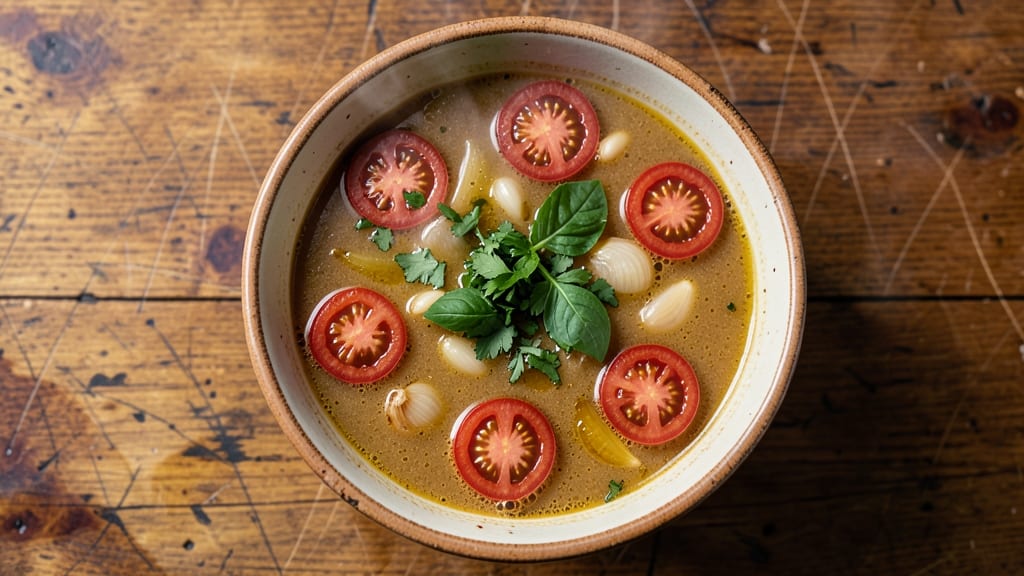
Grandma's tomato soup recipe is the one that always brings back memories of Sunday afternoons in my Nonna's kitchen, where the steam from the pot would fill the air with that unmistakable, comforting aroma. Standing on a stool as a child, I'd watch her stir the pot with a wooden spoon, her hands moving with practiced ease while she shared stories about Italy. The secret to this soup isn't just the tomatoes—it's the way the herbs and broth meld together over time, creating a velvety richness that feels like a hug in a bowl.
What makes this recipe special is how simple yet transformative it is. With just a few key ingredients—ripe tomatoes, onions, garlic, and a blend of fresh herbs—you can create a soup that tastes like it's been simmering for hours.
The beauty of this method is that it doesn't require any fancy techniques; just patience and a little love. I've tested it countless times in my own kitchen, adjusting the seasoning until it's just right, and it always delivers that same nostalgic warmth.
By the time you're done, you'll have a pot of soup that's velvety smooth, deeply aromatic, and packed with flavor—each spoonful carrying the essence of home. The herbs infuse the broth with brightness, while the slow simmering develops a depth that store-bought versions simply can't match.
This is the kind of soup that disappears quickly, leaving everyone at the table asking for seconds.
Serve it with a slice of crusty bread or a sprinkle of grated Parmesan for the full experience. The best part? It tastes even better the next day, making it perfect for meal prep or feeding a crowd. Let's get started on recreating this timeless classic.
Ingredients for grandma's tomato soup
Fresh tomatoes, herbs, and a few pantry staples—this is the heart of Nonna's velvety tomato soup.
| Ingredient | Amount | Notes |
|---|---|---|
| Ripe Roma Tomatoes 🍅 | 3 lbs | Freshly crushed by hand |
| Yellow Onion 🧅 | 1 whole | Diced, medium size |
| Garlic Cloves 🧄 | 4 cloves | Peeled, for deep flavor |
| Fresh Basil Leaves 🌿 | ½ cup | Packed, stems removed |
| Fresh Parsley Leaves 🌿 | ¼ cup | Chopped, for brightness |
| Chicken Broth 💧 | 6 cups | Low-sodium preferred |
| Unsalted Butter 🧈 | 4 tbsp | Full-fat for richness |
| All-Purpose Flour 🌾 | 2 tbsp | For velvety texture |
| Extra-Virgin Olive Oil 🫒 | 2 tbsp | For sautéing onions |
| Salt 🧂 | 1 ½ tsp | Adjust to taste |
| Black Pepper 🌶️ | ½ tsp | Freshly ground preferred |
| Sugar 🍚 | 1 tsp | Balances acidity |
| Parmesan Cheese 🧀 | ¼ cup | Freshly grated, for serving |
| Crusty Bread 🍞 | 6 slices | For serving |
The tomatoes are everything here. Roma tomatoes are perfect—they're meaty and less watery than other varieties, so they crush beautifully. If you can't find them, vine-ripened beefsteak tomatoes work too, but you'll need to drain them first. I always grab mine from the farmers market in late summer when they're at their peak, but grocery store tomatoes (especially the Heinz brand) are solid if you're cooking in the off-season. The key is to use 3 pounds of ripe tomatoes—they should yield about 4 cups of crushed tomatoes. If they're not perfectly ripe, give them a day on the counter to soften up. And trust me, don't skip the fresh basil and parsley—they're what give this soup that authentic Nonna flavor.
No fresh basil? Dried basil at one-third the amount works in a pinch, but it won't have the same brightness. Short on parsley? Fresh cilantro or more basil can fill in, though the flavor will shift slightly. Using low-sodium broth? Add an extra half teaspoon of salt at the end. The butter and flour create that signature velvety texture—don't substitute with margarine or gluten-free flour if you're sensitive to that. For the olive oil, any good-quality brand will do, but avoid the super cheap stuff that has a harsh flavor. And if you're making this ahead, freeze the soup without the bread—it reheats beautifully and tastes even better the next day.
This soup tastes even better the next day as the flavors meld together. Store leftovers in an airtight container in the fridge for up to 5 days, or freeze for 3 months in portion-sized containers. The crusty bread is optional but recommended—a good sourdough or Italian loaf works best. If you're serving a crowd, double the recipe, but keep the same ratios. And if you're feeling fancy, top each bowl with a sprinkle of freshly grated Parmesan and a drizzle of extra-virgin olive oil right before serving. It's those little touches that make it feel like home.
Why You'll Love This Recipe
- I swear by this trick: just toss whole Roma tomatoes into simmering broth with the onion and garlic. They burst open on their own, releasing that jammy sweetness without me ever pulling out a knife. (Yes, even on a Tuesday night when I’m exhausted.)
- No-Chop Shortcut: I swear by this trick: just toss whole Roma tomatoes into simmering broth with the onion and garlic. They burst open on their own, releasing that jammy sweetness without me ever pulling out a knife. (Yes, even on a Tuesday night when I’m exhausted.)
- Herb-Packed Punch: That final sprinkle of fresh basil and parsley? It’s the secret weapon. The basil brightens the richness, while the parsley adds this fresh crunch—like a little green hug in every spoonful. Honestly, I’ll take this over any store-bought version any day.
- Weeknight to Potluck: Same recipe, endless uses. Slurp it straight from the pot with crusty bread for a lazy evening, or ladle it into jars for holiday gifts. My daughter’s teacher even asked for the recipe after I brought it to school—turns out, it’s a crowd-pleaser.
Step-by-step instructions for grandma's tomato soup
Here's how to create that classic, comforting tomato soup with a velvety texture and bright herbal notes.
Sauté the Aromatics Until Soft and Fragrant
Heat the 2 tablespoons extra-virgin olive oil in a large pot over medium heat. Add the 1 whole yellow onion, diced into medium pieces, and cook for 5-6 minutes until softened and translucent. You'll notice the onions begin to caramelize slightly at the edges—that's when you know they're ready for the next step.
Add the 4 cloves peeled garlic cloves and cook for another 30 seconds until fragrant. Here's the thing—don't let the garlic brown or it will turn bitter. Stir constantly so it doesn't stick to the bottom of the pot. The aroma should fill your kitchen, signaling it's time to move forward.
Build the Roux for Creamy Texture
Reduce the heat to medium-low and add the 4 tablespoons unsalted butter. Let it melt completely, then stir in the 2 tablespoons all-purpose flour. Cook for 1-2 minutes, stirring constantly, until the mixture turns a light golden color. This creates a roux that will thicken your soup beautifully.
Real talk: don't rush this step. The roux needs time to cook properly to avoid a raw flour taste. You'll see the mixture change from pale to a rich, nutty hue—that's your signal it's ready for the tomatoes. If it starts to darken too quickly, reduce the heat slightly to prevent burning.
Simmer the Tomatoes Until Breakdown
Add the 3 lbs ripe Roma tomatoes, crushed by hand (don't skip this step—it makes all the difference). Stir well to combine with the roux, then pour in the 6 cups chicken broth. Bring the mixture to a gentle boil, then reduce heat to low and let it simmer uncovered for 20-25 minutes. You want the tomatoes to break down completely and the flavors to meld.
Here's where it gets fun—taste the soup after 15 minutes and adjust the seasoning with the 1.5 teaspoons salt, 0.5 teaspoon black pepper, and 1 teaspoon sugar. The sugar balances the acidity of the tomatoes, while the pepper adds depth. Stir in the 0.5 cup fresh basil leaves and 0.25 cup fresh parsley leaves during the last 5 minutes of cooking to preserve their freshness and bright flavors.
Blend Until Silky Smooth
Use an immersion blender to purée the soup directly in the pot until completely smooth. If you don't have one, carefully transfer the soup to a blender in batches (don't fill it past the maximum line), blend until smooth, and return to the pot. The soup should have a velvety texture with no visible chunks.
Return the soup to low heat and let it simmer for another 5 minutes to allow the flavors to settle. If the soup is too thick, add a splash of hot water or broth to reach your desired consistency. The goal is a rich, spoonable texture that coats the back of a spoon. Here's the moment that matters: taste and adjust the seasoning one last time—you might need a pinch more salt or pepper to perfect it.
Serve Warm with Crusty Bread
Ladle the soup into bowls and top each serving with a sprinkle of 0.25 cup freshly grated Parmesan cheese. The cheese adds a salty, umami finish that elevates the dish. Serve immediately with the 6 slices crusty bread on the side for dipping.
This soup tastes even better the next day as the flavors deepen, but it's best enjoyed fresh while warm. The combination of the rich tomato base, herbal notes, and creamy texture makes it a true comfort food. Don't skip the bread—it's the perfect vehicle for soaking up every last drop of that velvety soup!
Pro Tips For Making Grandma'S Tomato Soup
- Char the Onions Properly: I learned this the hard way—cooking onions too fast leaves them raw-tasting in the soup. Sauté them over medium heat (not high) until they’re deep golden and slightly jammy, with edges starting to crisp. This takes about 8-10 minutes, and yes, it’ll smell like heaven.
- Blister the Garlic: After the onions, add the minced garlic and let it cook until it’s fragrant and just turning golden—not brown. This prevents that bitter, burnt taste that ruins everything. A quick stir every 30 seconds keeps it safe.
- Peel Tomatoes Before Blending: Skip the hassle of peeling after cooking. Halve the Roma tomatoes, scoop out the seeds, and give them a quick blanch in boiling water for 30 seconds. The skins slip right off, and you avoid the chunky texture that happens when you blend unpeeled tomatoes.
- Finish with Fresh Herbs: Chop the basil and parsley finely and add them at the very end—right after the soup comes off the heat. Stir for 30 seconds so they infuse flavor without turning bitter. (Pro move: Reserve a few leaves for garnish.)
Common mistakes when making great grandma's tomato soup
Skipping the Fresh Tomatoes
I can't stress this enough—fresh tomatoes are non-negotiable for that authentic Nonna flavor. Canned tomatoes lack the bright acidity and natural sweetness that fresh ones provide.
If you're using canned tomatoes (say, Muir Glen or Del Monte), you'll need to add 1 extra teaspoon of sugar to compensate for the lower natural sweetness. But honestly, the effort of crushing fresh tomatoes is worth it for that velvety texture and vibrant taste. 🍅
Rushing the Roux
The roux is the secret to that creamy texture, and rushing it is a common mistake. If you cook the butter and flour too quickly over high heat, you'll end up with a raw flour taste that ruins the soup.
Keep the heat at medium-low and stir constantly—this takes about 1-2 minutes. The roux should turn a light golden color, not brown. If it starts to darken too quickly, reduce the heat slightly to prevent burning. Trust me, taking the extra time here makes all the difference. 🧈
Overcooking the Garlic
Garlic is all about timing—cook it for too long, and it turns bitter. Once you add the 4 cloves of peeled garlic to the onions, cook for just 30 seconds until fragrant.
Stir constantly to prevent sticking, and remove it from the pot as soon as you smell that sweet, aromatic punch. Overcooked garlic will dominate the soup with a harsh, almost medicinal flavor. The goal is to enhance, not overpower. 🧄
Ignoring the Sugar
Tomatoes can be acidic, and skipping the 1 teaspoon of sugar is a big mistake. The sugar balances that acidity, rounding out the flavors and making the soup taste more harmonious. If your tomatoes are particularly tart, you might need an extra ½ teaspoon.
Taste as you go—this is where the magic happens. It’s all about finding that perfect balance between sweet and tangy. 🍚
Using Dried Herbs Too Early
Fresh herbs like basil and parsley should be added only in the last 5 minutes of cooking. If you add them too early, they’ll turn bitter and lose their bright, fresh flavor.
The same goes for dried herbs—if you must use them, add them at the very end or sprinkle them on top after serving. Fresh herbs are worth the effort for that authentic Nonna touch. 🌿
Not Tasting as You Go
Seasoning is all about adjustments, and skipping taste tests is a recipe for disaster. Taste the soup after 15 minutes of simmering and again after blending. You might need more salt, pepper, or even a splash of lemon juice to brighten the flavors.
Don’t be afraid to tweak it—this is how you create a soup that’s truly yours. The intro mentioned how Nonna adjusted seasoning with ease, and that’s exactly what you should do. 💡
Nutrition facts
Frequently asked questions
Can I make this soup without fresh tomatoes?
Fresh tomatoes are ideal for that authentic Nonna flavor, but you can use 2 (28 oz) cans crushed tomatoes in a pinch. Add an extra 1 teaspoon sugar to balance the acidity and simmer for 10 extra minutes to develop flavor. For best results, use high-quality brands like Muir Glen and remove skins if they appear tough.
Why does my soup taste bitter?
Bitterness usually comes from overcooked garlic or herbs added too early. Cook garlic for just 30 seconds and add fresh basil/parsley only in the last 5 minutes of simmering. If the soup tastes bitter, stir in ½ teaspoon sugar or a splash of lemon juice to balance it. The roux should be light golden, not browned.
How can I make this soup vegetarian?
Swap the chicken broth for 6 cups vegetable broth and add 1 teaspoon soy sauce or ½ teaspoon miso paste for umami depth. For extra richness, stir in 2 tablespoons nutritional yeast with the herbs. The flavor will be slightly different but still comforting.
Can I freeze this soup?
Let the soup cool completely, then transfer to airtight containers leaving 1-inch headspace. Freeze for up to 3 months. Thaw overnight in the fridge and reheat gently on low heat, stirring occasionally. The texture may slightly thicken upon reheating—add a splash of broth if needed.
What's the best bread to serve with this?
Crusty Italian bread or sourdough works best—their sturdy texture holds up to the rich soup. For extra authenticity, toast slices and rub with garlic and olive oil before serving. Avoid soft breads that will get soggy. If you're short on time, even bagel chips or water crackers work well for dipping.