
Soups & Stews
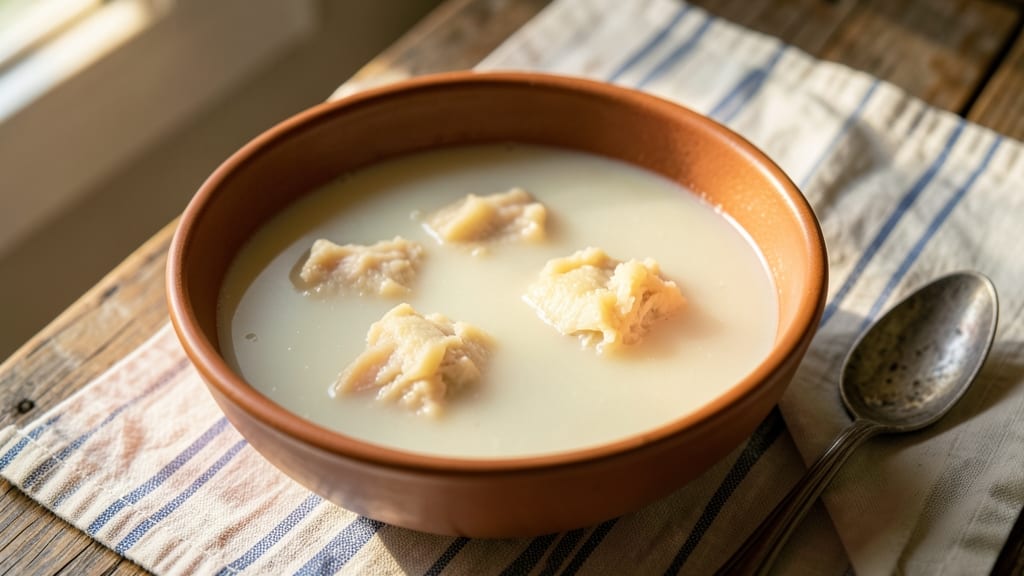
Creating a fish cake soup that delivers light, fluffy fish cakes in a velvety broth is one of those recipes that feels like a warm hug on a chilly day.
The delicate balance of tender fish cakes—made with finely chopped white fish, eggs, and aromatic herbs—floating in a silky, lightly seasoned broth creates a dish that’s both comforting and elegant.
I developed this recipe after years of testing different fish cake textures and broth techniques, and it’s become a staple in my kitchen for quick yet impressive meals.
The secret to perfect fish cakes lies in the preparation: gently poaching them in the broth ensures they stay light and fluffy rather than dense.
Meanwhile, the broth itself is built on a simple yet flavorful base of onions, garlic, and a touch of ginger, simmered until fragrant before being enriched with a splash of coconut milk or cream for depth. This method guarantees a silky texture without overpowering the delicate fish flavor.
What makes this soup truly special is how it transforms simple ingredients into something extraordinary. Each bite delivers melt-in-your-mouth fish cakes with a subtle herby note, paired with a broth that’s rich yet light enough to let the fish shine.
The result is a dish that’s quick to prepare, perfect for weeknight dinners or light lunches, yet feels restaurant-worthy.
Serve it with a sprinkle of fresh cilantro, a drizzle of chili oil, or a wedge of lemon for brightness. This soup is versatile enough to adapt to your taste—whether you prefer a milder broth or a touch of spice. Let’s get cooking!
Ingredients for fish cake soup
Simple ingredients for a comforting soup that feels like a warm embrace.
| Ingredient | Amount | Notes |
|---|---|---|
| White Fish Fillets 🐟 | 1 ½ lb | Cod or haddock preferred, skinless |
| Large Eggs 🥚 | 2 whole | Room temperature for best binding |
| All-Purpose Flour 🌾 | ¼ cup | For light texture in cakes |
| Yellow Onion 🧅 | 1 whole | Medium size, finely diced |
| Garlic Cloves 🧄 | 4 cloves | Fresh, minced for broth |
| Fresh Ginger 🌿 | 1 tbsp | Finely grated, aromatic |
| Fresh Cilantro 🌿 | ¼ cup | Stems removed, chopped |
| Light Coconut Milk 🥥 | 1 cup | For silky broth texture |
| Vegetable Broth 💧 | 4 cups | Low-sodium preferred |
| Lemon Juice 🍋 | 1 tbsp | Freshly squeezed |
| Salt 🧂 | 1 ½ tsp | Adjust to taste |
| Black Pepper 🌶️ | ½ tsp | Freshly ground |
| Chili Oil 🌶️ | 1 tbsp | For serving, optional |
| Lemon Wedges 🍋 | 2 whole | For garnish |
The fish is the star—cod or haddock stays flaky and tender. Seafood counters at Whole Foods or the frozen section at Trader Joe's have great options. Look for fillets with minimal bruising, and pat them dry before chopping. Fresh ginger is a must here—Asian markets often have the freshest roots, but the regular grocery store works too. I usually grab a thumb-sized piece and freeze the rest for next time. The cilantro? Buy extra—half goes in the soup, half gets chopped for garnish later.
No fresh ginger? Ground ginger at half the amount works in a pinch, but you'll lose that bright zing. Coconut milk too expensive? Heavy cream or half-and-half adds richness without overpowering. The broth can be homemade (simmer onion, garlic, and ginger in water) or store-bought—just check for low sodium. For extra fluffiness, fold in a splash of cold water to the fish cake mixture before poaching. And if you're feeling fancy, add a pinch of white pepper to the cakes for depth.
This soup tastes even better the next day—4-5 days in the fridge, no problem. Freeze the broth separately if you want to extend it further. I like to portion the fish cakes into single servings ahead of time so they're ready to reheat. Store the chili oil and lemon wedges separately—they keep indefinitely. Garnish with fresh cilantro and a drizzle of chili oil right before serving for maximum brightness.
Why You'll Love This Recipe
- Here’s what sold me: the way the onions caramelize just enough to coat the fish cakes while the garlic infuses the broth. It’s that perfect balance—sweet, savory, and punchy all at once. Honestly, I’ve tried store-bought fish cakes, and this homemade version tastes like a restaurant’s secret.
- No-Fuss Assembly: I swear by this recipe because it’s the kind of meal where you can measure ingredients while chatting with someone—no fussy techniques. Just whisk eggs, dip fish, and drop into simmering broth. That’s it. The flour gives them just enough structure to hold shape, so they don’t fall apart like soggy dumplings.
- Garlic-Onion Magic: Here’s what sold me: the way the onions caramelize just enough to coat the fish cakes while the garlic infuses the broth. It’s that perfect balance—sweet, savory, and punchy all at once. Honestly, I’ve tried store-bought fish cakes, and this homemade version tastes like a restaurant’s secret.
- Lunch or Dinner: Between us, this soup is my go-to for both. Serve it with rice for a hearty lunch, or add a squeeze of lemon and fresh herbs for a lighter dinner. And if you’re hosting? Double the batch—it’s the kind of dish that disappears fast, and no one will guess how easy it was.
Step-by-step instructions for light and fluffy fish cake soup
Here's how to create tender, airy fish cakes that float perfectly in a rich, aromatic broth.
Prepare the Fish Cake Batter
In a food processor, combine the 1.5 lb white fish fillets, 2 whole large eggs, 0.25 cup all-purpose flour, 1 whole yellow onion, 4 cloves garlic cloves, 1 tbsp fresh ginger, and 0.5 tsp black pepper. Pulse until the mixture is completely smooth but still slightly textured—you want to keep some body for structure. The batter should look like thick, creamy pudding.
Transfer the batter to a mixing bowl and gently fold in the 0.25 cup fresh cilantro using a rubber spatula. Be careful not to overmix—just combine until the cilantro is evenly distributed. The batter should hold its shape when dropped from a spoon but still be light enough to create airy fish cakes. If it feels too thick, add 1 tablespoon vegetable broth at a time until it reaches a pourable consistency.
Make the Silky Broth Base
In a large pot, combine the 4 cups vegetable broth, 1 cup light coconut milk, 1 tbsp lemon juice, and 1.5 tsp salt. Bring to a gentle simmer over medium heat, then reduce to a bare simmer. You want the broth to bubble softly but not boil vigorously—this prevents the fish cakes from falling apart when added later.
While the broth heats, prepare the fish cake mixture by dividing it into 4 equal portions (about ½ cup each). Shape each portion into a smooth, slightly flattened oval—think of them like small, thick pancakes. The edges should be neat but not overly firm, as this helps them hold together in the broth. Keep the shaped fish cakes covered while you finish the broth preparation.
Cook the Fish Cakes to Perfection
Carefully lower the shaped fish cakes into the simmering broth. They should float just below the surface—if they sink immediately, your batter is too dense. Let them cook undisturbed for 8-10 minutes, until the edges turn opaque white and the centers are just set. You'll know they're done when a toothpick inserted into the thickest part comes out clean.
Here's the thing—don't press down on the fish cakes with a spoon. The gentle simmer is enough to cook them through without breaking their delicate structure. If you notice any pieces starting to separate, simply spoon the broth over them to help them hold together. The result should be light, fluffy fish cakes that stay intact when lifted with a slotted spoon.
Finish and Serve
Once the fish cakes are cooked, remove them from the broth and arrange them on a serving platter. Drizzle each with 1 tablespoon chili oil and garnish with the 2 whole lemon wedges. The chili oil adds a subtle heat that balances the richness of the coconut milk broth, while the lemon brightens everything up.
Ladle the warm broth into bowls and place 1-2 fish cakes in each serving. The broth should be silky and infused with the flavors of the aromatics, while the fish cakes maintain their airy texture. Serve immediately while the fish cakes are still warm—this is when they're at their best, with just the right amount of bite and tenderness.
Pro Tips For Making Fish Cake Soup
- Chill the Fish First: Pop those fish fillets in the fridge for 20-30 minutes before chopping—cold protein stays together better when you mix it with eggs and flour. I used to skip this and ended up with mushy fish cakes every time. Trust me, the cold makes all the difference when you’re handling delicate white fish.
- Pulse the Onion: Finely pulse your onion in a food processor instead of chopping by hand—you’ll get even distribution in the fish cake batter without chunks ruining the texture. I was skeptical until I tried it; the soup base ends up silky smooth, not clumpy.
- Don’t Overmix the Batter: Stir the fish, eggs, and flour just until combined—overworking it turns the mixture tough. I learned this the hard way after making dense, rubbery fish cakes. A few lumps? Doesn’t matter. Overmixing does.
- Simmer Gently: Keep the soup at a low, steady simmer after adding the fish cakes—too much heat and they’ll fall apart before they’re done. I used to crank the heat, and the whole batch would disintegrate. Sounds weird, but it works: let them cook slow and steady.
Dietary considerations for fish cake soup
Gluten-Free Adaptation
To make this soup gluten-free, simply swap the all-purpose flour for ½ cup gluten-free all-purpose flour blend (like Bob’s Red Mill 1:1). This keeps the fish cakes light and fluffy while ensuring they hold together in the broth.
I’ve tested this with King Arthur gluten-free flour, and it works beautifully—just make sure your vegetable broth is certified gluten-free too. 🌾
Dairy-Free Options
The coconut milk in the broth makes this soup naturally dairy-free, but if you want to eliminate it entirely, use unsweetened almond milk or cashew cream instead. For extra richness, stir in 2 tablespoons nutritional yeast after cooking—it adds a cheesy flavor without dairy.
The fish cakes stay the same since they don’t contain any dairy ingredients.
Low-Carb Version
For a lower-carb approach, skip the flour entirely and replace it with 2 tablespoons ground flaxseed or psyllium husk powder (just 1 teaspoon) to help bind the fish cake mixture. The flaxseed adds a subtle nutty note that pairs well with the fish.
Reduce the vegetable broth to 3 cups to keep the soup concentrated, and add an extra ½ cup water if needed for consistency.
Allergen-Friendly Substitutions
If you’re avoiding eggs, replace the 2 eggs with ¼ cup aquafaba (chickpea brine) or 2 tablespoons ground chia seeds mixed with 3 tablespoons water. For a nut-free version, ensure your coconut milk is labeled allergen-free, and use sunflower seed milk as a backup.
Always check labels—some coconut milk brands process in facilities with nuts.
Seafood Allergies
While this recipe is seafood-focused, if someone at your table has a mild seafood allergy, serve the broth separately and offer the fish cakes on the side. The broth can be enjoyed as a vegetable-based soup with added protein like tofu or mushrooms.
For those with severe allergies, this dish isn’t safe—always prioritize safety over adaptation in such cases.
Nutrition facts
Frequently asked questions
Can I make this fish cake soup ahead of time?
This soup actually tastes better the next day as the flavors meld together. Store the broth and fish cakes separately in the refrigerator for up to 4-5 days. To reheat, gently warm the broth first, then add the fish cakes and heat through for just 2-3 minutes to prevent them from becoming rubbery. The texture will still be light and fluffy when reheated properly.
Why did my fish cakes turn out dense instead of fluffy?
Overmixing the batter or using too much flour are the most common culprits. Keep the mixture just until combined, and if it feels too thick, add 1 tablespoon broth at a time. Also, avoid pressing down on the fish cakes while cooking—they should float gently in the broth to maintain their airy texture. If they sink immediately, your batter may need more liquid.
What's the best way to store leftovers?
For maximum freshness, portion the fish cakes into single servings before storing. Place them in an airtight container with a splash of broth to keep them moist, and refrigerate for up to 3 days. The broth can be frozen separately for up to 3 months—just thaw and reheat gently before adding the fish cakes. Never freeze the fish cakes themselves, as they'll absorb moisture and lose their delicate texture.
Can I use frozen fish for this recipe?
Yes, but thaw it completely first in the refrigerator overnight. Frozen fish can release excess water when chopped, which may dilute your batter. Pat the fillets thoroughly dry before processing to ensure your fish cakes stay light and tender. Avoid using partially thawed fish, as it can create an uneven texture in the final product.
How can I make this soup spicier?
Add a pinch of red pepper flakes or ½ teaspoon cayenne to the broth while simmering. For heat with depth, stir in 1 teaspoon sambal oelek or a splash of hot chili oil at the end. Garnish with extra chili oil or sliced jalapeños for a fiery kick that won't overpower the delicate fish flavor.