
Soups & Stews
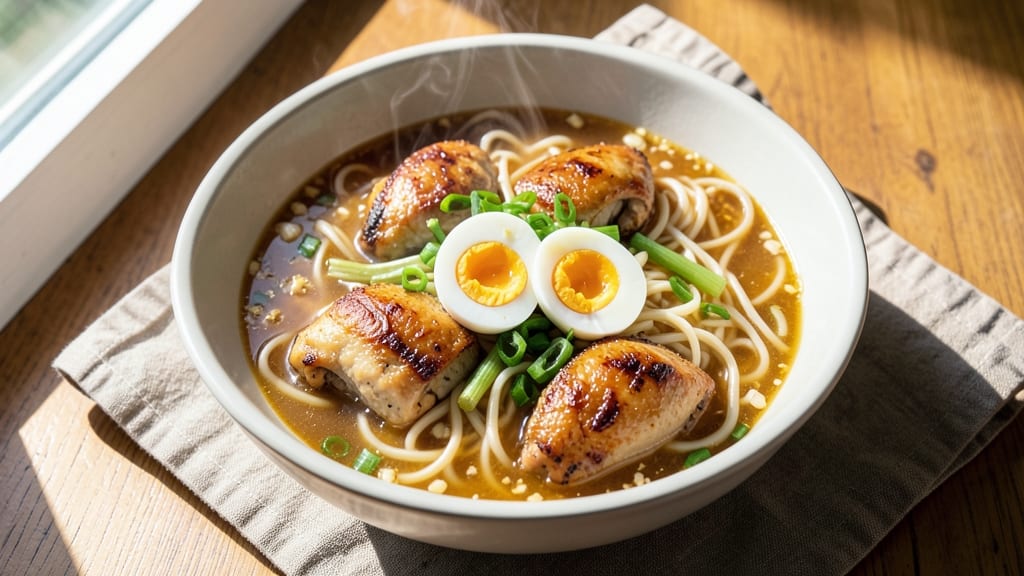
This batchoy soup recipe transports you straight to Filipino street food stalls with its fragrant lemongrass broth and delicate egg ribbons. The secret lies in slow-simmered spices that create a complex, aromatic base—where tender noodles and silky egg strands transform a simple meal into something extraordinary.
I've perfected this version after years of testing, balancing traditional techniques with home-cooking practicality.
The beauty of batchoy is in its simplicity—just a few core ingredients that build layers of flavor. You'll start with a rich broth infused with lemongrass, garlic, and ginger, then layer in fresh noodles and poached eggs cooked in a special ribbon shape.
The result is a soup that's both comforting and elegant, with each spoonful offering a perfect harmony of textures and flavors.
What makes this recipe special is the technique for creating those signature egg ribbons—thin, delicate strands that melt in your mouth. Combined with the fragrant broth and chewy noodles, it creates a dish that's as satisfying as it is visually appealing.
The aroma alone will have everyone gathered around the table, eager for their first taste.
Perfect for family dinners or special occasions, this batchoy soup brings a taste of the Philippines to your kitchen. The best part? It's easier to make than you think, with techniques that even beginner cooks can master. Let's get started on creating this flavorful masterpiece.
Ingredients for batchoy soup
Just 14 ingredients transform your kitchen into a Filipino street stall tonight.
| Ingredient | Amount | Notes |
|---|---|---|
| Fresh Lemongrass Stalks 🌿 | 4 whole | Bruised, bottom 6 inches only |
| Garlic Cloves 🧄 | 12 cloves | Minced, aromatic base |
| Fresh Ginger Root 🍃 | 2 tbsp | Grated, zesty kick |
| Chicken Thighs 🍗 | 1 ½ lb | Bone-in, skin-on preferred |
| Batchoy Noodles 🍜 | 8 oz | Fresh, dried works too |
| Large Eggs 🥚 | 6 whole | Fresh, cold for ribbons |
| Green Onions 🧅 | 4 whole | Thinly sliced, garnish |
| Fish Sauce 🐟 | 2 tbsp | Red Boat preferred |
| Soy Sauce 🍶 | 1 tbsp | Light soy preferred |
| Sesame Oil 🌰 | 1 tbsp | Toasted, for aroma |
| Vegetable Oil 🫒 | ½ cup | For frying egg ribbons |
| Salt 🧂 | 1 ½ tsp | Adjust to taste |
| Black Pepper 🌶️ | ½ tsp | Freshly ground |
| Chicken Broth 💧 | 4 cups | Homemade or quality store-bought |
Lemongrass is the soul of this soup—look for fresh stalks with vibrant green leaves. The bottom 6 inches is all you need (discard the tough top). Asian markets usually have them in the produce section, or order online if you can't find them locally. Bruise the stalks with the side of your knife before adding to the broth for maximum flavor extraction. For the garlic, peel all 12 cloves at once—it's faster than doing them individually. The ginger should be fresh, not powdered—grate it while the soup simmers to preserve its zing. Chicken thighs with skin and bone add incredible depth to the broth, but boneless, skinless works in a pinch.
No fresh lemongrass? Substitute with 2 tbsp lemongrass paste (found in Asian markets) or even 1 tsp lemongrass powder, but the flavor won't be as vibrant. Running out of batchoy noodles? Fresh egg noodles or even ramen work—just adjust cooking time. The egg ribbons are key—if you're nervous about the technique, practice with one egg first before doing all six. For the fish sauce, Red Boat is my go-to—it's clean and flavorful, but any good-quality brand works. Want extra richness? Add 1 tbsp oyster sauce with the soy sauce. The broth can be made ahead—freeze it in portions for up to 3 months.
This soup tastes even better the next day as flavors meld. Store leftovers in the fridge for 3-4 days or freeze for up to 3 months. For the egg ribbons, keep them submerged in cold water until ready to use—they'll stay flexible. The broth can be reheated gently on the stove, but avoid boiling to prevent the lemongrass from getting bitter. Double the recipe if you're feeding a crowd—it disappears fast. Garnish with extra green onions and a drizzle of sesame oil right before serving for that authentic touch.
Why You'll Love This Recipe
- One-Pot Magic: Honestly, I swear by this—just toss everything into a single pot. The lemongrass and ginger simmer into the broth while you prep the noodles, no extra pans, no stress. My lazy Sundays thank me every time.
- Umami Bomb: That first sip? The garlic and ginger caramelize into the broth while the chicken thighs render fat, creating this deep, savory richness. The batchoy noodles soak up all the flavor like little sponges—crispy edges, chewy centers. Dangerously addictive.
- Weeknight Workhorse: Between us, this feeds my whole family (plus my neighbor who always drops by) without breaking the bank. Double the recipe, store leftovers for 3 days, and it still tastes fresh. My kids beg for it on school nights—yes, even on a Tuesday.
- Budget-Friendly Flex: Chicken thighs and batchoy noodles stretch for miles, but the real win? The ingredients cost pennies compared to takeout. I’ll be real: the first time I made this, I thought I’d blown it—until my husband asked for seconds. Now it’s my go-to when money’s tight.
Step-by-step instructions for batchoy soup
Here's how to create this aromatic, comforting soup with silky egg ribbons and fragrant lemongrass broth.
Prepare the Lemongrass-Garlic-Ginger Base
In a large pot, combine the 4 whole fresh lemongrass stalks (bruised and cut into 6-inch pieces), 12 cloves minced garlic, and 2 tablespoons grated ginger root. This aromatic trio forms the soul of your soup. Add 4 cups chicken broth and bring to a gentle boil over medium-high heat. The broth should bubble steadily while you let the lemongrass and spices infuse for 10 minutes—you'll notice the kitchen filling with that heavenly citrusy aroma.
While the broth simmers, season it with 1.5 teaspoons salt and 0.5 teaspoon black pepper. Taste and adjust the seasoning—this is your flavor foundation. Keep the broth at a gentle simmer; you don't want it to boil vigorously or the lemongrass will turn bitter. The broth should smell vibrant and fresh, with bright notes of lemongrass cutting through the savory garlic and ginger.
Cook the Chicken Thighs Until Tender
Add the 1.5 pounds chicken thighs (skin-on preferred) to the simmering broth. The skin should face upward to render fat and create golden-brown crispiness. Let the chicken cook for 25-30 minutes until the meat is fork-tender and easily pulls away from the bone. You'll know it's done when the internal temperature reaches 165°F—the broth should be rich and slightly reduced from the chicken's natural juices.
Once the chicken is tender, carefully remove it from the broth and let it rest on a cutting board for 5 minutes. This resting period allows the juices to redistribute, preventing dry meat. While it rests, skim any excess fat from the surface of the broth—this keeps your soup light and clean. The broth should now have a deep, savory aroma with layers of lemongrass, garlic, and chicken essence.
Prepare the Signature Egg Ribbons
Heat 0.5 cup vegetable oil in a small skillet over medium-low heat until it shimmers but doesn't smoke. Crack the 6 whole large eggs into a bowl and whisk them vigorously until the yolks and whites are fully combined. Here's the trick: slowly pour the eggs into the hot oil in a thin, steady stream while gently stirring with a heatproof spatula. The eggs should form delicate, silky ribbons that float to the surface as they cook.
Cook the egg ribbons for 2-3 minutes until they're just set but still slightly translucent in the center. Remove them from the oil and drain on a paper towel-lined plate. The ribbons should be pale and delicate—if they turn opaque or rubbery, they've been overcooked. Set them aside and keep them covered to maintain their tenderness.
Assemble and Finish the Soup
Return the cooked chicken thighs to the broth and shred the meat using two forks. The broth should now be thickened slightly with the chicken's natural juices and fat. Stir in 2 tablespoons fish sauce and 1 tablespoon soy sauce, then add 1 tablespoon toasted sesame oil for that signature nutty aroma. Taste and adjust the seasoning—you want a balance of umami from the fish sauce, saltiness from the soy, and a hint of citrusy brightness from the lemongrass.
Add the 8 ounces batchoy noodles to the pot and let them cook for 3-4 minutes until they're tender but still slightly chewy. The noodles should float to the surface as they absorb the flavorful broth. Just before serving, divide the 4 whole green onions (thinly sliced) among bowls and ladle the hot soup over them. Top each serving with the delicate egg ribbons—these should be arranged artfully on top so they remain visible and tempting.
Serve Immediately for Maximum Enjoyment
Batchoy soup is best enjoyed fresh and hot, so serve it immediately with the egg ribbons floating on top. Each spoonful should deliver a perfect balance of tender chicken, aromatic broth, chewy noodles, and the delicate, silky texture of the egg ribbons. The lemongrass-infused broth should coat your mouth with its bright, citrusy notes, while the fish sauce and soy add depth of umami flavor.
Garnish with additional green onions if desired, and serve with extra soy sauce on the side for those who prefer it saltier. The contrast between the warm, comforting broth and the cool, delicate egg ribbons makes this soup truly special. Leftovers can be refrigerated for up to 2 days, but the egg ribbons will lose some of their delicate texture when reheated, so it's best to enjoy them fresh.
Pro Tips For Making Batchoy Soup
- CHAR THE GARLIC LOW: After burning three batches, I finally figured out that batchoy’s aromatic base needs patience—sauté garlic and ginger in batches over medium-low heat until they’re golden but not crispy. Too much heat turns them bitter, and you’ll taste it in every spoonful.
- SLICE LEMONGRASS THIN: I used to crush the whole stalk and wondered why the broth never had that bright, citrusy punch. Thinly slice the lemongrass (about 1/4-inch pieces) so the oils infuse faster—no need to overcrowd the pot, just let it simmer gently.
- SIMMER THIGHS COVERED FIRST: Skip the urge to rush the chicken. Parboil the thighs for 8–10 minutes covered, then finish in the broth—this locks in moisture and keeps them from drying out when you add the noodles later. Trust me, your soup won’t taste like rubbery chicken.
- TOSS NOODLES LAST: I learned this the hard way—adding batchoy noodles too early turns them mushy. Wait until the broth is nearly done, then stir them in for just 2–3 minutes. They’ll soak up flavor without falling apart (yes, even if you’re impatient like me).
Storing and reheating your batchoy soup
Broth Storage Secrets
The aromatic lemongrass broth is the heart of batchoy, and it keeps beautifully when stored properly. Let it cool to room temperature first, then transfer to airtight containers—I prefer glass jars with tight-sealing lids.
Store in the refrigerator for up to 4 days, where the flavors actually deepen and meld. For longer storage, freeze portions in quart-sized freezer bags, leaving 1-inch headspace for expansion. When reheating, warm over low heat on the stovetop—never microwave—to preserve those delicate lemongrass notes. 💛
Egg Ribbon Preservation
Here's the tricky part: egg ribbons don't reheat well, so handle them carefully. After cooking, immediately transfer them to a bowl of ice water to stop cooking and maintain their delicate texture. Store them submerged in the fridge for up to 24 hours—any longer and they'll become rubbery.
When reheating the soup, add fresh ribbons right before serving. For leftovers, I recommend making a fresh batch of ribbons when reheating rather than trying to revive the old ones.
Noodle Refresh Tips
Batchoy noodles can be stored separately in an airtight container in the fridge for 3-4 days. The key is to keep them dry—moisture makes them soggy. When reheating, cook them in fresh hot broth for 2-3 minutes until they regain their chewy texture.
For freezer storage, wrap noodles in plastic wrap and place in a freezer bag with all the air squeezed out. Thaw overnight in the fridge before using. Pro tip: Add a splash of hot broth to the noodles when reheating to help them absorb flavor faster.
Complete Soup Reheating
When reheating the full soup, combine all components except the egg ribbons in a pot over medium-low heat. Add ¼ cup water or broth to prevent sticking and heat until steaming hot—about 5-7 minutes. Stir occasionally to distribute heat evenly. The noodles should soften while the broth warms through.
Freezer-Friendly Strategy
For maximum convenience, freeze the soup components separately. Store the cooked chicken and broth together in one container, the noodles in another, and the egg ribbons in a third. When ready to serve, thaw everything in the fridge overnight. Reheat the broth and chicken separately, then combine with fresh noodles and egg ribbons. This method preserves all textures perfectly. I've found that freezing the broth alone (without chicken) actually tastes better after thawing—it develops more complex flavors. Just add the chicken back when reheating.
Nutrition facts
Frequently asked questions
Can I make batchoy with beef instead of chicken?
For a richer flavor, use 1.5 pounds beef short ribs or chuck roast instead of chicken thighs. Simmer the beef for 1.5-2 hours until fork-tender, skimming fat occasionally. The cooking time is longer because beef needs more time to become tender. Add the beef sauce (fish and soy sauce) only in the last 10 minutes of cooking to prevent overpowering the broth.
What if I can't find batchoy noodles?
No problem! Use fresh egg noodles or ramen as substitutes—they'll work beautifully. For best texture, cook them for 2-3 minutes in the hot broth until al dente. If using dried noodles, soak them in warm water for 5 minutes before adding to the soup. The key is to avoid overcooking, which makes them mushy.
How do I fix egg ribbons that turned out rubbery?
Overcooked egg ribbons happen when they're cooked too long or reheated. For a quick fix, gently reheat them in a small amount of hot oil for 10-15 seconds—just enough to soften them slightly. If they're still too firm, try blending them into the soup for a creamy texture. For future attempts, remove ribbons from the oil as soon as they're set (they'll continue cooking from residual heat).
Can I make batchoy vegetarian?
Yes, but with some adjustments! Replace chicken with mushrooms (shiitake or oyster) or tofu for protein. Use vegetable broth and skip the fish sauce—substitute with 1 tbsp soy sauce + 1 tsp mushroom sauce for umami. The egg ribbons remain a key element, but you can also add crispy fried tofu for texture. The broth will be lighter but still aromatic with lemongrass and ginger.
Why does my batchoy broth taste bitter?
Bitterness usually comes from overcooking the lemongrass or using too much garlic/ginger. To fix it, strain out the lemongrass stalks early (after 5 minutes of simmering) and add fresh ones later. For prevention, keep the broth at a gentle simmer—not a rolling boil—and remove any browned bits from the bottom of the pot. A splash of rice vinegar (1 tsp) can also balance bitterness if needed.