
Soups & Stews
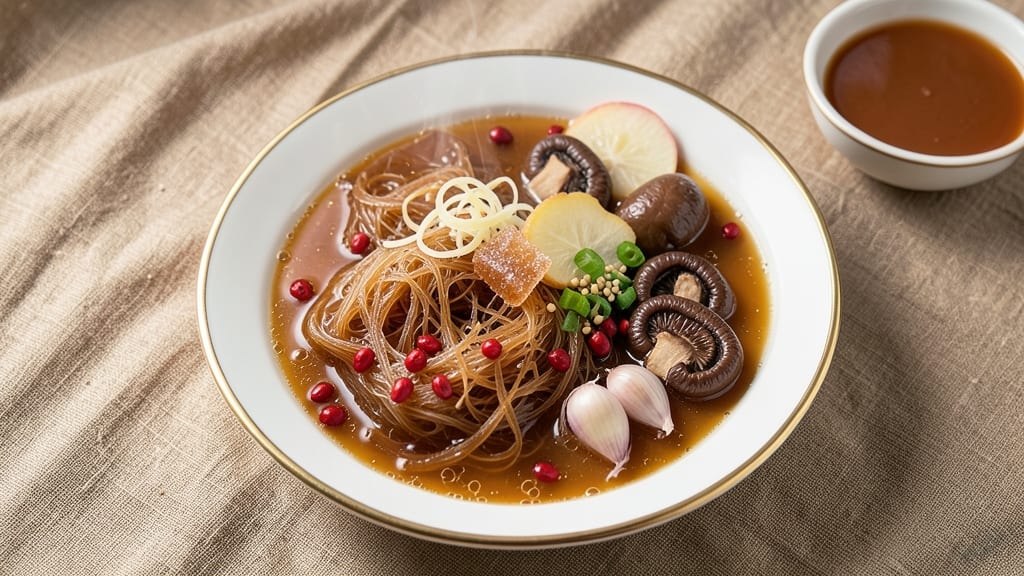
Filipino-style birds nest soup transforms delicate egg ribbons into a luxurious dish that’s both comforting and celebratory. This recipe preserves the traditional method of simmering bird’s nests in a fragrant broth, creating a velvety texture that’s impossible to resist.
The secret lies in proper preparation—soaking the nests to remove impurities and cooking them gently to maintain their signature silkiness.
What sets this dish apart is its balance of umami-rich ingredients: dried shiitake mushrooms, goji berries, and rock sugar that sweeten without overpowering. The broth is infused with ginger and garlic for depth, while chicken or seafood adds protein.
Each spoonful delivers layers of flavor—earthy, slightly sweet, and subtly briny—that make it a staple for special occasions.
The result is a soup that’s as visually stunning as it is delicious, with golden egg ribbons floating in a glossy, aromatic broth. Served with steamed rice or dumplings, it’s a dish that feels like a hug in a bowl—perfect for gatherings or when you want to impress.
The process may seem intricate, but following these steps ensures restaurant-quality results at home.
For those new to bird’s nests, this recipe includes essential tips on sourcing and preparing them properly. Whether you use chicken, seafood, or a combination, the technique remains the same—slow simmering to coax out the nests’ natural silkiness. Once mastered, this dish becomes a centerpiece for any Filipino feast.
Ingredients for birds nest soup recipe filipino style
Four servings of luxurious Filipino-style birds nest soup, where delicate egg ribbons meet aromatic broth.
| Ingredient | Amount | Notes |
|---|---|---|
| Bird's Nests (Edible, Cleaned) 🥚 | 0.35 oz | Pre-soaked 24 hours in water |
| Dried Shiitake Mushrooms 🍄 | ¼ lb | Rehydrated, stems removed |
| Goji Berries 🍇 | ¼ cup | Dried, rinsed thoroughly |
| Rock Sugar 🍬 | 2 tbsp | Or substitute light brown sugar |
| Fresh Ginger 🧄 | 1 inch | Fixed: 1-inch piece, peeled and sliced |
| Garlic Cloves 🧄 | 4 cloves | Minced for aromatic base |
| White Chicken Breast 🍗 | 1 lb | Boneless, skinless, cubed |
| White Fish Fillets 🐟 | ½ lb | Cod or snapper preferred |
| Chicken or Seafood Broth 💧 | 6 cups | Homemade or high-quality store-bought |
| Green Onions 🧅 | 3 whole | Sliced, for garnish |
| Sesame Oil 🫒 | 1 tsp | For finishing, optional |
| Diamond Crystal Kosher Salt 🧂 | 1 ½ tsp | Adjust to taste |
| White Peppercorns 🌶️ | ½ tsp | Freshly ground |
| Steamed Jasmine Rice 🍚 | 1 ½ cups | Cooked, for serving |
Bird's nests are the centerpiece—authentic edible nests from trusted suppliers like Filipino markets or specialty Asian grocers ensure quality. Look for nests that are clean, free of debris, and have that signature silky texture. The shiitake mushrooms should be plump and dark brown, while goji berries must be rinsed to remove any dust. For rock sugar, Filipino stores often carry it, but regular brown sugar works in a pinch. The ginger and garlic form the aromatic base—fresh is non-negotiable here. If you can't find rock sugar, light brown sugar maintains the caramel notes without overpowering. For the protein, chicken breast and white fish fillets keep the dish light yet satisfying.
No bird's nests? Silken tofu sheets can mimic the texture when simmered gently, though the flavor won't be identical. Substitute dried shiitake mushrooms with cremini mushrooms at half the amount, but they won't have the same earthy depth. Goji berries can be omitted entirely if unavailable, but the dish loses some of its signature sweetness. For the broth, homemade chicken or seafood stock elevates the dish—store-bought works but lacks complexity. The fish fillets can be swapped for shrimp or scallops if you prefer seafood-forward flavor. Always use fresh ginger and garlic; jarred versions lack the necessary punch.
Bird's nests should be stored in a sealed container in the fridge for up to 1 week after opening, though they're best used immediately. The prepared soup reheats beautifully—simmer gently on low heat for 5-10 minutes to maintain its silkiness. For make-ahead convenience, prepare the broth and protein components separately, then combine just before serving. The nests themselves can be pre-soaked and stored in broth in the fridge for 2 days. When reheating, avoid boiling to prevent the egg ribbons from becoming rubbery. Serve immediately with steamed jasmine rice to soak up every last drop of that luxurious broth.
Why You'll Love This Recipe
- No-Fuss Simmer: I just soak the bird’s nests and shiitakes overnight—that’s it—then toss everything into a pot with ginger and water. The soup basically cooks itself while I prep dinner, and honestly? The hardest part is resisting the urge to slurp it straight from the pot.
- Umami Bomb: That first spoonful—where the chewy nests meet the earthy mushrooms and sweet rock sugar—is next-level. The goji berries add this tiny, bursty pop that makes it taste like a little luxury. (Yes, even on a Tuesday night.)
- Double-Duty Soup: Make a big batch on Sunday, and you’ve got breakfast, lunch, or a fancy-ish dinner covered. My kids ask for it cold with rice as a congee, and my partner saves leftovers for "sick-day soup." It’s the ultimate lazy-person’s meal.
- Budget Luxury: Bird’s nests might sound fancy, but a single packet stretches into weeks of soup—way cheaper than takeout. Plus, dried shiitakes and goji berries last forever, so I’m always stocked for when cravings hit. (Spoiler: They hit often.)
Step-by-step instructions for Filipino-style birds nest soup
Transform delicate bird's nests into luxurious egg ribbons with this precise, traditional method.
Prepare the Bird's Nests and Rehydrate Ingredients
Begin by carefully removing the pre-soaked bird's nests from their water and gently separating the strands with your fingers. Discard any debris or hard pieces, then set aside. In a separate bowl, combine the 0.25 lb dried shiitake mushrooms with enough hot water to cover, soaking for 20 minutes until pliable. Drain and remove stems, slicing the caps into ¼-inch pieces. Rinse the 0.25 cup goji berries thoroughly to remove any dust, then soak them in warm water for 10 minutes to plump.
While the mushrooms and berries soak, peel and slice the 1-inch fresh ginger into ¼-inch coins, then mince the 4 cloves garlic. These aromatics will form the flavor base of your broth. The key here is patience—proper rehydration ensures the bird's nests dissolve evenly into silky ribbons without grit.
Build the Savory Broth Foundation
In a large pot, combine the 6 cups chicken or seafood broth with the ginger, garlic, and 1.5 tsp Diamond Crystal kosher salt. Bring to a gentle simmer over medium heat and cook for 10 minutes until fragrant. Add the sliced shiitake mushrooms and simmer for an additional 5 minutes to infuse their umami depth into the broth.
Strain the broth through a fine-mesh sieve into a clean pot, pressing gently on the solids to extract maximum flavor. Return the strained broth to the pot and stir in the 2 tbsp rock sugar and 0.5 tsp freshly ground white peppercorns. The sugar balances the broth's savory notes while the pepper adds subtle warmth—essential for authentic Filipino flavor.
Cook the Protein and Prepare Garnishes
Cut the 1 lb white chicken breast into ½-inch cubes and the 0.5 lb white fish fillets into ½-inch chunks. Gently add the chicken to the simmering broth and cook for 3 minutes until just opaque. Remove the chicken with a slotted spoon and set aside. Add the fish to the broth and cook for 2 minutes until the edges turn opaque but remain delicate—overcooking will make them rubbery.
Slice the 3 whole green onions diagonally into ¼-inch pieces, reserving the green tops for garnish. The white portions will add freshness to the soup, while the tops provide vibrant color. Keep the fish and chicken warm in a separate bowl until ready to serve.
Dissolve the Bird's Nests into Silky Ribbons
Reduce the broth heat to low and carefully add the separated bird's nest strands, stirring gently with a wooden spoon. The broth should remain at a barely simmer—any vigorous boiling will break the delicate egg ribbons. Cook for 8-10 minutes, stirring occasionally, until the strands dissolve into smooth, glossy ribbons. If the soup thickens too much, add ¼ cup hot water to maintain the proper consistency.
Return the chicken and fish to the pot, along with the drained goji berries. Simmer for 1 minute to heat through. The berries should plump slightly but retain their shape, adding a subtle sweet-tart contrast to the rich broth. Taste and adjust seasoning with additional kosher salt if needed.
Finish and Serve with Precision
Remove the pot from heat and stir in the 1 tsp sesame oil, allowing it to infuse for 1 minute. Ladle the soup into individual bowls, garnishing each serving with green onion slices and reserved green tops. Serve immediately alongside 1.5 cups steamed jasmine rice to soak up the luxurious broth.
The perfect bowl of Filipino-style birds nest soup delivers a harmonious balance: the chicken and fish provide protein, the shiitake mushrooms add earthy depth, the goji berries introduce subtle sweetness, and the bird's nests create an unctuous, velvety texture. Each component must be cooked to perfection—no shortcuts here.
Pro Tips For Making Birds Nest Soup Recipe Filipino Style
- SOAK NESTS 30 MINUTES: Bird’s nests are delicate—tossing them straight into boiling water turns them into mush. Instead, soak them in warm (not hot) water for 30 minutes first. This rehydrates them evenly without falling apart, and you’ll see them plump up like little clouds. Trust me, that extra patience makes a real difference.
- SLICE GINGER THINLY: Thick ginger chunks sink to the bottom and leave the soup with just a hint of bite. Use a mandoline or sharp knife to slice it paper-thin—about 1mm—so every sip carries that bright, warm kick. I learned this the hard way after biting into a chunk mid-slurp.
- DON’T BOIL GOJI BERRIES: Tossing goji berries into boiling water turns them into a mushy, bitter mess. Add them last, when the broth is simmering gently, and let them steep for just 2-3 minutes. This keeps their chewy texture and sweetness intact—no one wants a soup full of mush.
- USE ROCK SUGAR LAST: Dumping rock sugar in early can make the broth cloudy and dull. Instead, dissolve it in a splash of warm water first, then stir it into the finished soup. This ensures it melts smoothly without altering the broth’s clarity or overpowering the other flavors. Sounds weird, but it works.
Troubleshooting great birds nest soup recipe filipino style
Nests Too Gritty?
If your bird’s nests feel gritty after soaking, they likely weren’t cleaned properly. Rinse them again in warm water, then gently rub the strands between your fingers under running water. Discard any stubborn debris.
For extra insurance, soak them in 1 cup warm water with 1 tsp white vinegar for 10 minutes before using—this helps dissolve impurities without affecting flavor. 🧼
Broth Too Thin?
A thin broth often means the nests didn’t dissolve enough or the broth was over-diluted. Simmer the nests longer (10-12 minutes) on low heat, stirring gently. If needed, reduce the broth by 25%: place it in a saucepan and simmer uncovered for 5-7 minutes until slightly thickened.
Avoid adding cornstarch—it can make the egg ribbons clump.
Egg Ribbons Breaking?
Overheating or stirring too vigorously causes the delicate ribbons to fragment. Keep the broth at a barely simmer (180°F) and use a wooden spoon to stir in wide, gentle circles.
If the soup boils, immediately reduce heat and let it settle before continuing. For extra stability, add the nests when the broth is already hot but no longer bubbling.
Goji Berries Too Bitter?
Bitter goji berries usually mean they weren’t rinsed well or soaked long enough. Before using, rinse them in warm water for 2 minutes, then soak in 1 cup hot water for 15 minutes.
Drain and pat dry before adding to the soup. If they’re still bitter, reduce the amount to 2 tbsp or omit them entirely—your broth will still shine.
Protein Overcooked?
Chicken and fish turn rubbery when cooked too long. For chicken, remove it after 3 minutes of simmering (it’ll finish cooking in the hot broth). Fish should cook for just 1-2 minutes—use a meat thermometer to check for 145°F internal temp.
Keep both proteins in a separate bowl until the very end to prevent overcooking.
Lacking Umami Depth?
If your soup tastes flat, boost umami with these fixes: Add 1 tbsp soy sauce or 1 tsp fish sauce to the broth while simmering.
For extra richness, stir in 1 tsp oyster sauce (Filipino-style) or a splash of mushroom powder (like Better Than Bouillon Mushroom Base) when the nests are added. A pinch of MSG (optional) can also enhance savory notes without altering flavor.
Nutrition facts
Frequently asked questions
Can I substitute bird's nests with another ingredient?
For texture, use silken tofu sheets cut into thin strips—simmer them for 5-7 minutes at low heat to mimic the silky quality. For flavor, add 1 tsp fish sauce or ½ tsp chicken bouillon powder to the broth to compensate for the nests' umami. However, nothing truly replicates the luxurious mouthfeel of authentic nests.
How do I know if my bird's nests are clean and safe to use?
Look for nests that are light beige or tan, free of dark spots or debris. Rinse them thoroughly under warm water, then soak in 1 cup warm water with 1 tsp white vinegar for 10 minutes to remove impurities. Discard any hard pieces or grit. Trusted suppliers like Filipino markets or reputable Asian grocers sell pre-cleaned nests—always check the packaging for freshness dates.
Can I make this soup vegetarian?
Yes! Replace the chicken and fish with shiitake mushrooms (0.5 lb) and tofu (½ lb) cubed. Boost umami with 1 tbsp soy sauce and 1 tsp mushroom powder in the broth. For protein, add ½ cup cooked lentils or ½ cup chickpeas—simmer them for 2 minutes at the end to heat through. The nests and goji berries will still provide sweetness and silkiness.
Why does my soup taste bitter?
Bitterness usually comes from overcooked mushrooms, under-rinsed goji berries, or burnt aromatics. To fix it: Remove any dark or burnt bits from the ginger/garlic, rinse goji berries again in warm water, and reduce the mushrooms to 0.15 lb next time. A pinch of rock sugar (½ tsp) or 1 tsp honey can also balance harsh flavors. Always taste as you go!
How long can I store leftovers?
Store leftovers in an airtight container in the fridge for up to 3 days. Reheat gently on low heat for 5-7 minutes, stirring constantly to avoid breaking the egg ribbons. For longer storage, freeze the broth and protein separately (without nests) for up to 1 month. Reheat the broth first, then add the nests and protein just before serving.