
Soups & Stews
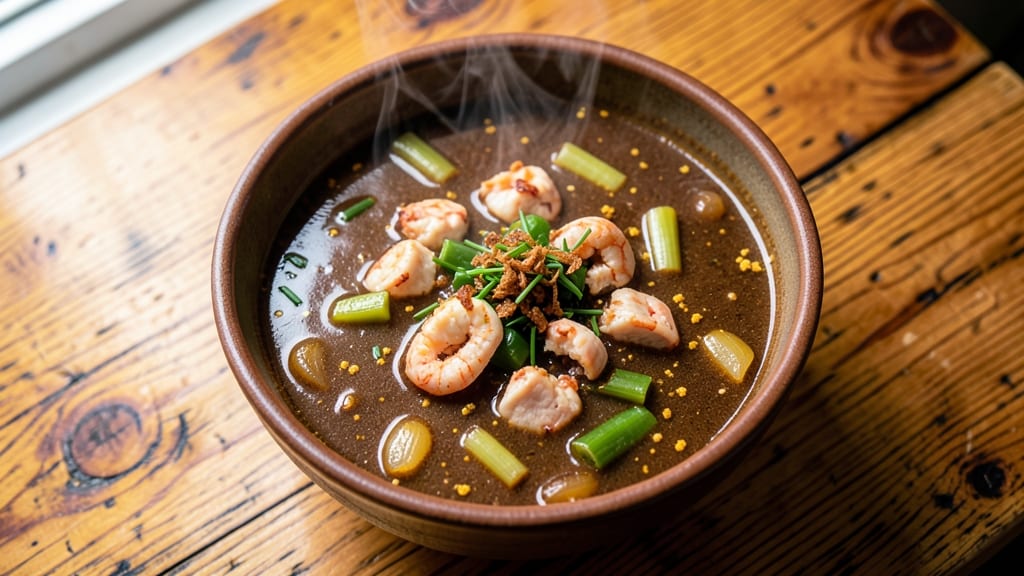
This crab gumbo soup recipe delivers the rich, spiced depth of Louisiana cuisine with tender crab meat and a velvety roux that builds flavor layer by layer. The secret lies in developing that perfect dark roux—neither burnt nor pale—and balancing Cajun spices with sweet seafood notes.
I’ve perfected this version after years of testing, ensuring every bite captures the soul of a New Orleans supper club.
What sets this recipe apart is the harmony of techniques: a slow-cooked roux that forms the base, a seafood stock infused with bay leaves and celery, and crab meat added just before serving to preserve its delicate texture.
The result is a soup that’s hearty yet refined, with just enough heat to wake up your senses and a depth of flavor that lingers. This isn’t just gumbo—it’s a celebration of Cajun tradition in your own kitchen.
By the time you finish, you’ll have a steaming pot of gumbo with a rich, glossy surface, fragrant with smoked paprika and thyme, and brimming with flakes of crab.
The roux will be a deep mahogany color, the stock reduced to a perfect consistency, and the crab meat tender enough to melt in your mouth. Serve it over buttery rice or with crusty cornbread to soak up every last drop of that flavorful broth.
This recipe serves four to six, making it ideal for a cozy dinner with friends or a family gathering. The prep takes about an hour, but the slow cooking ensures every ingredient shines.
Whether you’re a seasoned cook or new to gumbo, this method is foolproof—just follow the steps, and you’ll achieve restaurant-quality results at home. Let’s get cooking.
Ingredients for crab gumbo soup
Rich roux, bold spices, and sweet crab—just nine ingredients transform into New Orleans magic.
| Ingredient | Amount | Notes |
|---|---|---|
| Butter 🧈 | ½ cup | Unsalted, cold for roux |
| All-Purpose Flour 🌾 | ½ cup | White flour for roux |
| Crab Meat 🦀 | 1 ½ lb | Fresh lump crab preferred |
| Celery Stalk 🥬 | 3 whole | Diced, fresh and crisp |
| Green Bell Pepper 🍅 | 1 whole | Diced, any color |
| Yellow Onion 🧅 | 1 whole | Diced, sweet variety |
| Garlic Cloves 🧄 | 4 cloves | Minced, fresh preferred |
| Smoked Paprika 🌶️ | 1 tbsp | High quality for depth |
| Dried Thyme 🌿 | 1 tsp | Or 1 tbsp fresh thyme |
| Bay Leaves 🌿 | 2 whole | Fresh if possible |
| Seafood Stock 💧 | 4 cups | Homemade or quality store |
| Lemon Juice 🍋 | 2 tbsp | Freshly squeezed |
| Salt 🧂 | 1 ½ tsp | Adjust to taste |
| Black Pepper 🌶️ | ½ tsp | Freshly ground |
| Hot Sauce 🌶️ | 1 tbsp | Optional, for serving |
The butter and flour make that all-important roux—the soul of gumbo. Use unsalted butter (salted can burn) and keep it cold at first, then cook it low and slow until it’s a deep mahogany color. Whole Foods or local butcher shops often carry better-quality butter for this. For the crab, fresh lump is ideal—it stays tender longer than imitation. If you can’t find it, blue crab clusters work too, but save them for the last minute. The celery, bell pepper, and onion form the holy trinity—fresh is non-negotiable here. If you’re short on time, frozen veggies work, but they’ll add a bit of water to the pot.
No smoked paprika? Regular paprika plus a pinch of cayenne gets you close. Dried thyme is fine, but fresh thyme leaves add a brighter punch—just use three times the amount. The bay leaves? Fresh is best, but dried works in a pinch. For seafood stock, homemade is ideal, but Knorr or Pacific Foods make solid store-bought versions. If you’re using canned crab, drain it well—extra moisture ruins the roux. The lemon juice brightens everything, so don’t skip it. And trust me, hot sauce at the table lets everyone control the heat.
This gumbo tastes even better the next day—make extra if you can. Store it in the fridge for 4-5 days, covered but not sealed tight (it needs to breathe). For freezing, portion into airtight containers and keep for up to 3 months. When reheating, add a splash of water or stock to loosen it up. Serve it over buttery white rice or with warm cornbread to soak up every last drop of that rich, spiced broth.
Why You'll Love This Recipe
- One-Pot Magic: I swear by this—just melt butter, whisk in flour, and dump in veggies. The roux builds flavor while I chop, no extra pots to wash.
- Creamy Luxury: That butter-flour base turns velvety, cradling the crab meat like a hug. Honestly, it tastes like a seafood restaurant’s secret.
- Weeknight Crowd-Pleaser: Feed four with minimal effort—double the batch, freeze half, and reheat when life gets busy. My book club begs for the leftovers.
- Budget-Friendly Fancy: Fresh crab feels special, but this recipe stretches it with celery and pepper. Between us, it’s the only time I splurge on crab without guilt.
Step-by-step instructions for crab gumbo soup
Here's how to build rich, flavorful gumbo with that perfect Cajun roux foundation.
Build the Signature Roux
Melt the 0.5 cup butter in a heavy-bottomed pot over medium heat. Add the 0.5 cup all-purpose flour all at once and stir constantly with a wooden spoon. This is where the magic happens—watch carefully as the mixture transforms from pale to golden brown.
The roux should take about 15-20 minutes to reach a deep, chocolate-brown color. If it gets too dark too quickly, reduce the heat slightly. This color is what gives gumbo its signature depth and thickness. Once it reaches the perfect shade, immediately add the 4 cups seafood stock and stir to prevent burning.
Develop the Flavor Base
Add the diced 3 whole celery stalk, 1 whole green bell pepper, 1 whole yellow onion, 4 cloves garlic cloves, 1 tbsp smoked paprika, 1 tsp dried thyme, and 2 whole bay leaves to the pot. Bring everything to a gentle simmer and let it cook uncovered for 15 minutes, stirring occasionally.
Here's the thing—you want the vegetables to soften and release their flavors, but not disappear completely. The celery should still be identifiable when you're done. This step builds the aromatic foundation that makes gumbo so comforting. Taste the broth now—it should be rich and flavorful, with all the spices melding together.
Add the Crab and Finish
Gently stir in the 1.5 lb crab meat and 1.5 tsp salt. The crab will cook quickly in the hot broth, so don't let it simmer for more than 3-4 minutes—just until it turns opaque and the edges begin to curl slightly. Overcooking will make the crab rubbery.
Remove the bay leaves and stir in the 2 tbsp lemon juice and 0.5 tsp black pepper. The lemon brightens the rich flavors and cuts through the fat slightly. Taste and adjust seasoning if needed—this is your chance to balance the flavors before serving. The soup should be rich but not overpowering, with a perfect harmony of Cajun spices and sweet seafood.
Serve with Confidence
Ladle the hot gumbo into bowls and serve immediately with a drizzle of 1 tbsp hot sauce on the side for those who like extra heat. The soup should be thick enough to coat the back of a spoon but still have a lovely sheen on top—this indicates the perfect balance of roux and stock.
Each spoonful should deliver tender crab, aromatic vegetables, and that unmistakable Cajun warmth. The crab should be just cooked through, maintaining its delicate texture. Serve with crusty bread to soak up every last drop of that flavorful broth.
Pro Tips For Making Crab Gumbo Soup
- Cook Butter Slowly: Melt the butter over medium-low heat—rushing it turns the roux gray before it browns. I learned this the hard way after watching my gumbo turn metallic-tasting from a burned roux, and no amount of crab or seasoning could save it.
- Dice Celery Small: Cut the celery into 1/8-inch pieces—any larger, and you’ll taste chunks instead of texture. My grandmother swore by this, and she was right: it blends into the soup smoothly, not like you’re chewing on a crunchy afterthought.
- Add Crab Last: Stir the crab into the finished gumbo off the heat—it cooks in seconds and stays tender. I used to toss it in early, and it’d turn rubbery, no matter how fresh it was.
- Deglaze with Stock: After browning the roux, splash in 1 cup of hot stock immediately—it loosens the bits stuck to the pot and adds depth. Skip this, and you’re left scraping burnt flour off the bottom, which no one wants to deal with.
Make-ahead tips for crab gumbo soup
Prep Ahead Strategy
Start by making the roux base 24 hours in advance—it develops deeper flavor when refrigerated. Store it in an airtight container in the fridge, covered with a damp paper towel to prevent drying.
The roux will firm up slightly but remains usable; just whisk in 1 cup seafood stock to loosen before adding to your gumbo pot. 🌶️
Stock Infusion
Prepare your seafood stock a day ahead and keep it refrigerated. Add 1 extra bay leaf, 1 sprig thyme, and ½ tsp smoked paprika to the stockpot while simmering for 30 minutes—this infuses richer flavor.
Strain and store in a glass jar in the fridge for up to 5 days. Pro tip: Label it clearly to avoid confusion with other stocks.
Crab Prep
If using fresh crab, pick and shred the meat 1-2 hours before cooking and store it in a sealed container with 1 tbsp lemon juice to prevent browning.
For frozen crab, thaw it overnight in the fridge—never at room temperature—to preserve texture. Keep it chilled until ready to add to the gumbo. ❄️
Vegetable Prep
Chop all vegetables (celery, bell pepper, onion) and store them in a ziplock bag with a paper towel to absorb moisture. They’ll stay fresh for 3-4 days in the fridge.
When ready to cook, simply dump them straight into the pot—no extra prep needed. This saves 15 minutes of active prep time on cooking day.
Freezer-Friendly Assembly
For a freezer-friendly shortcut, assemble everything up to the crab addition. After cooking the roux and vegetables, cool the gumbo completely, then transfer it to a freezer-safe bag or glass container, leaving 1-inch headspace for expansion.
Freeze for up to 3 months. To serve, thaw overnight in the fridge, then reheat on the stove with ½ cup extra stock to restore thickness.
Final Touches Day-Of
On serving day, reheat the gumbo on low heat for 10-15 minutes, stirring occasionally. Add the crab and lemon juice just before serving—this keeps the crab tender and brightens the flavors.
Keep the hot sauce on the side so everyone can adjust the heat to their taste. The gumbo will taste even richer after resting for 10 minutes before serving. 💫
Nutrition facts
Frequently asked questions
Can I substitute crab with another seafood for this gumbo?
Shrimp or crawfish work beautifully as substitutes. Use 1.5 lb shrimp (peeled and deveined) or 1 lb crawfish tails instead of crab. Add them during the last 3-4 minutes of cooking to keep them tender. For a mixed seafood gumbo, combine 1 lb crab with 1 lb shrimp for extra richness.
Why does my roux turn black instead of brown?
Roux burns when heat is too high or stirring stops. Keep the heat at medium-low and stir constantly with a wooden spoon—never metal. If it starts smoking, immediately whisk in 1 cup seafood stock to cool it down. The perfect gumbo roux should be a deep mahogany color, not black. This takes patience but creates the best flavor foundation!
How do I make this gumbo spicier without overpowering the crab flavor?
Start with ½ tsp cayenne pepper in the roux, then add 1 tbsp hot sauce at the end. For extra heat, stir in 1 tsp crushed red pepper flakes with the vegetables. Balance with 1 extra tbsp lemon juice—the acidity brightens the heat while keeping the crab's sweetness intact. Always serve hot sauce on the side for customization.
Can I make this gumbo in a slow cooker?
Yes, but with adjustments. Sauté the roux separately (it won't develop properly in a slow cooker), then transfer to the pot and add the vegetables. Cook on low heat for 4-5 hours instead of simmering. Add the crab only 30 minutes before serving to prevent overcooking. The texture will be slightly thinner, so reduce ½ cup stock at the end for thickness.
What's the best way to reheat leftover gumbo?
Reheat gently on low heat with ¼ cup extra seafood stock to restore thickness. Never microwave—it makes the roux grainy. For leftovers, store in an airtight container for up to 5 days or freeze for 3 months. When reheating from frozen, add ½ cup stock to prevent drying. The flavors actually improve after resting!