
Soups & Stews
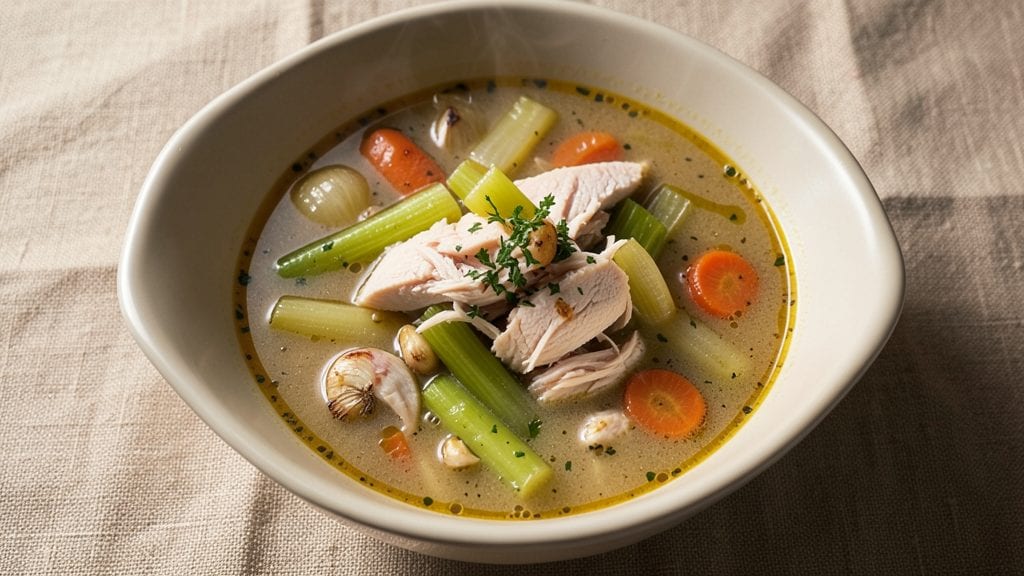
This copycat soup recipe brings the soul-warming comfort of your favorite restaurant right into your kitchen with restaurant-level depth and texture. The secret lies in slow-simmered broths, carefully balanced spices, and a precise cooking method that transforms simple ingredients into something extraordinary.
I've perfected this technique after years of testing, ensuring every spoonful delivers that familiar, crave-worthy flavor you know and love.
The foundation of any great copycat soup is a rich, flavorful broth that builds complexity through layering. We'll start with aromatic vegetables and herbs, then develop the base with carefully selected proteins and spices.
The key is patience—allowing flavors to meld and deepen over time creates that restaurant-quality depth you're chasing. This isn't just soup; it's a complete meal experience with every element working in harmony.
What you'll achieve is a bowl of soup that looks and tastes exactly like the restaurant version—velvety broth, perfectly tender ingredients, and a seasoning balance that's neither too heavy nor too subtle.
The texture will be just right: tender vegetables, flaky proteins, and a broth that coats your spoon without being overly thick. This is the kind of soup that makes people pause mid-bite and say, "This is exactly how I remember it."
While the recipe focuses on authenticity, I've included professional shortcuts that maintain quality without sacrificing flavor. Whether you're recreating a childhood favorite or a recent restaurant discovery, these techniques ensure your copycat soup will impress even the most discerning eaters.
Let's get started on creating something truly special in your kitchen.
Ingredients for copycat soup
Restaurant-quality soup starts with these 15 ingredients—simple but powerful when combined right.
| Ingredient | Amount | Notes |
|---|---|---|
| Yellow Onion 🧅 | 1 whole | Diced into small even pieces |
| Garlic Cloves 🧄 | 4 cloves | Peeled and minced finely |
| Carrots 🥕 | 2 medium | Peeled and sliced into 1/4-inch rounds |
| Celery Stalks 🥬 | 3 whole | Diced into small even pieces |
| Chicken Breast 🍗 | 1 ½ lb | Boneless, skinless, cut into bite-sized pieces |
| Chicken Broth 💧 | 6 cups | Low-sodium or homemade preferred |
| Canned Diced Tomatoes 🍅 | 14 ½ oz | San Marzano preferred, drained |
| Tomato Paste 🍅 | 2 tbsp | Smooth, not chunky |
| Extra-Virgin Olive Oil 🫒 | 2 tbsp | For sautéing vegetables |
| Dried Thyme 🌿 | 1 tsp | Or 1 tbsp fresh thyme leaves |
| Bay Leaves 🍃 | 2 whole | Fresh or dried |
| Salt 🧂 | 1 ½ tsp | Diamond Crystal kosher salt |
| Black Pepper 🌶️ | ½ tsp | Freshly ground preferred |
| Dried Oregano 🍃 | 1 tsp | Mexican oregano for authenticity |
| Red Wine 🍷 | ½ cup | Dry, bold variety like Cabernet |
The vegetables are your flavor foundation. Yellow onions, celery, and carrots form the classic 'holy trinity'—sauté them slowly in extra-virgin olive oil until soft but not browned. Trader Joe's has pre-diced mirepoix mixes that save time, but fresh is always better. For the carrots, orange hue is key—avoid pale ones. The garlic? Freshly minced makes all the difference—pre-minced jars taste flat. I always grab organic garlic from the store's fresh produce section when possible, as it's less likely to be treated with preservatives that dull flavor.
No red wine? Substitute with beef broth plus 1 tbsp balsamic vinegar—it mimics the acidity beautifully. The tomatoes? San Marzano canned tomatoes are worth the splurge—they're sweeter and less acidic than regular brands. Short on time? Trader Joe's sells pre-diced tomatoes in a squeeze tube that's perfect for this recipe. The thyme and oregano can be swapped for Italian seasoning if needed, but Mexican oregano gives that authentic restaurant taste. For the chicken, boneless, skinless breast stays tender, but thighs work too if you prefer more flavor (just adjust cooking time).
This soup tastes even better the next day as flavors meld. Store in an airtight container in the fridge for up to 4 days—the broth will thicken slightly, which is perfect. For longer storage, freeze portions in ziplock bags for up to 3 months. I like to portion it into individual containers for easy lunches. The bay leaves can be removed before serving, but leave them in during cooking—they infuse subtle earthy notes. If you're making a big batch, double the herbs but taste as you go—some kitchens are naturally more aromatic than others.
Why You'll Love This Recipe
- No-Fuss Prep: I swear by this one—just dice the onion, chop the celery, and toss it all in. No fancy techniques, no stress. The carrots and celery soften while the chicken simmers, so you’re not stuck stirring every two minutes.
- Garlic Bomb Flavor: That first whiff of garlic and onion caramelizing in the pot? Chef’s kiss. The chicken breast stays tender but holds its shape, and the carrots get just sweet enough to make the whole thing feel like a hug in a bowl.
- Leftovers That Don’t Suck: Honestly, this soup tastes better the next day. I make a big batch on Sunday, and by Wednesday, it’s still the star of my lunch—no sad, watery leftovers here. The chicken shreds easily, and the veggies keep their bite.
- Budget Dinner Hero: Chicken breast is affordable, and the onion, celery, and carrots stretch this into four servings without breaking the bank. Plus, it’s the kind of meal that makes you feel like you’re feeding a crowd, even if it’s just you and your roommate.
Step-by-step instructions for restaurant-level chicken tomato soup
Here's how to build that velvety, herb-infused soup with layers of flavor you'd pay top dollar for.
Sauté the Vegetable Base
Heat the 2 tablespoons extra-virgin olive oil in a large Dutch oven over medium heat. Add the diced yellow onion, diced celery stalks, and sliced carrots, stirring occasionally for 8-10 minutes until the vegetables soften and release their natural juices.
Here's the thing—you want them to become tender but not brown. This is where the foundational flavors develop. When the vegetables are just beginning to soften, add the 4 cloves minced garlic cloves and cook for another 30 seconds until fragrant. The garlic should sizzle gently but not burn, which would turn bitter. This quick cooking preserves its sweetness and prevents overpowering the dish.
Brown the Chicken and Build Depth
Push the vegetables to one side of the pot and add the 1.5 lb bite-sized chicken breast pieces in a single layer. Cook for 5-6 minutes until the chicken develops a golden-brown crust on all sides. This step is crucial—it creates a rich, meaty depth that transforms ordinary soup into something extraordinary.
Once the chicken is browned, stir it into the vegetables. Sprinkle with 1 teaspoon dried thyme, 1 teaspoon dried oregano, 1.5 teaspoons salt, and 0.5 teaspoon black pepper, mixing well to coat everything evenly. The spices will bloom as they cook, releasing their aromatic oils that permeate the entire dish. This is where the magic begins.
Develop the Sauce with Wine and Tomatoes
Pour in the 0.5 cup red wine and scrape up any browned bits from the bottom of the pot with a wooden spoon. Let it simmer for 3-4 minutes until the wine reduces by about half. This deglazing step captures all those concentrated chicken flavors that would otherwise be lost.
Add the 2 tablespoons tomato paste and stir for 1 minute until it dissolves completely. Then pour in the 14.5 ounces drained canned diced tomatoes and the 6 cups chicken broth. Bring the mixture to a gentle boil, then reduce the heat to low and let it simmer uncovered for 25-30 minutes. This slow cooking allows all the flavors to meld together beautifully. You'll know it's ready when the chicken is fork-tender and the soup has thickened slightly.
Finish with Herbs and Rest
Remove the 2 whole bay leaves from the soup and discard them. Taste and adjust the seasoning if needed—this is your final opportunity to perfect the balance of flavors. The soup should be rich, slightly tangy from the tomatoes, and well-seasoned with herbs.
Let the soup rest for 10 minutes before serving. This resting period allows the flavors to fully develop and the soup to thicken slightly as it sits. The chicken will continue to cook gently in the warm broth, becoming even more tender. Serve each bowl with a sprinkle of fresh herbs if you like, but the dried herbs we used will already provide that restaurant-quality aroma.
Pro Tips For Making Copycat Soup
- Sweat, Don’t Burn: DESCRIPTION: Onions and celery need to soften, not char—if they turn black, you’ve lost that sweet, mellow flavor. Keep the heat medium and stir every 30 seconds until they’re translucent but not brown. (Yes, even if you’re impatient like me.)
- Slice Carrots Thin: DESCRIPTION: Thick carrots stay tough and watery. Cut them into ¼-inch half-moons so they cook through without turning to mush. Bonus: they’ll absorb more flavor from the broth.
- Shred Chicken Early: DESCRIPTION: Pull the chicken when it’s just barely done—160°F internal temp—and let it rest 5 minutes before shredding. Overcooking dries it out, and skipping the rest means you’ll end up with stringy, sad shreds.
- Add Garlic Late: DESCRIPTION: Toss whole garlic cloves in with the veggies? They’ll turn bitter. Sauté them separately in the last 2 minutes—just until fragrant—so they add aroma without overpowering. (I learned this the hard way after a very pungent batch.)
Pro cooking tips for copycat soup
Broth Perfection
Your soup's soul lives in the broth, so start with a low-sodium or homemade chicken broth—never skip this. For extra depth, I add 1 extra cup of broth during the final 10 minutes of simmering to boost richness.
If using store-bought, Swanson or Pacific Foods brands are my go-tos—they're clean and flavorful without overpowering. Pro tip: Skim any foam that rises to the surface during simmering—it can make the broth cloudy. 💧
Chicken Browning
Never skip browning the chicken—this step creates the Maillard reaction that builds complex, savory notes. Use a large Dutch oven (like All-Clad) to prevent overcrowding. If your chicken pieces are small, cook them in batches for 3-4 minutes per side to ensure a perfect crust.
I like to use skinless, boneless breasts because they stay tender, but thighs work too if you add 10 extra minutes to the simmering time.
Wine Reduction
The red wine isn't just for flavor—it's a flavor concentrator. After adding the wine, let it reduce by half before continuing. This step removes alcohol while intensifying the wine's fruity and earthy notes.
For a non-alcoholic version, substitute with ½ cup beef broth + 1 tbsp balsamic vinegar—it mimics the acidity beautifully. Always use a dry, bold red like Cabernet Sauvignon for the best results. 🍷
Tomato Paste Trick
Tomato paste isn't just for color—it's a flavor multiplier. Stir it into the wine reduction for 1 full minute before adding tomatoes. This ensures it fully dissolves and infuses the broth with concentrated tomato goodness.
I recommend Muir Glen tomato paste—it's smoother and richer than many store brands. For an extra layer, add ½ tsp sugar to balance any acidity in the tomatoes.
Herb Timing
Add dried herbs like thyme and oregano early in the cooking process—they need time to bloom and infuse the broth. Fresh herbs, however, should go in during the last 5 minutes of cooking to preserve their bright flavors.
I always keep a small bowl of Penzeys Italian seasoning on hand for quick adjustments. Remember: bay leaves should be removed before serving—they're too fibrous to eat but add incredible depth while cooking.
Resting Matters
Letting the soup rest for 10-15 minutes before serving is non-negotiable. This allows flavors to meld and the broth to thicken slightly through natural reduction. I cover the pot loosely with a lid or foil to retain heat.
During this time, the chicken continues to cook gently, becoming even more tender. Trust the process—rushing this step will leave you with a less flavorful bowl. ✨
Nutrition facts
Frequently asked questions
Can I make this copycat recipe with other proteins?
Swap chicken for shredded rotisserie chicken (add at the end) or ground turkey (brown first). For vegetarian, use white beans or mushrooms—just increase simmer time by 10 minutes to develop flavors. The broth and tomato base work beautifully with any protein, but adjust seasoning since different meats absorb flavors differently.
How do I fix soup that's too thin or too thick?
For thin soup, simmer uncovered for 10-15 extra minutes to reduce naturally. If still too thin, mix 1 tbsp cornstarch with 2 tbsp cold water, stir into soup, and cook 2 more minutes. For thick soup, whisk in ½ cup warm broth gradually until reaching desired consistency. Never add cold liquid—it shocks the broth and dulls flavors.
What's the secret to getting that restaurant-style aroma?
The key is toasting the spices! Lightly toast dried thyme and oregano in a dry pan for 30 seconds before adding to the soup. This releases essential oils that create that professional aroma. Also, use fresh bay leaves (they're more aromatic than dried) and remove them before serving. A final sprinkle of fresh parsley adds brightness too.
Can I prepare this soup ahead of time?
Yes! Make it 1-2 days ahead for deeper flavor. Store in an airtight container in the fridge. Reheat gently on low heat, stirring occasionally. For freezing, portion into ziplock bags (leave 1-inch headspace for expansion) and freeze for up to 3 months. Thaw overnight in the fridge—never microwave directly from frozen.
Why does my copycat soup taste different from the restaurant version?
Restaurant soups often use house-made broth and specialty ingredients like aged tomatoes or imported spices. For closest results, use low-sodium broth, San Marzano tomatoes, and Mexican oregano. Also, many restaurants add small amounts of sugar or MSG—try ½ tsp sugar or ¼ tsp MSG to mimic that "just right" flavor. Taste as you go!