
Soups & Stews
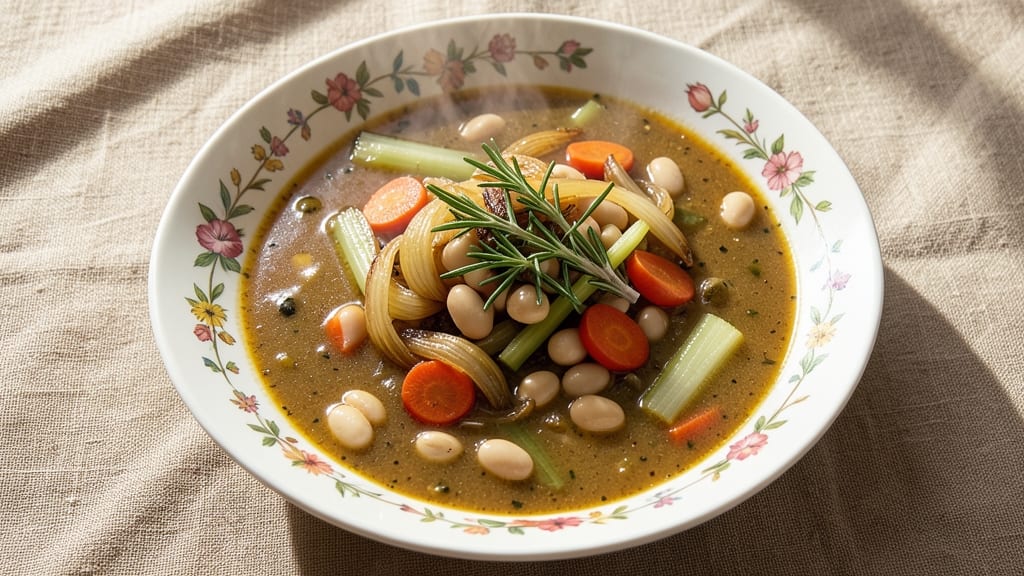
This 5-star minestrone soup recipe transforms simple pantry staples into a restaurant-worthy Italian classic that tastes like a warm hug on a chilly evening. The secret lies in slow-simmered broth infused with toasted herbs and caramelized vegetables, creating layers of flavor that elevate humble beans and pasta into something extraordinary.
What makes this recipe truly special is the balance—rich yet light, hearty yet refreshing—perfect for both weeknight dinners and holiday gatherings.
Unlike many minestrone recipes that rely on canned broth, this version builds depth by sautéing onions, carrots, and celery until golden, then reducing them with garlic and white wine for a savory foundation.
Adding dried herbs like rosemary and thyme while simmering releases their aromatic oils, infusing the soup with an earthy complexity that sets it apart. The beans (white, kidney, and cannellini) soak up these flavors beautifully, while small pasta shapes like ditalini or farfalle add satisfying texture without overpowering the vegetables.
By the time you ladle this soup into bowls, you’ll notice the difference immediately: a velvety broth with visible chunks of tender vegetables, al dente pasta, and perfectly seasoned beans.
The optional garnishes—fresh basil, grated Parmesan, and a drizzle of olive oil—add bright pops of color and freshness, turning an already impressive dish into a showstopper. This isn’t just soup; it’s a 5-star experience that proves homemade can rival the best Italian bistros.
Serve with crusty bread to soak up every last drop of that fragrant broth, or pair it with a simple green salad for a complete, balanced meal. The beauty of this recipe is its flexibility—it reheats beautifully for leftovers and can be customized with seasonal vegetables or your favorite protein.
Let’s create something truly memorable, one ladle at a time.
Ingredients for 5 star minestrone soup
Simple pantry staples meet Italian magic for this restaurant-worthy minestrone.
| Ingredient | Amount | Notes |
|---|---|---|
| Yellow Onions 🧅 | 2 whole | Diced, medium size preferred |
| Carrots 🥕 | 4 whole | Medium, peeled and chopped |
| Celery Stalks 🧄 | 4 whole | Trimmed and chopped |
| Garlic Cloves 🧄 | 6 cloves | Minced, fresh preferred |
| Dry White Wine 🍷 | ½ cup | Sauvignon Blanc or Pinot Grigio |
| Dried Rosemary 🌿 | 1 tbsp | Fresh works too, chopped |
| Dried Thyme 🌿 | 1 tbsp | Leaves only, no stems |
| Cannellini Beans 🌱 | 1 ½ cups | Cooked, or 1 can drained |
| Kidney Beans 🌱 | 1 cup | Cooked, or 1 can drained |
| White Beans 🌱 | 1 cup | Cooked, or 1 can drained |
| Ditalini Pasta 🍝 | 1 ½ cups | Uncooked, or 10 oz package |
| Vegetable Broth 💧 | 6 cups | Homemade or low-sodium |
| Tomato Paste 🍅 | 2 tbsp | Smooth, not chunky |
| Extra-Virgin Olive Oil 🫒 | ¼ cup | For sautéing, fruity |
| Salt 🧂 | 1 ½ tsp | Diamond Crystal preferred |
| Black Pepper 🌶️ | ½ tsp | Freshly ground |
| Fresh Basil Leaves 🌿 | ¼ cup | Chopped, for garnish |
| Parmesan Cheese 🧀 | ½ cup | Freshly grated, block preferred |
The vegetable trio—onions, carrots, and celery—is your flavor foundation. Buy fresh (not pre-chopped) for better texture, and Trader Joe's has the best prices. Caramelize them until golden—don't rush this step—it builds depth. Garlic should be minced fine, not chopped roughly. White wine adds brightness, but dry vermouth works in a pinch. For dried herbs, Penzeys has the best quality, but the grocery store stuff is fine if it smells fresh. The beans? Canned is fine, but soaking overnight gives better texture.
No white wine? Substitute extra vegetable broth—just add 2 tbsp lemon juice for acidity. Fresh herbs like rosemary and thyme can be swapped for dried at one-third the amount. The tomato paste is non-negotiable—Rao's or San Marzano are ideal, but any smooth paste works. For pasta, ditalini is classic, but faralle or small shells add fun texture. The Parmesan matters—grate it yourself for that snowy texture, not the pre-grated stuff.
This soup tastes even better the next day. Store in airtight containers for 4-5 days or freeze for 3 months. I double the recipe and freeze half—perfect for lazy weeknights. The garnishes (basil, Parm, olive oil) can wait until serving to keep everything vibrant. Reheat gently—no boiling, just warm through on the stove.
Why You'll Love This Recipe
- One-Pot Magic: I swear by this recipe because it’s literally one pot—no chopping chaos, no last-minute pan juggling. Just dice the onions, carrots, and celery (about 10 minutes max), toss them in with the garlic and wine, and let the broth work its magic. My lazy Sundays thank me every time.
- Wine-Infused Depth: That splash of dry white wine? It’s not just for show—it brightens the broth and cuts through the earthiness of the celery and carrots like a secret weapon. Honestly, I’ll often add a little extra if I’m feeling fancy, and it makes the soup taste like it simmered for hours (even if it didn’t).
- Meal Prep MVP: This soup begs to be made in bulk. I’ll double the batch on Sundays, and it reheats beautifully for lunches all week—no soggy beans or bland flavors. Between us, it’s my go-to for potlucks too; everyone clears their plates, and I get asked for the recipe.
- Pocketbook Hero: Onions, carrots, celery, and garlic are the ultimate budget stars, and this recipe stretches them into something hearty and satisfying. I’ll often add canned beans or pasta to bulk it up even more—proof that a flavorful, filling meal doesn’t have to break the bank. (Yes, even on a Tuesday night.)
Step-by-step instructions for hearty Italian vegetable and bean symphony
This method builds layers of flavor—starting with aromatic vegetables, developing through slow simmering, and finishing with bright herbs.
Develop the Vegetable Base
Heat the 0.25 cup extra-virgin olive oil in a large Dutch oven over medium heat. Add the 2 whole diced yellow onions, 4 whole chopped carrots, and 4 whole chopped celery stalks. Cook for 8-10 minutes until the vegetables soften and the onions turn translucent.
Here's the thing—don't rush this step. You want the vegetables to release their natural sugars and develop that sweet, caramelized foundation. Stir occasionally, but let them cook undisturbed for at least 5 minutes before stirring again. This creates depth that separates home-cooked minestrone from restaurant-quality.
After the vegetables soften, add the 6 cloves minced garlic, 1 tbsp dried rosemary, and 1 tbsp dried thyme. Cook for another 1-2 minutes until fragrant—you should smell that earthy, herbal aroma wafting through your kitchen. This is where the magic starts.
Build the Flavor Foundation
Pour in the 0.5 cup dry white wine and scrape up any browned bits from the bottom of the pot. Let it simmer for 3-4 minutes until mostly evaporated. This deglazing step captures all those caramelized flavors you worked so hard to develop.
Next, stir in the 2 tbsp tomato paste and cook for 1 minute to deepen the color and intensify the umami. Add the 1.5 cups cooked cannellini beans, 1 cup cooked kidney beans, and 1 cup cooked white beans. You'll notice the soup thickens slightly as the beans absorb the liquid and release their starches.
Here's where it gets good—taste the mixture now. You should detect layers of sweetness from the carrots, earthiness from the herbs, and a touch of acidity from the wine. If it needs more salt, add up to 1 tsp of the 1.5 tsp salt now. The beans will soften further as they simmer, so don't over-season yet.
Simmer the Soup
Pour in the 6 cups vegetable broth and bring the mixture to a gentle boil. Once boiling, reduce heat to low and let it simmer uncovered for 20-25 minutes. This slow cook allows all the flavors to meld together while keeping the vegetables tender but still recognizable.
I know it's tempting to check constantly, but resist the urge. Every time you lift the lid, you lose heat and moisture. Instead, stir occasionally and check for doneness by tasting. The soup should be rich and flavorful, with the vegetables breaking down slightly but still holding their shape.
About 10 minutes before the soup is done, add the 1.5 cups uncooked ditalini pasta. The pasta will absorb the broth as it cooks, creating that perfect al dente texture. If the soup looks too thick, add ½ cup water to loosen it to your desired consistency.
Finish with Herbs and Cheese
Remove the pot from heat and stir in the 0.25 cup chopped fresh basil leaves. The basil will brighten the flavors and add a fresh, aromatic finish. Let the soup sit for 5 minutes to allow the basil to infuse.
Ladle the soup into bowls and top each serving with about 1 tablespoon of the 0.5 cup freshly grated parmesan cheese. The cheese should melt slightly from the heat, creating a creamy contrast to the hearty vegetables and beans. Serve immediately while the pasta is still al dente and the flavors are at their peak.
This is the moment that matters: each spoonful should deliver a symphony of textures—tender vegetables, creamy beans, al dente pasta, and a finish of bright basil and salty parmesan. The beauty of this recipe is in its balance, where every ingredient plays its part without overpowering the others.
Pro Tips For Making 5 Star Minestrone Soup
- Sweat, Don’t Burn: The onions, carrots, and celery should release their flavors slowly—no need for a deep golden brown. Cook them over medium heat with a splash of water or wine to keep them tender and sweet, not bitter. I used to rush this, and the whole soup tasted harsh afterward.
- Mince Garlic Like You Mean It: No need for fancy knives—just smash those cloves flat with the side of your knife first, then chop them into tiny, even pieces. This ensures they cook evenly without burning, and every spoonful gets that rich, mellow garlic flavor. I learned this the hard way after pulling out charred cloves mid-simmer.
- Deglaze with Wine Early: Add the dry white wine right after you remove the veggie base from the pot—it’s the best way to lift all those browned bits. Let it reduce by half before adding broth or tomatoes, or you’ll dilute the depth of flavor. Sounds weird, but it works: the soup tastes more complex and balanced.
- Salt the Broth Gradually: Start with half the salt you think you need, then taste as the soup simmers. Add more in stages—especially if using canned beans or pre-cooked pasta—because over-salting later is harder to fix. I skip this when I’m lazy, but the dish is noticeably better when I don’t.
Common mistakes when making this dish
Skipping the Sauté
One of the biggest mistakes is rushing through the vegetable sauté. That 8-10 minute caramelization of onions, carrots, and celery is where the deep, sweet foundation forms. I’ve seen people skip this step or only cook for 3-4 minutes—big mistake!
The natural sugars in these veggies break down slowly, creating that rich, almost jammy texture that makes restaurant-quality minestrone sing. Use a large Dutch oven and give it time. 🌟
Overloading the Pot
Crowding your pot with too many ingredients at once leads to uneven cooking and a watery soup. I’ve made this error myself—adding all the beans and pasta at the start, only to end up with mushy vegetables and undercooked pasta.
Instead, add the beans early (they need time to absorb flavors) but hold off on the pasta until the last 10 minutes. This ensures everything cooks perfectly al dente.
Ignoring the Wine Reduction
The white wine isn’t just for flavor—it’s for building depth through reduction. Skipping the 3-4 minute simmer to evaporate the alcohol leaves your soup flat. That step concentrates the flavors and removes any harsh alcohol taste.
If you’re avoiding wine, substitute with ½ cup vegetable broth + 1 tbsp lemon juice to mimic the acidity and reduction effect.
Adding Pasta Too Early
Pasta added too soon will turn mushy while the soup simmers. The key is timing: add your ditalini or faralle only in the last 10 minutes of cooking. This ensures it cooks through perfectly without absorbing all the broth.
Pro tip: Reserve ½ cup pasta water before adding it to the pot—this helps adjust consistency if needed.
Underseasoning the Beans
Beans often need extra seasoning because they absorb flavors differently. Taste them after adding to the pot—if they’re bland, add a pinch of salt or a splash of vegetable broth to boost umami.
I like to add a ½ tsp smoked paprika or 1 bay leaf while simmering for extra depth. Don’t forget to remove the bay leaf before serving!
Overlooking the Resting Time
Letting the soup sit for 5 minutes after adding fresh basil and before serving might seem trivial, but it’s crucial. This allows the basil to infuse its bright, fresh flavors into the broth.
Skipping this step means your garnish stays on top instead of blending into the soup. Also, let the pasta rest for 2-3 minutes after cooking to prevent a gummy texture when served. ⏰
Nutrition facts
Frequently asked questions
Can I make this minestrone soup without wine?
Replace the 0.5 cup dry white wine with ½ cup vegetable broth + 1 tbsp lemon juice to mimic the acidity and reduction effect. The lemon juice adds brightness while the extra broth maintains the soup's consistency. The wine's primary role is deglazing and adding depth, so this swap works beautifully.
What's the best pasta shape for this soup?
Ditalini (tiny tubes) is classic, but faralle (bowties) or small shells work perfectly too. Avoid large shapes like penne—they can make the soup too thick and make eating messy. The key is small pasta that cooks quickly (10-12 minutes) without absorbing all the broth.
How do I make this soup extra hearty? Add ½ cup cooked lentils or 1 cup chopped potatoes (diced small) along with the beans. For texture, stir in ½ cup sautéed mushrooms with the vegetables. The potatoes will soften beautifully during simmering, adding a creamy element. Just
Can I prepare this soup ahead of time?
This soup actually tastes better the next day! Store in airtight containers for 4-5 days or freeze for 3 months. When reheating, warm gently on the stove—never microwave—to preserve texture. Add a splash of water if it thickens too much. The flavors deepen overnight, making leftovers even more delicious.
What if I don't have fresh herbs?
No problem! Use 1 tsp dried basil instead of fresh, but add it during the final 5 minutes of simmering. For rosemary and thyme, double the amounts (so 2 tbsp each) since dried herbs are more concentrated. Toast the dried herbs lightly in a dry pan for 30 seconds before adding to enhance their aroma.