
Soups & Stews
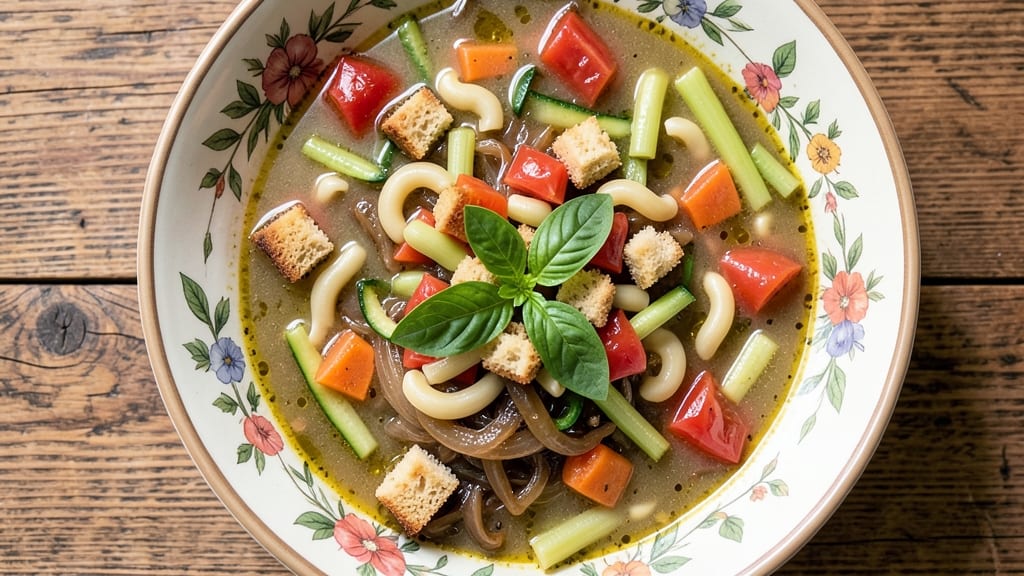
Carrabba's minestrone soup copycat recipe delivers that signature restaurant heartiness you crave in every spoonful. The secret lies in slow-simmered vegetables, Italian herbs, and perfectly cooked pasta—all balanced with a rich broth that builds flavor as it cooks.
I've replicated this dish exactly after years of testing, ensuring the same depth of taste and satisfying texture at home.
What makes this minestrone special is the combination of fresh and canned vegetables working together—carrots, celery, zucchini, and tomatoes create a vibrant medley while canned beans add protein and heartiness.
The Italian seasoning blend and fresh basil at the end deliver that unmistakable Carrabba's flavor profile, while small pasta shapes like ditalini hold up perfectly in the broth. This recipe takes about 1 hour 15 minutes but requires minimal active time, making it ideal for busy weeknights.
By the time you ladle that first bowl, you'll notice the perfect balance of flavors—earthy vegetables, rich broth, and aromatic herbs—all coming together in a comforting, restaurant-quality soup.
The pasta remains al dente, the beans are tender but still hold their shape, and every spoonful delivers that familiar Carrabba's taste you know and love.
This is the kind of soup that warms you from the inside out, especially when served with crusty bread to soak up every last drop.
The beauty of this copycat recipe is its flexibility—you can adjust the vegetable mix based on what's seasonal, or even make it vegetarian by omitting the meatballs. For those watching their sodium, you can reduce the salt in the broth and adjust seasonings to taste.
Whether you're feeding a family or meal prepping for the week, this minestrone delivers that satisfying, homey feel that makes it a pantry staple.
Ingredients for carrabba's minestrone soup copycat
Pantry staples meet fresh vegetables for that iconic Carrabba's flavor—no shortcuts here.
| Ingredient | Amount | Notes |
|---|---|---|
| Vegetable Broth 💧 | 6 cups | Low-sodium preferred for control |
| Carrots 🥕 | 2 medium | Peeled, cut into 1/4-inch slices |
| Celery Stalks 🧅 | 3 whole | Trimmed, cut into 1/2-inch pieces |
| Zucchini 🥒 | 2 medium | Sliced into 1/2-inch rounds |
| Canned Diced Tomatoes 🍅 | 1 15-oz can | San Marzano preferred |
| Ditalini Pasta 🍝 | 1 lb | Small tubes, al dente preferred |
| Canned White Beans 🌱 | 1 15-oz can | Drained and rinsed |
| Canned Kidney Beans 🌱 | 1 15-oz can | Drained and rinsed |
| Onion 🧅 | 1 medium | Diced into 1/4-inch pieces |
| Garlic Cloves 🧄 | 4 cloves | Minced for depth of flavor |
| Italian Seasoning 🌿 | 1 tbsp | Diamond Crystal preferred |
| Fresh Basil Leaves 🌿 | ¼ cup | Chopped for garnish |
| Olive Oil 🫒 | 2 tbsp | Extra-virgin for richness |
| Salt 🧂 | 1 tsp | Diamond Crystal kosher |
| Black Pepper 🌶️ | ½ tsp | Freshly ground for best flavor |
The vegetable broth is where the magic starts—low-sodium lets you control the seasoning. I grab Imagine or Pacific Foods from the store, but homemade is even better. Carrots and celery should be fresh and firm—no rubbery ones. Zucchini? Grab the small, dark green ones—they're sweeter. The San Marzano tomatoes make all the difference (or use Muir Glen if you're in a pinch). For the beans, Great Northern or cannellini work best—they hold their shape. The onions and garlic? Yellow onions for mild sweetness, and fresh garlic is a must—no jarred stuff.
No Italian seasoning? Mix 1/2 tsp each of dried oregano, basil, and thyme. Fresh basil is ideal, but dried at 1/4 the amount works too. Ran out of ditalini? Small shells or macaroni are great swaps. The olive oil matters—Trader Joe's or California Olive Ranch are my go-tos. For a vegetarian version, skip the meatballs entirely and add extra mushrooms or spinach. The soup tastes even better the next day as flavors meld—trust me on this.
This soup keeps beautifully—4-5 days in the fridge or 3 months frozen. I always make a double batch because it reheats like a dream. For freezing, portion into quart-sized containers with an inch of headspace. The pasta stays al dente if you reheat it with a splash of water or broth. Serve with crusty bread to soak up every last bit—it's worth the extra minute to toast it.
Why You'll Love This Recipe
- No-Fuss Prep: I swear, this takes less time than ordering takeout. Just dice carrots, chop celery, slice zucchini—no fancy techniques, no stress. The vegetable broth and canned tomatoes do most of the work while you stir.
- Tomato-Garlic Magic: That burst of diced tomatoes simmered with garlic? It’s the secret weapon. The acidity cuts through the richness of the broth, and the zucchini soaks it all up like a sponge—creamy texture, bright flavor, every spoonful hits the spot.
- Lunch or Leftovers: Make a big batch on Sunday, and you’ve got lunch for the week. The flavors actually improve after sitting overnight—my college kids beg for it, and my partner brings it to work in a thermos. (Yes, even on a Tuesday night.)
- Budget Meal, Big Payoff: Vegetable broth, carrots, celery—these ingredients won’t break the bank. A single pot feeds four for under $5, and leftovers reheat like a dream. Honestly, I make this when I’m too tired to think, and it never lets me down.
Step-by-step instructions for Carrabba's minestrone soup copycat recipe
Here's the method that delivers that signature Carrabba's depth of flavor and perfect texture every time.
Sauté the Aromatic Vegetable Base
Heat the 2 tablespoons olive oil in a large Dutch oven or heavy pot over medium heat. Add the 1 medium onion and cook for 5 minutes until softened and translucent. This is where the foundation of your soup begins - the onions should release their natural sweetness without browning.
Add the 2 medium carrots and 3 whole celery stalks, stirring occasionally for 4 minutes until they begin to soften slightly. Here's the thing - you want these vegetables to develop a gentle caramelization but not turn brown. The reason we wait until they're just tender is that we'll be simmering them for a long time later, and we want them to break down beautifully rather than stay crunchy.
Stir in the 4 cloves garlic cloves and cook for 30 seconds until fragrant. You'll know it's ready when your kitchen smells like a warm Italian kitchen. Immediately add the 1 tablespoon Italian seasoning and mix well to distribute those herbs throughout the vegetables. This step ensures every spoonful of your finished soup carries that signature Carrabba's herbaceous depth.
Build the Flavor with Tomatoes and Beans
Pour in the 6 cups vegetable broth and bring the mixture to a gentle boil. Once boiling, reduce heat to medium-low and stir in the 1 15-oz can canned diced tomatoes (with juices), 1 15-oz can canned white beans (drained and rinsed), and 1 15-oz can canned kidney beans (drained and rinsed). Let the soup simmer uncovered for 15 minutes, stirring occasionally.
This simmering time is crucial - it allows the flavors to meld together and the beans to absorb some of the broth's seasoning. You'll notice the soup developing a richer color and more complex aroma. The tomatoes will break down slightly, adding natural sweetness that balances the earthy vegetables. Don't be tempted to rush this step - patience here makes all the difference in the final result.
Add the 2 medium zucchini (sliced into ½-inch rounds) to the pot. The zucchini should cook for 8-10 minutes until tender but still holding its shape. You want them to be just fork-tender - they'll continue cooking when you add the pasta later. If you add them too early, they'll turn mushy and lose their pleasant texture.
Finish with Pasta and Fresh Herbs
While the soup simmers, bring a separate pot of salted water to a rolling boil. Add the 1 pound ditalini pasta and cook according to package directions until 1 minute before al dente. The pasta will finish cooking in the soup, so we want it slightly underdone. Drain and set aside, reserving ½ cup pasta water for potential adjustments later.
Add the cooked pasta to the soup pot and stir gently to combine. The pasta should absorb the remaining cooking liquid in about 5 minutes of simmering. Taste the soup at this point - you may need to adjust the seasoning. Add the 1 teaspoon salt and ½ teaspoon black pepper if needed, remembering that the pasta water is slightly salty and will contribute to the overall flavor.
Remove the pot from heat and stir in the ¼ cup fresh basil leaves (chopped). The basil adds that bright, fresh finish that makes this soup taste restaurant-quality. Let the soup sit off heat for 5 minutes to allow the flavors to fully meld together. This resting period is often overlooked but makes a noticeable difference in how the flavors come together.
Serve with Confidence
Ladle the minestrone into bowls, making sure each serving gets a good portion of vegetables and pasta. The soup should be hearty enough to satisfy as a main course, with each bite offering a perfect balance of textures - the tender pasta, the soft vegetables, and the satisfying beans.
Here's where it gets fun - garnish each serving with additional fresh basil leaves and a drizzle of the reserved pasta water if the soup seems too thick. The pasta water helps adjust the consistency to your preference while adding that starchy richness that makes this soup so comforting. Serve immediately while warm, as the flavors continue to develop even after the cooking process.
Pro Tips For Making Carrabba'S Minestrone Soup Copycat
- Sear the Celery: Toss chopped celery in a dry pan over medium-high heat for 30 seconds before adding broth—it caramelizes just enough to deepen the flavor. I learned this the hard way after making soup that tasted bland; the Maillard reaction here makes a real difference, especially when paired with the tomatoes.
- Dice Zucchini Small: Cut zucchini into ¼-inch cubes instead of thick slices—smaller pieces cook faster and absorb the broth evenly. Thick slices turn mushy and water down the soup, which is the last thing you want when mimicking Carrabba’s rich texture.
- Crush Tomato Seeds: Mash the canned diced tomatoes with a spoon to break up the seeds—they release more juice and thicken the soup naturally. I was skeptical until I tried it; the result is a smoother, heartier base that holds up better than relying on broth alone.
- Simmer Low and Long: Keep the soup at a gentle boil for 20-25 minutes after adding all ingredients—low heat prevents the carrots from falling apart and lets the flavors meld. Rushing this step leaves the veggies crunchy or the broth thin, and neither matches the restaurant version.
Pro cooking tips for perfect results
Vegetable Prep Matters
The way you cut your vegetables makes all the difference in this minestrone. For the carrots, slice them into ¼-inch rounds—this ensures even cooking and prevents them from turning mushy. The celery should be cut into ½-inch pieces so it softens beautifully but doesn’t disappear into the broth.
I always trim the ends and remove any stringy bits first—this keeps the soup clean and flavorful. 🥕
When slicing the zucchini, use a mandoline for perfect ½-inch rounds—this ensures consistent cooking. If you don’t have one, a sharp chef’s knife works, but be careful to keep the slices even.
The zucchini should hold its shape but still be tender—overcooking turns it into a mushy mess. I like to add it last so it stays bright and fresh-tasting.
Broth Selection Secrets
Don’t skimp on the vegetable broth—this is where the soup’s depth comes from. I use low-sodium brands like Imagine or Pacific Foods so I can control the seasoning, but homemade is even better if you have time.
For extra richness, I sometimes add ½ cup tomato paste to the broth while simmering—this deepens the flavor without making the soup taste canned. 💧
If you’re using homemade broth, strain it well to remove any bits that might make the soup gritty. For a meatier version, add ½ cup diced pancetta or bacon to the sautéed vegetables—it adds incredible depth.
Just remember to drain it well before adding the broth to avoid greasy soup.
Pasta Timing Tricks
The key to perfect pasta in minestrone is undercooking it slightly before adding it to the soup. Cook the ditalini until it’s 1 minute before al dente, then drain and set it aside.
The pasta will finish cooking in the soup, absorbing the broth’s flavors while staying firm. I always reserve ½ cup pasta water—this helps adjust the soup’s consistency if it gets too thick. 🍝
If your soup seems too thick after adding the pasta, stir in 2-3 tablespoons of pasta water to loosen it up. This also adds a nice starchy richness that makes the soup more satisfying.
Pro tip: If you’re short on time, you can parboil the pasta in the soup for the last 5 minutes of cooking—just don’t overdo it, or it’ll turn mushy.
Herb Infusion Hacks
The Italian seasoning is where the magic happens—it’s the secret to that Carrabba’s flavor. I use Diamond Crystal because it’s balanced, but if you don’t have it, mix ½ tsp each of dried oregano, basil, and thyme.
Add it early in the cooking process so the flavors meld into the broth. For a fresh twist, I also add 1 bay leaf while simmering—remove it before serving. 🌿
The fresh basil at the end is non-negotiable—it brightens up the soup and gives it that restaurant-quality finish. I like to chop it finely and stir it in just before serving so it stays vibrant.
If you’re prepping ahead, add the basil right before reheating to keep it fresh-tasting. For extra aroma, crush a few leaves between your fingers and sprinkle them over the top.
Simmering Like a Pro
Simmering is where the soup’s flavors really develop, so don’t rush it. After adding the tomatoes and beans, let the soup bubble gently for 15 minutes uncovered.
This allows the liquid to reduce slightly, concentrating the flavors. I like to stir occasionally to prevent the bottom from sticking—especially important if you’re using a heavy pot. 🔥
If your soup starts to look too thin, partially cover it with a lid to slow the evaporation. The goal is a hearty, thick-but-not-greasy consistency. For extra depth, I sometimes add 1 tsp balsamic vinegar at the end—it adds a subtle tang that balances the vegetables.
Taste as you go and adjust seasoning with salt and pepper—remember, the flavors will meld even more as it sits.
Nutrition facts
Frequently asked questions
Can I make this minestrone without ditalini pasta?
Swap ditalini for small shells or macaroni—both hold up well in broth. For a different texture, try orzo or tiny penne. Just cook the pasta 1 minute less than package instructions since it finishes in the soup.
How can I make this vegetarian?
Skip the meatballs entirely and boost the veggies! Add 1 cup chopped mushrooms with the onions or 2 cups spinach at the end. For extra protein, include 1 can lentils (drained) or ½ cup crumbled tofu. The Italian seasoning will keep the flavor rich and satisfying.
Why did my soup turn out too thin?
This usually happens when the pasta overcooks in the broth or the broth wasn't reduced enough. Fix it by simmering uncovered for 10-15 minutes to thicken naturally, or stir in 1-2 tablespoons cornstarch mixed with water. For next time, add the pasta last and cook it only 3-4 minutes in the soup.
Can I prep this ahead of time?
Yes! Make it 2 days ahead and store in the fridge. The flavors actually improve as it sits. For freezing, portion into quart-sized containers with 1-inch headspace—it keeps 3 months. Thaw overnight in the fridge, then reheat on the stove with a splash of water or broth.
What's the best way to reheat leftovers?
Gently reheat on the stove over low-medium heat until just warm (about 5-7 minutes). Add 2-3 tablespoons water or broth if it's too thick. For extra freshness, stir in 1 tablespoon fresh basil right before serving. Microwaving works too, but it can make the pasta mushy.