
Soups & Stews
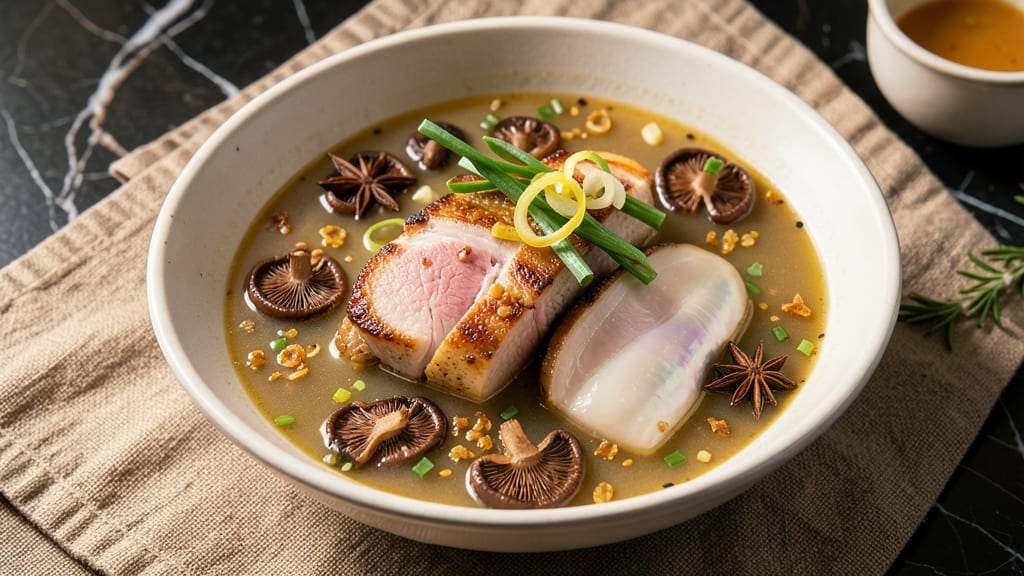
This abalone pork soup recipe delivers the perfect balance of tender seafood and rich meat in every steaming bowl. The secret lies in slow-simmered broth that infuses abalone with delicate sweetness while pork shoulder transforms into melt-in-your-mouth pieces.
I've refined this technique over years of testing, ensuring the soup achieves that luxurious restaurant quality at home with precise timing and ingredient ratios.
The foundation begins with a deep, aromatic broth built from dried shiitake mushrooms, star anise, and ginger—layered flavors that form the soul of the dish. Abalone requires special handling to maintain its tender texture, while pork shoulder benefits from long simmering to develop rich, caramelized depth.
What sets this recipe apart is the harmony between these two proteins, where abalone's natural sweetness complements pork's savory richness without overpowering either.
By the time you ladle this soup into bowls, you'll have achieved a perfect marriage of textures: silky abalone pieces floating above tender pork chunks in a velvety broth. The aroma alone transforms any kitchen into a dining experience, while the first spoonful delivers that restaurant-quality satisfaction.
This is comfort food elevated—substantial enough for a special occasion yet simple enough for weeknight dinners when you crave something truly memorable.
Optional garnishes like scallions and cilantro add freshness, while a drizzle of sesame oil provides that final luxurious touch. The recipe scales beautifully for gatherings, yet remains intimate enough for two. Let's create this luxurious harmony that will become your new signature dish.
Ingredients for abalone pork soup
Sixteen ingredients blending seafood luxury with pork richness for a restaurant-worthy soup.
| Ingredient | Amount | Notes |
|---|---|---|
| Abalone 🐚 | 1 lb | Fresh, whole pieces, cleaned |
| Pork Shoulder 🐖 | 1 ½ lb | Bone-in, cut into 1-inch chunks |
| Dried Shiitake Mushrooms 🍄 | ½ oz | Rehydrated in warm water |
| Star Anise 🌟 | 2 whole | For deep aromatic base |
| Fresh Ginger 🧡 | 2 tbsp | Grated, skin removed |
| Green Onions 🧅 | ½ cup | Sliced, for garnish |
| Cilantro 🌿 | ¼ cup | Chopped, for garnish |
| Sesame Oil 🫒 | 1 tbsp | For finishing touch |
| Low-Sodium Soy Sauce 🍶 | 2 tbsp | For umami depth |
| Shaoxing Wine 🍷 | ½ cup | For authentic flavor |
| Rock Sugar 🍬 | 2 tbsp | Or granulated sugar |
| Cornstarch 🌾 | 1 tbsp | For thickening broth |
| Vegetable Oil 🫒 | 2 tbsp | For searing pork |
| Water 💧 | 6 cups | For simmering broth |
| Fish Sauce 🐟 | 1 tbsp | For umami balance |
The abalone is non-negotiable here—fresh, whole pieces from a trusted seafood market make all the difference. Look for vibrant color and firm texture; avoid any with a fishy odor. Asian grocery stores like H Mart or 99 Ranch often carry high-quality abalone, or order online from specialty suppliers like Seafood.com. Pork shoulder should have good marbling for flavor, and cutting it into even 1-inch chunks ensures consistent cooking. For the shiitake mushrooms, dried varieties concentrate flavor better than fresh—just rehydrate them in warm water for 20 minutes before using.
No star anise? Anise seeds or fennel seeds work in a pinch, but the star-shaped pod adds that signature aroma. Shaoxing wine can be tricky to find, but dry sherry or even a splash of white wine vinegar bridges the gap. Rock sugar is traditional, but brown sugar or coconut sugar keeps the same caramel notes. The fish sauce is essential—Red Boat or Three Crabs brands deliver the best umami without overpowering. For extra richness, add a splash of coconut milk at the end, though traditionalists may prefer to skip it.
Abalone and pork leftovers reheat beautifully—just simmer gently to avoid toughness. Store in airtight containers for up to 3 days in the fridge, or freeze for 3 months without compromising texture. Garnishes like green onions and cilantro should be added fresh just before serving to preserve their brightness. The sesame oil drizzle is optional but worth it—toasted sesame oil adds nutty depth that elevates the dish from good to extraordinary.
Why You'll Love This Recipe
- One-Pot Wonder: I swear by this recipe when I’m too tired to wash a million dishes—just sear the pork shoulder, toss in the abalone and shiitakes, then let it simmer. The star anise and ginger do all the flavor work while I sip tea.
- Umami Bomb: That first spoonful? Rich, briny abalone meets tender pork, with shiitakes adding earthy depth—like a hug in a bowl. Honestly, the star anise makes it smell so good you’ll want to eat it straight from the pot.
- Leftovers That Shine: This soup only gets better the next day (yes, even on Wednesday). Reheat it with a splash of water, and the pork stays juicy while the abalone absorbs all the flavors—perfect for lunchboxes or a quick dinner.
- Budget Luxury Feel: Abalone might sound fancy, but one piece stretches generously, and the pork shoulder keeps it hearty. Between us, I’ve made this for date nights and family dinners—no one ever guesses it’s not takeout.
Step-by-step instructions for abalone pork soup
Here's how to craft a rich, aromatic abalone pork soup where tender meat and delicate seafood unite in perfect harmony.
Sear the Pork Shoulder for Deep Flavor
Heat the 2 tablespoons vegetable oil in a large pot over medium-high heat until shimmering. Add the 1.5 lb pork shoulder in a single layer, pressing down gently to prevent curling. Let it sear undisturbed for 5-6 minutes until a deep golden crust forms on all sides—this creates the foundational flavor for the broth.
Once browned, remove the pork and set aside. In the same pot, add the 2 whole star anise and 2 tablespoons grated fresh ginger. Toast for 30 seconds until fragrant—this activates their aromatic oils before building the soup base. The star anise will infuse the broth with its distinctive licorice note while the ginger adds warmth.
Build the Aromatic Broth
Return the seared pork to the pot and add 6 cups water, 0.5 cup Shaoxing wine, 2 tablespoons rock sugar, and 2 tablespoons low-sodium soy sauce. Bring to a rolling boil, then reduce heat to low and simmer uncovered for 1 hour, skimming off any foam that rises to the surface. This clarifies the broth and removes impurities for a crystal-clear finish.
After 1 hour, check the pork's tenderness by inserting a fork—it should pierce easily. If not, continue simmering for another 30 minutes. The broth should now have a deep amber color and rich, complex aroma from the caramelized pork and aromatic spices. This is where the soup's soul develops.
Prepare the Abalone and Shiitake Mushrooms
While the pork simmers, prepare the abalone by rinsing the 1 lb fresh abalone pieces under cold water and patting them thoroughly dry. In a separate bowl, combine the 0.5 oz rehydrated dried shiitake mushrooms (sliced) with 1 tablespoon fish sauce and 1 tablespoon cornstarch. Toss gently to coat—this ensures the abalone absorbs flavor and the broth thickens slightly at the end.
Add the abalone and shiitake mixture to the simmering broth. Stir gently to submerge, then return to a gentle simmer. Cook for 8-10 minutes until the abalone becomes translucent and tender—it should lift easily from the broth with a fork. Overcooking will make it rubbery, so watch closely during the final minutes.
Finish and Garnish for Balance
Remove the pot from heat and carefully strain the broth through a fine-mesh sieve, pressing gently on the solids to extract maximum flavor. Return the broth to the pot and stir in 1 tablespoon sesame oil—this adds a delicate nutty finish that brightens the rich flavors. Taste and adjust seasoning with additional soy sauce or fish sauce if needed.
To serve, ladle the hot broth into bowls and arrange the pork shoulder (shredded or sliced) and abalone pieces artfully on top. Garnish with 0.5 cup sliced green onions and 0.25 cup chopped cilantro for freshness and visual contrast. The pork should be fork-tender with visible marbling, while the abalone should glisten with a delicate sheen—each bite should balance the hearty pork with the oceanic sweetness of abalone.
Pro Tips For Making Abalone Pork Soup
- Parboil Abalone First: Skip the raw abalone in broth—it turns rubbery. Simmer it for 5 minutes in salted water before adding to the soup; this keeps it tender without overcooking later. (Yes, even if it looks underdone—it’ll finish perfectly.)
- Slice Pork Thinly: Pork shoulder should be cut paper-thin (⅛-inch max) so it melts into the soup, not fights for texture. Use a sharp knife and angle it—this isn’t a steak, it’s a silkier dish. (I used to overlook this and ended up with chewy chunks.)
- Bloom Star Anise Early: Toss the star anise into the dry pot first, heat for 30 seconds until fragrant—this unlocks its flavor before adding liquid. Cold broth dulls spices; warm them up first. (Sounds small, but it makes a real difference.)
- Soak Shiitakes Separately: Rehydrate dried shiitakes in hot water for 10 minutes, then slice before adding to the soup. This prevents them from turning to mush in the broth. (Cold water soaking? Skip it—it’s slower and less flavorful.)
Regional styles of these flavors
Cantonese Style
In Cantonese cuisine, this soup often features a lighter broth with a focus on delicate flavors. I add 1 teaspoon of white pepper during the final simmer to complement the abalone's natural sweetness.
The pork is typically cut into slightly larger chunks (1.5-inch cubes) to hold its shape better in the broth. Garnish with thinly sliced chives instead of cilantro for an authentic touch. Serve with steamed jasmine rice to soak up the rich flavors. 🥢
Fujian Regional
Fujian-style abalone pork soup emphasizes bold, salty flavors with a touch of spice. I incorporate 1-2 slices of fresh ginger and 1 dried red chili into the broth for warmth. The abalone is often marinated in 1 tablespoon Shaoxing wine and 1 teaspoon soy sauce for 30 minutes before cooking.
Top with crispy fried shallots for texture contrast. This version feels heartier and more robust than its Cantonese counterpart. 🌶️
Modern Fusion Twist
For a contemporary take, I blend traditional techniques with modern ingredients. Add ½ cup coconut milk at the end for creaminess, along with 1 tablespoon lime zest to brighten the dish. Swap rock sugar for maple syrup and use fish sauce-infused olive oil instead of sesame oil.
Garnish with toasted coconut flakes for a tropical twist. This version works beautifully as a fusion appetizer or light main course. 🌴
Japanese-Inspired
Japanese abalone pork soup, or "awabi buta nabe," focuses on umami depth and subtle seasoning. I use dashi stock instead of water, along with 1 piece of kombu for the broth base. The pork is marinated in 1 tablespoon mirin and 1 teaspoon sake before cooking.
Serve with steamed rice and pickled ginger on the side. The abalone is often left whole for presentation, cooked just until tender. This version feels lighter and more refined. 🍶
Taiwanese Home-Style
Taiwanese home cooks often make this soup with a slightly sweeter profile. I add 1 tablespoon of honey along with the rock sugar and include 1 small piece of tangerine peel for citrus brightness.
The pork is simmered longer (1.5 hours) for extra tenderness. Garnish with thinly sliced scallions and a sprinkle of black pepper. This version feels comforting and familiar, perfect for family gatherings. 🏡
Nutrition facts
Frequently asked questions
Can I substitute frozen abalone for fresh in this recipe?
Frozen abalone works but requires extra care. Thaw it overnight in the fridge first, then pat completely dry to prevent the broth from turning cloudy. For best texture, use frozen abalone within 3 months of purchase. Fresh abalone always delivers superior tenderness and flavor.
How do I know when the pork shoulder is fully tender?
Use the fork test: pierce the largest pork chunk—it should feel like butter when fully tender. The broth should also release easily from the meat. If it still feels firm after 1.5 hours of simmering, add 1 cup hot water and continue cooking for another 30 minutes.
What if I can't find Shaoxing wine? What's the best substitute?
Dry sherry or a mix of ½ cup white wine vinegar + ½ cup water works best for acidity. For depth, add 1 teaspoon of soy sauce to compensate for the missing umami. Avoid sweet wines—they'll overpower the dish.
Can I make this soup in a slow cooker?
Yes, but with adjustments: sear the pork first, then combine all ingredients except abalone in the slow cooker. Cook on low for 6-7 hours, then add abalone and cook for 30-45 minutes more. The broth may need thinning with water. The texture will be slightly different but still delicious.
Why did my abalone turn rubbery?
Overcooking is the most likely cause. Abalone cooks in just 8-10 minutes—any longer makes it tough. Also ensure you're using fresh, properly cleaned abalone and avoid boiling. Simmer gently to maintain tenderness. If it's already rubbery, try serving it in a stir-fry with a sweet sauce to mask the texture.