
Soups & Stews
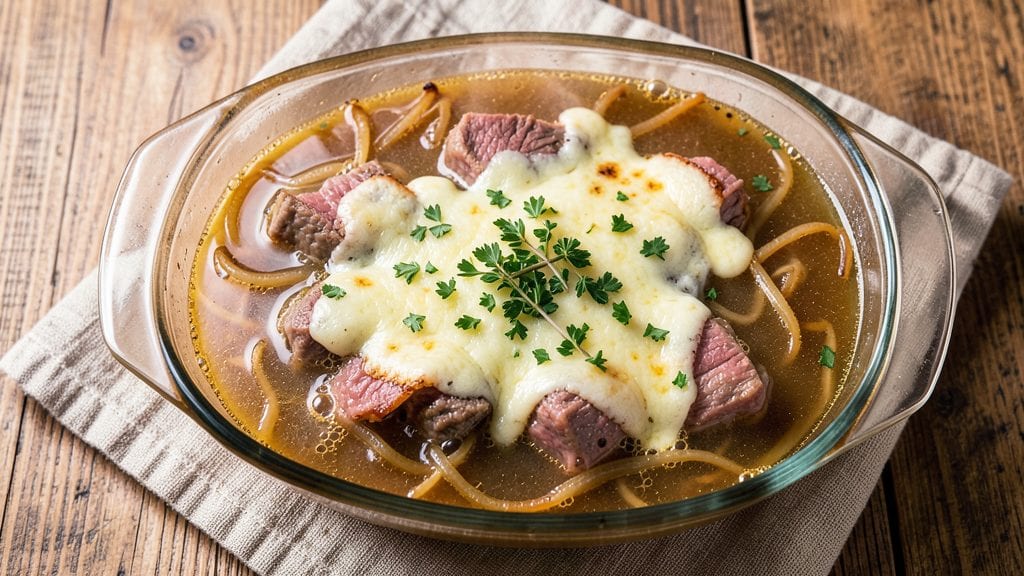
Transforming French onion soup into a pantry staple with this canning recipe ensures you’ll always have restaurant-quality flavor at your fingertips. The secret lies in slow-caramelizing onions until they’re deep amber and sweet, then preserving that rich broth with tender beef and aromatic herbs.
I’ve perfected this method over years of testing, ensuring the final product delivers layers of umami and comfort in every spoonful.
This recipe combines traditional French onion soup techniques with safe canning practices, whether you’re using a water bath or pressure canner. The process requires patience—caramelizing onions for hours to develop their signature depth—but the reward is a soup that tastes like it was simmered fresh.
Sterilized jars and precise processing times guarantee shelf-stable results that stay flavorful for months.
When you open a jar of this soup, you’ll find tender beef, velvety broth, and perfectly caramelized onions that melt into the liquid. Top with toasted bread and melted Gruyère cheese before serving, and you’ve recreated that cozy bistro experience right in your kitchen.
The recipe scales effortlessly, so you can can a small batch for personal use or a larger batch to share with friends.
Perfect for winter meals, holiday gatherings, or emergency pantry stocking, this canned French onion soup brings warmth and depth to any table. Follow the instructions carefully for safe canning, and you’ll have a flavorful staple that’s ready whenever you need it. Let’s get started on preserving this classic dish.
Ingredients for canning french onion soup
Six pounds of onions and a few pantry staples transform into restaurant-quality soup you can can for months.
| Ingredient | Amount | Notes |
|---|---|---|
| Yellow Onions 🧅 | 6 lb | Sweet or yellow, thinly sliced |
| Beef Chuck Roast 🥩 | 3 lb | Cut into 1-inch cubes |
| Beef Broth 💧 | 8 cups | Low-sodium preferred |
| Dry White Wine 🍷 | 1 cup | Sauvignon Blanc or Chardonnay |
| Fresh Thyme 🌿 | 2 sprigs | Or 1 tsp dried thyme |
| Fresh Parsley 🌿 | ¼ cup | Chopped, for garnish |
| Garlic Cloves 🧄 | 6 cloves | Minced, for caramelizing |
| Salt 🧂 | 2 tbsp | Kosher or sea salt |
| Black Peppercorns 🌶️ | 1 tbsp | Coarsely crushed |
| Bouillon Cubes 💧 | 2 whole | Beef, for broth boost |
| Sugar 🍚 | 1 tbsp | Helps caramelization |
| Olive Oil 🫒 | ¼ cup | For sautéing onions |
| Pint Glass Jars 🥫 | 7 whole | With lids, sterilized |
| Gruyère Cheese 🧀 | 2 cups | Shredded, for serving |
| Baguette 🍞 | 1 whole | Sliced, for topping |
The onions are the star—yellow or sweet work best for that deep caramel flavor. Local farmers markets often have bulk deals, or grab a 6-pound bag from Costco if you're doing a big batch. Thinly slice them (about 1/8-inch thick) and soak in cold water for 30 minutes to remove sharpness. The beef? Chuck roast is key—it stays tender after canning. Cut into 1-inch cubes, and pat dry. For the wine, Sauvignon Blanc or Chardonnay adds brightness, but dry white vermouth works too if you're in a pinch.
No white wine? Extra beef broth plus a splash of apple cider vinegar mimics the acidity. Fresh thyme is ideal, but dried works at one-third the amount. If you're using bouillon cubes, Knorr or Maggi are reliable. For the jars, Ball or Kerr are canning standards—sterilize them in boiling water for 10 minutes. The Gruyère? Pre-shredded is fine, but freshly grated melts better. The baguette can be any crusty bread—French, Italian, or even sourdough—just toast it before serving.
This soup keeps for 12-18 months in a cool, dark pantry. Once opened, refrigerate and use within 5-7 days. The cheese and bread topping are best added fresh—toast the bread and grate the cheese right before serving. For extra flavor, add a pinch of nutmeg or cayenne to the jars before sealing. And trust me, the first jar you open will taste like it was just simmered—that caramelized onion magic is worth the wait.
Why You'll Love This Recipe
- One-Pot Magic: I swear by this recipe when I’m too tired to dirty multiple pans. The onions caramelize right in the same pot where the beef slow-cooks—no chopping boards or extra bowls in sight. Just slice, sear, and let it simmer while you handle the rest of dinner.
- Deep Umami Bomb: That beef chuck roast? It turns melt-in-your-mouth tender, and the white wine cuts through the richness like a secret weapon. The thyme adds this earthy warmth that makes every spoonful feel like a hug—especially when the broth reduces into a glossy, savory sauce.
- Leftovers That Don’t Suck: Honestly, I make this on Sundays just so I can reheat it all week. The flavors actually get better the next day—more concentrated, deeper. Pop it in a thermos for lunch or toss it over toast for a lazy evening. No sad, watery leftovers here.
- Budget-Friendly Luxury: You’re using affordable cuts (hello, chuck roast) and pantry staples, but it tastes like a fancy bistro dish. Between us, this is how I trick my guests into thinking I’m a pro—rich, hearty, and way cheaper than takeout. Plus, the wine adds just enough sophistication without breaking the bank.
Step-by-step instructions for canning French onion soup
Here's how to transform slow-cooked onions into perfectly preserved soup with rich, melty cheese.
Caramelize Onions Until Deep Brown
In a large Dutch oven, heat the 0.25 cup olive oil over medium-low heat. Add the 6 lb yellow onions, sliced thinly, and sprinkle with 1 tablespoon of the 2 tbsp salt. Stir to coat evenly and spread the onions in a single layer. This prevents steaming and ensures proper caramelization.
Cook for 45 minutes, stirring occasionally, until the onions turn golden brown. After 30 minutes, add the 1 tbsp sugar to help deepen the caramelization. You'll know they're ready when the onions release easily from the bottom and have a rich, sweet aroma. This slow process develops the complex flavors that make French onion soup unforgettable.
Build the Broth with Wine and Aromatics
Add the 3 lb beef chuck roast cut into 1-inch cubes to the Dutch oven. Cook for 5 minutes to lightly brown the meat, then remove and set aside. In the same pot, add the 6 cloves minced garlic and cook for 30 seconds until fragrant. Pour in the 1 cup dry white wine and scrape up any browned bits from the bottom.
Return the beef to the pot, then add the 8 cups beef broth and 2 whole bouillon cubes. Stir in the 2 sprigs fresh thyme and bring to a simmer. Cover and cook for 2 hours on low heat, stirring occasionally. The broth should reduce slightly and develop a rich, meaty flavor. This long cooking time ensures the beef becomes tender and the broth develops depth.
Prepare and Fill Sterilized Jars
While the soup simmers, sterilize the 7 whole pint glass jars and lids by boiling them in water for 10 minutes. Fill each jar with the caramelized onions and beef mixture, leaving 1-inch headspace at the top. Use a ladle to carefully layer the onions and broth, ensuring each jar gets an equal distribution.
Real talk: Make sure you don't overfill the jars. The liquid will expand during processing, and you don't want to end up with exploded jars in your pressure canner. The 1-inch headspace gives the soup room to expand safely while preserving all those beautiful caramelized flavors.
Process Jars for Perfect Preservation
Place the filled jars in a pressure canner and process according to your altitude guidelines. For most locations, this means processing pint jars at 10 pounds of pressure for 75 minutes. The pressure ensures the soup is safely preserved while maintaining its rich texture and flavor.
After processing, remove the jars and let them cool completely on a towel-lined surface. The cooling process creates a vacuum seal. You'll hear the satisfying "ping" as the lids seal. This is your confirmation that the soup is properly preserved and ready to enjoy later. Store in a cool, dark place for up to 1 year.
Assemble and Serve with Fresh Toppings
When ready to serve, open a jar and ladle the soup into bowls. Top each serving with a generous layer of the 2 cups shredded Gruyère cheese and toasted slices from the 1 whole baguette. Broil in the oven for 3-5 minutes until the cheese is bubbly and golden brown.
Here's the thing—this is where the magic happens. The contrast of the warm, melty cheese against the rich, caramelized onions creates an experience that's pure comfort. Serve immediately while the cheese is still bubbly and the bread is crisp. Each bite should deliver that perfect balance of sweet, savory, and umami flavors.
Pro Tips For Making Canning French Onion Soup
- Sear the Chuck Hard: Don’t treat this like a quick weeknight stew—get that beef chuck deep brown in a hot pan before deglazing. I used to rush it, and the soup tasted flat; now I let it sit 3-4 minutes per side until it’s almost black in spots. That’s where the depth comes from.
- Sweat, Don’t Burn: Those onions need gentle love—low heat, covered, and stirred occasionally for 20-25 minutes until they’re soft and golden, not crispy. I learned this the hard way when I cranked the heat and ended up with bitter, caramelized bits instead of sweet, jammy onions. Patience here makes all the difference.
- Wine First, Broth Second: Pour in that white wine before adding broth—let it reduce by half (about 3-4 minutes) to concentrate the flavor. I was skeptical until I tried it; now I skip the broth first step entirely. The wine’s acidity cuts through the richness, and you’ll taste it in every spoonful.
- Thyme Bundles, Not Crumbles: Tie thyme sprigs in cheesecloth (or a tea bag hack) and drop them in the broth early. Whole sprigs infuse better, and you avoid bitter stems in your soup. I used to chop stems fine, and the flavor was always muted—this keeps it bright and aromatic without the texture issues.
Creative variations of this canning french onion soup
Winter Comfort Twist
Add a splash of ½ cup apple cider when deglazing the pot after browning the beef. The natural sweetness complements the caramelized onions beautifully, while a pinch of ground cinnamon (¼ tsp) adds warmth. I’ve found this works especially well when serving during holiday seasons—it feels cozy and festive. 🌟
Vegetarian Adaptation
Swap the beef for 2 cups dried lentils or 1 lb mushrooms (cremini or portobello) for a hearty vegetarian version. Sauté the mushrooms with the onions for 10 minutes until golden, then proceed with the wine and broth.
The umami in mushrooms mimics the beef’s depth perfectly. Use vegetable broth and add a 1 tbsp soy sauce for extra savory notes.
Spicy Kick Option
For heat lovers, stir in 1 tbsp hot sauce (like Tabasco) or ½ tsp cayenne pepper during the final 30 minutes of simmering. The heat pairs wonderfully with the sweet caramelized onions.
I also like adding ½ cup diced jalapeños to the jars before sealing—just be sure to adjust the processing time slightly if using fresh peppers (consult your canning guide).
Herb Variations
Experiment with different herbs to change the flavor profile. Swap thyme for 1 sprig rosemary and 1 sprig bay leaf for a more Mediterranean twist. Alternatively, add 1 tsp smoked paprika when browning the onions for a subtle smokiness.
Fresh herbs like tarragon or chervil can also elevate the dish if you’re feeling adventurous.
Cheese Swaps
Gruyère is classic, but don’t be afraid to experiment. Try Comté for a nuttier flavor or Emmental for a milder, sweeter option. For a dairy-free alternative, sprinkle with nutritional yeast and a pinch of turmeric before broiling to mimic the cheesy melt.
The key is toasting the bread first—it adds texture that balances any cheese variation.
Regional Twists
In New Orleans-style, add 1 tsp Cajun seasoning and a pinch of filé powder (made from ground sassafras leaves) to the jars. For a French bistro touch, finish each bowl with a drizzle of truffle oil and a sprinkle of fresh chives.
In Northern Italy, swap the Gruyère for Parmigiano-Reggiano and add a splash of white wine vinegar to brighten the flavors.
Nutrition facts
Frequently asked questions
Can I use a water bath instead of pressure canning for this recipe?
No, this recipe requires pressure canning due to the meat content. Water bath canning is only safe for acidic foods like tomatoes or pickles. The 10 pounds pressure for 75 minutes ensures the beef and onions are properly sterilized. Always follow USDA guidelines for meat-based canned foods.
How do I know if my caramelized onions are ready?
Perfectly caramelized onions should be deep amber with a sweet, rich aroma. They'll release easily from the pan and have a jam-like consistency. This takes 45-60 minutes on medium-low heat. If they stick too much, reduce heat slightly and keep stirring gently.
What's the best way to reheat canned French onion soup?
Gently reheat on the stove over medium-low heat until warmed through (5-7 minutes). Never microwave directly from the jar as it can create hot spots. For best texture, add a splash of water or broth if the soup seems too thick after reheating.
Can I adjust the wine amount in this recipe?
Yes, but keep it at least ½ cup to maintain acidity and depth. Replace with equal parts apple cider vinegar plus extra broth if avoiding alcohol. The wine deglazes the pan and balances the sweetness of the caramelized onions. For a non-alcoholic version, use white grape juice with 1 tsp lemon juice.
Why did my canned soup turn out too watery?
This usually happens from overfilling jars or insufficient processing time. Always leave 1-inch headspace and process for the full recommended time. If opening a jar reveals watery soup, try reducing the broth by 1 cup next time or simmer uncovered for 10 minutes before canning to concentrate flavors.