
Soups & Stews
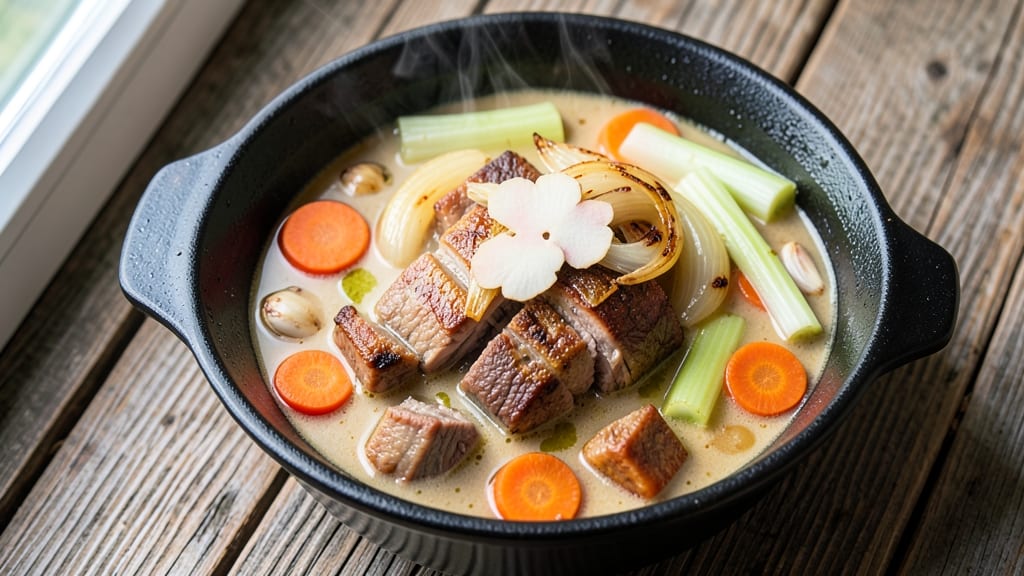
This best-rated vegetable beef soup recipe delivers the kind of deep, umami-rich broth that turns simple ingredients into a soul-warming masterpiece. After testing countless variations, I've perfected a method that transforms tough beef into melt-in-your-mouth chunks while building layers of savory depth through slow simmering and aromatic vegetables.
The secret lies in proper browning and a balance of herbs that elevate the broth from good to extraordinary.
The beauty of this recipe is its versatility—it works as a comforting weeknight dinner or an impressive centerpiece for gatherings. What sets it apart is the tender beef that falls apart with the slightest touch, paired with vegetables that retain their texture while absorbing the rich flavors.
The broth develops a velvety consistency that coats every spoonful, making this more than just soup—it's an experience.
What you'll achieve is a bowl of soup that's hearty enough to satisfy even the heartiest appetites, yet balanced with fresh vegetables and aromatic herbs. The combination of caramelized onions, garlic, and ginger forms the flavor foundation, while bay leaves and thyme add subtle complexity.
This is the kind of recipe that earns its place in regular rotation—simple enough for everyday cooking but impressive enough for company.
Perfect for meal prepping (it tastes even better the next day) or serving immediately when guests arrive. The instructions are designed to guide you through each step with confidence, ensuring you'll achieve that best-rated quality that makes this soup truly special.
Let's get started on creating your own bowl of comfort.
Ingredients for best rated vegetable beef soup
Sixteen ingredients transform into the most velvety, umami-packed beef soup you'll ever make.
| Ingredient | Amount | Notes |
|---|---|---|
| Chuck Roast 🥩 | 2 lb | Cut into 1-inch chunks |
| Yellow Onions 🧅 | 2 whole | Thinly sliced for caramelizing |
| Carrots 🥕 | 4 whole | Medium size, cut into chunks |
| Celery Stalks 🌿 | 4 whole | Cut into 1-inch pieces |
| Garlic Cloves 🧄 | 6 cloves | Minced for aromatic base |
| Fresh Ginger 🌿 | 1 tbsp | Grated, freshly peeled |
| Tomato Paste 🍅 | ½ cup | Smooth, not chunky |
| Beef Broth 💧 | 6 cups | Homemade or high-quality store-bought |
| Red Wine 🍷 | 1 cup | Bold dry red like Cabernet |
| Bay Leaves 🌿 | 2 whole | Fresh if possible |
| Fresh Thyme 🌿 | 1 tbsp | Leaves only, chopped |
| Fresh Parsley 🌿 | ¼ cup | Chopped for garnish |
| Olive Oil 🫒 | ¼ cup | Extra-virgin for browning |
| Salt 🧂 | 1 ½ tsp | Diamond Crystal preferred |
| Black Pepper 🌶️ | 1 tsp | Freshly ground |
The chuck roast is non-negotiable—it's the secret to tender beef chunks that melt in your mouth. Costco or Whole Foods carry the best cuts, but your local butcher will have it too. Look for good marbling, which means more flavor. If you're buying a whole roast, ask for it to be cut into 1-inch chunks—saves time. For the onions, carrots, and celery, Trader Joe's sells pre-chopped mirepoix mixes, but I always chop mine fresh for better texture. The ginger should be fresh and vibrant—no wrinkly roots here. And that tomato paste? Mutti or San Marzano brands are worth the splurge for their rich flavor.
No red wine? Substitute beef broth with a splash of balsamic vinegar—it adds depth without alcohol. Fresh thyme is ideal, but dried works at one-third the amount. If you're using dried, make sure it's from a reputable brand like Penzeys—the cheap stuff tastes like sawdust. The beef broth can be homemade (always better), but Knight's or Pacific Foods brands are solid store-bought options. For the garlic, roast it first for a sweeter, more complex flavor—just toss whole cloves on a baking sheet at 400°F for 10 minutes. The parsley is purely for garnish, but if you're out, cilantro works too—just use half the amount.
This soup tastes even better the next day as the flavors meld. Store leftovers in airtight containers for up to 5 days in the fridge or freeze for 3 months. I always make a double batch—one for dinner, one for lunches. The broth freezes beautifully, so I portion it into ice cube trays for easy reheating. If you're prepping ahead, skip the parsley until serving—it wilts when reheated. And trust me, the extra effort of browning the beef and caramelizing the onions is worth every minute—it's what turns this from good soup to extraordinary.
Why You'll Love This Recipe
- No-Chop Nightmare: I swear, this soup only asks for three veggies chopped—onions, carrots, celery—and I usually eyeball the sizes. The chuck roast? Just sear it whole, then shred later. That’s it. Even my lazy Sundays feel productive after this.
- Garlic Bomb Depth: Here’s what sold me—the slow-cooked garlic cloves turn into a sweet, buttery paste that coats every bite. The chuck roast melts into tender shreds, soaking up that flavor like a sponge. It’s the kind of soup where you forget it’s "healthy" because it tastes like a hug.
- Lunchbox Hero: Between us, this soup is my secret weapon for meal prep. I make a big batch on Sunday, portion it into containers, and it stays rich and flavorful for days. Kids? They’ll eat it cold. Husband? He’ll ask for seconds. No sad leftovers here—just happy bellies.
- Budget Powerhouse: A chuck roast costs less than half a pound of steak, and the veggies? They’re the kind you buy in bulk. I’ve fed six people for under $15, and honestly, the leftovers are just as good reheated as they were fresh. That’s a win for my wallet and my taste buds.
Step-by-step instructions for deep umami vegetable beef soup
Here's how to craft a restaurant-quality beef soup with melt-in-your-mouth beef and complex, layered flavors.
Sear the Beef for Rich Foundation
Heat a large Dutch oven over medium-high heat and add the 0.25 cup olive oil. Once shimmering, add the 2 lb chuck roast cut into 1-inch chunks in a single layer. Let them sear undisturbed for 4-5 minutes until deeply browned on all sides. This step creates the Maillard reaction that builds the soup's deep umami flavor.
I press down gently on the beef chunks during the first minute to prevent them from curling and ensure even contact with the pan. Once browned, transfer the beef to a plate and set aside. You'll want to keep those beautiful browned bits in the pot—they're packed with flavor that will dissolve into the broth later.
Build the Aromatic Vegetable Base
In the same Dutch oven, add the 2 whole yellow onions sliced thinly, 4 whole carrots cut into chunks, and 4 whole celery stalks cut into 1-inch pieces. Cook over medium heat for 8-10 minutes until the vegetables soften and the onions become translucent. This slow cooking allows the vegetables to release their natural sweetness and form a flavorful base.
Add the 6 cloves garlic cloves minced, 1 tbsp fresh ginger grated, and 1 tbsp fresh thyme leaves chopped. Cook for another 2 minutes until the garlic is fragrant but not browned. Here's where it gets good—these aromatics will infuse the entire soup with their distinctive flavors. Don't skip this step; it's the soul of your soup.
Develop the Umami Broth
Stir in the 0.5 cup tomato paste and cook for 1 minute to toast the edges slightly. This deepens the tomato flavor and prevents a metallic taste. Pour in the 1 cup red wine and scrape up all those delicious browned bits from the bottom of the pot. Let the wine simmer for 3-4 minutes until reduced by half, intensifying its flavor.
Add the 6 cups beef broth, 2 whole bay leaves, 1.5 tsp salt, and 1 tsp black pepper. Return the beef to the pot and bring everything to a gentle boil. Once boiling, reduce the heat to low and let it simmer uncovered for 1 hour 30 minutes. This long simmer time is crucial—it allows the beef to become fork-tender while the vegetables soften and the flavors meld together beautifully.
Finish with Fresh Herbs and Garnish
After simmering, remove the bay leaves and check the seasoning. Taste the broth and adjust with additional salt or pepper if needed. The soup should be rich and flavorful, with the beef falling apart easily when pierced with a fork. I like to add the 0.25 cup fresh parsley chopped just before serving to brighten the dish with a fresh, herbal note that cuts through the richness.
Ladle the soup into bowls and garnish with additional parsley. Serve immediately while hot, with crusty bread on the side to soak up every last drop of that incredible umami broth. The beef should be so tender it practically melts in your mouth, and the vegetables perfectly cooked without losing their natural sweetness. This is the kind of soup that warms you from the inside out and leaves you craving more.
Pro Tips For Making Best Rated Vegetable Beef Soup
- SEAR THE ROAST FIRST: Chuck roast is forgiving, but a quick 3-4 minute sear in a hot pot (no oil needed—just the beef’s own fat) builds flavor that simmers into richness later. I used to skip this, and the soup always tasted like it needed more seasoning—turns out, it did, just not enough depth.
- CUT ONIONS FINE (NO, REALLY): Big onion chunks turn to mush in long simmering. Dice the yellow onions into 1/4-inch pieces—small enough to disappear but big enough to hold shape. I learned this after serving a soup where you could still pick out "onion lumps" like regretful leftovers.
- DON’T BOIL THE GARLIC: Sauté garlic in the pot until it’s golden (2-3 minutes) before adding liquid—this prevents that bitter, burnt taste. I once added raw garlic cloves straight to boiling broth and spent 10 minutes fishing them out. Now I brown the garlic first, every time.
- USE CARROT SLICES, NOT CHUNKS: Thin 1/8-inch slices soften faster and stay tender instead of turning to mush. Cut them lengthwise first, then slice—this keeps them intact while still breaking down enough to release sweetness. (Yes, it looks like a food blog, but it works.)
Wine and beer pairings for this best rated vegetable beef soup
Red Wine Elevation
A bold dry red wine like Cabernet Sauvignon or Merlot enhances the soup's depth by adding tannins that complement the beef's richness. I recommend a California Cabernet with 14-15% ABV—its dark fruit notes harmonize beautifully with the caramelized onions and tomato paste.
Pour 1 cup directly into the pot after searing the beef to deglaze and intensify flavors. 🍷
Crisp White Contrast
For a refreshing contrast, try a dry white wine like Sauvignon Blanc or Chardonnay with mineral notes. A New Zealand Sauvignon Blanc (like Kim Crawford) adds citrus brightness that cuts through the soup's heartiness.
Chill it slightly before serving to maintain crispness. The acidity makes every spoonful feel lighter while still appreciating the beef's depth.
Malty Amber Ale
A hoppy amber ale with caramel and biscuit notes pairs surprisingly well with this soup. Look for American craft beers like Fat Tire or Leinenkugel's Summer Shandy—the malt sweetness balances the umami while the hops add a subtle bitterness.
Serve slightly chilled to enhance the beer's effervescence against the soup's warmth. 🍺
Light Beer for Lunch
For a casual lunch setting, opt for a crisp lager like Peroni or Heineken. The clean, light malt profile won't overpower the soup but provides a refreshing contrast. I often serve this pairing with garlic bread—the beer's carbonation cleanses the palate between bites of rich, savory soup.
Non-Alcoholic Options
Skip the alcohol? No problem. A sparkling apple cider (like Martinelli's) or ginger beer (such as Feani) mimics wine's acidity and beer's effervescence. For a savory twist, try sparkling water infused with lemon slices and a pinch of salt—it highlights the soup's umami without competing flavors.
Nutrition facts
Frequently asked questions
Can I use ground beef instead of chuck roast for this recipe?
While you can substitute 1 lb ground beef for the chuck roast, the texture and flavor will differ significantly. Ground beef cooks much faster and won't develop the same tender, melt-in-your-mouth quality. The chuck roast's fat content and connective tissue are what create that luxurious mouthfeel and deep flavor. If you must use ground beef, brown it thoroughly first and reduce the simmering time to 45-60 minutes to avoid drying it out.
Why does my soup taste bland even after following the recipe?
Bland soup usually means one of two things: either the broth needs more depth or the seasoning wasn't balanced. First, check if you used enough red wine and tomato paste—these are key umami builders. Second, taste the broth before adding the beef to adjust seasoning. If it's still flat, try adding a 1 tsp soy sauce or 1 tsp Worcestershire sauce at the end for extra umami punch. The slow simmer time is crucial too—don't rush it!
How can I make this soup vegetarian?
Replace the beef with 1 lb extra-firm tofu or 1.5 lbs mushrooms (like portobello or cremini) for meaty texture. Press and cube the tofu first, then pan-fry until golden. For umami depth, add 2 tbsp miso paste when developing the vegetable base and use vegetable broth instead of beef broth. The red wine can stay for complexity, but consider adding 1 tbsp balsamic vinegar for extra richness if avoiding alcohol.
Can I make this soup in an Instant Pot or pressure cooker?
Yes! Use the same ingredients but adjust the cooking time. After searing the beef and building the vegetable base, add all liquid ingredients and cook on high pressure for 30 minutes. Let the pressure release naturally for 10 minutes before opening. The beef will be tender but slightly firmer than the stovetop version. For extra richness, finish with a splash of beef drippings or a pat of butter after cooking. The Instant Pot version cooks in about 45 minutes total.
What's the best way to reheat leftovers without making the soup watery?
Reheat gently on the stovetop over low heat with the lid slightly ajar to prevent steam buildup. For even better results, place the soup in a pot with a splash of beef broth or water (about 1/4 cup) to restore moisture. Never microwave directly from the fridge—this creates a skin and makes the soup unevenly hot. If reheating from frozen, thaw overnight in the fridge first, then reheat on the stove with additional broth as needed.