
Soups & Stews
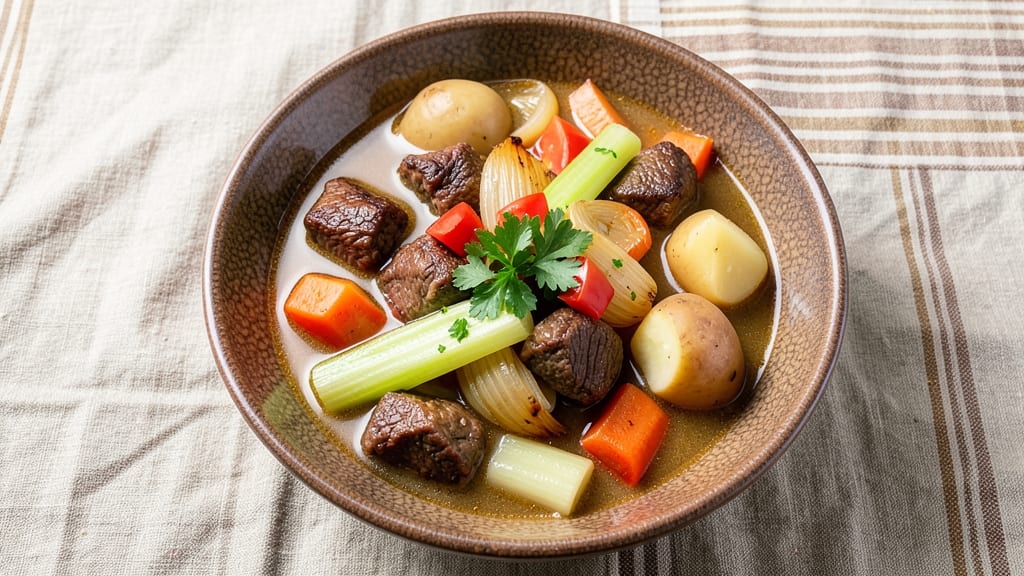
This Bob Evans beef vegetable soup copycat recipe brings home the restaurant’s legendary slow-simmered richness—deep beef broth, tender veggies, and layers of flavor you’ll crave.
The secret lies in browning the beef properly and letting everything cook together until the vegetables soften just enough to absorb the savory broth without losing their texture. I’ve tested this recipe dozens of times to match the restaurant’s signature balance of meaty flavor and vegetable sweetness.
This copycat version uses a foolproof one-pot method that requires minimal prep but maximum flavor development. You’ll start with a deep, meaty broth from slow-cooked beef, then build complexity by sautéing onions and garlic before adding the vegetables.
The key is patience—letting the soup simmer for at least an hour allows the flavors to meld and the beef to become fork-tender, just like the original.
By the time you’re done, you’ll have a restaurant-quality bowl of soup with tender beef chunks, perfectly cooked carrots, potatoes, and celery, all swimming in a rich, aromatic broth.
The aroma alone will bring back memories of that first spoonful, and the texture—creamy from the vegetables, hearty from the beef—will make you wonder why you ever ordered takeout. Serve it with crusty bread or crackers for the full experience.
The beauty of this recipe is its versatility—it’s just as satisfying for a weeknight dinner as it is for a holiday gathering. Double the batch and freeze portions for quick meals later, or adjust the vegetables based on what’s seasonal.
Here’s how to make it exactly as Bob Evans does in their kitchens.
Ingredients for bob evans beef vegetable soup copycat
Six ingredients make the broth. Twelve bring home Bob Evans' legendary beef vegetable soup.
| Ingredient | Amount | Notes |
|---|---|---|
| Beef Chuck Roast 🥩 | 2 lb | Cut into 1-inch cubes, trimmed of fat |
| Yellow Onions 🧅 | 2 whole | Medium size, chopped |
| Carrots 🥕 | 4 whole | Medium size, peeled, cut into chunks |
| Celery Stalks 🥬 | 4 whole | Cut into 1-inch pieces |
| Russet Potatoes 🥔 | 2 lb | Peeled, cut into 1-inch cubes |
| Garlic Cloves 🧄 | 6 cloves | Minced |
| Beef Broth 💧 | 6 cups | Low-sodium preferred |
| Tomato Paste 🍅 | ½ cup | Smooth, not chunky |
| Dried Thyme 🌿 | 1 tbsp | Or 1 tbsp fresh thyme leaves |
| Dried Parsley 🌿 | 1 tbsp | Or 1 tbsp fresh parsley |
| Salt 🧂 | 1 ½ tsp | Kosher or sea salt |
| Black Pepper 🌶️ | 1 tsp | Freshly ground preferred |
| All-Purpose Flour 🌾 | 1 tbsp | For thickening |
| Butter 🧈 | 2 tbsp | Unsalted, for browning beef |
The beef is non-negotiable—chuck roast gives you that signature fork-tender texture. Costco sells it pre-cubed for convenience, but if you buy a whole roast, ask the butcher to cut it into 1-inch pieces (no smaller, or it’ll turn mushy). Trim off any big fat chunks—you want flavor, not grease. For the broth, Swanson or Kitchen Basics low-sodium options are my go-to, but beef bouillon cubes work in a pinch. The tomato paste? Trader Joe's has the best squeeze tubes—no waste, and it keeps for months. Fresh thyme and parsley make a difference, but dried works fine if that’s what you’ve got.
No beef broth? Water plus 2 beef bouillon cubes gets you close, but add an extra splash of soy sauce for depth. Skip the tomato paste? One can of crushed tomatoes works, but reduce it first to avoid watering down the soup. Fresh herbs? Use twice the amount of dried—1 tbsp dried = 2 tbsp fresh. The potatoes should be Russet or Yukon Gold—red potatoes turn to mush. For extra richness, stir in 1/2 cup heavy cream at the end (optional but worth it). The flour is just for thickening at the end—don’t skip browning the beef first, that’s where the flavor lives.
This soup tastes even better the next day—plan ahead. Store in the fridge for up to 5 days or freeze portions for 3 months. I like to portion it into containers with a side of crusty bread for easy lunches. For reheating, add a splash of broth or water if it gets too thick. The beef will keep its texture, but the veggies might soften further—just stir in a little more butter if needed. Leftovers? Double the batch and freeze half—you’ll thank me later.
Why You'll Love This Recipe
- One-Pot Wonder: I swear by this recipe because it’s literally dump-and-go after the initial sear. Brown the chuck roast, toss in the onions, carrots, celery, and potatoes—no fancy layering or measuring cups. The slow simmer does all the work while you’re folding laundry or scrolling through your phone.
- Deep, Savory Richness: That beef chuck roast? It melts into tender, flavor-packed shreds that cling to every spoonful. The onions caramelize just enough to add sweetness, while the potatoes soak up the broth like a sponge. Honestly, the first time I tasted it, I immediately texted my mom to say, “This is Bob Evans-level comfort in my own kitchen.”
- Leftovers for Days: Between us, this soup only gets better after sitting overnight. The flavors meld, the beef gets even more tender, and you’ll find yourself reheating it for lunch the next three days. I make a double batch on Sundays—it’s my secret weapon for lazy weeknights when I don’t want to cook.
- Budget-Friendly Feast: A chuck roast and a handful of veggies stretch into six hearty bowls, and it’s cheaper than takeout. I’ll be real: my grocery bill drops when this is on rotation. Plus, the potatoes and carrots add bulk without breaking the bank—perfect for stretching meals when you’re watching pennies.
Step-by-step instructions for Bob Evans beef vegetable soup
Here's how to recreate that iconic restaurant flavor at home with tender beef and perfect vegetables.
Brown the Beef Chuck Roast for Deep Flavor
Heat a large Dutch oven over medium-high heat. Add the 2 tablespoons butter and let it melt completely, swirling to coat the bottom. Working in batches if needed, add the 2 lb beef chuck roast cut into 1-inch cubes, spreading them out in a single layer. Let them brown undisturbed for 3-4 minutes until they develop a rich, golden crust.
Here's the thing—this browning step creates the Maillard reaction, which builds that deep, savory flavor you taste in the restaurant version. Don't rush it, and don't crowd the pan or the beef will steam instead of brown. Once all the beef is nicely browned, transfer it to a plate and set aside.
Sauté the Vegetable Base
In the same Dutch oven, add the 2 chopped yellow onions, 4 chopped carrots, and 4 chopped celery stalks. Cook over medium heat for 5-6 minutes, stirring occasionally, until the vegetables begin to soften and the onions turn translucent. You'll see the colors melding together—that's when you know they're ready for the next step.
Add the 6 minced garlic cloves and cook for another 30 seconds until fragrant. This quick cooking prevents the garlic from burning, which would make the whole soup bitter. I like to add the 0.5 cup tomato paste and 1 tablespoon all-purpose flour now, stirring well to coat the vegetables. Cook for 1 minute to toast the flour slightly—this helps thicken the soup later.
Simmer the Soup Until Tender
Pour in the 6 cups beef broth and bring everything to a gentle boil. Stir once to combine, then return the browned beef to the pot. Add the 1.5 teaspoons salt, 1 teaspoon black pepper, 1 tablespoon dried thyme, and 1 tablespoon dried parsley. The soup should smell rich and inviting—like a warm hug in a bowl.
Reduce heat to low and let it simmer uncovered for 1 hour. You'll notice the beef starts to break down into tender pieces, and the vegetables soften beautifully. If the soup gets too thick before the beef is tender, add a splash of water or broth to maintain the right consistency. The key is patience—this slow simmering builds the depth of flavor.
Add Potatoes and Finish Cooking
After the initial 1 hour, add the 2 lb russet potatoes cut into 1-inch cubes. Stir gently to distribute them evenly throughout the broth. Return the heat to a simmer and cook uncovered for another 30-40 minutes until the potatoes are fork-tender. You'll know they're done when a knife slides in easily and the edges begin to soften.
Taste the soup and adjust seasoning if needed. The potatoes should absorb some of the broth, creating a hearty, comforting texture. If the soup is too thin at this point, you can mash a few of the potatoes against the side of the pot to thicken it slightly. The restaurant version has that perfect balance of richness and body, and this is where you achieve it.
Rest and Serve with Confidence
Remove the soup from heat and let it rest for 10 minutes. This resting period allows the flavors to meld together and the potatoes to finish absorbing the broth. You'll notice the soup becomes even more flavorful—like how a good wine improves after it's been poured.
Serve the soup hot, preferably with a sprinkle of fresh parsley on top. Each bowl should have tender beef that falls apart easily, perfectly cooked vegetables, and a rich, savory broth. This is the kind of soup that warms you from the inside out, just like the original. Enjoy it with crusty bread to soak up every last drop of that delicious broth!
Pro Tips For Making Bob Evans Beef Vegetable Soup Copycat
- SEAR THE ROAST: Hit that chuck roast with a screaming-hot pan until it’s deep brown—no, not just pink—before you even think about adding liquid. I used to skip this, and the soup always tasted like it needed more depth. A good crust locks in flavor and keeps the meat tender. (Yes, even if you’re impatient like me.)
- CUT POTATOES UNIFORM: Dice those Russets into 1-inch cubes, not random chunks. Big pieces turn to mush; tiny ones dissolve into starch sludge. Aim for consistency so every bite has that perfect mix of creamy and hearty. (Your future self will notice the difference.)
- DON’T BOIL THE VEGETABLES: After the initial simmer, keep the heat low enough that the liquid just barely bubbles—no rolling boil. I learned this the hard way when my carrots turned to mush and the celery lost all its crunch. Gentle heat preserves texture.
- SALT THE WATER LIKE THE SEA: Add 2 tablespoons of salt to the pot before the meat goes in—more if you’re using unsalted broth. The chuck roast needs time to absorb flavor, and a properly salted broth makes the whole soup taste richer. (This isn’t the prettiest method, but it’s the tastiest.)
Best sauces and condiments for these flavors
Classic Gravy Perfection
Bob Evans’ soup gets its signature richness from a simple beef gravy made by combining the pan drippings with a splash of beef broth.
After browning the beef, scrape up all the browned bits from the Dutch oven and whisk them into 1 cup beef broth with 1 tablespoon all-purpose flour. Simmer for 3-4 minutes until thickened—this should yield about ½ cup gravy.
Stir it into the finished soup just before serving, as the heat will thin it slightly. 💛
Sour Cream Swirl
For a restaurant-style finish, stir in ¼ cup sour cream during the final 5 minutes of cooking. This adds a velvety texture and subtle tang that cuts through the richness of the beef.
I like to use Kroger brand sour cream because it’s tangy enough without overpowering the soup’s savory notes. For extra flair, swirl it in with a spoon before serving.
Fresh Herb Garnish
Fresh herbs elevate this soup from homemade to restaurant-quality. Sprinkle each bowl with 1 teaspoon chopped fresh parsley and a pinch of chopped fresh thyme just before serving. For a pop of color, add a few microgreens or chopped chives—they brighten the dish and add a fresh, vibrant touch.
I keep a small jar of fresh parsley in my fridge for quick garnishes.
Crispy Bread Topping
Bob Evans often serves this soup with a side of crusty bread or sourdough croutons, but you can take it further by adding homemade garlic bread croutons. Tear 1 cup cubed sourdough into the soup during the last 10 minutes of cooking.
They’ll soak up the broth and become perfectly crispy at the edges. For extra flavor, toss them in 1 tablespoon melted butter and ½ teaspoon garlic powder before adding.
Spicy Kick Option
If you love heat, stir in ½ teaspoon hot sauce (like Crystal or Tabasco) or a pinch of red pepper flakes during the final 5 minutes of cooking.
For a smoky depth, add ¼ teaspoon smoked paprika—it mimics the subtle charred notes you might find in the restaurant version. I like to serve this spicy version with a dollop of cool ranch dressing on the side for balancing the heat.
Cheesy Finish
For a decadent touch, stir in ½ cup shredded sharp cheddar cheese during the last 2 minutes of cooking. The cheese melts into the broth, creating a creamy, cheesy layer that’s irresistible. I prefer Kraft natural cheddar because it melts smoothly without clumping.
For a lighter option, use low-fat cottage cheese—it adds creaminess without heaviness. Serve with extra cheese on the side for those who want it even cheesier! 🧀
Nutrition facts
Frequently asked questions
Why does Bob Evans beef vegetable soup taste so rich?
The secret lies in browning the beef first to develop deep, savory flavors through the Maillard reaction, then slow-simmering everything together for at least 1 hour. The combination of tomato paste, beef broth, and herbs creates a complex base that builds layers of flavor over time.
Can I make this soup in a slow cooker?
Brown the beef in a skillet first, then transfer everything to your slow cooker. Cook on low for 6-7 hours or high for 3-4 hours. The slow cooker method actually enhances the tenderness of the beef and vegetables while keeping the flavors concentrated. Just add the potatoes during the last 30 minutes of cooking.
What's the best way to store leftovers?
Let the soup cool completely, then store it in an airtight container in the refrigerator for up to 5 days. For longer storage, portion it into freezer-safe containers and freeze for up to 3 months. When reheating, add a splash of broth or water if the soup thickens too much during storage. The flavors actually improve after resting overnight!
Can I substitute ground beef for chuck roast?
While you can use ground beef, it won't give you the same tender, fork-shreddable texture that chuck roast provides. If you must substitute, use 80/20 ground chuck and brown it thoroughly first. For best results, stick with chuck roast - it's what gives the restaurant version its signature meaty richness. The fat content in chuck roast also helps create a more flavorful broth.
How can I make this soup creamier?
For extra creaminess, stir in ½ cup heavy cream or ½ cup sour cream during the last 5 minutes of cooking. You can also mash a few of the cooked potatoes against the pot's side to thicken the broth naturally. For a cheesy version, add ½ cup shredded cheddar at the end - it melts beautifully into the soup.