
Soups & Stews
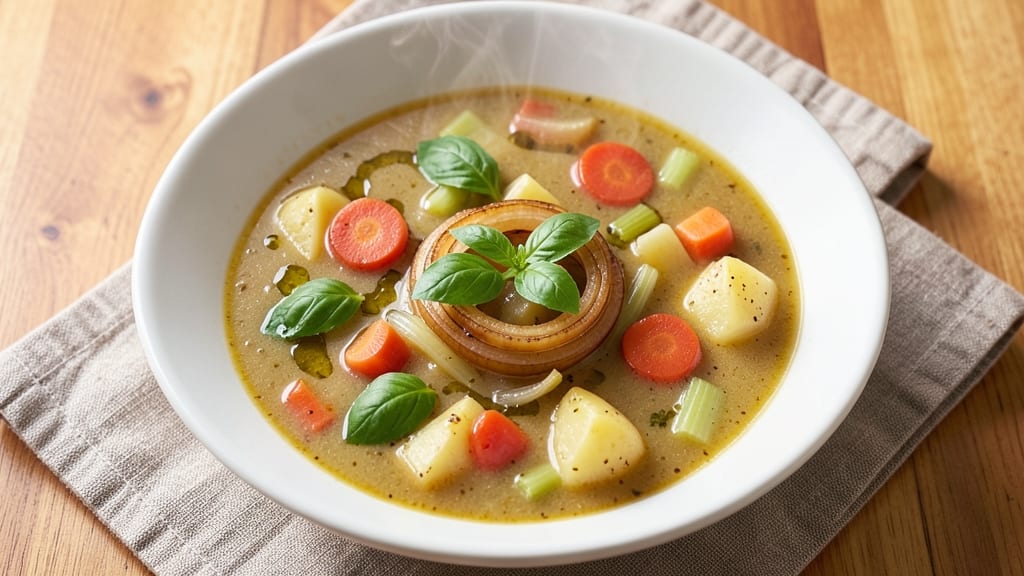
Betty Crocker’s vegetable soup recipe delivers that nostalgic, comforting bowl of warmth we all crave, and it’s easier than you think to make at home. This one-pot version captures the classic flavors—rich, hearty, and packed with garden-fresh vegetables—while keeping prep simple for busy weeknights.
The secret lies in balancing tender veggies with a savory broth that simmers just long enough to meld flavors without losing texture.
What sets this recipe apart is its adaptability—use whatever vegetables you have on hand, from carrots and celery to potatoes and peas, and still achieve that restaurant-quality depth. The broth builds flavor as it simmers, creating a velvety base that coats every spoonful.
No fancy techniques here, just a pot, a stove, and 30 minutes to transform simple ingredients into something truly special.
By the time you’re done, you’ll have a steaming bowl of soup that’s perfectly balanced—creamy where it counts, bright from fresh herbs, and hearty enough to satisfy even the hungriest eaters.
The aroma alone will draw everyone to the table, and the texture? Tender vegetables swimming in a broth so rich, it tastes like a hug in a bowl.
Serve it as a starter, a light lunch, or a cozy dinner—this soup works for any occasion. The best part? Leftovers taste even better the next day, making it the ultimate make-ahead meal. Let’s get cooking!
Ingredients for betty crocker vegetable soup
Fresh garden veggies and pantry staples make this nostalgic soup feel like a warm hug in a bowl.
| Ingredient | Amount | Notes |
|---|---|---|
| Extra-Virgin Olive Oil 🫒 | 2 tbsp | For sautéing vegetables |
| Yellow Onion 🧅 | 1 whole | Diced medium size |
| Carrots 🥕 | 4 medium | Peeled and sliced |
| Russet Potatoes 🥔 | 2 lb | Diced into 1-inch cubes |
| Celery Stalks 🥬 | 3 whole | Chopped into bite-sized pieces |
| Canned Tomato Sauce 🍅 | 1 can | 28 oz, no salt added |
| Vegetable Broth 💧 | 4 cups | Low-sodium preferred |
| Garlic Cloves 🧄 | 4 cloves | Minced for depth |
| Fresh Parsley 🌿 | ¼ cup | Chopped for garnish |
| Frozen Green Peas 🌱 | 1 cup | Thawed before adding |
| Salt 🧂 | 1 tsp | Adjust to taste |
| Black Pepper 🌶️ | ½ tsp | Freshly ground |
| Dried Thyme 🍃 | ½ tsp | Or 1 tsp fresh |
| Heavy Cream 🥛 | ½ cup | Full-fat for creaminess |
Potatoes are the backbone here—Russet gives the best texture, but Yukon Gold works too. Grab a 3-4 lb bag from the grocery store and dice them yourself (or buy pre-cut if you're in a rush). The no-salt-added tomato sauce keeps things balanced—Muir Glen or Del Monte are solid choices. Fresh herbs make all the difference, but dried thyme works in a pinch. For the broth, low-sodium is key—you'll add your own salt later. The carrots and celery should be firm, not limp (that's your sign to skip them).
No fresh parsley? Dried parsley at half the amount works, but fresh is brighter. Short on green peas? Corn or lima beans add a nice twist. The heavy cream can be swapped for half-and-half or coconut milk if you're watching dairy. No heavy cream at all? Skip it or use a splash of milk—the soup will still taste great. For extra depth, add a bay leaf while simmering (remove before serving). The onion and garlic are non-negotiable though—skip shortcuts here.
This soup tastes even better the next day (trust me on that). Keeps for 5 days in the fridge, freezes for 3 months. I always double the batch—one for dinner, one for lunches. Store in airtight containers, and reheat with a splash of water or broth. The creaminess thickens when cold, so stir it gently before serving.
Why You'll Love This Recipe
- No-Chop Nightmare: I swear by this recipe because it’s the only vegetable soup where I can actually skip the fine dice work. Big chunks of onion, carrots, and celery—no one will care if they’re not perfect. The potatoes soften beautifully, and honestly? That’s where the magic happens.
- Savory Depth: That first spoonful of olive oil sizzling with onion? Chef’s kiss. The carrots caramelize just enough to add natural sweetness, while the potatoes soak up all the broth into creamy perfection. It’s the kind of simple flavor that makes you want to linger over a bowl—even when you’re racing to bed.
- Leftovers That Beg: Between us—this soup improves the next day. The flavors meld, the potatoes get even softer, and it’s the easiest meal to reheat when you’re too tired to cook. I’ve made it for lunch, dinner, and even packed it for work. No one turns it down.
- Budget-Friendly Pantry Staples: You’re using ingredients you already own: onions, carrots, potatoes, celery. Add a can of beans or some frozen veggies, and suddenly you’ve got a filling, nourishing meal that costs next to nothing. My grocery bill thanks me every time.
Step-by-step instructions for betty Crocker vegetable soup
Here's how to create a rich, comforting vegetable soup using just one pot.
Sauté the Vegetable Base
Heat the 2 tablespoons extra-virgin olive oil in a large pot over medium heat. Add the 1 whole yellow onion, 4 medium carrots (peeled and sliced), and 3 whole celery stalks (chopped). Cook for 8-10 minutes, stirring occasionally, until the vegetables soften and the onion becomes translucent. This foundational step develops flavor through caramelization.
Here's the thing—don't rush this part. You'll know it's ready when the vegetables release easily from the bottom of the pot and smell sweetly aromatic. If the oil starts to smoke, reduce the heat slightly to maintain gentle cooking. This prevents burning while building depth of flavor.
Build the Soup Foundation
Add the 2 pounds russet potatoes (diced into 1-inch cubes), 1 can canned tomato sauce, 4 cups vegetable broth, 4 cloves garlic cloves (minced), 1 teaspoon salt, ½ teaspoon black pepper, and ½ teaspoon dried thyme. Stir well to combine all ingredients, ensuring the potatoes are fully submerged in the liquid.
Bring the mixture to a boil over high heat, then immediately reduce to a gentle simmer. Cover the pot and let it cook for 20-25 minutes, or until the potatoes are fork-tender. You'll notice the soup thickens slightly as the starch from the potatoes releases into the liquid. This creates that perfect velvety texture we're after.
I always check doneness by piercing a potato with a fork. If it slides in easily with just slight resistance, it's ready. If not, give it another 5 minutes of simmering time. Overcooking can make the potatoes mushy, so timing matters here.
Finish with Cream and Peas
Once the potatoes are tender, stir in the 1 cup frozen green peas (thawed) and ½ cup heavy cream. Simmer uncovered for an additional 5-7 minutes until the peas are heated through and the soup reaches your desired consistency. The cream will add richness while the peas contribute a bright, fresh element to balance the dish.
Taste and adjust seasoning if needed. You might want to add a pinch more salt or pepper to suit your preference. Real talk: the cream can sometimes make the soup taste slightly bland, so don't be shy about seasoning it well. The peas should be vibrant green and tender, not mushy.
Garnish and Serve
Remove the pot from heat and let the soup sit for 2-3 minutes to allow the flavors to meld together. Ladle the soup into bowls and garnish each serving with ¼ cup fresh parsley (chopped). The parsley adds a fresh pop of color and brightness that elevates the dish.
Serve immediately while warm. This soup tastes best fresh from the pot when all the flavors are at their peak. The combination of creamy potatoes, sweet carrots, earthy celery, and bright peas creates a harmonious balance that's both comforting and satisfying.
Pro Tips For Making Betty Crocker Vegetable Soup
- Sweat the Aromatics: Don’t just chop and toss the onion, celery, and carrots—cook them low and slow in the olive oil until they’re soft and golden, about 8-10 minutes. I used to rush this step, and the soup always tasted flat. Let the flavors meld before adding anything else.
- Cut Potatoes Evenly: Dice the russet potatoes into ½-inch cubes, not random chunks. Uniform size means even cooking—no mushy bits or underdone centers. (Yes, it takes a minute longer, but trust me, it’s worth it.)
- Skip the Boil: Resist the urge to crank the heat to high right away. Start with a gentle simmer to avoid splattering and let the soup build flavor gradually. I learned this after burning the edge off my first batch—now I just keep it steady.
- Season in Layers: Salt the soup after the potatoes soften, not at the start. This keeps them from turning to mush, and you’ll taste the real flavor. (Pro move: Add a pinch of salt to the water if you’re nervous about texture.)
Essential equipment for this dish
Large Stockpot
This recipe is built for a one-pot wonder, so grab a 6-8 quart heavy-bottomed stockpot like the Cuisinart MultiClad or All-Clad Stainless Steel. The extra capacity ensures your vegetables have room to expand, and the heavy base prevents hot spots that could burn your soup.
I’ve made this recipe in a 5-quart pot before, but the veggies got crowded, and the potatoes turned mushy faster. If you’re short on space, a Dutch oven works too—just monitor the simmer time closely. 🔥
Wooden Spoon
A long-handled wooden spoon is your best friend for stirring without scratching the pot. I swear by the OXO Good Grips Wooden Spoon—it’s sturdy, heat-resistant, and won’t splinter like cheaper options. Avoid metal utensils when simmering, as they can react with acidic ingredients like tomato sauce.
For scraping up those stubborn bits from the bottom, a flexible silicone spatula (like OXO Good Grips) comes in handy. Pro tip: Soak your wooden spoon in hot, soapy water for 10 minutes before first use to prevent warping.
Immersion Blender
For a smoother texture without losing the chunky vegetable appeal, an immersion blender (like the Ninja Professional or Hamilton Beach Multi-Speed) lets you blend directly in the pot. Pulse for 10-15 seconds to achieve a velvety consistency while keeping some texture.
Skip this step if you prefer rustic, hearty bites—just stir vigorously instead. If you don’t own one, a regular blender works, but you’ll need to transfer a portion of the hot soup (carefully!) to avoid splattering. Always let the soup cool slightly before blending to prevent steam burns. ✨
Fine-Mesh Strainer
A fine-mesh strainer (like the OXO Good Grips Strainer) is essential for thinning the soup if it becomes too thick after simmering. If you accidentally overcook the potatoes and end up with a gluey consistency, strain out ½ cup of the soup and whisk it back in gradually.
This trick restores balance without adding extra liquid. For garnishing, use the strainer to drain excess water from fresh herbs like parsley or cilantro before chopping. A collapsible silicone strainer (like EZ Clean) is perfect for this—easy to store and dishwasher-safe.
Lid with Vent
Your pot’s lid should have a vented design (like the All-Clad Vented Lid) to allow steam to escape while trapping heat efficiently. This prevents the soup from boiling over during the 20-25 minute simmer.
If your lid isn’t vented, prop it slightly ajar with a wooden spoon to achieve the same effect. A tight-fitting lid is critical for even cooking—without it, the soup may develop a skin or evaporate too quickly.
For extra insurance, place a silicon lid mat (like OXO’s) under the lid to prevent sticking and make cleanup a breeze. 💫
Measuring Spoons
Precision matters when balancing flavors, so invest in a set of stainless steel measuring spoons (like OXO Good Grips). The ½ teaspoon dried thyme and ½ teaspoon black pepper might seem small, but these spices make a huge difference in depth.
For the heavy cream, use a liquid measuring cup to ensure accuracy—adding too much can make the soup overly rich. I keep my measuring spoons in a magnetic strip on the fridge for easy access.
Pro tip: Use the back of a butter knife to level off dry ingredients like salt or thyme for consistent results.
Nutrition facts
Frequently asked questions
Can I make this vegetable soup without heavy cream?
The cream adds richness, but you can substitute ½ cup half-and-half or coconut milk for a lighter option. For a dairy-free version, skip it entirely—the broth and vegetables still create a satisfying, flavorful soup. The texture will be slightly thinner but equally comforting.
How do I adjust the seasoning if I used salted broth?
If your broth has added salt, taste the soup after simmering and adjust carefully. Reduce the added 1 teaspoon salt by half or omit it entirely. For extra flavor without salt, add a pinch of smoked paprika or garlic powder to deepen the savory notes. Always taste before serving!
Can I prep this soup ahead of time?
This recipe is perfect for meal prep! Assemble all ingredients (except peas and cream) and refrigerate for up to 24 hours before simmering. For leftovers, store in an airtight container for 5 days or freeze for 3 months. Reheat gently on the stove, stirring in cream and peas at the end. The flavors deepen overnight, making it even more delicious!
What vegetables can I swap in for a different flavor profile?
Customize it to your taste! Swap carrots for sweet potatoes (add 10 mins extra simmering) or celery for leeks (clean thoroughly). For a Mediterranean twist, add diced zucchini or eggplant. Keep the potato base for heartiness, but feel free to experiment—this soup is all about adaptability!
Why did my soup turn out too thick?
Overcooked potatoes release excess starch, thickening the broth. Fix it by straining ½ cup of soup through a fine-mesh sieve, then whisking it back in gradually. For prevention, simmer uncovered for the last 5 minutes to evaporate excess liquid. A splash of broth or water can also restore balance.