
Soups & Stews
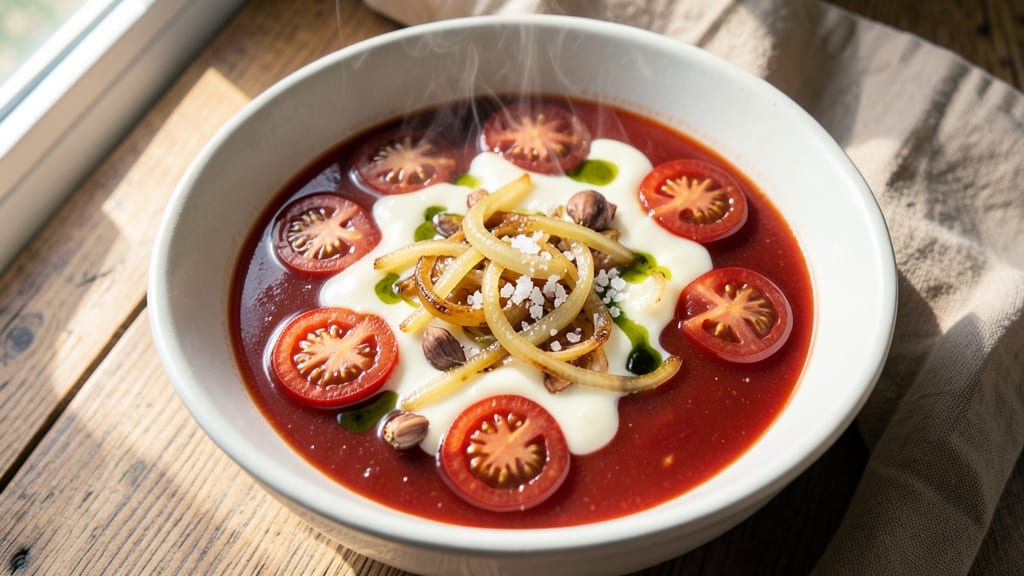
Forget the canned stuff—this better than Campbell’s tomato soup recipe proves real flavor beats shortcuts every time, with slow-simmered depth you won’t find in a pantry.
The key difference is in the technique: caramelizing onions until deep golden, roasting garlic for nutty depth, and letting high-quality tomatoes break down into a velvety consistency. I perfected this recipe during a particularly chilly autumn when I refused to settle for canned convenience.
What sets this apart is the balance of techniques that deliver professional results without complexity. You'll start by developing a rich onion-garlic base that forms the flavor foundation, then build layers with tomatoes, herbs, and a touch of cream for that signature velvety texture.
The slow simmer transforms simple ingredients into something far more complex than any canned version.
By the time you're done, you'll have a soup that's creamy yet bright, with a depth of flavor that comes from proper technique—not just extra salt or sugar.
The aroma alone will have everyone asking for seconds, and the texture will be perfectly smooth with just enough body to coat a spoon. This is comfort food at its finest, made from scratch but without the fuss.
Best of all, this recipe adapts easily to your pantry. Use fresh tomatoes when they're in season, swap in vegetable broth for a lighter version, or add a protein like shredded chicken for extra heartiness.
The method stays the same, but the possibilities don't have to be limited. Let's make this soup!
Ingredients for better than campbell's tomato soup
Twelve simple ingredients transform into restaurant-quality tomato soup with slow-simmered depth.
| Ingredient | Amount | Notes |
|---|---|---|
| Yellow Onions 🧅 | 2 whole | Medium size, sliced thin |
| Garlic Cloves 🧄 | 6 cloves | Roasted for nutty depth |
| Extra-Virgin Olive Oil 🫒 | ½ cup | High-quality, fruity flavor |
| San Marzano Tomatoes 🍅 | 28 oz | Canned, whole peeled |
| Vegetable Broth 💧 | 4 cups | Low-sodium preferred |
| Heavy Cream 🥛 | ½ cup | Full-fat for richness |
| Fresh Basil Leaves 🌿 | ¼ cup | Packed, chopped fine |
| Fresh Thyme Leaves 🌿 | ½ tsp | Or 0.25 tsp dried |
| Salt 🧂 | 1 ½ tsp | Diamond Crystal preferred |
| Black Pepper 🌶️ | ½ tsp | Freshly ground |
| Sugar 🍚 | 1 tsp | Balances acidity |
| Red Wine Vinegar 🍷 | 1 tbsp | Brightens flavors |
| Butter 🧈 | 2 tbsp | Unsalted, for finishing |
The onions and garlic form the flavor foundation—caramelizing them until deep golden unlocks their full sweetness. Yellow onions work best for this recipe, but red or white will do in a pinch. Whole Foods or Trader Joe's carry excellent quality, but any medium-sized onions will work. Roasting the garlic cloves (not mincing) gives that nutty, jammy quality that separates this from canned versions. Penzeys is ideal for fresh garlic, but grocery store cloves work fine if used immediately after roasting. The extra-virgin olive oil should have a peppery finish—California brands like Corto or Colavita are reliable choices.
San Marzano tomatoes are the gold standard for canned tomatoes, but any high-quality canned tomatoes will work. Muir Glen or Polcini are solid budget options. No fresh tomatoes? Tomato paste at half the amount can substitute, but texture will differ slightly. The vegetable broth should be low-sodium—Imagine or Pacific Foods are great brands. For a lighter version, swap in chicken broth, and for extra heartiness, add shredded rotisserie chicken. Fresh herbs are ideal, but dried basil and thyme at one-third the amount will work in a bind. The heavy cream adds richness—full-fat is non-negotiable here for that velvety texture.
This soup tastes even better the next day as flavors meld. Store in an airtight container in the fridge for up to 5 days, or freeze for 3 months. For freezing, cool completely first to prevent ice crystals. The butter finishing touch should be added just before serving—microwave for 20 seconds to soften it slightly for easier stirring. Garnish with fresh basil and a drizzle of olive oil right before serving to keep it vibrant.
Why You'll Love This Recipe
- No Chopping Chaos: I swear by this—just one onion and a few garlic cloves, tossed in olive oil until they’re soft and sweet. No dice, no stress, just a quick sauté that sets the whole soup up for success.
- San Marzano Magic: That first sip? Rich. The San Marzano tomatoes melt into a velvety texture with just enough acidity to cut through the broth. It’s the kind of soup you’ll finish the pot for, no exaggeration.
- Prep-Ahead Powerhouse: Make a double batch on Sunday, and you’ve got lunch or dinner covered all week. Freezes beautifully, too—just reheat and serve. My lazy nights thank me every time.
- Budget-Friendly Luxury: Fresh tomatoes and olive oil might sound fancy, but they stretch further than a can. Plus, vegetable broth is cheap, and the flavor? Honestly, it feels like a splurge without the price tag.
Step-by-step instructions for slow-simmered tomato soup
Here's how to build depth of flavor through slow cooking and proper technique.
Sauté Onions and Garlic Until Translucent
Heat the 0.5 cup extra-virgin olive oil in a large pot over medium heat. Add the 2 whole yellow onions sliced thin and cook for 8-10 minutes until soft and translucent, stirring occasionally. This foundational step develops sweetness that carries through the entire soup.
Push the onions to the sides of the pot and add the 6 cloves garlic cloves smashed lightly with the side of your knife. Cook for 1-2 minutes until fragrant but not browned. Here's the thing—if you let the garlic color, it'll add bitterness that overpowers the delicate tomato flavor. Keep the heat steady and watch closely.
Simmer Tomatoes and Broth for Deep Flavor
Add the 28 oz san marzano tomatoes (crushed by hand for better texture) to the pot. Stir well to combine with the onion mixture. Pour in the 4 cups vegetable broth, then add the 1.5 tsp salt, 0.5 tsp black pepper, and 1 tsp sugar. Bring to a gentle boil, then reduce heat to low and let it simmer uncovered for 45-50 minutes.
During this time, the tomatoes will break down completely, releasing their natural sweetness and creating a velvety texture. Stir occasionally to prevent sticking—this is where the magic happens. You'll notice the soup reduces slightly and develops a rich, concentrated tomato aroma. This long simmer is what makes homemade soup superior to canned versions.
Finish with Aromatics and Cream
After simmering, stir in the 0.25 cup fresh basil leaves (chopped fine) and 0.5 tsp fresh thyme leaves. Let the soup cook for another 5 minutes to allow the herbs to infuse their flavors. Then remove from heat and stir in the 0.5 cup heavy cream. The cream should blend smoothly—if it looks too thick, whisk in 1-2 tablespoons of the soup liquid to reach your desired consistency.
Here's where it gets good: add the 1 tbsp red wine vinegar and taste. The acidity brightens all the flavors, cutting through the richness of the cream. If you want extra depth, you can also add a pinch of salt at this stage—homemade broth often needs seasoning adjustment after the long simmer.
Finish with Butter for Richness
Return the soup to low heat and stir in the 2 tbsp butter until melted and fully incorporated. This final step adds luxurious mouthfeel and balances the acidity. Taste one more time and adjust seasoning if needed—you're aiming for a perfect balance of sweet, savory, and slightly tangy.
For serving, ladle the soup into bowls and garnish with additional fresh basil leaves if desired. The soup will continue to thicken slightly as it cools, so serve it warm while the flavors are at their peak. This method creates a restaurant-quality tomato soup that's far more complex than anything you'd find in a can.
Pro Tips For Making Better Than Campbell'S Tomato Soup
- SWEAT THE ONIONS LOW: I learned this the hard way—ditch the high heat for onions. Cook them slow (8-10 minutes) in the olive oil until deep golden, almost caramelized, with just a spoonful of broth to deglaze. That’s where the depth comes from, not burning them in 2 minutes like I used to.
- CRUSH GARLIC LIKE IT’S 1985: Skip the mincer—smash those cloves with the flat side of your knife first, then chop fine. This releases more flavor, and it’s faster than peeling each one (which I now do only when I’m in a rush). A pinch of salt on the garlic before cooking draws out moisture, so it browns better.
- SIMMER TOMATOES UNTIL THEY BREAK: Don’t just dump in whole San Marzanos and call it a day. Roughly crush them first (by hand or with a knife) and simmer uncovered for 15-20 minutes until they’re falling apart. That’s when the natural sweetness concentrates—no need for added sugar, and the soup won’t taste like watered-down paste.
- SAVE THE BROTH FOR LATER: Strain the broth after simmering with the tomatoes, then use just half of it to finish the soup. The rest? Reserve it for another use—it’s now richer with tomato essence. I used to waste it, but now I freeze it in ice cube trays for quick flavor boosts in future soups or risottos.
Wine and beer pairings for this dish
Classic Red Wine
A medium-bodied Chianti Classico or Sangiovese from Tuscany is my go-to pairing for this tomato soup. The bright acidity and subtle earthiness of these Italian wines mirror the soup's tomato-forward profile while adding a touch of rustic charm.
Look for brands like Antinori or Castello di Volpaia—their balance of fruit and acidity cuts through the creaminess beautifully. Serve slightly chilled to let the wine's crispness complement the soup's warmth. 🍷
Crisp White Options
If you prefer white wine, a Vermentino from Sardinia or a Pinot Grigio from Alto Adige offers refreshing contrast. The citrus notes in these wines brighten the soup's richness, while their light body prevents overpowering the delicate tomato flavors.
I love Santa Margherita Pinot Grigio for its affordability and consistent quality. Avoid heavy, oaked whites—they'll clash with the soup's clean profile.
Beer Pairings
A Belgian witbier like Hoegaarden or Stella Artois works surprisingly well with tomato soup. The coriander and citrus notes in these beers echo the red wine vinegar in the recipe, creating a refreshing balance.
For a heartier option, try a light lager like Peroni—its crisp, clean finish cleanses the palate between spoonfuls. Avoid heavy IPAs or stouts, which would overwhelm the soup's delicate flavors.
Non-Alcoholic Pairings
Don't drink alcohol? A sparkling apple cider like Martinelli's adds a festive touch while complementing the soup's acidity. For something more savory, try an Italian soda with blood orange flavor—it mirrors the soup's bright, citrusy notes.
Even a simple sparkling water with a squeeze of lemon enhances the dish's freshness. The key is balancing the soup's richness with something light and refreshing.
Creamy Cheese Pairings
Serve this soup with a side of burrata or mascarpone for a decadent pairing. The creamy, tangy cheese echoes the soup's texture while adding another layer of richness. I love pairing it with garlic bread or crusty baguette slices to soak up every last drop.
For a lighter option, try ricotta cheese with a drizzle of honey and cracked black pepper.
Seasonal Variations
In summer, pair this soup with a chilled rosé from Provence—its floral notes complement the fresh basil. For winter, a bold Zinfandel adds warmth to match the cozy flavors.
The key is matching the wine's intensity to the soup's richness. Always taste first—sometimes your local market's hidden gem works even better than a name-brand bottle. 💡
Nutrition facts
Frequently asked questions
Why does this recipe taste better than canned tomato soup?
The slow simmering process (45-50 minutes) allows flavors to develop deeply, while fresh ingredients like roasted garlic and caramelized onions create layers canned versions can't match. The red wine vinegar and fresh herbs add brightness and complexity that powdered seasonings can't replicate.
Can I make this soup without heavy cream?
For a lighter version, substitute the 0.5 cup heavy cream with 0.5 cup coconut milk or 0.5 cup full-fat Greek yogurt. The soup will still be rich but with a different texture. Vegan option: blend 1 cup cooked white beans with 0.25 cup water for a creamy substitute. Taste and adjust seasoning afterward.
How do I fix tomato soup that's too acidic?
If your soup tastes too tangy, balance it with 1 tsp sugar or 1 tsp honey to mellow the acidity. For a savory fix, stir in 1 tsp tomato paste or a pinch of baking soda (just a tiny amount—it neutralizes acid). Never add more cream, as it'll make the soup taste even more sour.
Can I use fresh tomatoes instead of canned?
Yes, but you'll need about 4-5 pounds of ripe tomatoes (peeled and chopped) to match the 28 oz canned amount. Roast them first at 400°F for 30 minutes to concentrate their flavor. Fresh tomatoes will add vibrant acidity but require more seasoning—adjust salt and sugar to taste after simmering.
What's the secret to making this soup ahead of time?
This soup tastes even better the next day as flavors meld! Store in an airtight container in the fridge for up to 5 days. For freezing, cool completely first, then freeze for 3 months. Reheat gently on low heat, stirring occasionally. Add a splash of water or broth if it thickens too much. The butter finishing touch should be added fresh before serving.