
Soups & Stews
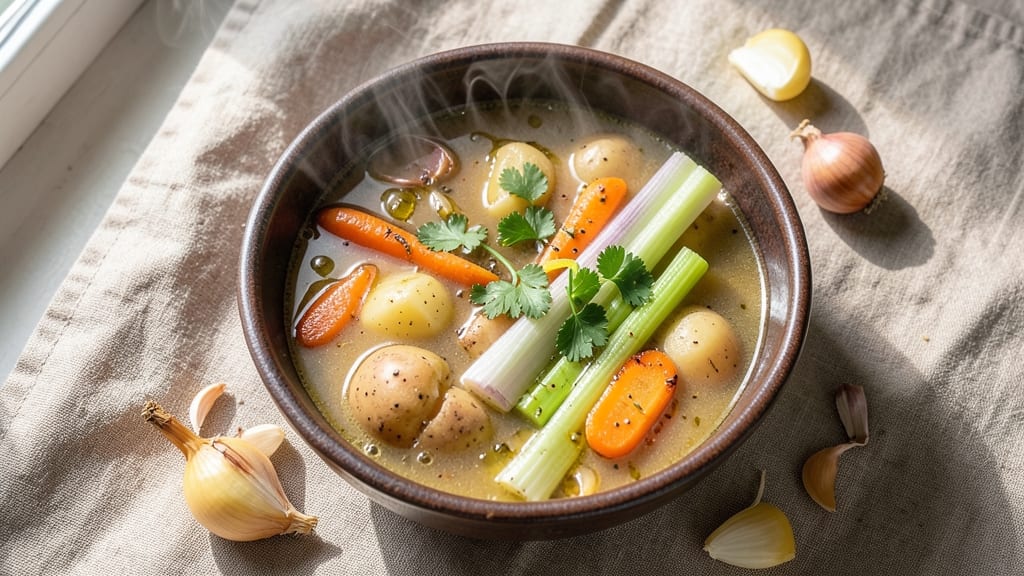
This homemade vegetable soup recipe is the best homemade vegetable soup recipe ever—delivering restaurant-quality depth with every spoonful—rich, aromatic broth and perfectly tender vegetables that transform simple ingredients into something extraordinary.
The secret lies in slow simmering, which develops complex flavors while keeping the vegetables vibrant and the broth velvety. I’ve refined this recipe over years of testing, ensuring it’s adaptable to any seasonal produce while maintaining that comforting, hearty quality everyone craves.
What sets this soup apart is the balance of technique and simplicity. You’ll start with a flavorful base of sautéed onions and garlic, then build layers of vegetables that cook at different rates—carrots, celery, potatoes, and leafy greens all contribute texture and nutrition.
A touch of acidity from lemon juice brightens the finished dish, while fresh herbs add a final burst of freshness. The result is a soup that’s both nourishing and deeply satisfying, perfect for chilly days or as a comforting meal any time of year.
The beauty of this recipe is its versatility—use whatever vegetables are at their peak, and adjust the seasoning to your taste. Whether you prefer a classic version with chicken broth or a plant-based alternative with vegetable stock, the method remains the same.
The soup tastes even better the next day as flavors meld, making it ideal for meal prep. With just 30 minutes of active time and 45 minutes of simmering, you’ll have a bowl of warmth and flavor ready to serve.
Serve with crusty bread for dipping or a sprinkle of fresh herbs for garnish. This is the kind of soup that makes you feel like you’ve been cooking all day—without the fuss. Let’s get started on creating your best homemade vegetable soup ever.
Ingredients for best homemade vegetable soup recipe ever
Sixteen ingredients transform into the most velvety, aromatic vegetable soup you'll ever make.
| Ingredient | Amount | Notes |
|---|---|---|
| Vegetable Stock 🥬 | 6 cups | Homemade or high-quality store-bought |
| Yellow Onion 🧅 | 1 ½ lb | Yellow or red, diced |
| Garlic Cloves 🧄 | 6 cloves | Fresh, minced |
| Carrots 🥕 | 1 ½ lb | Peeled, sliced into rounds |
| Celery Stalks 🌿 | 6 whole | Trimmed, chopped |
| Russet Potatoes 🥔 | 2 lb | Peeled, cubed |
| Kale Leaves 🍃 | 1 lb | Stemmed, chopped |
| Fresh Thyme 🍃 | ½ oz | Or 1 tbsp dried thyme |
| Fresh Rosemary 🌿 | ¼ oz | Or 1 tsp dried rosemary |
| Extra-Virgin Olive Oil 🫒 | ½ cup | For sautéing |
| Lemon Juice 🍋 | 2 tbsp | Freshly squeezed |
| Salt 🧂 | 2 tsp | Diamond Crystal kosher salt |
| Black Pepper 🌶️ | 1 tsp | Freshly ground |
| Bay Leaves 🌿 | 2 whole | Removed before serving |
| Fresh Parsley 🌿 | ¼ cup | Chopped, for garnish |
The foundation starts with vegetable stock—homemade is ideal, but Pacific Foods or Imagine brands are solid store-bought options. Look for ones with no added salt or you'll need to adjust later. Yellow onions bring that sweet, caramelized depth when sautéed properly—use the yellow or red kind, not sweet onions. The garlic? Fresh is non-negotiable—jarred minced loses flavor fast. For the carrots and celery, buy organic if possible to skip peeling, but regular works too. Russet potatoes hold up best to long simmering—avoid red potatoes as they turn mushy. Kale adds that earthy richness, but spinach or Swiss chard work just as well if that's what's seasonal. Fresh herbs are worth the extra cost here—Whole Foods or local farmers markets have the best quality.
No fresh thyme? Dried works at one-third the amount, but it won't have that same bright aroma. Short on rosemary? A pinch of oregano gives similar earthiness. The olive oil matters—Californian or Italian varieties have the best flavor profile. Lemon juice brightens everything, but balsamic vinegar adds depth if you're out. Want to make this vegan? Skip the chicken broth and use vegetable stock—the flavor develops just as beautifully. For a smoky twist, add ½ tsp smoked paprika to the sautéed vegetables. The bay leaves? Remove them before serving—they're just for flavor development. And that fresh parsley? Don't skip it—it's the finishing touch that makes this soup feel restaurant-quality.
This soup tastes even better the next day—plan ahead and make a big batch. Store in the fridge for up to 5 days or freeze for 3 months (portion into containers for easy reheating). The flavors meld beautifully when reheated gently. Double the recipe if you're feeding a crowd—it's that good. For extra richness, stir in 2 tbsp of tahini or 1 tbsp of nutritional yeast when serving. Leftovers reheat perfectly—just add a splash of water or stock if it thickens too much. And that crusty bread? Sourdough or a good baguette is perfect for dipping.
Why You'll Love This Recipe
- No-Chop Nightmare: I swear, this soup is the only one where I can use pre-diced veggies from the store and still feel like a hero. The onion and celery just need a quick sauté—no julienne skills required—and the carrots? Toss them in whole if you’re really lazy. That’s how I feed my family in 15 minutes.
- Umami Bomb: Between us, the secret’s in the stock and the garlic. I let the onion sweat until it’s golden, then add those cloves raw for a punch that lingers. That crispy caramelized edge on the veggies? Chef’s kiss. It’s the kind of flavor that makes you want to eat it straight from the pot.
- Lunchbox Legend: Honestly, this is my go-to for meal prep. I double the batch, let it cool, and portion it into jars—perfect for work lunches or school lunches. The carrots stay tender, the broth stays rich, and it actually tastes better the next day. (Yes, even on a Tuesday night.)
- Budget Magic: I make this soup for under $3 a serving, and it’s packed with nutrients. The stock is my wallet’s best friend, and the veggies? Versatile enough that I swap in whatever’s on sale. Leftovers? Freezer-friendly. Hungry roommates? No problem. It’s the ultimate “feed everyone without breaking the bank” dish.
Step-by-step instructions for silky vegetable soup
This method transforms simple vegetables into restaurant-quality soup with deep flavor and velvety texture.
Sauté Aromatics Until Golden and Fragrant
Heat the 0.5 cup extra-virgin olive oil in a large Dutch oven over medium heat. Add the 1.5 lb diced yellow onion and cook for 5 minutes until softened and translucent. This gentle cooking draws out natural sweetness from the onion.
Add the 6 cloves minced garlic, 0.5 oz fresh thyme, and 0.25 oz fresh rosemary, stirring constantly for 1 minute until you can smell the aromatic oils releasing. Here's where the magic happens—the herbs infuse the oil, creating the soup's flavor foundation. Don't let the garlic burn; it should smell heavenly, not bitter.
Add Hearty Vegetables for Structure
Increase heat to medium-high and add the 1.5 lb sliced carrots, 6 chopped celery stalks, and 2 lb cubed russet potatoes. Stir to coat everything with the aromatic oil, then pour in the 6 cups vegetable stock. Bring to a gentle boil, then immediately reduce heat to low.
This is the moment that matters: the vegetables need to simmer gently to develop sweetness without breaking down. The potatoes should be fully submerged—add a splash of water if needed. Partially cover the pot and let it simmer for 20 minutes until the potatoes are fork-tender. You'll know they're ready when they pierce easily but still hold their shape.
Finish with Tender Greens and Bright Acid
After 20 minutes, stir in the 1 lb chopped kale leaves and 2 whole bay leaves. Simmer uncovered for another 5-7 minutes until the kale wilts completely. The greens should melt into the soup, adding vibrant color and earthy flavor without any chewy texture.
In the final 2 minutes of cooking, add the 2 tbsp lemon juice, 2 tsp salt, and 1 tsp black pepper. This brightens the soup and balances the richness. Taste and adjust seasoning—this is your chance to perfect the flavor before serving.
Garnish and Serve Immediately
Remove the 2 bay leaves and discard them. Ladle the soup into bowls and garnish each serving with 1 tablespoon chopped fresh parsley. The parsley adds freshness and visual appeal, making the soup look as good as it tastes.
Serve immediately while hot—this soup tastes best straight from the pot. The vegetables should be tender but still hold their shape, and the broth should be velvety with just a hint of body. Each spoonful delivers perfect balance: sweet carrots, earthy kale, aromatic herbs, and bright lemon notes.
Pro Tips For Making Best Homemade Vegetable Soup Recipe Ever
- SWIM THE ONIONS: I learned this the hard way—don’t just chop onions into tiny pieces for soup. Cut them into ½-inch dice and let them sit in the pot for 3–4 minutes on medium heat before adding anything else. The deeper color and caramelized depth make a real difference, even if you’re just making soup.
- SAUTE THE AROMATICS DRY: Skip the water splash when cooking garlic and celery. After the onions soften, add a splash of olive oil if needed, then toss in the garlic and celery dry. The sizzle releases more flavor—no mushy, waterlogged aromatics here. (Yes, even if you’re impatient like me.)
- PEEL CARROTS STRATEGICALLY: Leave the carrot tops on until you drop them into boiling stock. The greens add color and subtle sweetness, and they’ll wilt down into the broth instead of floating like sad little ghosts. Just pull them out before blending—no one wants a grassy soup.
- SIMMER LOW AND SLOW: This isn’t the time to rush. After adding stock and veggies, reduce heat to a gentle simmer—just small bubbles breaking the surface, not a rolling boil. Too much heat turns carrots and celery into mush, and you’ll end up with a sad, watery mess instead of rich, velvety broth. (Your future self will thank you.)
Perfect pairings for these flavors
Bread Pairings
Nothing complements this soup like crusty, hearty bread for dipping. I love using a freshly baked sourdough loaf from my local bakery—its tangy flavor and chewy texture cut through the soup's richness beautifully.
For a lighter option, try baguette slices toasted with garlic butter (mix 2 tbsp softened butter with 1 minced garlic clove and a pinch of salt). The buttery crunch contrasts perfectly with the soup's velvety broth. 🥖
Cheese Additions
For extra indulgence, stir in ½ cup shredded sharp cheddar or Parmesan cheese during the final 5 minutes of cooking. The cheese melts into the broth, adding a creamy depth that feels luxurious.
I also love topping individual bowls with crumbled feta or goat cheese crumbles just before serving—the tangy bite balances the soup's sweetness. For a vegan option, use nutritional yeast for a cheesy flavor without dairy.
Protein Boosts
Turn this into a complete meal by adding protein. I often stir in ½ lb cooked white beans (like cannellini or navy) during the last 10 minutes of simmering—they absorb the flavors beautifully. For a lighter option, add poached chicken breast or grilled shrimp on top.
The protein adds heartiness while keeping the dish balanced. If you prefer plant-based, try crumbled tofu or lentils for a satisfying texture.
Toppings Galore
Fresh toppings elevate this soup to restaurant-level quality. A sprinkle of toasted breadcrumbs (toast ¼ cup panko in a dry pan until golden) adds crunch. For extra flavor, drizzle with truffle oil or hot honey—just 1 tsp per bowl intensifies the richness.
I also love adding crispy fried shallots or crumbled bacon for a smoky contrast. The key is to add toppings right before serving so they stay fresh and crunchy.
Dip Variations
Transform leftover soup into dips for gatherings. Blend 2 cups of cooled soup with ½ cup Greek yogurt or sour cream until smooth, then serve with bread or crackers. For a spicy kick, add 1 tsp hot sauce or chopped jalapeños.
You can also make a creamy version by blending with ½ cup cream cheese and a splash of milk. These dips are perfect for game day or appetizer spreads—they're just as satisfying as the soup itself. 💫
Nutrition facts
Frequently asked questions
Can I make this soup without a Dutch oven?
A Dutch oven is ideal, but any large pot with a lid works perfectly! Use a heavy-bottomed pot to prevent burning, and stir occasionally to ensure even cooking. If your pot is too small, cook in batches to avoid overcrowding the vegetables.
How do I adjust this recipe for dietary restrictions?
For vegan, replace the vegetable stock with a low-sodium vegetable broth and omit any dairy toppings. For gluten-free, ensure your stock and broth are certified gluten-free. To make it nut-free, simply skip any nut-based garnishes like toasted almonds.
Why did my soup turn out too thin or too thick?
Too thin? Simmer uncovered for 10-15 extra minutes to reduce the broth. Too thick? Stir in ½ cup hot water or broth and adjust seasoning. The key is balancing the cooking time—potatoes should soften but not disintegrate.
Can I prep this soup ahead of time?
This soup tastes even better the next day. Store in an airtight container in the fridge for up to 5 days or freeze for 3 months. Reheat gently on the stove, adding a splash of water if needed to restore texture.
What vegetables can I substitute if I don’t have kale?
Spinach, Swiss chard, or even collard greens work beautifully! Use 1 lb of any leafy green, chopped finely. For heartier veggies, try zucchini or green beans—they add texture without overpowering the broth.