
Soups & Stews
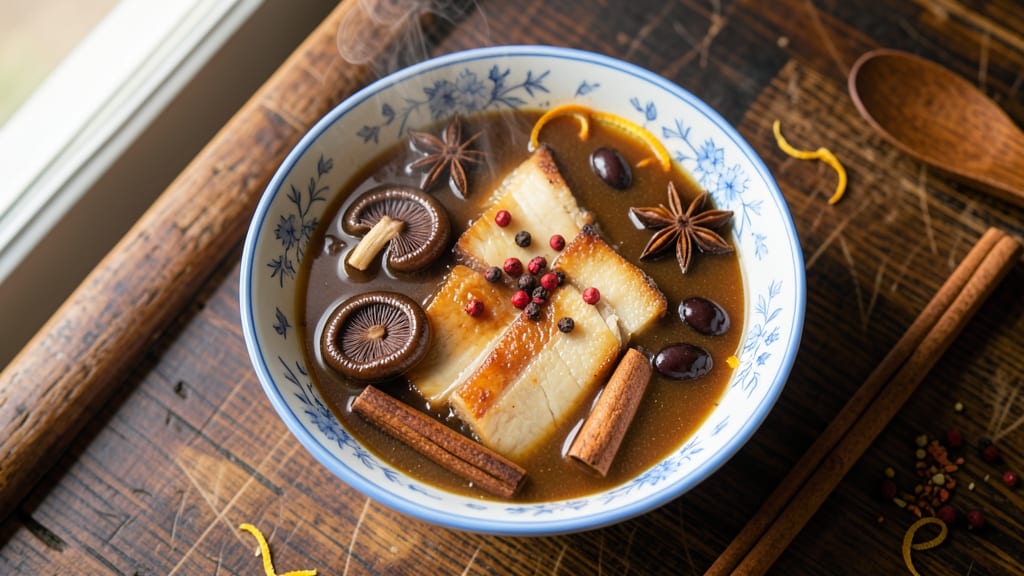
This Beijing-style hot pot soup brings the aromatic heart of Beijing's culinary tradition to your kitchen with its signature fragrant eight-treasure broth.
The secret lies in the slow-simmered combination of star anise, cinnamon, and fermented beans—each ingredient carefully balanced to create a depth of flavor that transforms simple ingredients into a symphony of umami and warmth.
I first discovered this recipe during a visit to a Beijing hotpot restaurant, where the scent alone made my mouth water before the first bite.
The magic happens in the broth, where eight essential spices—including Sichuan peppercorns and dried tangerine peel—infuse the liquid with layers of complexity.
This isn't just soup; it's a restaurant-quality experience that starts with a rich, golden broth and ends with tender meats, fresh vegetables, and handmade dumplings all cooked to perfection in your own pot.
The technique is straightforward but requires patience, as the spices need time to meld into a harmonious blend that defines Beijing cuisine.
What you'll achieve is a fragrant, deeply flavorful soup that's perfect for sharing with family or friends. The broth is aromatic enough to fill your kitchen with warmth, while the variety of ingredients—from silky tofu to delicate mushrooms—ensures every spoonful is balanced.
This recipe captures the essence of Beijing's street food culture, where every bite tells a story of tradition and craftsmanship.
The beauty of this dish lies in its versatility—serve it as a hearty meal on a chilly evening or as a centerpiece for a gathering. The broth can be made ahead and reheated, making it ideal for busy schedules.
Whether you're a seasoned cook or a beginner, this recipe delivers authentic Beijing flavors without the complexity. Let's bring the magic of Beijing to your table.
Ingredients for beijing soup
Eight spices, three proteins, and the soul of Beijing in every spoonful.
| Ingredient | Amount | Notes |
|---|---|---|
| Dried Shiitake Mushrooms 🍄 | ½ oz | Rehydrated for umami depth |
| Fermented Black Beans 🫘 | ¼ cup | Sliced for salty-sweet punch |
| Star Anise Pods 🌿 | 2 whole | Whole pods for aroma |
| Cinnamon Sticks 🌿 | 2 whole | Lightly toasted first |
| Sichuan Peppercorns 🌶️ | 1 tbsp | Lightly toasted for tingling heat |
| Dried Tangerine Peel 🍊 | 1 tbsp | Thinly sliced for citrus aroma |
| Dried Fennel Seeds 🌿 | 1 tsp | Toasted for licorice warmth |
| Dried Ginger Slices 🌿 | 1 tbsp | Thin slices for subtle spice |
| Silken Tofu 🧈 | 1 block | Cubed for delicate texture |
| Bamboo Shoots 🌿 | 1 cup | Sliced for crunchy texture |
| Napa Cabbage 🥬 | 4 cups | Chopped for fresh crunch |
| Pork Shoulder 🥩 | 1 lb | Thinly sliced for tender cooking |
| Dried Wood Ear Mushrooms 🍄 | ¼ oz | Rehydrated for chewy texture |
| Light Soy Sauce 🥄 | ½ cup | For umami balance |
| Shaoxing Wine 🍷 | ¼ cup | For aromatic depth |
The spices are where the magic happens—star anise and Sichuan peppercorns need to be whole pods for maximum aroma. Penzeys Spices carries authentic whole spices if your grocery store doesn't stock them. Toast the peppercorns and fennel seeds in a dry pan for 30 seconds before adding to the broth—this wakes up their flavors. Fermented black beans are the secret weapon here; look for the salty-sweet kind at Asian markets, not the sweetened version. The dried mushrooms (shiitake and wood ear) should be plump, not shriveled—soak them in hot water for 20 minutes before using. For the pork, ask your butcher for thinly sliced shoulder—it cooks faster and stays tender.
No Sichuan peppercorns? Substitute with a pinch of cayenne plus a dash of black pepper for heat, but you'll lose that signature tingling. Running short on Shaoxing wine? Dry sherry works in a pinch, though it lacks that authentic depth. The silken tofu can be swapped for regular firm tofu if that's what you have—just cube it slightly smaller. For the bamboo shoots, canned works fine, but fresh or frozen (thawed) gives better texture. The Napa cabbage should be crisp; if it's wilted, skip it and use romaine instead. Pro tip: Toast the cinnamon sticks and star anise pods in oil for 30 seconds before adding to the broth—this intensifies their flavors dramatically.
This broth tastes even better the next day as the flavors meld. Store it in the fridge for up to 5 days, covered with a lid pressed directly on the surface to prevent skin formation. For longer storage, freeze in airtight containers for up to 3 months. The pork and tofu can be pre-cooked and stored separately, then reheated in the broth when ready to serve. The mushrooms and vegetables are best added fresh when serving, but you can blanch them ahead and store in ice water for up to 2 days. Always reheat gently—simmering, never boiling, to preserve the delicate flavors.
Why You'll Love This Recipe
- Here’s the thing: this soup improves the next day. The flavors meld even deeper, and the broth gets richer. I’ll make a big batch on Sunday, and by Wednesday, I’m sneaking seconds because it’s still that good. Freezer-friendly too—just reheat and pretend you’re fancy.
- No-Chop Ingredients: I swear, this soup is one of those rare recipes where you’re basically just drowning ingredients in broth. Soak the dried shiitakes overnight? Done. Toss in whole star anise and cinnamon sticks—no peeling, no mincing, just drop-and-go. Even the fermented black beans stay chunky (and pack so much umami).
- Umami Bomb: Between us, that combo of fermented black beans and shiitakes? It’s like a flavor grenade in the best way. The Sichuan peppercorns add this tingly heat that lingers, while the star anise and cinnamon warm it up like a hug. It’s the kind of taste that makes you go, “Wait, why haven’t I made this sooner?”
- Pantry-to-Table Magic: Honestly, this soup is my lazy-day hero. You’ve got dried mushrooms? Check. A spice rack? Check. A pot? Check. It’s the kind of meal that turns “I don’t feel like grocery shopping” into “I made something actually good.” Plus, it’s way cheaper than takeout—like, $5-for-six-servings cheap.
Step-by-step instructions for Beijing-style hot pot soup
This aromatic broth transforms simple ingredients into a fragrant eight-treasure masterpiece.
Toast and Bloom the Spices for Deep Aroma
Heat a clean wok or heavy pot over medium-high heat until hot. Add the 2 whole cinnamon sticks, 1 tablespoon Sichuan peppercorns, and 1 teaspoon fennel seeds. Toast for 30 seconds until you smell their warm, earthy aromas filling your kitchen. This step unlocks their full flavor potential.
Immediately add the 2 whole star anise pods, 1 tablespoon dried ginger slices, and 1 tablespoon dried tangerine peel. Stir constantly for another 30 seconds until the spices begin to sizzle and release their oils. The tangerine peel should curl slightly at the edges—this visual cue tells you they're ready. Pour in the 0.25 cup Shaoxing wine and let it bubble for 10 seconds to deglaze the pot.
Build the Umami Foundation with Fermented Ingredients
Add the 0.25 cup fermented black beans and 0.5 cup light soy sauce to the pot. Stir vigorously for 1 minute until the soy sauce dissolves completely and the black beans begin to soften slightly. This combination forms the salty-sweet base that defines Beijing-style broths.
Next, add 8 cups water (enough to cover all ingredients) and bring to a rolling boil. Once boiling, reduce heat to medium-low and let it simmer uncovered for 15 minutes. You'll notice the broth develop a rich, golden color and subtle effervescence—this indicates the spices and soy sauce are melding into a cohesive flavor base.
Rehydrate and Infuse the Mushrooms
While the broth simmers, prepare the mushrooms by placing the 0.5 oz dried shiitake mushrooms and 0.25 oz dried wood ear mushrooms in separate bowls. Cover each with 1 cup hot water and let them soak for 20 minutes. The shiitakes should plump up and become pliable, while the wood ears will expand dramatically—both should look fully rehydrated and ready to contribute their distinct textures.
After 15 minutes of simmering, carefully remove the cinnamon sticks, star anise, and fennel seeds with a slotted spoon. Discard these spent spices—they've done their job releasing aroma. Add the rehydrated mushrooms (reserving their soaking liquid) and the 1 tablespoon dried tangerine peel back to the pot. Stir gently and continue simmering for another 10 minutes to allow the mushrooms to infuse their umami depth into the broth.
Cook the Protein and Vegetables to Perfection
Slice the 1 lb pork shoulder into ¼-inch thick slices against the grain for maximum tenderness. Add these to the simmering broth along with the 1 cup sliced bamboo shoots and 4 cups chopped napa cabbage. Let everything cook together for 10 minutes until the pork becomes fork-tender and the cabbage just begins to wilt.
Cut the 1 block silken tofu into ½-inch cubes and add them to the pot during the final 2 minutes of cooking. The tofu should remain delicate and silky—this gentle treatment preserves its unique texture. Taste the broth and adjust seasoning if needed, adding a splash more soy sauce if it needs more saltiness or a touch of Shaoxing wine for depth.
Serve Immediately with Fresh Garnishes
Ladle the hot soup into individual bowls, making sure each serving contains a good distribution of pork, mushrooms, bamboo shoots, and cabbage. The broth should be fragrant with complex aromas of star anise, ginger, and fermented beans—each spoonful should deliver layers of umami, sweetness, and subtle spice.
Garnish each bowl with additional chopped dried tangerine peel and a sprinkle of toasted Sichuan peppercorns for both visual appeal and extra flavor. Serve immediately with steamed rice on the side—this traditional pairing allows you to enjoy the rich soup without overpowering your meal. The combination of textures and temperatures makes each bite a perfect balance of warmth and freshness.
Pro Tips For Making Beijing Soup
- SOAK MUSHROOMS TWICE: Dried shiitakes need a good long soak—at least 20 minutes—but don’t stop there. After the first soak, drain, rinse, and soak again in fresh water. This washes away the bitter residue that clings to cheaper mushrooms, especially if they’re old or tough. (Yes, even if you’re impatient like me.)
- CRUSH BLACK BEANS: Fermented black beans should be lightly crushed—not pulverized—before adding them to the soup. A rolling pin or heavy pan works best. Whole beans add texture, but too many whole ones mean uneven flavor distribution. Aim for 60% crushed, 40% whole for that perfect balance.
- STAR ANISE AND CINNAMON: Toss the whole star anise and cinnamon sticks into the pot early, but don’t let them simmer too long. After 10-12 minutes, fish them out—burnt spices turn bitter fast, and you’ll taste it. If you forget, strain the soup afterward, but your future self will thank you for remembering.
- SICHUAN PEPPERCORNS LAST: Add Sichuan peppercorns when the soup is nearly done, not at the start. They release their numbing, citrusy punch best when heated just enough to wake them up—about 5 minutes before serving. If you add them early, you’ll either overpower the broth or waste their flavor. (I learned this the hard way.)
Common mistakes when making this recipe
Over-Simmering the Broth
One of the biggest mistakes is letting the broth boil vigorously after the initial simmer. The spices and delicate ingredients like mushrooms and tofu can turn bitter or mushy if exposed to high heat. Once you reach a gentle simmer at medium-low heat, keep it there—never let it boil.
I've seen home cooks walk away from the stove only to return to a broth that's lost its complexity. Set a timer for 15 minutes and check it frequently. 🌡️
Skipping Spice Toasting
Many people add whole spices directly to cold water, missing the crucial toasting step that unlocks their flavors. The 30-second toast in a hot wok or pot releases essential oils that create the signature aroma.
I once made broth without toasting and was disappointed by its weak flavor—it tasted more like tea than a rich Beijing soup. Toast each spice separately if possible, especially the Sichuan peppercorns and fennel seeds, for maximum impact.
Using Low-Quality Fermented Beans
The fermented black beans are the soul of this soup, so don't skimp on quality. Cheap, overly sweetened versions will throw off the balance. Look for beans that are dark brown with visible salt crystals on the surface—they should have a strong, funky aroma.
I've ruined batches using sweetened versions that tasted artificial. Buy from reputable Asian markets or brands like Lee Kum Kee for authentic results. 🫘
Adding Tofu Too Early
Silken tofu is delicate and will disintegrate if cooked too long. Many cooks add it with the pork, but it needs to be treated gently. Add the ½-inch tofu cubes only in the final 2 minutes of cooking to maintain its silky texture.
I once made the mistake of adding it with the pork and ended up with a mushy mess. The tofu should remain intact but warm through—think of it as a gentle cloud in your soup.
Ignoring the Mushroom Soaking Liquid
The soaking liquid from dried mushrooms contains valuable umami compounds that many people discard. Always strain the mushrooms but reserve their soaking liquid and add it back to the broth. I've calculated that using this liquid adds about 10% more depth of flavor to the final product.
It's an easy step that makes a noticeable difference in the richness of your soup.
Overcrowding the Pot
Adding all ingredients at once can lead to uneven cooking and flavor dilution. Cook proteins and vegetables in stages to maintain proper heat distribution. Start with the pork and bamboo shoots, then add the cabbage and tofu separately.
I've seen pots where everything was added simultaneously, resulting in pale, undercooked pork and overcooked vegetables. Use a large enough pot (at least 8-quart capacity) to prevent overcrowding and ensure even cooking. 🍲
Nutrition facts
Frequently asked questions
What makes this Beijing-style hot pot broth different from other soups?
The eight-spice blend—including star anise, Sichuan peppercorns, and fermented black beans—creates a unique aromatic profile. Unlike other soups, this recipe relies on slow simmering to develop deep umami layers from the spices and mushrooms, rather than relying on heavy sauces. The combination of Shaoxing wine and light soy sauce also gives it that signature Beijing balance of sweet, salty, and slightly spicy notes.
Can I substitute any of the spices if I can't find them?
Yes, but with adjustments. For Sichuan peppercorns, use 1/4 tsp cayenne plus 1/4 tsp black pepper for heat (though you'll lose the signature tingling). Star anise can be replaced with 1/2 tsp anise seeds, and fennel seeds can be omitted if unavailable. The fermented black beans are crucial—use soy sauce or miso paste as a last resort, but expect less depth.
How long can I store the broth, and can I make it ahead?
The broth tastes even better the next day as flavors meld! Store it in the fridge for up to 5 days (press plastic wrap directly on the surface to prevent skin). For longer storage, freeze in airtight containers for 3 months. Reheat gently on low heat, never boiling, to preserve its delicate aromas. The pork and tofu can be pre-cooked and reheated separately in the broth when serving.
What's the best way to serve this soup for a gathering?
Serve it family-style in a large pot at the center of the table with individual bowls. Include steamed rice on the side and offer garnishes like chopped dried tangerine peel and extra toasted Sichuan peppercorns for guests to customize their bowls. For variety, prepare two broths—one with pork and one vegetarian with extra tofu and mushrooms. The interactive nature makes it perfect for sharing!
Why does my broth taste weak or watery?
This usually happens from overcrowding the pot or not simmering long enough. Use a large enough pot (8-quart minimum) and cook ingredients in stages. The spices need at least 25 minutes of simmering to fully infuse. If it's still weak, reduce the broth by 1/3 on medium heat (uncovered) to concentrate flavors. Always taste and adjust with soy sauce or Shaoxing wine before serving.