
Soups & Stews
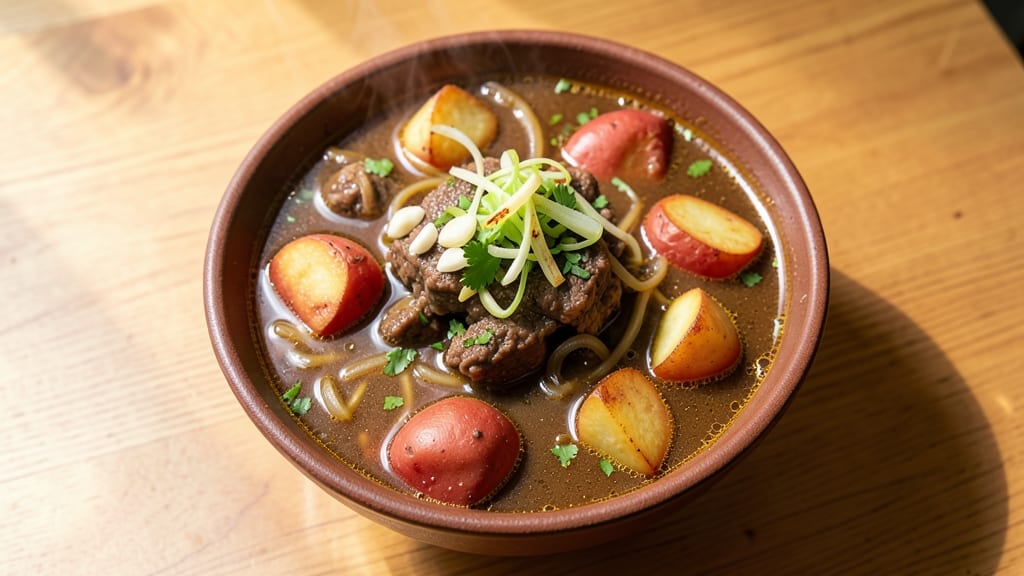
Bakuteh soup delivers the kind of hearty, spice-infused comfort that warms you from the inside out—just like my grandmother used to make on chilly Persian evenings. This traditional dish transforms simple ingredients into a rich, aromatic broth packed with tender lamb, fragrant herbs, and earthy vegetables, all simmered to perfection for maximum flavor. The secret lies in the slow-cooked broth, where onions and garlic form a fragrant base before lamb and vegetables join the pot. Persian spices like turmeric and cinnamon infuse the soup with warmth, while fresh herbs add brightness. The result is a deeply satisfying bowl that balances richness with freshness, making it ideal for family gatherings or cozy weeknight dinners. What sets this recipe apart is its ability to adapt—traditionally hearty, but easily modified for lighter versions with chicken or even vegetables. The texture is what makes it special: tender meat, soft potatoes, and crisp leeks all bathed in a velvety broth that clings to every spoonful. Serve with warm flatbread to soak up every last drop of that flavorful broth. Let's get cooking—your taste buds will thank you.
Ingredients for bakuteh soup
Sixteen ingredients blend into a fragrant, hearty bowl that tastes like home.
| Ingredient | Amount | Notes |
|---|---|---|
| Ground Lamb 🐑 | 1 ½ lb | Ground for even cooking |
| Yellow Onions 🧅 | 2 whole | Diced, medium size |
| Garlic Cloves 🧄 | 6 cloves | Minced, fresh preferred |
| Fresh Ginger 🌿 | ½ cup | Finely grated, peeled |
| Russet Potatoes 🥔 | 2 lbs | Peeled, cubed evenly |
| Leeks 🧅 | 2 whole | White and light green parts |
| Fresh Cilantro 🌿 | ½ cup | Chopped, stems removed |
| Fresh Parsley 🌿 | ¼ cup | Chopped, for garnish |
| Ground Cumin 🌶️ | 1 tbsp | Toasted for depth |
| Ground Turmeric 🌶️ | 1 tsp | Freshly ground preferred |
| Ground Cinnamon 🌶️ | ½ tsp | Sweet variety |
| Ground Black Pepper 🌶️ | ½ tsp | Freshly cracked |
| Salt 🧂 | 1 ½ tsp | Kosher or sea salt |
| Chicken or Vegetable Broth 💧 | 6 cups | Low-sodium preferred |
| Extra-Virgin Olive Oil 🫒 | ¼ cup | For sautéing |
The lamb is the soul of this dish—ground lamb gives it that rich, tender texture that slow-cooking can't quite match. Kroger or Whole Foods usually carry the best quality, but any ground lamb will work. Look for good marbling if you're buying from the butcher. Fresh ginger and garlic are non-negotiable here—they build the aromatic base that makes this soup sing. Trader Joe's has pre-grated ginger if you're short on time, but fresh is always better. The potatoes should be firm and starchy—Russets are perfect for this. Leeks add that subtle sweetness that balances the spices, so don't skip them.
No lamb? Ground beef or turkey works in a pinch, but the flavor won't be quite the same. Fresh herbs wilt fast, so if you're prepping ahead, dried cilantro or parsley at one-third the amount will do. The broth can be homemade or store-bought—just check the sodium. Pacific Foods or Imagine brands are my go-tos for low-sodium options. For the spices, Penzeys or bulk bins at natural food stores give the best flavor, but regular grocery store spices work fine if they're not ancient. Toast your cumin and cinnamon in a dry pan for 30 seconds before adding—trust me on this—it makes all the difference.
This soup tastes even better the next day, so make extra. Store leftovers in the fridge for up to 4 days or freeze for 3 months. I like to portion it into containers with a scoop of flatbread on the side—ready for quick lunches. The broth thickens as it cools, so add a splash of water or broth when reheating. Garnish with fresh herbs right before serving—that's when it looks its best. If you're making this for a crowd, double the recipe—it disappears fast.
Why You'll Love This Recipe
- One-Pot Magic: I swear by this recipe—just brown the lamb, toss in the onions and ginger, then let the potatoes soak up all that rich flavor. No extra pots, no fuss, and honestly? The cleanup is almost nonexistent.
- Ginger-Lamb Bomb: That fresh ginger and ground lamb combo? It’s like a warm hug in a bowl. The slow simmer lets the spices meld into something deep and savory, with just enough bite to keep you reaching for more.
- Leftover Goldmine: This soup actually improves the next day. The potatoes soften perfectly, the lamb gets even more tender, and I’ve reheated portions for lunch without a single complaint. (Yes, even from my picky teenager.)
- Budget-Friendly Feast: Ground lamb stretches farther than you’d think, and russet potatoes are a pantry staple. Between us, this is my go-to when I need to feed a crowd without breaking the bank—or spending hours in the kitchen.
Step-by-step instructions for West African spice-infused comfort bowl
This hearty stew comes together in layers of flavor and texture—let's build it right.
Build the Spice Base with Olive Oil and Aromatics
Heat the 0.25 cup extra-virgin olive oil in a large Dutch oven over medium heat. Add the 2 whole yellow onions, sliced into even pieces, and cook for 8-10 minutes until softened and translucent. I like to stir occasionally to prevent browning—we want the onions to melt into the oil, not caramelize yet.
Add the 6 cloves minced garlic, 0.5 cup finely grated ginger, and the 2 whole leeks (sliced into ¼-inch rounds). Cook for another 5 minutes until the garlic turns golden and the leeks soften. This aromatic trio forms the flavor foundation—don't rush this step. The ginger should be fully incorporated, not just floating on top.
Toast the Spice Blend for Depth
Reduce heat to medium-low and add the 1 tbsp ground cumin, 1 tsp ground turmeric, 0.5 tsp ground cinnamon, and 0.5 tsp ground black pepper. Stir constantly for 1-2 minutes until the spices release their fragrance—you'll smell that warm, earthy aroma that defines West African cooking. This toasting step prevents the spices from tasting raw or bitter.
Immediately add the 1.5 lb ground lamb, breaking it up with a wooden spoon as it cooks. Let it brown for 5-6 minutes, stirring occasionally, until it loses its raw color and develops a rich, meaty crust. The lamb should be evenly distributed—this ensures every bite has that satisfying meaty texture.
Add Potatoes and Broth for Simmering
Toss in the 2 lbs cubed russet potatoes and stir to coat them in the spiced lamb mixture. Pour in the 6 cups chicken or vegetable broth, then add the 1.5 tsp salt. Bring to a gentle boil, then reduce heat to low and cover partially. Let it simmer for 30 minutes, stirring occasionally, until the potatoes are tender when pierced with a fork.
Here's the thing—don't lift the lid too often. Every time you peek, you lose heat and extend cooking time. Instead, check for doneness by testing a potato. It should collapse easily but still hold its shape—this balance gives you that perfect creamy texture without turning to mush.
Finish with Herbs and Rest for Flavor
After the potatoes are tender, stir in the 0.5 cup chopped cilantro and 0.25 cup chopped parsley. Let the soup simmer uncovered for another 5 minutes to allow the fresh herbs to brighten the rich, spiced flavors. The broth should reduce slightly, intensifying the taste—this is when the soup truly comes together.
Remove from heat and let it rest for 10 minutes. This resting period lets the flavors meld and the potatoes absorb any remaining liquid. Taste and adjust seasoning—you might need a pinch more salt or a sprinkle of black pepper to balance the spices. Serve warm with crusty bread or over rice to soak up every last drop of that comforting broth.
Pro Tips For Making Bakuteh Soup
- Brown the Lamb Properly: Don’t just toss the ground lamb in—this isn’t a stir-fry. Cook it in batches over medium-high heat until it loses all pinkness and develops a deep, caramelized crust. I learned this the hard way: rushing it leaves the soup tasting raw and pasty, even after simmering.
- Slice Potatoes Thinly: Cut the russet potatoes into ¼-inch slices, not chunks. Thin slices cook evenly and absorb the lamb’s rich flavor without turning mushy. (Yes, it’s tedious, but your future self will notice the difference.)
- Toast the Ginger: Lightly fry the fresh ginger with the onions and garlic until it’s just golden—about 2 minutes. This deepens its aroma and mellows the sharpness. Skip this, and your soup will taste like you’re chewing on a root instead of savoring its warmth.
- Simmer Low and Long: Once everything’s in the pot, reduce to the lowest heat that keeps a gentle bubble. Bakuteh needs 45–60 minutes to let the flavors meld. I used to walk away after 30, and the soup always tasted underdeveloped—patience is the thing that matters most.
Regional styles of this dish
Persian Roots
Bakuteh soup traces its origins to Persian cuisine, where it was traditionally served during winter gatherings and family meals. The dish reflects the region's love for slow-cooked stews that combine tender meat with aromatic spices and fresh herbs.
My grandmother used to say this soup was the heart of Persian hospitality—it's meant to be shared, not just eaten. The name itself comes from the Persian word "bakhteh," meaning "lucky" or "blessed," reflecting its role as a comforting staple. 🌟
Afghan Adaptations
In neighboring Afghanistan, Bakuteh soup takes on a slightly different character, often incorporating dried apricots or raisins for sweetness that balances the spices. Afghan versions might also include chickpeas for added texture and plant-based protein.
I've made this variation myself, and the dried fruit adds a beautiful contrast to the savory lamb. The dish becomes almost like a sweet-and-savory stew, perfect for cooler evenings when you want something hearty yet complex.
Iranian Home Style
The most traditional Iranian version focuses on simplicity and depth of flavor. Here, the soup is often prepared with whole lamb shoulder instead of ground lamb, which is slow-cooked until fall-apart tender.
The broth is strained and reduced to create a richer base, sometimes finished with a touch of verjuice (sour grape juice) for brightness. I've found that using bone-in lamb creates an even more flavorful broth—it's worth the extra effort for special occasions.
This version is especially popular in northern Iran, where colder climates make hearty soups essential.
Modern Twists
Today's cooks are putting their own spin on Bakuteh soup. One popular adaptation replaces lamb with shredded chicken thighs, making it more accessible while keeping the rich flavor profile. Vegetarian versions use mushrooms and lentils as the protein base, while still incorporating all the traditional spices.
I've experimented with adding roasted red peppers for smokiness—it adds a nice depth that complements the cumin and turmeric. These modern takes prove that while the soul of the dish remains Persian, its spirit is adaptable to contemporary tastes. 💡
Middle Eastern Variations
Across the Middle East, similar soups emerge with regional twists. In Lebanon, a comparable dish called "Fatteh" sometimes incorporates yogurt into the soup, creating a creamy texture that contrasts with Bakuteh's heartier profile.
Turkish versions might include eggplant or zucchini for extra vegetables, while still maintaining the spiced meat base. The common thread is always the balance between rich spices and fresh herbs—what makes these soups so universally comforting.
Each variation reminds me that while recipes evolve, the core idea of nourishing others through food remains timeless.
Global Comfort Food
What makes Bakuteh soup truly special is how it transcends borders. In Armenia, similar stews appear with additional dried fruits like figs, while in Iraq, the dish might include rice cooked directly in the broth. Even in India, you'll find comparable lentil-based soups with similar spice profiles.
The beauty lies in how this Persian classic has inspired countless regional interpretations—each one telling its own story while keeping the essence of warmth and comfort intact. It's a perfect example of how food brings people together, no matter where they're from. ✨
Nutrition facts
Frequently asked questions
Can I substitute ground lamb with another meat?
For a quicker version, use ground beef or chicken thighs, though lamb gives the most authentic Persian flavor. If you prefer white meat, shredded chicken thighs work well—just reduce cooking time to 20 minutes instead of 30 minutes for potatoes. For a vegetarian option, swap lamb for mushrooms and lentils (use 1 cup each), but add them with the potatoes to avoid overcooking.
How do I make this soup spicier?
Add ½ teaspoon cayenne pepper or 1 teaspoon red pepper flakes when toasting the spices. For heat lovers, stir in 1 chopped fresh chili (like jalapeño) with the herbs at the end. If you prefer smoky heat, swap ½ teaspoon cinnamon for ½ teaspoon smoked paprika. Always taste as you go—spice builds during simmering!
Why does my broth taste bland?
Bland broth usually means under-seasoning or insufficient simmering. Boost flavor by adding 1 teaspoon soy sauce or ½ teaspoon fish sauce (trust me, it works!). For depth, roast onions and garlic at 400°F for 20 minutes before sautéing. Also, reduce the broth uncovered for 5-10 minutes at the end to concentrate flavors. Fresh herbs added at the very end (not during cooking) also brighten the taste.
Can I make Bakuteh soup in an Instant Pot?
Yes! Sauté onions, garlic, and ginger as directed, then add all spices and lamb. Cook on high pressure for 8 minutes, then add potatoes and broth. Continue cooking on low pressure for 12 minutes. Release pressure naturally, stir in herbs, and let rest 10 minutes. The Instant Pot version cooks 40% faster but may need extra salt since pressure cooking reduces evaporation.
What's the best way to reheat leftovers?
Reheat gently on the stovetop over low heat with 2-3 tablespoons broth or water to prevent drying. If using the microwave, cover and heat for 2 minutes, then stir and add more liquid if needed. For extra richness, top with a drizzle of olive oil or a sprinkle of toasted cumin. Never reheat to boiling—this makes the potatoes mushy and broth watery.