
Soups & Stews
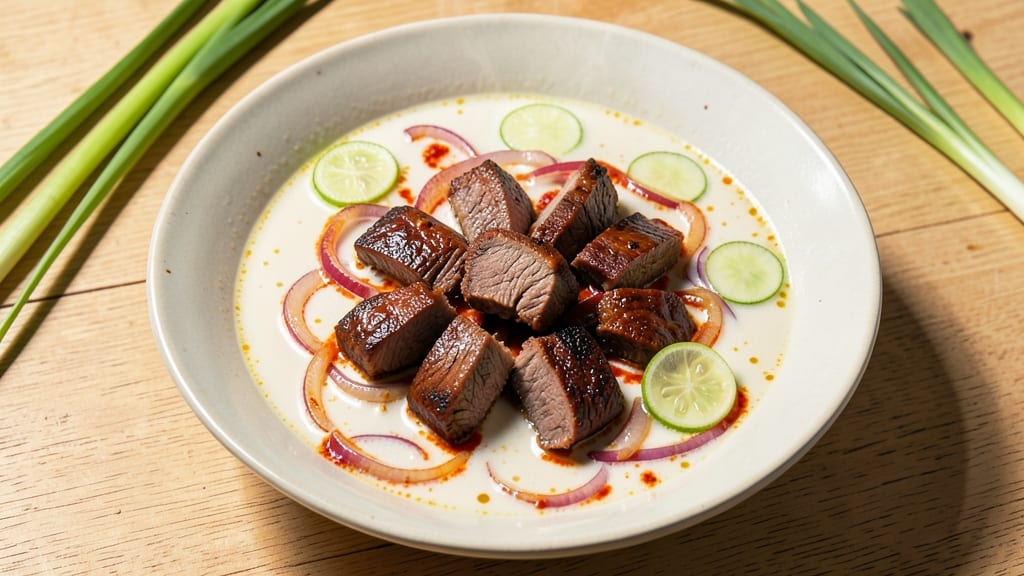
This Singapore beef soup recipe captures the aromatic soul of Southeast Asian dining, where coconut milk and lemongrass create a fragrant broth that feels like a hug in a bowl. 🌟 The slow simmering transforms tough beef into tender, melt-in-your-mouth pieces while infusing the broth with complex, warming spices that define Singapore's culinary heritage.
What sets this apart is the balance of creamy coconut and bright galangal—two ingredients that might seem unusual together but create the perfect harmony in this dish.
The foundation of this recipe lies in its technique: browning the beef for deep flavor, simmering for hours to develop rich umami, and finishing with fresh herbs that add brightness.
Unlike many Western soups, this version embraces the bold flavors of Singapore's street food culture, where coconut and lemongrass are staples in dishes like laksa and beef noodle soup.
The result is a soup that's both comforting and exciting, with layers of texture from tender beef, silky coconut broth, and crisp vegetables.
What you'll end up with is a deeply flavorful soup that's perfect for chilly evenings or as a nourishing meal after a long day. The aroma alone will have everyone gathering around the table, while the first spoonful delivers that perfect balance of creamy, spicy, and savory.
This isn't just another beef soup—it's a taste of Singapore's vibrant street food scene, brought to your kitchen with professional results.
The beauty of this recipe is its versatility—serve it as a standalone meal with steamed rice, or pair it with crusty bread to soak up every last drop of that fragrant broth.
The flavors only deepen as it sits, making it even more delicious the next day. Let's get started on creating this restaurant-quality Singapore beef soup at home.
Ingredients for beef soup recipe singapore
Six aromatic ingredients transform simple beef into Singapore's soul-warming street food masterpiece.
| Ingredient | Amount | Notes |
|---|---|---|
| Beef Chuck Roast 🥩 | 2 lb | Cut into 1-inch cubes |
| Coconut Milk 🥥 | 1 can (13.5 oz) | Full-fat for creaminess |
| Lemongrass 🌿 | 1 whole stalk | Bruised and cut into 2-inch pieces |
| Galangal 🥕 | 1 piece (3-inch) | Peeled and sliced thin |
| Red Curry Paste 🌶️ | 2 tbsp | Store-bought or homemade |
| Onion 🧅 | 1 whole | Chopped into 1-inch pieces |
| Garlic Cloves 🧄 | 6 cloves | Minced for depth of flavor |
| Potatoes 🥔 | 2 medium | Peeled and cut into chunks |
| Carrots 🥕 | 3 whole | Cut into 1-inch pieces |
| Tomatoes 🍅 | 2 whole | Crushed by hand |
| Fish Sauce 🍶 | 1 tbsp | Red Boat brand preferred |
| Sugar 🍯 | 1 tbsp | Brown sugar for caramel notes |
| Salt 🧂 | 1 tsp | Kosher or sea salt |
| Black Pepper 🌶️ | ½ tsp | Freshly ground for heat |
| Fresh Cilantro 🌿 | ¼ cup | Chopped for garnish |
The beef and coconut milk are non-negotiable for that signature Singaporean richness. Costco or Asian markets have the best chuck roast—look for good marbling. For coconut milk, Thai Kitchen brand is my go-to (the canned kind, not cartons). Lemongrass and galangal? Asian grocery stores sell them fresh—if yours doesn't, frozen works too. The curry paste should smell vibrant, not stale. I grab mine from Trader Joe's when I'm in a pinch, but authentic brands like Maesri take it to the next level.
No lemongrass? Substitute 1 tbsp lemongrass paste or extra galangal. Galangal hard to find? Double the ginger—it's not the same but gets you close. Fish sauce missing? Soy sauce plus a pinch of sugar mimics the umami punch. The potatoes and carrots can be swapped for sweet potatoes or butternut squash if you're feeling adventurous. And if your curry paste is too spicy, balance it with more coconut milk—this soup should be warming, not fiery.
This soup tastes even better the next day—make a double batch if you can. Store in the fridge for 4-5 days or freeze for 3 months. The broth thickens as it cools, so add a splash of water when reheating. For serving, I always keep extra cilantro and lime wedges on hand—squeeze of lime right before eating brightens everything up. The beef gets more tender with each reheat, so plan accordingly!
Why You'll Love This Recipe
- Make a double batch on Sunday: it reheats like a dream for lunches, or bring it to a gathering where everyone’s bringing sides. The flavors only deepen overnight, so leftovers aren’t just "okay"—they’re the star of your next lazy afternoon.
- Foolproof Simplicity: I swear by this recipe because it’s the kind of meal where you can chop one stalk of lemongrass, slice galangal (or skip it—no one will judge), and still end up with something restaurant-worthy. The red curry paste does all the heavy lifting—just simmer it with the beef, add coconut milk, and let it work its magic.
- Creamy-Spicy Magic: That first sip? Chef’s kiss. The coconut milk turns velvety while the curry paste and galangal add a slow-building heat that lingers—like a hug for your taste buds. Honestly, the beef falls apart so easily, you’ll forget to stir.
- Weeknight to Potluck: Make a double batch on Sunday: it reheats like a dream for lunches, or bring it to a gathering where everyone’s bringing sides. The flavors only deepen overnight, so leftovers aren’t just "okay"—they’re the star of your next lazy afternoon.
Step-by-step instructions for spiced coconut and lemongrass beef soup
Here's where the magic happens—let's build this aromatic Singaporean beef soup from scratch!
🔥 Step 1: Sear the Beef for Maximum Flavor
Heat a large Dutch oven or heavy pot over medium-high heat until hot. Add the 2 lb beef chuck roast cut into 1-inch cubes in a single layer, being careful not to overcrowd. Let them sear undisturbed for 3-4 minutes until they develop a deep golden-brown crust—this builds incredible flavor.
Once browned on one side, gently flip each piece and sear the other sides for another 2-3 minutes. Remove the beef with a slotted spoon and set aside. You'll notice the beef releases easily when properly seared—this is your cue to move to the next step. Don't skip this crucial step; it forms the flavor foundation of your soup.
🍳 Step 2: Build the Aromatic Base
In the same pot, reduce heat to medium and add 2 tablespoons red curry paste, stirring constantly for 30 seconds until fragrant. Add the 1 whole onion chopped into 1-inch pieces and the 6 cloves garlic minced, cooking for 2 minutes until softened.
Add the 1 whole stalk lemongrass bruised and cut into 2-inch pieces and the 1 piece (3-inch) galangal peeled and sliced thin. Pour in the 1 can (13.5 oz) coconut milk and stir to combine. Let this mixture simmer gently for 5 minutes—you'll smell the lemongrass and galangal releasing their citrusy, peppery aromas into the coconut milk.
🥘 Step 3: Simmer the Vegetables and Season
Add the 2 medium potatoes peeled and cut into chunks, 3 whole carrots cut into 1-inch pieces, and the 2 whole tomatoes crushed by hand to the pot. Pour in 4 cups water (enough to cover everything by about an inch) and bring to a gentle simmer.
Add the seared beef back to the pot, along with the 1 tablespoon fish sauce, 1 tablespoon sugar, 1 teaspoon salt, and 0.5 teaspoon black pepper. Stir gently to combine. The soup should smell rich and complex—citrusy from the lemongrass, earthy from the galangal, and umami from the fish sauce and beef.
⏰ Step 4: Cook Until Tender and Flavorful
Partially cover the pot and let the soup simmer gently for 1 hour to 1 hour 15 minutes, stirring occasionally. The beef should become fork-tender, falling apart easily when pierced with a fork. You'll know it's ready when the vegetables are soft and the flavors have melded beautifully.
Taste and adjust seasoning if needed—add more fish sauce for saltiness or sugar for sweetness. The soup should be balanced with all the flavors working together harmoniously. If the soup is too thick, add a bit more water to reach your desired consistency.
🍽️ Step 5: Finish and Serve
Remove the lemongrass stalks and galangal slices from the soup. Ladle the hot soup into bowls and garnish each serving with 0.25 cup fresh cilantro chopped for garnish. Serve immediately while hot, with steamed jasmine rice on the side to soak up all that delicious broth.
This soup is a celebration of flavors—creamy coconut milk, aromatic lemongrass, earthy galangal, and tender beef. Each spoonful delivers a perfect balance of spice, sweetness, and umami that makes this Singaporean-inspired dish truly special. Enjoy your homemade feast!
Pro Tips For Making Beef Soup Recipe Singapore
- BLANCH THE GALANGAL FIRST: I learned this the hard way—throwing raw galangal chunks straight into the pot means you’ll spend the next hour fishing out bitter, undercooked pieces. Thinly slice it (about 1/4-inch thick) and simmer in a splash of water for 5 minutes before adding to the soup. This softens it perfectly and lets the flavor meld without overpowering.
- SEAR THE BEEF IN BATCHES: Crowding the pan turns your beef into sad, steamed chunks instead of rich, caramelized pieces. Work in two batches over medium-high heat—about 3 minutes per side—until deep brown. This isn’t just for looks; it builds flavor that cuts through the coconut milk’s creaminess.
- CONTROL THE COCONUT MILK HEAT: Coconut milk curdles faster than you’d think, especially when you’re distracted by the aroma. Once you add it, keep the soup at a gentle simmer (low-medium heat) and stir occasionally. If it splits, whisk in a splash of cold water to smooth it out—no one will ever know you almost ruined it.
- USE FROZEN LEMONGRASS STALKS: Sounds weird, but it works: freeze your lemongrass stalks whole for 30 minutes before chopping. The ice makes it easier to slice into even 1-inch pieces, and it releases aroma more aggressively when simmered. No more struggling with slippery stalks or uneven flavor distribution.
Regional styles of these flavors
Hawker-Style Street Food
This soup draws inspiration from Singapore's legendary hawker centers, where vendors simmer beef in coconut broth infused with lemongrass and galangal. The key difference? Traditional versions often use beef brisket or shank instead of chuck roast, but I find chuck delivers the perfect balance of tenderness and flavor.
Look for Red Bridge or Thai Kitchen coconut milk for that authentic richness—never the light version. 🌶️
In hawker stalls, they serve this with soft, steamed rice and a side of pickled vegetables to cut through the creaminess. I like adding a squeeze of lime juice at the table for that signature tang.
The secret to restaurant-quality results? Simmering the beef low and slow—this transforms tough cuts into melt-in-your-mouth pieces that'll have everyone asking for seconds.
Peranakan Fusion Twist
The Peranakan Chinese community in Singapore blends Malay and Chinese flavors beautifully, and this soup reflects that fusion. For a Peranakan-inspired version, add ½ cup shredded kaffir lime leaves (found in Asian markets) to the broth—they add a bright, citrusy aroma that's signature to Peranakan cooking.
I also like stirring in 1 tbsp tamarind paste at the end for a subtle tartness that balances the coconut sweetness. 🍋
Another Peranakan touch? Top each bowl with crispy fried shallots and a sprinkle of toasted coconut flakeswhite pepper instead of black—it gives a more refined, aromatic finish that feels very Peranakan.
Modern Singaporean Adaptations
Today's Singaporean kitchens often incorporate modern techniques while keeping traditional flavors. One trend I love is using a pressure cooker to cut the simmering time to just 30 minutes—the beef stays tender, and the coconut milk doesn't separate.
If you try this, add the coconut milk only at the very end to preserve its creaminess. For a restaurant-style presentation, serve in deep, wide bowls with a side of chili oil for dipping. ✨
Another contemporary twist is adding mushrooms like oyster or shiitake—they absorb the coconut broth beautifully and add an earthy depth. I like using 8 oz sliced mushrooms added with the potatoes.
For a vegetarian version (though not traditional), swap the beef for extra-firm tofu pressed and cubed, then marinated in soy sauce and garlic before cooking.
Regional Malaysian Variations
Just across the Causeway in Malaysia, this soup becomes beef rendang—a dry, spiced curry rather than a soup. The key difference is using more coconut milk (up to 2 cans) and simmering until the beef is falling apart.
For a Malaysian-inspired soup, add 1 tbsp shrimp paste (belacan) to the curry paste for extra umami depth. The result is richer and more concentrated in flavor. 🌴
In Penang, they often serve this with hard-boiled eggs and cucumber slices on the side—a refreshing contrast to the spicy, creamy soup. For a Penang-style touch, stir in 1 tsp turmeric with the curry paste for that signature golden color.
The turmeric adds warmth without overpowering the other spices, creating a more balanced flavor profile that's very Penang.
Nutrition facts
Frequently asked questions
What makes this Singapore beef soup different from other coconut-based soups?
This recipe blends Singapore's signature ingredients—lemongrass and galangal—with coconut milk for a unique balance of citrusy, peppery, and creamy flavors. Unlike Thai soups, it uses red curry paste instead of green, and the slow simmer transforms tough beef into melt-in-your-mouth pieces. The addition of fish sauce and sugar creates that perfect umami-sweet harmony found in Singapore hawker stalls.
Can I use regular ginger instead of galangal?
Yes, but the flavor will be different. Galangal has a citrusy, peppery kick that's essential for authentic Singapore flavors. If you must substitute, use double the amount of ginger (about 2 inches) and add ½ teaspoon of black pepper to mimic galangal's heat. For best results, try to find fresh galangal at an Asian market—it's worth the hunt!
How do I know when the beef is tender enough?
The beef should be fork-tender after 1 hour to 1 hour 15 minutes of simmering. Test by piercing a piece with a fork—it should easily shred apart. If it's still tough, simmer uncovered for another 15-20 minutes with a splash of water. Never rush this step; slow cooking is key to that restaurant-quality texture. The broth should also smell rich and aromatic, not metallic.
Can I make this soup in an Instant Pot?
Sear the beef first, then add all ingredients except the coconut milk. Cook on high pressure for 40 minutes, then carefully release pressure. Stir in the coconut milk at the end to prevent curdling. The beef will be tender, but the coconut milk won't separate like it might with long simmering. For extra richness, add ½ cup water at the end to thin the broth slightly.
What can I serve with this Singapore beef soup?
This soup pairs perfectly with steamed jasmine rice to soak up the flavorful broth. For a complete meal, add pickled vegetables (like cucumber or daikon) for acidity, and serve with crusty bread or mantou (Singaporean steamed buns). Garnish with lime wedges and fresh cilantro—squeeze of lime right before eating brightens the flavors even more!