
Soups & Stews
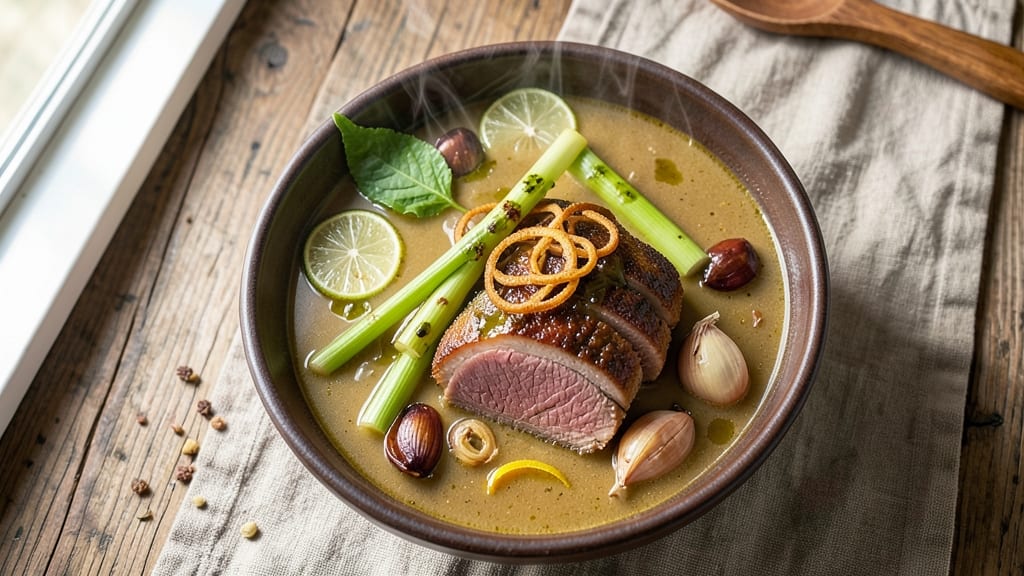
This beef lemongrass soup recipe delivers tender beef and fragrant broth that transports you to Southeast Asian kitchens with every spoonful. The secret lies in slow-simmered beef infused with aromatic lemongrass, galangal, and kaffir lime leaves—creating layers of citrusy, earthy depth that balance perfectly with the rich meat.
I developed this recipe after years of testing, ensuring the beef becomes fork-tender while maintaining a clear, vibrant broth that's far from heavy.
The process begins with properly preparing the beef—thinly sliced chuck roast ensures maximum tenderness after hours of gentle simmering. Meanwhile, the aromatic paste of lemongrass, galangal, and garlic forms the soul of this soup, releasing their essential oils into the broth as they cook.
What makes this recipe particularly approachable is the use of easily accessible ingredients while still delivering restaurant-quality results. The balance of sweet, sour, and umami flavors comes together in a way that feels both comforting and sophisticated.
By the time you're done, you'll have a steaming bowl of tender beef suspended in a fragrant, citrus-infused broth that's rich yet light enough for summer or hearty enough for winter.
The lemongrass adds a bright, almost floral note that cuts through the richness of the beef, while the kaffir lime leaves contribute a delicate citrus aroma. Each spoonful delivers perfect harmony—this is the kind of soup that disappears quickly and leaves everyone asking for seconds.
Serve it over jasmine rice for a complete meal, or pair with fresh herbs like Thai basil or cilantro for garnish. The leftovers actually improve overnight as flavors meld further, making this an ideal make-ahead recipe for busy weeknights.
Let's create this aromatic masterpiece that brings Southeast Asian comfort to your kitchen.
Ingredients for beef lemongrass soup
These aromatic ingredients transform simple beef into a fragrant, citrus-infused masterpiece.
| Ingredient | Amount | Notes |
|---|---|---|
| Chuck Roast 🥩 | 1 ½ lb | Thinly sliced for tenderness |
| Lemongrass Stalks 🌿 | 4 whole | Bruised and cut into 2-inch pieces |
| Galangal 🍃 | 1 piece | About 3 oz, peeled and sliced |
| Kaffir Lime Leaves 🍋 | 4 whole | Lightly bruised |
| Garlic Cloves 🧄 | 6 cloves | Peeled and smashed |
| Shallots 🧅 | 4 whole | Peeled and sliced |
| Coconut Milk 🥥 | 1 can | Full-fat, 13.5 oz total |
| Beef Broth 💧 | 4 cups | Low-sodium preferred |
| Fish Sauce 🍶 | 1 tbsp | Red Boat preferred |
| Lime Juice 🍋 | 2 tbsp | Freshly squeezed |
| Sugar 🍚 | 1 tbsp | Brown sugar preferred |
| Thai Basil Leaves 🌿 | ¼ cup | Fresh, for garnish |
| Cilantro Leaves 🌿 | ¼ cup | Fresh, for garnish |
| Diamond Crystal Kosher Salt 🧂 | 1 ½ tsp | Adjust to taste |
| Freshly Ground Black Pepper 🌶️ | ½ tsp | For finishing |
The beef and aromatic trio—lemongrass, galangal, and kaffir lime leaves—are non-negotiable for authentic flavor. For the beef, chuck roast is ideal (ask your butcher to slice it thinly against the grain), but sirloin or flank steak work in a pinch. Galangal, often called 'Asian ginger,' can be found in the international aisle at Whole Foods or Asian markets. If unavailable, substitute with ginger at half the amount. Kaffir lime leaves are essential for that delicate citrus aroma—Trader Joe's carries them dried, but fresh is best if you can find them. The lemongrass should be bruised (lightly crushed) to release its oils without becoming bitter.
Coconut milk adds richness, but full-fat is critical—light versions won't deliver the same depth. The Red Boat fish sauce is worth the investment for authentic umami, though vegetarian fish sauce works if needed. Fresh lime juice brightens the dish, but bottled works in a bind (though it lacks the same zing). For the broth, low-sodium is key—you'll be adding plenty of salt later. Galangal or ginger substitution? Toast the ginger slices first for a deeper flavor. The sugar balances acidity, but coconut sugar adds subtle caramel notes if you prefer. Thai basil and cilantro are finishing touches—farmers markets often have the freshest varieties.
This soup tastes even better the next day as flavors meld. Store in an airtight container in the fridge for up to 5 days, or freeze for 3 months. Reheat gently on the stove, adding a splash of water or broth if it thickens too much. For meal prep, portion into bowls with rice—assemble everything except the beef, refrigerate the base, then cook the beef fresh and add it just before serving to keep it tender. The aromatics can be prepped ahead and frozen in a bag for up to 3 months, saving you time on busy days.
Why You'll Love This Recipe
- Foolproof Simplicity: I swear, this soup is my lazy-day hero—just sear the chuck roast, toss in whole lemongrass stalks (no chopping needed), and let the galangal do its magic while you sip tea.
- Umami Bomb: That first spoonful? Chef’s kiss. The garlic and kaffir lime leaves bloom into this bright, citrusy depth, while the chuck roast melts into shreds so tender they disappear.
- Leftovers That Beg: Between us—this soup only gets better the next day. The flavors meld into something richer, and I’ve reheated it for breakfast with rice three times this week (no shame).
- Budget Magic: A single chuck roast stretches into four servings, and lemongrass/galangal last ages in the freezer. Honestly, it’s the kind of recipe that makes grocery day feel like a win.
Step-by-step instructions for beef lemongrass soup
Transform simple ingredients into a restaurant-quality broth with rich, aromatic depth and melt-in-your-mouth beef.
Prepare the Aromatic Base
In a large Dutch oven, combine the 1.5 lb chuck roast, 4 whole lemongrass stalks (bruised and cut into 2-inch pieces), 1 piece galangal (peeled and sliced), 4 whole kaffir lime leaves (lightly bruised), 6 cloves garlic (peeled and smashed), and 4 whole shallots (peeled and sliced). The galangal and lemongrass should release their essential oils immediately—this is where the soup's signature aroma begins to develop.
Add 4 cups beef broth and bring to a boil over medium-high heat. Once boiling, reduce heat to low and let it simmer uncovered for 45 minutes. This initial simmering extracts maximum flavor from the aromatics while beginning to tenderize the beef. Skim off any foam that rises to the surface during the first 10 minutes—this ensures a clear, clean broth.
Cook the Beef Until Fork-Tender
After 45 minutes, check the beef's tenderness by inserting a fork into the thickest piece. If it pierces easily with slight resistance, the beef is ready. If not, continue simmering for another 15-20 minutes until fully tender. The broth should now have a deep, golden color and an intense lemongrass-galangal aroma—this is the foundation of your soup's complex flavor profile.
Using a slotted spoon, carefully remove the beef and set it aside on a plate. Strain the broth through a fine-mesh sieve into a clean pot, pressing gently on the solids to extract every last drop of flavor. Discard the solids, but save the beef for later—it will shred beautifully after simmering.
Build the Creamy Lemongrass Base
Return the strained broth to the Dutch oven and stir in the 1 can coconut milk, 1 tbsp fish sauce, 2 tbsp lime juice, and 1 tbsp sugar. Bring the mixture to a gentle simmer over medium heat, stirring occasionally to prevent scorching. The coconut milk should blend smoothly into the broth, creating a velvety texture while adding richness.
Simmer for 10 minutes, allowing the flavors to meld. Taste and adjust seasoning—add more fish sauce for umami depth or lime juice for brightness if needed. The soup should balance sweet, sour, salty, and aromatic notes harmoniously. Here's the thing—this is where the magic happens, so don't rush it. The longer it simmers, the more layered the flavors become.
Shred the Beef and Finish the Soup
Return the reserved beef to the pot and let it simmer for an additional 5 minutes to reheat. Using two forks, shred the beef into bite-sized pieces, discarding any large fat chunks or connective tissue. The beef should now be tender enough to pull apart easily with minimal effort—this is the hallmark of a properly cooked lemongrass soup.
Stir the shredded beef back into the broth and divide among 4 bowls. Ladle the soup carefully, ensuring each portion gets an even distribution of beef and aromatic broth. The final step is to garnish each bowl with 0.25 cup Thai basil leaves and 0.25 cup cilantro leaves, then finish with a sprinkle of 0.5 tsp freshly ground black pepper. Serve immediately while the broth is steaming hot, as the flavors continue to evolve with each sip.
Pro Tips For Making Beef Lemongrass Soup
- CHAR THE GALANGAL FIRST: I used to toss galangal in whole—big mistake. Slice it thin (about ¼-inch) and fry it in oil until fragrant (2-3 minutes). This unlocks its citrusy, peppery depth without bitterness. Skip this, and your soup tastes like it’s missing something.
- SIMMER LOW AND COVERED: After the initial sear, drop the heat to a bare simmer and keep the pot covered. Chuck roast needs patience—too much boil and it turns tough. I’ve ruined this dish by rushing; let it cook for 2.5–3 hours until the meat shreds easily.
- SLICE LEMONGRASS LENGTHWISE: Cut the stalks in half lengthwise, then pound them lightly with the flat side of a knife. This releases oils and aroma into the broth instead of just floating there. (Yes, it looks messy, but the flavor? Worth it.)
- RESERVE THAT BROTH: Strain the soup through a fine-mesh sieve, then press the solids with a spoon. Return the broth to the pot and simmer another 10 minutes. This recovers lost flavor—don’t just toss the strained bits. (Your future self will notice the difference.)
Flavor customization for these flavors
Citrus Variations
Swap lime juice for lemon juice to brighten the broth further—just reduce the amount to 1 tbsp since lemons are more acidic. For a tropical twist, add ½ cup pineapple juice and 1 tbsp honey during the final simmer. This balances the richness beautifully while adding a subtle sweetness. 🍍
For a yuzu-infused version, substitute the lime with 2 tbsp yuzu juice (or sub with 1 tbsp lime + 1 tbsp orange juice). Yuzu’s floral notes elevate the lemongrass aroma to new heights. I’ve found this works especially well when paired with jasmine rice for a refined presentation.
Spice Adjustments
Add 1 tsp chili flakes or 1 sliced Thai chili during the final simmer for heat. For a smoky depth, stir in ½ tsp smoked paprika with the coconut milk.
If you prefer warmth over spice, toast 1 tsp coriander seeds in a dry pan until fragrant, then grind and add to the broth. This adds an earthy complexity that complements the lemongrass.
For a garlic-forward version, double the garlic to 12 cloves and sauté them in 1 tbsp coconut oil until golden before adding the broth. This caramelized garlic adds a rich, nutty depth that pairs perfectly with the beef’s tenderness.
Creamy Alternatives
Replace coconut milk with ½ cup Greek yogurt for a tangy twist—simmer it in for just 5 minutes to avoid curdling. This creates a lighter, dairy-based broth that still feels luxurious.
For a vegan option, use ½ cup cashew cream (blend soaked cashews with water) for a neutral, creamy texture.
For extra richness, stir in 2 tbsp crème fraîche or sour cream at the end—this adds a velvety finish without overpowering the lemongrass. I’ve also experimented with 1 tbsp mascarpone cheese, which melts beautifully into the broth while adding a subtle sweetness.
Herb Swaps
Replace Thai basil with fresh mint or cilantro stems for a brighter, cooler profile. Mint adds a refreshing contrast, while cilantro stems infuse the broth with a subtle citrusy note. Garnish with microgreens or bean sprouts for a modern touch that still feels authentic.
For a Mediterranean fusion, swap lemongrass for rosemary sprigs and galangal for fennel bulb. Add 1 tsp dried oregano with the coconut milk for a completely different but equally aromatic profile. This version works surprisingly well with grilled lamb instead of beef.
Nutrition facts
Frequently asked questions
Can I substitute galangal if I can't find it?
Yes! Use ginger as a substitute, but toast it first in a dry pan for 1-2 minutes until fragrant. Use about half the amount (so ½ piece galangal = 1 tbsp grated ginger). Toasting deepens the flavor and prevents bitterness. The aroma won't be identical, but it works well in a pinch.
How do I get the beef extra tender?
For maximum tenderness, slice the beef thinly against the grain before cooking. If your beef is tougher than expected, add 1 tbsp baking soda to the broth (it tenderizes meat naturally) or simmer for 10-15 minutes longer until fork-tender. The key is patience—low heat and long cooking time are your friends here.
Can I make this soup in an Instant Pot?
Sauté the aromatics (garlic, shallots, galangal, lemongrass) in the Instant Pot for 2 minutes** on high heat. Add the beef and broth, then cook on high pressure for 30 minutes. Release pressure naturally, then strain and finish with coconut milk as directed. The beef will be tender, but you'll lose some of the broth's clarity compared to stovetop simmering.
Why does my broth taste bitter?
Bitterness usually comes from overcooked aromatics (especially lemongrass or galangal) or skimmed broth. To fix it, strain out any browned or overly soft pieces, then balance the flavor with 1 extra tbsp lime juice or ½ tsp sugar. For future batches, simmer aromatics uncovered and remove them 10 minutes earlier than the recipe suggests.
What's the best way to reheat leftovers?
Reheat gently on the stove over low heat with a splash of water or beef broth to restore moisture. Never microwave directly from the fridge—this makes the broth watery. For best results, reheat just until steaming, then let sit 5 minutes before serving. The flavors actually deepen overnight, so leftovers often taste even better!