
Soups & Stews
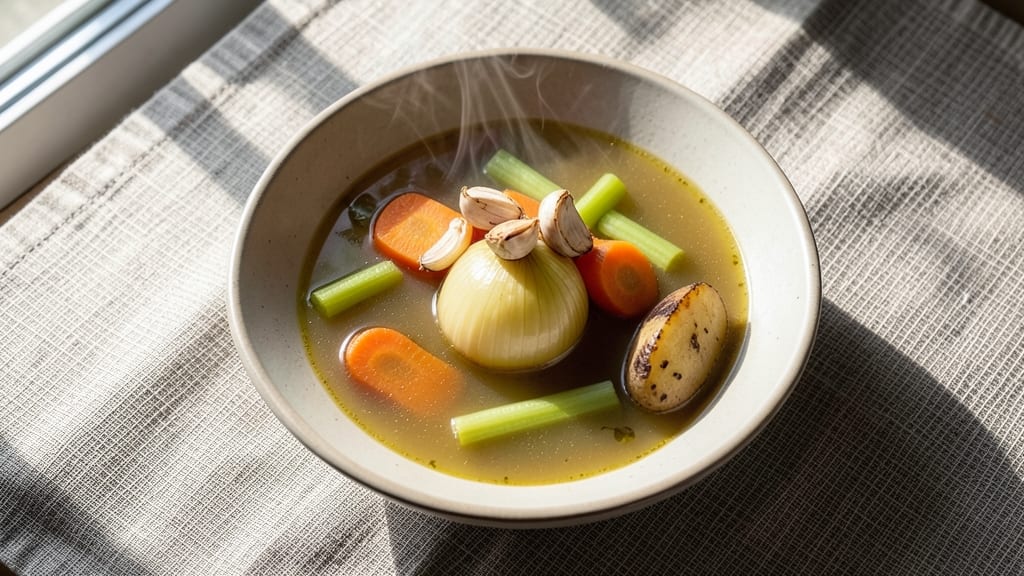
A basic soup recipe transforms simple pantry staples into hearty comfort in record time—this is the one I turn to when I need nourishing, fast, and foolproof results.
The beauty of this method lies in its adaptability: swap ingredients based on what you have, and you’ll always end up with a satisfying bowl of warmth. I’ve perfected it over years of weeknight cooking, ensuring it never tastes like a shortcut.
This recipe relies on three core components: a flavorful broth, tender vegetables, and a touch of protein or starch for substance. You’ll start with onions and garlic as your aromatic base, then build layers of texture with carrots, celery, and potatoes—classic combinations that work every time.
The key is simmering at a steady temperature, which develops deep flavor without requiring constant attention.
Within 20 minutes, you’ll have a velvety soup that’s rich enough to stand alone but light enough for any meal. The broth will be aromatic with just a hint of caramelized depth, while the vegetables stay tender-crisp.
This isn’t just a quick fix; it’s a foundation you can customize with herbs, spices, or leftover meats to suit your taste.
Perfect for chilly evenings or as a base for meal prep, this soup delivers restaurant-quality comfort without the fuss. Let’s make it—your pantry and taste buds will thank you.
Ingredients for basic soup
Pantry staples meet simmered comfort—this soup starts with onions and garlic, builds with veggies, and finishes with hearty flavor.
| Ingredient | Amount | Notes |
|---|---|---|
| Yellow Onion 🧅 | 1 whole | Diced medium-fine for even cooking |
| Garlic Cloves 🧄 | 4 cloves | Peeled and minced for aromatic base |
| Carrots 🥕 | 2 medium | Peeled and sliced into 1/4-inch rounds |
| Celery Stalks 🌿 | 2 whole | Trimmed and cut into 1/2-inch pieces |
| Russet Potatoes 🥔 | 2 medium | Peeled and cubed into 1-inch pieces |
| Chicken Broth 💧 | 4 cups | Low-sodium preferred for flavor control |
| Extra-Virgin Olive Oil 🫒 | 2 tbsp | For sautéing vegetables thoroughly |
| Salt 🧂 | 1 tsp | Kosher salt for balanced seasoning |
| Black Pepper 🌶️ | ½ tsp | Freshly ground for best flavor |
| Fresh Thyme 🌿 | 1 tbsp | Leaves only, chopped for herbal notes |
| Bay Leaf 🍃 | 1 whole | For subtle aromatic depth |
| Chicken Breast 🍗 | ½ lb | Boneless, skinless, diced small |
| Fresh Parsley 🌿 | 2 tbsp | Chopped for garnish and freshness |
The vegetables are where this soup shines. Carrots and celery from the crisper section at Trader Joe's or Whole Foods stay crisp longer—look for firm, vibrant ones. Russet potatoes are ideal here because they hold their shape without turning mushy. If you're short on time, pre-cut frozen veggies work perfectly (no thawing needed). The chicken breast? Grab the boneless, skinless package from the meat counter—it cooks fast and stays tender. Fresh thyme and parsley make all the difference, but dried will work in a pinch.
No fresh thyme? Dried thyme at one-third the amount gets you close. Out of chicken? White beans or lentils add protein and bulk without changing the method. The broth can be homemade or store-bought—just check the sodium if you're watching that. For extra richness, stir in 1 tbsp of heavy cream or butter at the end. The bay leaf is non-negotiable though—it adds that subtle depth that separates good soup from great soup. No need to peel the potatoes if you're in a rush, but scrubbing them well ensures no gritty bites.
This soup reheats beautifully—just add a splash of water or broth if it gets too thick. Keeps for 4-5 days in the fridge, freezes for 3 months if you want to make a big batch. I always double the recipe and freeze half for lazy days. Garnish with fresh parsley right before serving—it brightens up the whole bowl. Leftovers taste even better the next day as the flavors meld together.
Why You'll Love This Recipe
- Pantry-Friendly Staples: I swear by this combo—onion, carrots, celery, and potatoes are the holy trinity of soup ingredients. No specialty items, no hunting for obscure spices. Just chop, simmer, and you’ve got a base that works every time.
- Savory Depth in Minutes: That caramelized onion and garlic? Pure magic. The potatoes soak up all the flavor while staying tender, and the celery adds this subtle, earthy crunch that makes it feel like a restaurant-quality bowl.
- Weeknight to potluck: Make a double batch on Sunday and reheat for lunches all week. Or take it to a gathering—it’s hearty enough to stand alone but simple enough that no one will ask, "What’s in it?" (Yes, even on a Tuesday night.)
- Budget-Busting Comfort: A single onion, a few carrots, and a potato go a long way. This soup stretches to feed four for under $5, and leftovers taste just as good cold the next day—perfect for packed lunches or when you’re too tired to cook.
Step-by-step instructions for basic soup recipe
This simple method transforms pantry staples into a comforting bowl of soup in minutes.
Sauté the Vegetable Base
Heat the 2 tablespoons extra-virgin olive oil in a large pot over medium heat. Add the 1 whole yellow onion, 2 medium carrots, and 2 whole celery stalks all at once. Stir frequently for 5-6 minutes until the vegetables soften and the onion becomes translucent.
Here's the thing—you want the vegetables to develop some color and release their natural sweetness. If the pot starts to smell too strong or the onions darken, reduce the heat slightly. Add the 4 cloves garlic cloves and 1 tablespoon fresh thyme after 3 minutes of cooking to prevent burning.
Build the Soup Foundation
Pour in the 4 cups chicken broth and bring the mixture to a gentle boil. Once boiling, reduce heat to medium-low and add the 2 medium russet potatoes and 1 whole bay leaf. Stir gently to submerge the potatoes completely.
Let the soup simmer uncovered for 10 minutes until the potatoes begin to soften. You'll know it's ready when the edges of the potato cubes start to break down slightly. This is when the flavors meld together beautifully—don't rush this step.
Cook the Chicken
Add the 0.5 pound chicken breast to the simmering pot. Increase heat to medium-high and bring the soup back to a boil. Once boiling, reduce heat to medium-low and let it simmer for 8-10 minutes until the chicken is fully cooked through.
To check doneness, use a fork to pierce the largest piece of chicken—it should flake easily with no pink remaining. If it's not quite there, give it another 2-3 minutes of cooking time. Real talk: Overcooking chicken turns it rubbery, so keep an eye on it.
Season and Finish
Remove the pot from heat and discard the bay leaf. Stir in the 1 teaspoon salt and 0.5 teaspoon black pepper. Taste the broth and adjust seasoning if needed—this is where you can make it truly your own. I usually add a pinch more salt at this stage.
Using two forks, carefully shred the chicken directly in the pot, breaking it into small, bite-sized pieces. This keeps all the juices and flavors contained in the soup. Return the pot to low heat and let it simmer for another 2 minutes to ensure everything is heated through.
Serve with Freshness
Ladle the soup into bowls and garnish each serving with 2 tablespoons fresh parsley. The parsley adds a bright, fresh contrast to the hearty soup and makes it look beautiful too. Serve immediately while warm.
This soup delivers on comfort in every spoonful—creamy from the potatoes, savory from the chicken, and aromatic from the thyme and bay leaf. The best part? It's ready in under 20 minutes and tastes like it simmered all day.
Pro Tips For Making Basic Soup
- SWEAT THE VEGETABLES: After burning three batches of onions, I finally learned to cook them low and slow—no rushing—until they’re translucent and just starting to caramelize. That’s when the garlic and celery join the party, so don’t walk away.
- CHOP CARROTS UNEVENLY: Skip the perfect dice. Toss carrots in rough chunks (some thick, some thin) so they don’t all turn to mush at the same time. The soup stays textured, and you won’t spend 10 minutes peeling and dicing like it’s a fine-dining dish.
- DON’T SKIP THE POTATO SOAK: Russets soak for 10 minutes in cold water before adding them to the pot—washes off excess starch, keeps the soup from getting gluey. Drain well, or you’ll end up with a thick, gummy mess instead of a clean broth.
- SALT THE WATER HOT: Add salt after the water boils, not before. Cold water dilutes the seasoning, and you’ll end up guessing how much to add later. Hot water? The flavor locks in instantly—no second-guessing.
Dietary considerations for these flavors
Gluten-Free Adaptations
This soup is naturally gluten-free as long as you use a certified gluten-free chicken broth. I always reach for Pacific Foods or Annie's Homegrown brands—they're reliable and won't compromise the flavor.
The vegetables, potatoes, and chicken are all gluten-free staples, so no substitutions are needed here. Just double-check your broth label to ensure it doesn't contain hidden wheat or barley. 🌱
Vegetarian Version
Swap out the chicken for 1 cup dried white beans or 1 cup cooked lentils to keep it vegetarian. I prefer white beans because they hold their shape and absorb the broth beautifully. Add them to the pot with the potatoes and simmer for 15 minutes until tender.
For extra protein, stir in ½ cup crumbled feta cheese at the end. The flavor stays just as hearty without any meat.
Low-Sodium Options
To reduce sodium, use low-sodium chicken broth and skip adding salt until the very end. Taste the broth after simmering and adjust with just ½ teaspoon salt or less.
Fresh herbs like thyme and parsley add natural flavor without sodium. I also recommend using no-salt-added canned beans if you choose the vegetarian version. 💡
Dairy-Free Adjustments
If you're avoiding dairy, skip the optional cream or butter at the end. Instead, stir in 1 tablespoon nutritional yeast for a cheesy flavor without dairy. Nutritional yeast also adds a boost of vitamin B12, which is great for plant-based diets.
The soup remains just as creamy from the potatoes and broth alone.
Allergen-Friendly Tips
For nut allergies, ensure all ingredients are nut-free—especially if using pre-made broths or garnishes. If celery is a concern, substitute with zucchini or bell peppers for a similar texture.
Always check labels on canned goods and broths for potential cross-contamination warnings. I keep a separate set of utensils and cutting boards for allergen-friendly cooking when needed. ✨
Keto-Friendly Swap
For a keto version, replace the potatoes with cauliflower florets and reduce the carrots to 1 small carrot for lower carbs. Use bone broth instead of chicken broth to keep it higher in protein and lower in sodium.
The cauliflower will soften in about 8-10 minutes of simmering. Garnish with fresh herbs instead of parsley if needed for flavor variety.
Nutrition facts
Frequently asked questions
Can I make this basic soup without chicken?
Swap the chicken for 1 cup dried white beans or 1 cup cooked lentils for a vegetarian version. Add them with the potatoes and simmer for 15 minutes until tender. For extra protein, stir in ½ cup crumbled feta cheese at the end. The broth will still be flavorful and hearty.
Why does my soup taste bland even after seasoning?
Blandness often comes from under-seasoned broth or overcooked vegetables. Always use low-sodium broth and add salt at the end. For extra depth, toast 1 tsp garlic powder in the oil before adding veggies, or stir in 1 tbsp lemon juice at the end. Simmering uncovered helps concentrate flavors too.
Can I use frozen vegetables instead of fresh?
Yes! Frozen veggies work perfectly—just skip thawing. Add them directly to the pot with the broth and simmer for 5-7 minutes longer until tender. The texture will be slightly softer, but the flavor stays just as rich. Great for quick weeknight meals when fresh produce isn't available.
How do I adjust the thickness of the soup?
For a thicker consistency, mash 1 potato with a fork before adding it back to the pot. For a lighter broth, strain out some veggies or add ½ cup extra broth. If it's too thick after cooking, thin it with ¼ cup water or broth while reheating. Stir well to avoid lumps.
Is this soup freezer-friendly?
Yes! Let the soup cool completely, then transfer to airtight containers, leaving 1-inch headspace for expansion. Freeze for up to 3 months. Thaw overnight in the fridge and reheat on the stove over medium-low heat, stirring occasionally. Add a splash of water if it thickens too much.