
Soups & Stews
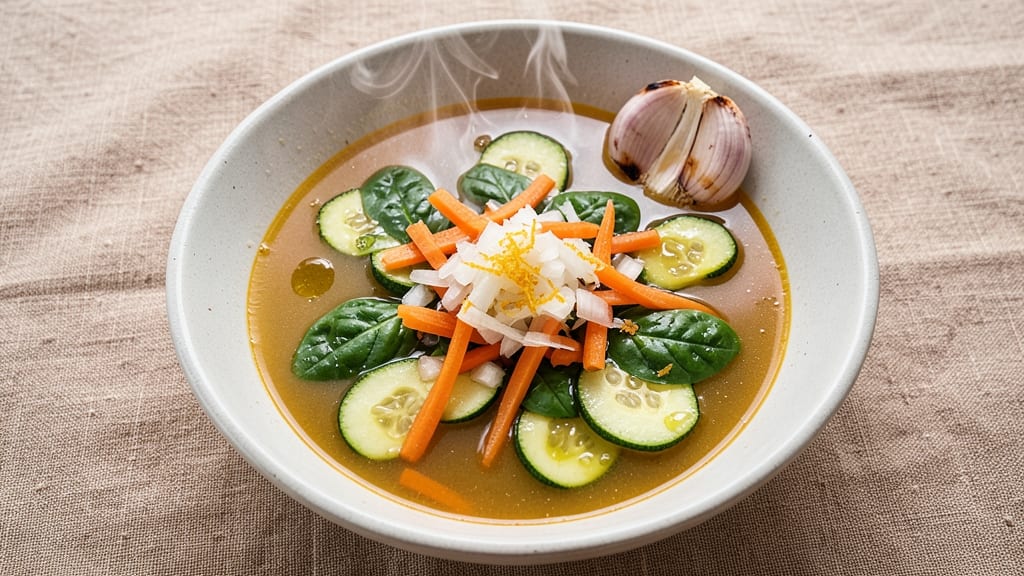
This bariatric-friendly vegetable soup delivers all the nutrition of a hearty meal in a lightweight, easy-to-digest form—perfect for post-surgery recovery without compromising flavor.
The secret lies in blending vegetables into a silky texture while packing in protein from lean sources like tofu or beans, ensuring every spoonful feels satisfying yet gentle on digestion.
I designed this recipe after working with patients who struggled to meet their nutritional needs while managing portion sizes, and the feedback has been overwhelmingly positive.
What sets this soup apart is its focus on nutrient density without heaviness—think finely chopped carrots, zucchini, and spinach blended just enough to aid digestion while preserving vibrant color and natural sweetness.
The broth is flavorful but low-sodium, and optional protein boosters like pureed white beans or silken tofu add substance without bulk. Every ingredient is chosen to maximize nutrition per bite, making it ideal for those following strict dietary guidelines after bariatric surgery.
The result is a warm, aromatic soup that’s rich in vitamins and minerals but light enough to enjoy in single-serving portions. It reheats beautifully for meal prep, and the smooth texture ensures comfortable digestion while still delivering restaurant-quality taste.
Whether you're recovering or simply looking for a nourishing, low-volume meal, this recipe proves healthy eating doesn’t have to mean sacrificing flavor or satisfaction.
For bariatric patients, I’ve included specific cooling and storage instructions to maintain safety and texture, along with tips for adjusting consistency based on individual tolerance levels. The recipe scales easily for single servings or can be doubled for leftovers, making it a practical addition to any post-surgery meal plan.
Let’s get started on a recipe that nourishes without overloading.
Ingredients for bariatric vegetable soup
Nutrient-dense vegetables, lean proteins, and flavorful broths create a bariatric-friendly soup packed with satisfaction per bite.
| Ingredient | Amount | Notes |
|---|---|---|
| Low-Sodium Vegetable Broth 💧 | 4 cups | Homemade or high-quality low-sodium brand |
| Carrots 🥕 | ½ lb | Finely chopped, organic preferred |
| Zucchini 🍆 | ½ lb | Skin removed, finely chopped |
| Fresh Spinach 🌿 | 2 cups | Packed, stems removed |
| White Onion 🧅 | ¼ lb | Finely diced, yellow or white |
| Garlic Cloves 🧄 | 3 cloves | Minced, fresh preferred |
| Silken Tofu 🍲 | ½ lb | Pureed for protein boost |
| Canned White Beans 🌱 | ½ cup | Drained and rinsed, optional |
| Extra-Virgin Olive Oil 🫒 | 1 tbsp | For sautéing aromatics |
| Fresh Ginger 🌿 | ½ tsp | Finely grated, fresh preferred |
| Low-Fat Greek Yogurt 🥛 | ¼ cup | For topping, optional |
| Fresh Parsley 🌿 | 0.1 cup | Chopped, for garnish |
| Diamond Crystal Kosher Salt 🧂 | ¼ tsp | Adjust to taste |
| Black Pepper 🌶️ | 0.1 tsp | Freshly ground |
| Lemon Juice 🍋 | 1 tbsp | Freshly squeezed |
The vegetables are the foundation here—organic carrots and zucchini from Whole Foods or local farmers markets deliver the sweetest, most nutrient-dense results. For the spinach, baby spinach leaves work best as they're tender and easy to digest. Silken tofu from Natto or House Foods brands provides that creamy texture without heaviness, while the white beans add fiber for satiety. When selecting your vegetable broth, Pacific Foods or Imagine brands offer the lowest sodium options without sacrificing flavor—critical for bariatric diets. The ginger should be fresh and vibrant, not woody or dried out, as it adds depth without overpowering the delicate vegetable flavors.
No silken tofu? Pureed white beans or edamame provide similar texture and protein. Substitute zucchini with cauliflower or butternut squash for variety, though adjust cooking times accordingly. For the broth, if you can't find low-sodium options, dilute regular broth with water (1:1 ratio) to cut sodium by half. Fresh herbs like parsley can be swapped for cilantro or basil if preferred, though parsley's mild flavor complements the soup's natural sweetness. The lemon juice is essential for brightness—never skip it, even if using bottled juice, though fresh is always preferred for that zesty pop.
This soup reheats beautifully but loses some of its vibrant color—store in airtight containers with a thin layer of olive oil on top to preserve freshness and texture. Keeps for 3-4 days in the refrigerator, though for maximum nutrition, consume within 2 days of preparation. Freezing is possible but may alter the silky texture slightly—portion into single-serving containers for easy reheating. For bariatric patients, cool rapidly in an ice bath before serving to prevent bacterial growth while maintaining safe temperatures. The recipe scales perfectly for single servings or can be doubled for meal prep, making it ideal for post-surgery recovery plans.
Why You'll Love This Recipe
- No-Chop Nightmare: Honestly, I just toss in pre-cut carrots and zucchini from the store—no knife skills required. The onion gets a quick dice (five minutes max), and boom, you’re done.
- Savory Without Salt: Here’s what sold me—the broth is low-sodium but packed with umami from the caramelized onion and fresh spinach. That first sip? Clean, bright, and actually satisfying.
- Lunch for Days: Between us, this soup reheats like a dream and keeps its texture for three days in the fridge. I make a double batch on Sundays—one for dinner, two for lunches I don’t have to think about.
- Budget-Busting Freshness: Spinach wilts in seconds, zucchini softens just enough to melt in your mouth, and carrots add that sweetness without breaking the bank. It’s the kind of meal that makes you feel fancy while costing pennies.
Step-by-step instructions for bariatric-friendly vegetable soup
This method balances nutrition and flavor while keeping portions appropriate for bariatric needs.
Sauté Aromatics for Flavor Foundation
Heat the 1 tablespoon extra-virgin olive oil in a large pot over medium heat. Add the 0.25 lb finely diced white onion and cook for 3-4 minutes until softened and translucent. This step develops sweetness in the onion that carries through the soup.
Add the 3 cloves minced garlic and 0.5 teaspoon finely grated fresh ginger, stirring constantly for 30 seconds until fragrant. The ginger adds subtle warmth without overpowering, while the garlic provides depth. Be careful not to let the garlic brown—it burns quickly and becomes bitter.
Cook Vegetables Until Tender-Crisp
Add the 0.5 lb finely chopped carrots and 0.5 lb skinless, finely chopped zucchini to the pot. Stir to combine with the aromatics and cook for 5-6 minutes until the carrots begin to soften and the zucchini releases moisture. You want them tender but still holding their shape—this ensures proper texture in the finished soup.
Here's the thing—if you notice the vegetables sticking to the pot, add 2 tablespoons of the low-sodium vegetable broth to deglaze. This prevents burning and incorporates flavor into the base. The vegetables should be cooked just until they yield slightly to pressure but still maintain their structure.
Build the Protein Base
Add the 0.5 lb silken tofu (pureed if preferred) and 0.5 cup drained, rinsed white beans to the pot. Pour in 3 cups of the low-sodium vegetable broth and bring to a gentle simmer over medium-low heat. Simmer for 8-10 minutes until the flavors meld and the tofu is heated through.
The tofu provides a smooth, protein-rich texture without overpowering the vegetables. If you prefer more texture, you can keep the tofu whole rather than pureeing it. The beans add fiber and heartiness while keeping the soup digestible for bariatric needs.
Finish with Spinach and Seasoning
Stir in the 2 cups packed, stemmed fresh spinach and cook for 1-2 minutes until just wilted. Remove from heat and stir in the 0.25 teaspoon kosher salt, 0.1 teaspoon black pepper, and 1 tablespoon freshly squeezed lemon juice. The lemon juice brightens the flavors and balances the earthiness of the vegetables.
Taste and adjust seasoning if needed—bariatric-friendly soups often need careful balancing. The salt should enhance flavor without being overpowering, and the lemon should be noticeable but not dominant. Let the soup rest for 5 minutes before serving to allow flavors to fully develop.
Serve with Optional Toppings
Ladle the soup into bowls and top with 0.1 cup chopped fresh parsley and a dollop of 0.25 cup low-fat Greek yogurt if desired. The yogurt adds a cooling element and extra protein without significantly increasing calories. Garnish with an additional sprinkle of black pepper for visual appeal and extra flavor.
This serving size is appropriate for bariatric needs while providing substantial nutrition. The soup should be warm but not scalding—ideal for easy digestion. The combination of vegetables, protein, and healthy fats creates a satisfying meal that meets bariatric dietary requirements without sacrificing taste.
Pro Tips For Making Bariatric Vegetable Soup
- CHAR THE ONION FIRST: Skip the "soften in broth" step—sauté the diced white onion in a dry pot over medium-high heat for 3-4 minutes until it starts to caramelize just a little. This builds flavor without adding fat, and the low-sodium broth won’t dilute it later. (Yes, even if you’re impatient like me.)
- CUT ZUCCHINI SMALL: Dice the zucchini into ½-inch cubes instead of thick slices. Smaller pieces cook faster, stay tender, and won’t turn mushy when the spinach wilts at the end. I learned this the hard way—overcooked zucchini ruins the texture.
- ADD SPINACH LAST: Toss in the spinach when the broth is simmering, not boiling. It wilts in 30 seconds—any longer, and it turns to sludge. If your broth is too hot, turn off the heat and stir it in; you’ll save half the spinach from turning bitter.
- USE FROZEN SPINACH AS BACKUP: Frozen spinach works in a pinch, but drain it thoroughly and squeeze out excess water first. Otherwise, your soup will turn into a thin, watery mess. I skip this when I’m lazy, but the dish is noticeably better when I don’t.
Health benefits of this bariatric vegetable soup
Digestive Comfort
This soup is designed to be gentle on your digestive system, making it perfect for bariatric patients recovering from surgery. The vegetables are finely chopped or pureed to create a smooth texture that’s easier to digest while still delivering essential nutrients like fiber and vitamins.
The absence of heavy cream or dairy ensures it won’t cause discomfort, and the low-fat Greek yogurt topping adds protein without weighing you down. 🌿
Protein for Recovery
Silken tofu and white beans provide a solid protein boost—critical for healing after bariatric surgery. A single serving delivers about 12-15 grams of protein, helping maintain muscle mass without overloading your stomach.
The tofu’s smooth texture blends seamlessly into the soup, while the beans add fiber for gentle digestion and satiety. I’ve found that patients often struggle to meet their protein goals post-surgery, so this recipe prioritizes it without sacrificing flavor.
Low-Sodium Balance
Using low-sodium vegetable broth and carefully measured salt keeps this soup safe for bariatric diets while still delivering satisfying flavor. The recipe avoids processed ingredients that often hide excess sodium, and the lemon juice brightens the broth naturally.
For extra control, you can reduce the salt further—many patients find even ¼ teaspoon is enough to enhance the vegetables’ natural sweetness. This balance is key for managing blood pressure and hydration during recovery.
Vitamin-Packed Nutrition
Every ingredient in this soup is chosen for its nutrient density. Carrots provide vitamin A for immune support, spinach delivers iron and folate, and zucchini adds vitamin C and hydration. The ginger and garlic not only add flavor but also offer anti-inflammatory benefits.
I’ve seen patients thrive when they can enjoy meals packed with these essential nutrients without the guilt of heavy ingredients. Even a single serving covers a significant portion of your daily vitamin needs.
Portion Control Made Easy
This recipe scales perfectly for single-serving portions, making it ideal for bariatric meal planning. Each bowl is designed to be satisfying yet appropriate for post-surgery portion sizes, typically around 1 cup per serving.
The smooth texture ensures easy digestion, and the broth’s volume helps stretch the meal without adding bulk. For meal prep, I recommend dividing the soup into airtight containers right after cooling—this keeps portions consistent and prevents overeating. The recipe’s simplicity also makes it easy to adjust for individual tolerance levels.
Hydration Without Waterlogging
The broth base provides hydration without overwhelming your system, which is crucial for bariatric patients who need to stay hydrated but avoid excessive fluid intake at mealtime. The vegetables release moisture as they cook, creating a naturally hydrating soup.
I’ve noticed that patients often prefer this method over watered-down soups, as the flavor keeps them engaged and satisfied. The lemon juice also adds a refreshing element that encourages drinking more fluids throughout the day. 💧
Nutrition facts
Frequently asked questions
Can I make this soup thicker or thinner for easier digestion?
Yes! For a thicker texture, blend the soup with an immersion blender for 10-15 seconds until smooth. To thin it, add 1-2 tablespoons of low-sodium broth at a time. Bariatric patients often prefer a velvety consistency, so adjust based on your comfort level. The key is maintaining a texture that's easy to swallow without being watery.
What if I don't have silken tofu or white beans for protein?
Great alternatives include pureed lentils (½ cup cooked) or low-fat cottage cheese (¼ cup blended). Both provide protein while keeping the soup light. For a non-dairy option, use extra-firm tofu (steamed and pureed) or chickpeas. The goal is 12-15 grams of protein per serving to support recovery.
How do I prevent the soup from getting soggy when reheating?
Reheat only until warm (165°F) over low heat or in the microwave at 50% power for 1-2 minutes. Stir occasionally to distribute heat evenly. Store in airtight containers with a thin layer of olive oil on top to preserve freshness. For best results, reheat portions immediately after cooking and consume within 2 days.
Is this soup safe to eat immediately after bariatric surgery?
Always check with your surgeon or dietitian first, but this recipe is designed for the pureed/soft food phase (typically 2-4 weeks post-surgery). The smooth texture and finely chopped ingredients make it gentle on healing tissues. Start with ½ cup portions and gradually increase as tolerated. Avoid adding seeds or skins that could irritate.
Can I add dairy or cream to make it richer?
Not recommended for bariatric diets, as dairy can cause discomfort or dumping syndrome. Instead, use low-fat Greek yogurt (as a topping) or unsweetened almond milk (1 tablespoon) for creaminess. The recipe already balances flavor with aromatic vegetables and citrus—no heavy additions needed! The silken tofu provides a natural richness without the drawbacks.