
Soups & Stews
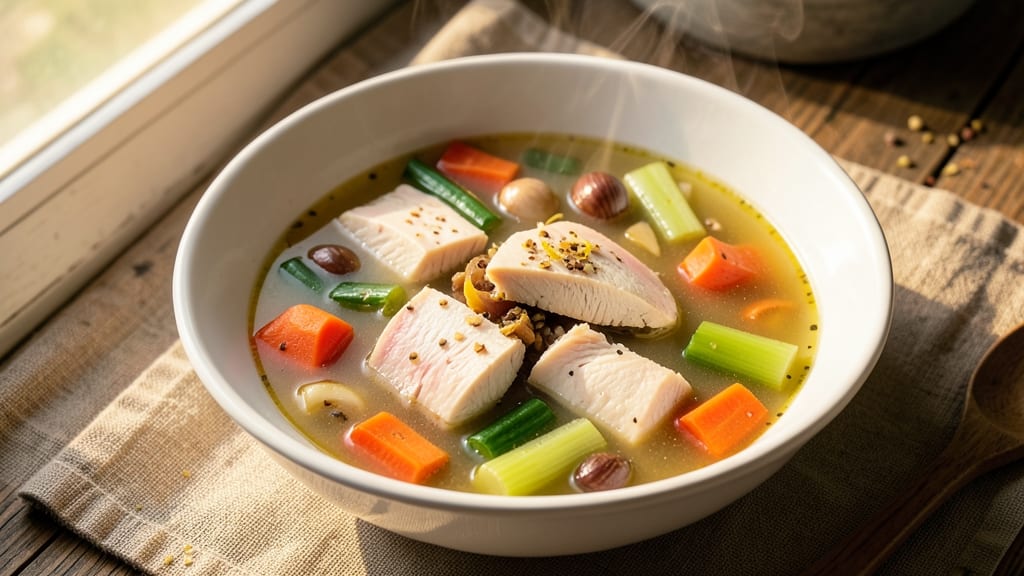
This bariatric chicken soup recipe delivers gentle, protein-packed comfort designed specifically for post-surgery nutrition needs. The secret lies in blending tender chicken with easily digestible vegetables and a broth that supports hydration without overloading your system. Every ingredient is chosen to maximize nutrition in small portions—critical for recovery without discomfort.
What sets this recipe apart is the focus on texture and digestibility. The chicken is shredded finely for easy consumption, while vegetables are either pureed or finely chopped to prevent irritation.
A touch of garlic and ginger not only enhances flavor but also aids digestion, making each spoonful both nourishing and soothing. The broth is rich in electrolytes, helping maintain balance while keeping calories in check.
By the time you finish this soup, you'll have a meal that's gentle on your stomach yet packed with protein to support healing. The warm, comforting flavors make it perfect for post-surgery meals, while the careful preparation ensures every bite is easy to digest.
It's the kind of nourishing comfort food that feels like care in a bowl.
Serve with a side of soft-cooked rice or pureed carrots for added nutrition, and always consult your dietitian to adjust portion sizes to your specific needs. This recipe is your foundation for gentle, healing meals after bariatric surgery.
Ingredients for bariatric chicken soup
Gentle flavors meet post-surgery nutrition in this carefully balanced chicken soup.
| Ingredient | Amount | Notes |
|---|---|---|
| Boneless, Skinless Chicken Breast 🍗 | 12 oz | Finely shredded post-cooking |
| Low-Sodium Chicken Broth 💧 | 4 cups | Homemade or high-quality low-sodium |
| Carrots 🥕 | ½ cup | Finely diced or pureed |
| Celery Stalks 🧅 | ¼ cup | Finely chopped |
| Yellow Onion 🧅 | ¼ cup | Finely diced |
| Garlic Cloves 🧄 | 2 cloves | Minced |
| Fresh Ginger 🌿 | 1 tsp | Finely grated |
| Canned White Beans 🌾 | ½ cup | Drained and rinsed |
| Low-Fat Greek Yogurt 🧀 | ¼ cup | For creaminess |
| Extra-Virgin Olive Oil 🫒 | 1 tbsp | For gentle sautéing |
| Salt 🧂 | ¼ tsp | Kosher or sea salt |
| Black Pepper 🌶️ | ⅛ tsp | Freshly ground |
| Fresh Parsley 🌿 | 1 tbsp | Chopped for garnish |
| Lemon Juice 🍋 | 1 tsp | Freshly squeezed |
| Whole-Grain Bread 🍞 | 1 slice | For optional croutons |
The chicken is the star here—boneless, skinless breast ensures lean protein without fat overload. Look for organic or free-range at Whole Foods or your local butcher if possible, as the flavor and texture are superior. The key is finely shredding it post-cooking to aid digestion. For broth, homemade or high-quality low-sodium brands like Pacific Foods or Imagine are perfect—they avoid excess sodium while keeping flavor intact. Fresh ginger and garlic are non-negotiable; they not only enhance flavor but also support digestion, which is critical post-surgery.
No fresh ginger? Powdered works at half the amount, but fresh is ideal for that gentle zing. Swap Greek yogurt for low-fat cottage cheese if you prefer, though yogurt adds a silky texture. For the vegetables, steam or puree the carrots and celery to make them even easier to digest. The white beans add fiber and protein—cannellini or great northern work best. If you're avoiding dairy, silken tofu can replace the yogurt for a neutral base. And that lemon juice? It brightens everything up—freshly squeezed is best, but bottled works in a pinch.
This soup reheats beautifully—gentle warming on low heat preserves its texture. Store in glass containers for up to 4 days in the fridge, or freeze portions for 3 months. The bread croutons, if using, should be lightly toasted and crumbled—they add texture without bulk. For extra comfort, serve with a side of soft-cooked rice or pureed sweet potatoes. Always consult your dietitian for portion adjustments, but this recipe is designed to be gentle yet nourishing for recovery.
Why You'll Love This Recipe
- Here’s what sold me: a whole pot of nourishing soup for under $5. The chicken breast is lean but filling, the veggies stretch the broth, and you’re not drowning it in expensive garnishes. Plus, leftovers mean zero wasted food—just reheat and repeat. My wallet and my post-surgery diet thank me.
- No-Fuss Prep: I swear by this recipe because it’s the kind of soup that forgives you. Dice the onion, chop the carrots and celery—that’s it—then toss everything into one pot. No fancy techniques, no stress, just 20 minutes of hands-off simmering while the chicken turns tender and the broth absorbs all the natural sweetness from the veggies.
- Savory Simplicity: Honestly, the flavor punches way above its ingredients. The low-sodium broth keeps it clean, but the caramelized onion and celery (sautéed just until soft) add depth without needing salt or spices. That first bite of chicken—juicy, lean, and infused with the broth—is the kind of satisfaction that makes you pause mid-sip.
- Meal Prep MVP: Between us, this is my go-to for busy mornings. I make a big batch on Sundays, portion it into containers, and it stays fresh for days. Freezes like a dream too—just reheat, and it’s like you made it yesterday. (Yes, even on a Tuesday night when you’d rather be scrolling than cooking.)
Step-by-step instructions for gentle protein-packed chicken soup
This nourishing soup delivers gentle protein and soothing flavors—perfect for sensitive digestion.
Sauté the Aromatic Vegetables
Heat the 1 tablespoon extra-virgin olive oil in a medium pot over medium-low heat. Add the ½ cup finely diced carrots, ¼ cup finely chopped celery stalks, and ¼ cup finely diced yellow onion. Cook for 5 minutes, stirring occasionally, until the vegetables soften slightly and begin to release their natural sweetness.
Next, add the 2 minced garlic cloves and 1 teaspoon finely grated fresh ginger. Cook for another 1 minute until fragrant—this step builds the soup's flavor foundation without overpowering digestion. Keep the heat gentle to prevent burning the delicate aromatics.
Simmer the Chicken and Broth
Push the sautéed vegetables to one side of the pot and add the 12 oz boneless, skinless chicken breast. Cook for 3-4 minutes until lightly browned on all sides. This creates a gentle sear that enhances flavor without toughness.
Pour in the 4 cups low-sodium chicken broth, scraping up any browned bits from the bottom of the pot. Bring to a gentle boil, then reduce heat to low and let it simmer for 12-15 minutes until the chicken is fully cooked and tender. You'll know it's ready when it shreds easily with two forks.
Add Beans and Season Lightly
Remove the chicken from the pot and shred it finely using two forks, discarding any bones or connective tissue. Return the shredded chicken to the pot along with the ½ cup drained and rinsed canned white beans. Stir gently to combine.
Add the ¼ teaspoon salt and ⅛ teaspoon black pepper, then simmer for another 5 minutes to allow the flavors to meld. This step ensures the soup is seasoned without being overly salty, making it gentle on digestion while still flavorful.
Finish with Creaminess and Freshness
Reduce the heat to low and stir in the ¼ cup low-fat Greek yogurt and 1 teaspoon lemon juice. Simmer for 2-3 minutes until the yogurt is fully incorporated and the soup reaches a smooth, velvety consistency. The yogurt adds gentle creaminess while the lemon brightens the flavors.
Finally, stir in the 1 tablespoon chopped fresh parsley and let the soup sit off the heat for 5 minutes to allow the flavors to settle. This resting period ensures the soup is perfectly balanced and ready to serve.
Optional Garnish and Serve
For an extra touch of texture, lightly toast the 1 slice whole-grain bread in a dry pan until golden, then cut into small cubes. Serve the soup warm, garnished with the toasted bread cubes if desired. Each bowl is packed with gentle protein and comforting flavors, perfect for nourishing meals.
The soup should be smooth, flavorful, and easy to digest, with a perfect balance of protein from the chicken and beans, creaminess from the yogurt, and a touch of brightness from the lemon. Enjoy it as a comforting meal that supports gentle digestion while delivering essential nutrients.
Pro Tips For Making Bariatric Chicken Soup
- SEAR THE CHICKEN FIRST: I learned this the hard way—skipping the sear makes the soup taste like it’s missing something. Pat the chicken breasts very dry, then hit them with a hot pan for 2-3 minutes per side until golden. The crust adds depth, and it keeps the meat from turning rubbery when you simmer it later.
- CHOP VEGETABLES UNIFORM: No one likes mushy carrots or celery stalks that stay crunchy while the rest turns to mush. Cut everything into roughly ¼-inch pieces—same size for carrots, celery, and onions—so they cook at the same pace. (Yes, it takes 10 extra seconds, but your soup won’t be a textural disaster.)
- DON’T BOIL THE BROTH: Low-sodium broth is already delicate, and boiling it turns it flat. Once the soup comes to a simmer, reduce to a gentle bubble—just enough to see tiny ripples. I used to rush this, and the flavor would fade. Patience here means better taste, especially with bariatric-friendly ingredients.
- ADD AROMATICS LAST: Onions and celery should join the broth after the chicken is cooked, not at the start. Sauté them for 2-3 minutes in the hot broth before adding them back to the pot—this extracts their flavor without letting them turn bitter. (Trust me, your soup will taste fresher.)
Common mistakes when making perfect results
Overcooking the Chicken
One of the biggest mistakes is overcooking the chicken, which can turn it dry and tough—something your sensitive post-surgery stomach will definitely notice. The goal is tender, easily shredded chicken, so cook it just until it reaches 165°F internal temperature (about 12-15 minutes in broth).
I’ve found that removing the chicken when it’s still slightly underdone and letting it finish cooking in the warm broth keeps it juicy and digestible. 💡
Skipping the Shredding Step
If you serve the chicken in chunks, you risk discomfort during digestion. The key is to finely shred the chicken with forks until it’s almost like pulled pork—this makes it easier to eat and digest.
I like to do this right after cooking while the chicken is still warm, as it shreds more easily. If you’re struggling, let it cool slightly first before shredding.
Using High-Sodium Broth
High-sodium broth can cause bloating or dehydration, which are the last things you need post-surgery. Always opt for low-sodium chicken broth (or homemade) and avoid adding extra salt. I keep a stash of Pacific Foods low-sodium broth on hand—it’s flavorful without the sodium overload.
Taste as you go and adjust with just a pinch of salt if needed.
Adding Too Many Textures
This soup is all about gentle digestion, so avoid adding chunky vegetables or tough ingredients like raw onions or celery. Instead, puree or finely dice all veggies to prevent irritation.
I’ve even seen some recipes call for croutons, but I skip them unless they’re lightly toasted and crumbled—otherwise, they can be too hard to digest. 🌿
Ignoring the Resting Time
Letting the soup sit off the heat for 5 minutes before serving helps the flavors meld and the broth thicken slightly, making each spoonful more satisfying. Skipping this step can leave the soup watery or uneven in texture.
I also find it’s a great time to adjust seasoning—adding a splash of lemon juice or a pinch of salt while it rests can elevate the flavor without overpowering it.
Overloading with Dairy
While Greek yogurt adds creaminess, adding too much can make the soup feel heavy. Stick to the ¼ cup called for in the recipe, and if you’re sensitive to dairy, swap it for silken tofu or a splash of coconut milk.
I’ve also seen people add cheese, but it can be too rich and difficult to digest early in recovery. Trust me, less is more here!
Nutrition facts
Frequently asked questions
Can I use ground chicken instead of shredded breast?
Ground chicken works, but it may be slightly tougher to digest than finely shredded breast meat. For best results, opt for skinless, boneless breast and shred it thoroughly. If you prefer ground chicken, choose 93% lean or leaner to reduce fat content, which can be harder to process post-surgery.
How do I adjust this for a liquid diet?
Blend the entire soup (except the optional bread croutons) until completely smooth for a liquid diet. Use an immersion blender for convenience, then strain if needed to remove any remaining fibers. For extra hydration, thin with warm water or more low-sodium broth to reach a sippable consistency. Always check with your dietitian first!
What if I don't have Greek yogurt?
No problem! Substitute with low-fat cottage cheese (blended smooth) or silken tofu for a dairy-free option. Both add creaminess without overloading on fat. Avoid full-fat versions—they can cause discomfort. For a neutral base, even a splash of coconut milk works in a pinch.
Can I make this soup ahead of time?
This soup reheats beautifully. Store in glass containers for up to 4 days in the fridge or freeze portions for 3 months. Reheat gently on low heat or in the microwave, stirring occasionally to prevent hot spots. The flavors actually improve overnight as they meld together.
Is this soup safe during the dumping syndrome phase?
Yes, but with modifications. Avoid the beans and bread croutons initially, as they contain simple carbs that can trigger dumping. Stick to the chicken, broth, pureed veggies, and yogurt base. Serve small portions (½ cup) and sip slowly to prevent rapid stomach emptying. Always follow your surgeon's specific guidelines for this phase.