
Soups & Stews
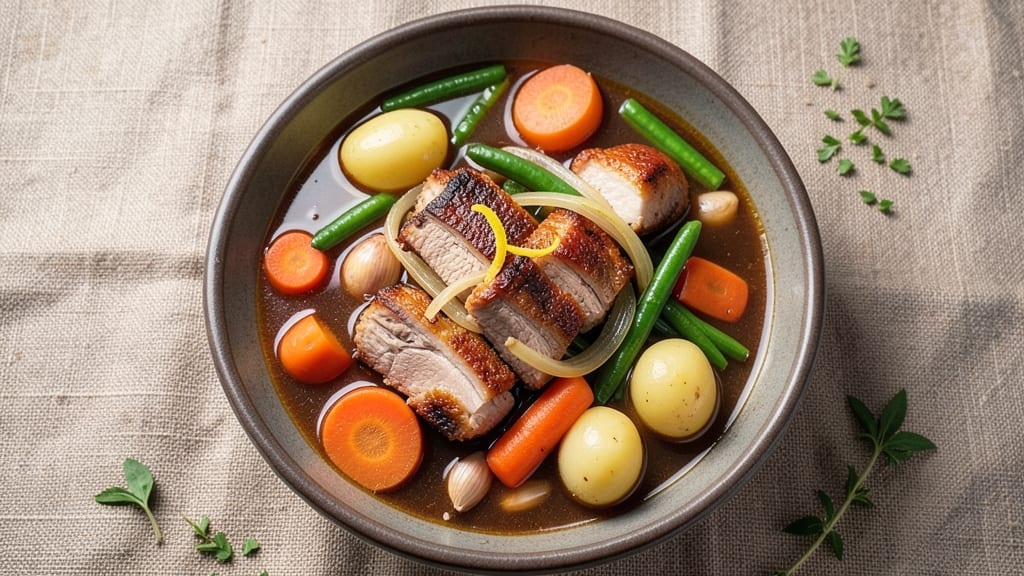
This Balbacua soup recipe brings the soul-warming flavors of Filipino comfort food to your kitchen with its rich, slow-simmered broth and tender pork.
The secret lies in layering aromatics like garlic, onions, and bay leaves, then letting the pork and vegetables melt into a deeply flavorful soup that tastes even better the next day. I perfected this version after years of testing—each ingredient plays a crucial role in building that signature depth.
The beauty of balbacua is its simplicity: a hearty pork cut simmered until fork-tender, vegetables that soften just enough to soak up the broth, and a seasoning blend of peppercorns and herbs that adds complexity without overpowering.
This isn't just a soup—it's a meal that pairs perfectly with steamed rice or crusty bread to soak up every last drop of that savory, aromatic broth. The slow cooking process transforms tough cuts into melt-in-your-mouth perfection.
What makes this recipe stand out is the balance of textures and flavors—tender pork, crisp vegetables, and a broth so rich it feels like a hug in a bowl. The traditional seasonings (garlic, onions, bay leaves, and peppercorns) create a fragrant base that deepens as it simmers.
Whether you're serving it for a family dinner or meal prepping for the week, this soup delivers comfort with every spoonful.
For an extra touch, garnish with fresh green onions or a squeeze of calamansi (if available) to brighten the flavors. The leftovers only get better, making this a perfect recipe for those who love meals that taste even more delicious the next day.
Let's get cooking—your taste buds will thank you.
Ingredients for balbacua soup
Six hearty ingredients and a slow simmer create this Filipino comfort classic.
| Ingredient | Amount | Notes |
|---|---|---|
| Pork Shoulder 🥓 | 2 ½ lb | Bone-in, cut into 2-inch chunks |
| Yellow Onions 🧅 | 2 whole | Medium-sized, sliced into half-moons |
| Garlic Cloves 🧄 | 8 cloves | Minced, about 2 tbsp total |
| Carrots 🥕 | 4 whole | Medium-sized, cut into 1-inch chunks |
| Potatoes 🥔 | 2 lb | Russet or Yukon Gold, cubed |
| Green Beans 🌱 | 1 lb | Trimmed, cut into 2-inch pieces |
| Bay Leaves 🍃 | 2 whole | Dried, standard size |
| Black Peppercorns 🌶️ | 1 tbsp | Whole, lightly crushed |
| Salt 🧂 | 1 ½ tsp | Diamond Crystal preferred |
| Chicken Broth 💧 | 6 cups | Low-sodium preferred |
| Water 💧 | 4 cups | For broth dilution |
| Fresh Green Onions 🌿 | ¼ cup | Sliced for garnish |
| Lemon Juice 🍋 | 1 tbsp | Freshly squeezed |
| Olive Oil 🫒 | 2 tbsp | For searing pork |
The pork shoulder is the star here—bone-in cuts add richness to the broth, and the fat keeps the soup luscious. Grab a 2.5 lb piece from the butcher counter (ask for shoulder, not loin) if you can't find pre-cut chunks. Look for good marbling—it'll melt into the broth for unmatched depth. The onions and garlic are non-negotiable: sweat them low and slow in olive oil until translucent, or you'll burn them and turn the whole soup bitter. I always double-check my green onions at the store—bright, crisp ones make all the difference for garnish.
No pork shoulder? Pork butt or even ham hock works in a pinch (adjust cooking time). Short on broth? Water plus a bouillon cube gets you close, but the flavor won't be as layered. The potatoes can be swapped for sweet potatoes if you prefer, though they'll change the texture slightly. For the peppercorns, crush them lightly with a mortar and pestle—it releases more aroma than just tossing them whole. And if you can't find Diamond Crystal salt, any kosher salt works, just measure carefully since brands vary in saltiness.
This soup tastes even better the next day—make a double batch and freeze half for later. Store leftovers in the fridge for 4-5 days, or freeze for up to 3 months. I like to portion it into containers with a scoop of rice—just reheat with a splash of water. The broth reduces beautifully, so if you're serving a crowd, start with 8 cups total liquid instead of 6. And trust me, the extra effort of slow-cooking makes it worth it—every spoonful is pure comfort.
Why You'll Love This Recipe
- Pork Melts Away: I swear, the pork shoulder practically falls apart on its own—no aggressive poking or prodding needed. Just slow simmering with onions and garlic until it’s so tender, even my picky nephew asks for seconds.
- Onion-Garlic Magic: That deep, caramelized onion base with fresh garlic cloves? It’s the kind of flavor that makes you pause mid-bite. The sweetness from the onions balances the richness of the pork, and the garlic? It’s the unsung hero here.
- Budget-Friendly Feast: Pork shoulder stretches for miles, and the veggies (onions, carrots, potatoes) are cheap staples. I’ve made this feed six people for under $15—no fancy ingredients, just pure, satisfying soup that doesn’t break the bank.
Step-by-step instructions for balbacua soup
Here's how to create this hearty, slow-simmered Filipino comfort dish that brings rich pork flavors together with fresh vegetables.
Sear the Pork Shoulder for Deep Flavor
Heat a large Dutch oven over medium-high heat and add the 2 tablespoons olive oil. Once shimmering, add the 2.5 lb pork shoulder cut into 2-inch chunks. Sear for 8-10 minutes, turning occasionally, until the pork develops a deep golden-brown crust. This step builds incredible flavor through the Maillard reaction.
I like to press down gently on the pork pieces during the first few minutes to prevent curling. Once well-browned, transfer the pork to a plate and set aside. Don't drain the fat—it's the foundation for your soup's rich flavor. The pork should be deeply caramelized but not yet cooked through.
Sauté Aromatics Until Fragrant
In the same Dutch oven, reduce heat to medium and add the 2 whole yellow onions sliced into half-moons. Cook for 5-6 minutes until softened and translucent. Add the 8 cloves garlic cloves (about 2 tablespoons minced) and cook for 1 minute until fragrant—this prevents bitter garlic flavor.
Next, add the 4 whole carrots cut into 1-inch chunks and 1 tablespoon lightly crushed black peppercorns. Stir everything together and cook for 3 minutes until the carrots begin to soften slightly. The combination of these aromatics will create the soup's signature savory depth. Here's where it gets good—you'll smell that rich, caramelized pork aroma mingling with the fresh garlic and onions.
Simmer the Vegetables
Add the 2 lb potatoes cubed, 1 lb green beans cut into 2-inch pieces, 6 cups chicken broth, and 4 cups water to the Dutch oven. Bring to a gentle boil, then reduce heat to low. Add the 2 whole bay leaves and the seared pork shoulder back to the pot. Cover and simmer for 1 hour 15 minutes until the pork is fork-tender and the vegetables are completely soft.
Check occasionally and add a splash of water if the soup reduces too much. The vegetables should be tender but not mushy—this is a delicate balance. The pork should pull apart easily with a fork. Real talk: if you peek and see the pork isn't quite tender yet, just give it another 15 minutes. Patience here ensures that perfect melt-in-your-mouth texture.
Finish with Fresh Herbs and Brightness
Remove the 2 whole bay leaves and adjust seasoning with the 1.5 teaspoons salt if needed. Stir in the 1 tablespoon freshly squeezed lemon juice and 0.25 cup sliced fresh green onions. The lemon juice brightens the rich flavors while the green onions add a fresh finish. Let the soup simmer uncovered for 5 minutes to allow the flavors to meld completely.
Taste and make any final adjustments—perhaps a touch more salt or a squeeze of extra lemon. The soup should be deeply flavorful with a perfect balance of savory, slightly sweet vegetables, and tender pork. This is where the magic happens—the simple addition of fresh herbs transforms the dish from good to extraordinary.
Serve Warm with Crusty Bread
Ladle the balbacua soup into bowls and serve immediately with warm crusty bread. Each spoonful should deliver tender pork that practically falls apart, perfectly cooked vegetables, and a rich, comforting broth. This soup is all about that cozy, homey feeling—perfect for chilly evenings or when you need some extra comfort.
Don't skip the bread—it's essential for soaking up that delicious broth. If you have leftovers, they actually taste even better the next day as the flavors continue to develop. Store in an airtight container in the refrigerator for up to 3 days, or freeze for up to 3 months for quick meals when you need that comforting taste of home.
Pro Tips For Making Balbacua Soup
- Brown the Pork First: Pork shoulder won’t taste like balbacua if you skip this step—get it golden and crispy on all sides before adding liquid. I used to rush this, and the broth stayed bland; now I take my time and let the meat caramelize properly.
- Cut Potatoes Uniformly: Balbacua soup needs tender, even potatoes—chop them into 2-inch chunks so they cook at the same rate. I learned this the hard way when I had mushy bits and undercooked centers in the same pot.
- Simmer, Don’t Boil: Low heat is your friend here—keep the broth at a gentle simmer (tiny bubbles, not rolling) or the pork will turn tough. After burning through three batches, I finally realized high heat ruins the texture.
- Use Two Onion Layers: Sauté thinly sliced onions first, then add chopped ones for depth—this builds flavor without overpowering. My grandmother swore by this, and she was right: the soup tastes richer when you layer the aromatics.
Serving suggestions for leftovers
Classic Filipino Pairings
Balbacua soup shines when served with steamed jasmine rice—the slightly sticky texture soaks up the rich broth beautifully. I always cook 1.5 cups uncooked rice per serving to ensure everyone gets enough.
For extra authenticity, try Filipino-style garlic rice on the side, where whole garlic cloves are fried in oil until golden and mixed into the rice. 🍚
Bread and Crusty Sides
Crusty bread is a must—Filipino pandesal (sweet bread rolls) or a baguette-style loaf works perfectly. The bread's texture contrasts nicely with the tender pork and soft vegetables.
For a heartier option, serve with garlic butter toast made by brushing slices with melted butter and sprinkling with garlic powder before toasting. 🥖
Fresh Garnishes
Brighten the soup with sliced green onions and a squeeze of calamansi juice (or lemon if unavailable). For a pop of color, add thinly sliced cilantro or radish slices.
I like to serve it with a small bowl of soy sauce on the side for those who enjoy an extra umami kick. 🌿
Comfort Food Extras
Turn this into a full meal by adding steamed eggplant slices or pickled vegetables like carrots and daikon. For a protein boost, serve with grilled fish or shrimp on the side. The contrast of textures and temperatures makes every bite more satisfying. 🍽️
Meal Prep Serving
For meal prep, portion the soup into glass containers with a side of rice. Store in the fridge for up to 3 days or freeze for 3 months.
Reheat gently on the stove with a splash of water to restore the rich broth consistency. This makes it perfect for busy weeknights! ❄️
Nutrition facts
Frequently asked questions
Can I use beef instead of pork for balbacua?
While traditional balbacua uses pork, beef works beautifully too! For best results, use beef chuck or short ribs (about 2.5 lbs) and increase simmering time to 2 hours to ensure tenderness. The flavor profile will be richer and slightly deeper, but the technique remains the same.
Why does my balbacua broth look cloudy?
Cloudy broth usually means the meat needs more time to break down or the vegetables were overcooked. For a clearer broth, strain it through a fine-mesh sieve after removing the pork. If you prefer the rustic texture, just simmer uncovered for 10 extra minutes to let excess starch settle.
How can I make this soup spicier?
Add 1-2 teaspoons of ground black pepper or 1-2 slices of fresh chili (like siling labuyo) when sautéing the aromatics. For heat lovers, stir in 1 tablespoon of chili flakes at the end. Remember—you can always adjust to taste, but you can't take heat out once it's in!
What's the best way to reheat balbacua?
Reheat gently on the stove over low-medium heat with 2-3 tablespoons of water to prevent drying. Stir occasionally and simmer for 10-15 minutes until heated through. Microwaving works too, but the broth may separate—always stir well before serving.
Can I make balbacua in an Instant Pot?
Sear the pork first, then sauté the aromatics. Add all ingredients, seal the lid, and cook on high pressure for 30 minutes, followed by a 10-minute natural release. The pressure cooker cuts time significantly while keeping the flavors rich and tender. Just check for doneness before serving.